

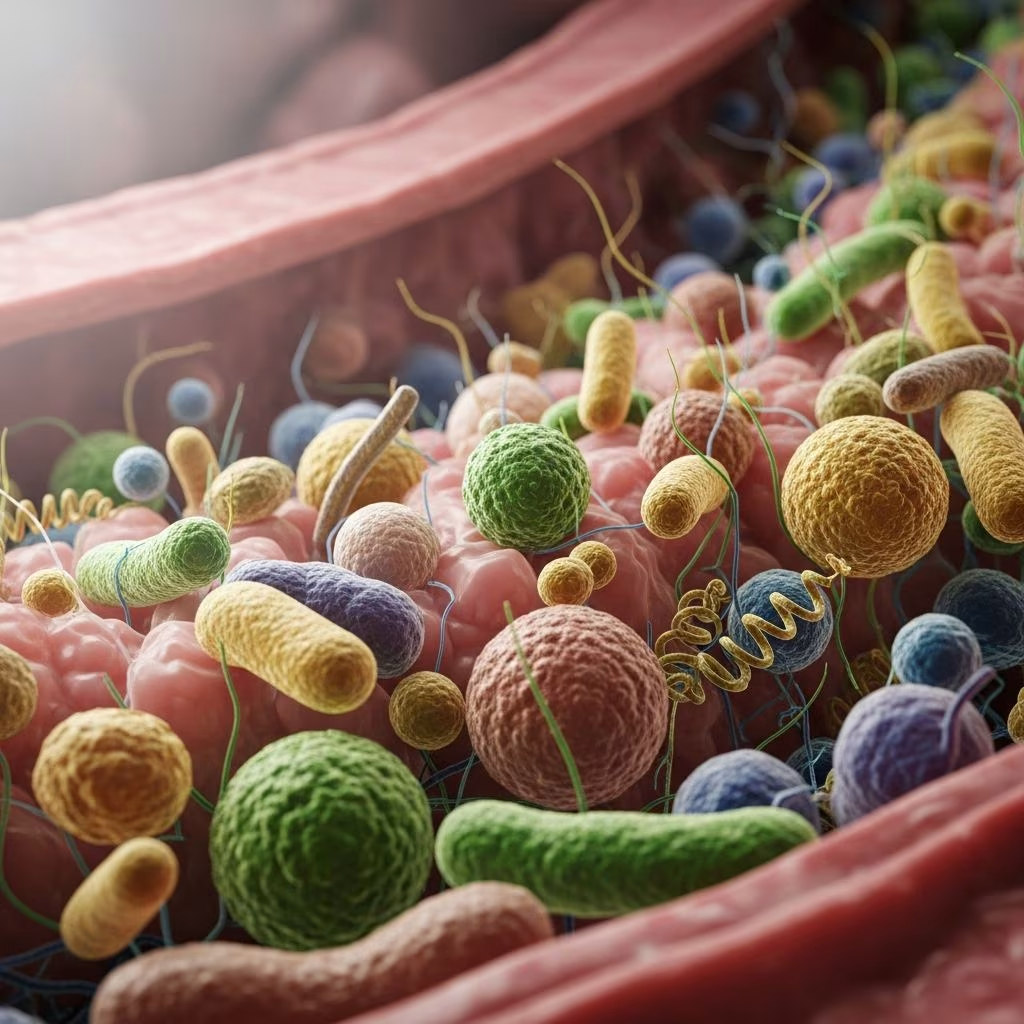
The gastrointestinal tract of dogs hosts a complex community of microorganisms that play a fundamental role in digestion, nutrient absorption, immune function, and overall health. When this delicate microbial ecosystem becomes disrupted—a condition known as dysbiosis—dogs may suffer from chronic digestive problems that resist conventional treatment approaches. Over the past decade, veterinary medicine has increasingly turned to an innovative therapeutic intervention: fecal microbiota transplantation (FMT). This procedure involves transferring healthy bacterial communities from a carefully screened donor dog into the gastrointestinal tract of a recipient dog suffering from microbial imbalance. What was once considered an experimental approach has evolved into a promising clinical tool that addresses the root cause of many digestive ailments rather than merely managing symptoms.
The Science Behind Microbial Transplantation
The canine gut microbiome is not simply a collection of random bacteria. Instead, it represents a sophisticated ecosystem where thousands of bacterial species maintain complex relationships, producing metabolites essential for intestinal health, synthesizing vitamins, and regulating immune responses. When dysbiosis develops—whether from antibiotic use, dietary changes, stress, or pathogenic infections—this carefully balanced system collapses. Individual bacterial species may proliferate unchecked while beneficial organisms become depleted, leaving the intestinal barrier compromised and permitting inflammation. FMT works by reintroducing a diverse and stable bacterial community from a healthy donor, essentially “resetting” the recipient’s microbiome to a functional state.
Research demonstrates that this microbial transplantation is remarkably effective at establishing itself within the recipient’s intestinal environment. Studies using molecular analysis have revealed that clinically recovered dogs show obvious fecal bacterial relationships corresponding to their donors, with 80% of dogs responding favorably exhibiting detectable donor microbiota after treatment. This suggests that the transplanted bacteria not only survive the transplantation process but actively colonize and integrate into the recipient’s gut ecosystem, creating lasting physiological changes.
Clinical Applications and Gastrointestinal Conditions
Veterinarians increasingly recommend FMT for dogs presenting with various gastrointestinal disorders that have proven resistant to standard therapeutic interventions.
Acute Gastrointestinal Crises
One of the most compelling applications involves acute hemorrhagic diarrhea syndrome (AHDS), a condition that can rapidly deteriorate into a medical emergency. Research examining eight hospitalized dogs with AHDS demonstrated that FMT delivered via colonoscopy on the first day of hospitalization proved both well-tolerated and effective, improving clinical signs and normalizing hematological parameters. Similarly, dogs suffering from Clostridium difficile-associated diarrhea show remarkable recovery rates. A documented case involving a French bulldog with four months of persistent diarrhea and confirmed C. difficile toxins showed complete clinical resolution within three days of oral FMT, with toxin tests becoming negative.
Chronic Enteropathies and Inflammatory Conditions
Dogs with chronic gastrointestinal disease often struggle with persistent inflammation that doesn’t adequately respond to dietary modifications, probiotics, or pharmaceutical interventions. Research measuring the canine inflammatory bowel disease activity index (CIBDAI) revealed that all dogs receiving FMT demonstrated significant reductions in inflammatory markers. In a comprehensive evaluation involving 36 dogs with various chronic gastrointestinal conditions, 75% showed clinically meaningful improvement after treatment, with the most common benefits including increased activity levels (56%), improved stool quality (53%), and weight gain combined with increased appetite (28%).
Pediatric Gastrointestinal Disease
FMT shows particular promise in very young dogs. A controlled trial involving 11 puppies with post-weaning diarrhea caused by Clostridium perfringens randomly assigned to receive either FMT or placebo via colonoscopy demonstrated that FMT-treated puppies experienced significantly improved clinical signs, better fecal scores, and reduced pathogenic bacterial levels compared to controls.
The Treatment Process and Administration Methods
FMT can be delivered through multiple routes, each with specific advantages depending on the clinical situation and patient tolerance.
Delivery Routes
| Administration Method | Procedure Details | Typical Applications |
|---|---|---|
| Rectal Colonoscopy | Fecal material directly introduced into the colon under anesthesia | Most chronic cases; allows precise placement and larger volumes |
| Oral Capsule | Freeze-dried donor feces in capsule form ingested by the recipient | Non-invasive option; used for less severe presentations |
| Enema Administration | Liquid fecal suspension introduced rectally without colonoscopy | Intermediate option; less invasive than colonoscopy |
The choice of delivery method depends on the specific condition, severity of illness, and veterinary clinic capabilities. Studies examining multiple administration techniques have found that regardless of delivery method, successful engraftment occurs in the majority of responsive cases.
Pre-Procedure Preparation
Proper patient preparation optimizes treatment success. Veterinarians typically recommend withholding food from the recipient dog for six hours prior to FMT, though water intake is permitted and even encouraged. Interestingly, a 30-40 minute walk immediately preceding the procedure helps ensure the recipient’s bowel is adequately evacuated, creating an optimal environment for bacterial engraftment. When recipients undergo colonoscopic delivery, standard anesthesia protocols apply, and dogs are monitored throughout the procedure.
Success Rates and Clinical Outcomes
The scientific literature consistently reports favorable outcomes, with most studies demonstrating clinical improvement in the majority of treated dogs. A comprehensive examination of 36 dogs with chronic gastrointestinal disease revealed that 75% achieved clinically meaningful improvement after undergoing FMT treatment. Notably, improvement often manifests rapidly—many dogs show enhanced clinical signs within hours to days of treatment. The trajectory of improvement typically includes enhanced activity levels, more normalized stool quality, improved appetite, and gradual weight gain in previously failing dogs.
Molecular analysis adds another dimension to understanding success. Five of seven dogs (71%) in one research evaluation demonstrated improved fecal parameters correlating with better overall clinical outcomes, with four of the five recovered patients (80%) showing molecular evidence of stable donor microbiota integration. This molecular confirmation suggests that clinical improvements reflect genuine, lasting changes to the gut bacterial community rather than temporary symptomatic relief.
Safety Profile and Potential Side Effects
When conducted with proper donor screening protocols, FMT demonstrates a remarkably favorable safety profile. A comprehensive review of 36 treated dogs found that only 6 dogs (17%) experienced any side effects at all, and all reported adverse events were self-limiting. The most commonly observed side effect was mild diarrhea occurring within 48 hours of treatment, which typically resolved without intervention. In the same group, two dogs exhibited transient abdominal or rectal pain, but these symptoms also resolved spontaneously.
One important consideration involves the theoretical risk of transmitting infectious diseases or parasites through fecal material. While this represents a valid concern in theory, the strict screening processes applied to donor dogs greatly minimize this risk. Veterinary clinics performing FMT maintain comprehensive donor health screening, including tests for pathogenic bacteria, parasites, and viral agents, as well as physical examination and overall health evaluation.
No FMT-related complications were documented in several major research studies, and dogs showed no deterioration in fecal scoring, skin-coat quality, or overall clinical activity after treatment.
Limitations and Considerations for Pet Owners
While FMT represents an exciting therapeutic advancement, realistic expectations are important. The benefits of fecal microbiota transplantation may be temporary in some cases, necessitating repeated treatments as the recipient’s microbiome gradually returns toward its previous dysbiotic state. In the largest published series, most dogs receiving treatment underwent multiple FMTs, with 26 of 34 dogs receiving three separate treatments over time. This pattern suggests that while a single FMT can produce dramatic initial improvement, maintaining results often requires periodic retreatment.
Additionally, not all dogs respond favorably to FMT. In research evaluating seven dogs with chronic gastrointestinal disease, two recipients showed no significant clinical improvement despite proper procedure execution. Veterinarians cannot currently predict with certainty which dogs will respond robustly and which will show minimal benefit, though early indicators including baseline dysbiosis severity and specific bacterial abnormalities may offer some predictive value.
The Importance of Donor Screening
The safety and efficacy of FMT depend critically on thorough donor selection and health evaluation. Veterinary clinics performing FMT maintain rigorous protocols to ensure donor dogs are genuinely healthy and free from pathogenic organisms. This screening typically includes:
- Comprehensive physical examination and medical history review
- Complete blood count and serum chemistry analysis
- Fecal examination for parasites and pathogenic bacteria
- Testing for common canine infectious agents
- Assessment of dietary history and overall digestive health
Dogs selected as donors typically represent the picture of gastrointestinal health, with excellent stool quality, robust activity levels, and ideal body condition. By maintaining these stringent standards, veterinary clinics minimize the risk of inadvertently transferring health problems from donor to recipient.
Integration with Comprehensive Treatment Plans
FMT functions most effectively as part of a comprehensive, multimodal treatment strategy rather than as an isolated intervention. Many veterinarians combine FMT with dietary modifications, targeted supplementation, and judicious use of pharmaceuticals when necessary. In some cases, FMT may allow reduction in the use of antibiotics or immunosuppressive medications in selected patients, potentially reducing long-term medication burden and associated side effects.
The timing of FMT within the treatment sequence matters. Generally, clinicians prefer to stabilize acutely ill dogs through supportive care before proceeding with FMT. However, in some emergency situations, particularly with acute hemorrhagic diarrhea syndrome, FMT may be incorporated immediately upon hospitalization alongside supportive measures.
Emerging Research and Future Directions
Although FMT shows tremendous promise, veterinary medicine is still in the early stages of optimizing protocols and identifying ideal candidates. Currently, FMT dosage, volume, and procedural protocols vary somewhat among small animal clinicians, with consensus guidelines still pending development. Future research will likely refine our understanding of optimal donor characteristics, recipient selection criteria, and treatment scheduling to maximize long-term benefits.
The potential for FMT extends beyond chronic gastrointestinal disease. Emerging evidence suggests connections between gut microbiota composition and skin health, immune function, and potentially behavioral patterns. As research evolves, veterinarians may increasingly employ FMT to address seemingly non-gastrointestinal conditions with microbiotic origins.
Frequently Asked Questions About Canine FMT
How quickly do dogs show improvement after FMT?
Many dogs demonstrate noticeable improvement within hours to days following FMT treatment. Some show rapid increases in activity levels, others experience immediate improvement in stool quality. However, maximum benefit may take weeks to fully manifest as the transplanted microbiota becomes established.
Is FMT appropriate for puppies?
Yes, FMT appears beneficial for puppies with gastrointestinal disease, particularly those experiencing post-weaning diarrhea or specific pathogenic infections. Research confirms that puppies tolerate the procedure well and show favorable clinical responses.
Can FMT be used alongside antibiotics?
Timing is critical. Antibiotics administered immediately before FMT may kill the transplanted donor bacteria, reducing treatment efficacy. Veterinarians typically recommend completing antibiotic courses prior to FMT or, in specific situations, discontinuing antibiotics several days before the procedure.
What happens if a dog doesn’t respond to FMT?
Approximately 25% of dogs may not achieve clinically meaningful improvement from FMT. In such cases, veterinarians explore alternative diagnoses, investigate underlying food sensitivities, or consider other therapeutic interventions. Some non-responders may benefit from different treatments or dietary modifications.
How often can FMT be repeated?
There is no established maximum frequency for FMT repetition. Many dogs receive multiple treatments over several months or years as needed to maintain clinical improvement. The decision to repeat FMT depends on individual response patterns and disease recurrence.
References
- Fecal Microbiota Transplantation for Dogs: Benefits & Research — Healthy Paws Pet Insurance. 2024. https://www.healthypawspetinsurance.com/blog/dog-care/dog-fecal-transplants.html
- Impact of fecal microbiota transplantation in dogs — National Center for Biotechnology Information (NCBI). 2025. https://pmc.ncbi.nlm.nih.gov/articles/PMC12261923/
- Fecal microbiota transplantation for GI disorders — Royal Canin Academy Veterinary. 2024. https://academy.royalcanin.com/en/veterinary/fecal-microbiota-transplantation-for-gi-disorders
- Fecal Microbiota Transplantation — MSPCA-Angell Animal Medical Center. 2024. https://www.mspca.org/angell_services/fecal-microbiota-transplantation-2/



