
Fecal Incontinence in Dogs: Causes and Care
Understand fecal incontinence in dogs, from recognizing symptoms to effective treatments and home management strategies for better pet comfort.
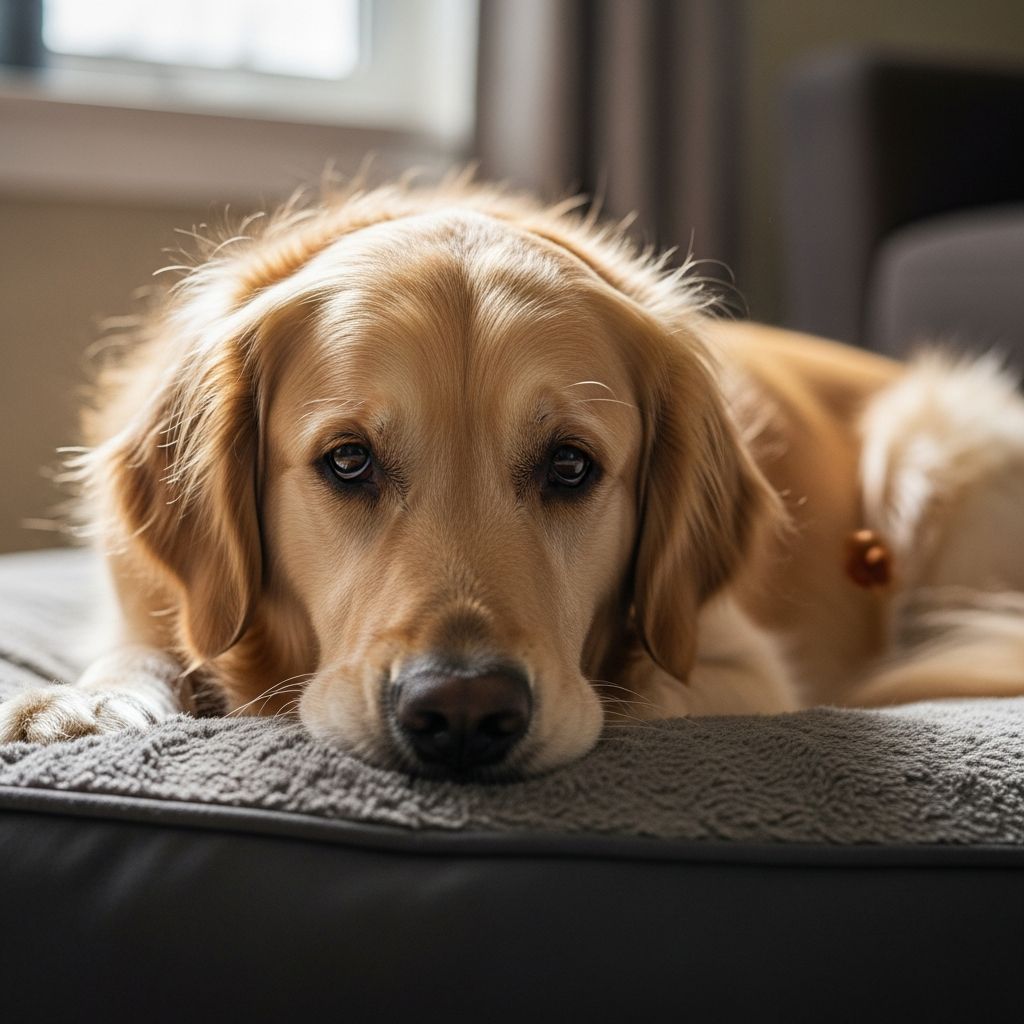
Fecal incontinence occurs when dogs lose voluntary control over their bowel movements, leading to involuntary leakage or accidents. This condition affects dogs of all ages but becomes more prevalent in seniors due to age-related changes.
Recognizing the Signs of Fecal Incontinence
Early detection is crucial for managing this issue effectively. Owners often notice subtle changes before full incontinence develops. Common indicators include small amounts of stool leaking out while the dog is resting, walking, or excited.
- Dribbling or spotting of feces on bedding or floors
- Frequent unsuccessful attempts to defecate
- Straining or scooting on carpets
- Blood-tinged stool or foul-smelling discharge
- Restlessness, pacing, or excessive licking around the rear
- Small, frequent bowel movements instead of normal ones
These symptoms distinguish true incontinence from behavioral house soiling, as affected dogs often seem unaware of the leakage.
Primary Types of Fecal Incontinence
Veterinary experts classify fecal incontinence into two main categories based on the underlying mechanism: sphincter-related and reservoir-related problems.
Sphincter Incontinence Explained
This type stems from failure of the anal sphincter muscles to close properly, allowing stool to escape uncontrollably. Nerve damage from spinal issues or physical trauma to the area disrupts sphincter function.
Dogs with this condition may dribble feces intermittently, especially during activities like barking or coughing that increase abdominal pressure.
Reservoir Incontinence Overview
Here, the rectum cannot hold stool adequately due to inflammation, tumors, or other rectal diseases. The dog feels a constant urge to go because the storage capacity is compromised.
Conditions causing reservoir incontinence often involve diarrhea or loose stools that overwhelm the rectum’s ability to retain them.
Common Underlying Causes
A wide array of factors can trigger fecal incontinence. Identifying the root cause requires thorough veterinary evaluation.
| Category | Examples | Key Features |
|---|---|---|
| Neurological | Intervertebral disc disease (IVDD), degenerative myelopathy, spinal injuries | Hind leg weakness, paralysis, loss of tail wagging |
| Gastrointestinal | Colitis, inflammatory bowel disease (IBD), parasites, exocrine pancreatic insufficiency (EPI) | Diarrhea, bloating, weight loss |
| Anal/Perianal | Anal gland issues, fistulas, tumors, post-surgical changes | Pain, swelling, scooting, foul odor |
| Age-Related | Cognitive dysfunction, muscle atrophy, arthritis | Common in seniors, reluctance to go outside |
| Infectious/Other | Parvovirus, dysautonomia, hernias, cancer | Lethargy, vomiting, systemic illness signs |
Older dogs frequently experience incontinence from muscle weakening or cognitive decline, while younger ones may suffer from trauma or infections.
When to Seek Veterinary Help Immediately
Not all accidents indicate incontinence, but sudden onset demands prompt attention. Accompanying signs like hind limb lameness, urinary issues, or lethargy suggest serious problems such as spinal cord disease or tumors.
- Sudden inability to control bowels
- Changes in appetite, vomiting, or fever
- Visible pain, swelling, or wounds near the anus
- Progressive weakness in back legs
Delay can worsen outcomes, especially for neurological or cancerous causes.
Diagnostic Approaches for Accurate Identification
Vets use a multi-step process to pinpoint the cause. A thorough physical exam checks sphincter tone, rectal health, and neurological function.
- Blood and urine tests to detect infections, diabetes, or organ dysfunction
- Fecal analysis for parasites, bacteria, or viruses
- Imaging like X-rays, ultrasound, or MRI for spinal/rectal abnormalities
- Biopsies or endoscopy for tissue evaluation
- Neurological assessments including reflexes and coordination tests
These steps ensure targeted treatment rather than symptomatic relief alone.
Treatment Strategies Tailored to the Cause
Management varies by diagnosis but aims to restore control, alleviate discomfort, and prevent complications like skin irritation.
Medical and Surgical Interventions
For sphincter issues, medications strengthen muscle tone or reduce inflammation. Surgical options repair sphincter damage, remove tumors, or address anal gland problems.
Neurological cases may require anti-inflammatory drugs, pain relief, or surgery for disc herniations.
Dietary and Supplemental Support
Fiber supplements firm stools, making them easier to retain. Probiotics aid gut health in IBD or post-infection cases. Specialized diets manage EPI or food sensitivities.
Advanced Therapies
Acupuncture or physical therapy benefits spinal conditions. In severe cases, colostomy or sphincter implants are considered.
Home Management and Hygiene Tips
While awaiting vet care or alongside treatment, practical steps maintain cleanliness and dignity.
- Use doggy diapers or belly bands for containment
- Clean the area gently with pet-safe wipes after accidents
- Apply barrier creams to prevent sores
- Schedule frequent potty breaks to minimize leakage
- Keep bedding washable and monitor for infections
These reduce stress for both dog and owner.
Preventive Measures for Long-Term Health
Regular vet check-ups catch issues early. Maintain ideal weight to ease spinal strain, provide joint supplements for seniors, and ensure parasite prevention.
Balanced nutrition supports gut and muscle health. Avoid high-impact activities in breeds prone to IVDD like Dachshunds.
Prognosis and Quality of Life Considerations
Outcomes depend on the cause—treatable infections resolve well, while degenerative diseases may progress. With proper care, most dogs enjoy good quality of life.
Hospice approaches focus on comfort for incurable cases, emphasizing palliative care.
Frequently Asked Questions (FAQs)
Is fecal incontinence common in older dogs?
Yes, due to muscle loss, cognitive changes, or comorbidities like arthritis.
Can diet alone fix bowel incontinence?
Diet helps manage symptoms but rarely cures underlying issues; vet diagnosis is essential.
Will my dog need surgery?
Only if structural problems like tumors or sphincter tears are present; many cases respond to meds.
How do I differentiate incontinence from diarrhea?
Incontinence involves unaware leakage; diarrhea is frequent loose stools with awareness.
Can incontinence be reversed?
Many causes are treatable, leading to full recovery, especially if caught early.
References
- Bowel Incontinence – How to Help Your Dog — Preventive Vet. 2023. https://www.preventivevet.com/dogs/bowel-incontinence-in-dogs
- Bowel Incontinence in Dogs: Signs, Causes, and Treatment — Penny Paws. 2024. https://pennypaws.com/blog/bowel-incontinence-in-dogs-signs-causes-and-treatment/
- Bowel Incontinence in Dogs — VCA Animal Hospitals. 2024. https://vcahospitals.com/know-your-pet/bowel-incontinence-in-dogs
- Bowel Incontinence in Dogs – Signs, Causes, Diagnosis, Treatment — WagWalking. 2024. https://wagwalking.com/condition/bowel-incontinence
- Bowel Incontinence in Dogs – Causes, Treatment and… — Vetster. 2025. https://vetster.com/en/symptoms/dog/bowel-incontinence
Similar Articles








Read full bio of medha deb




