

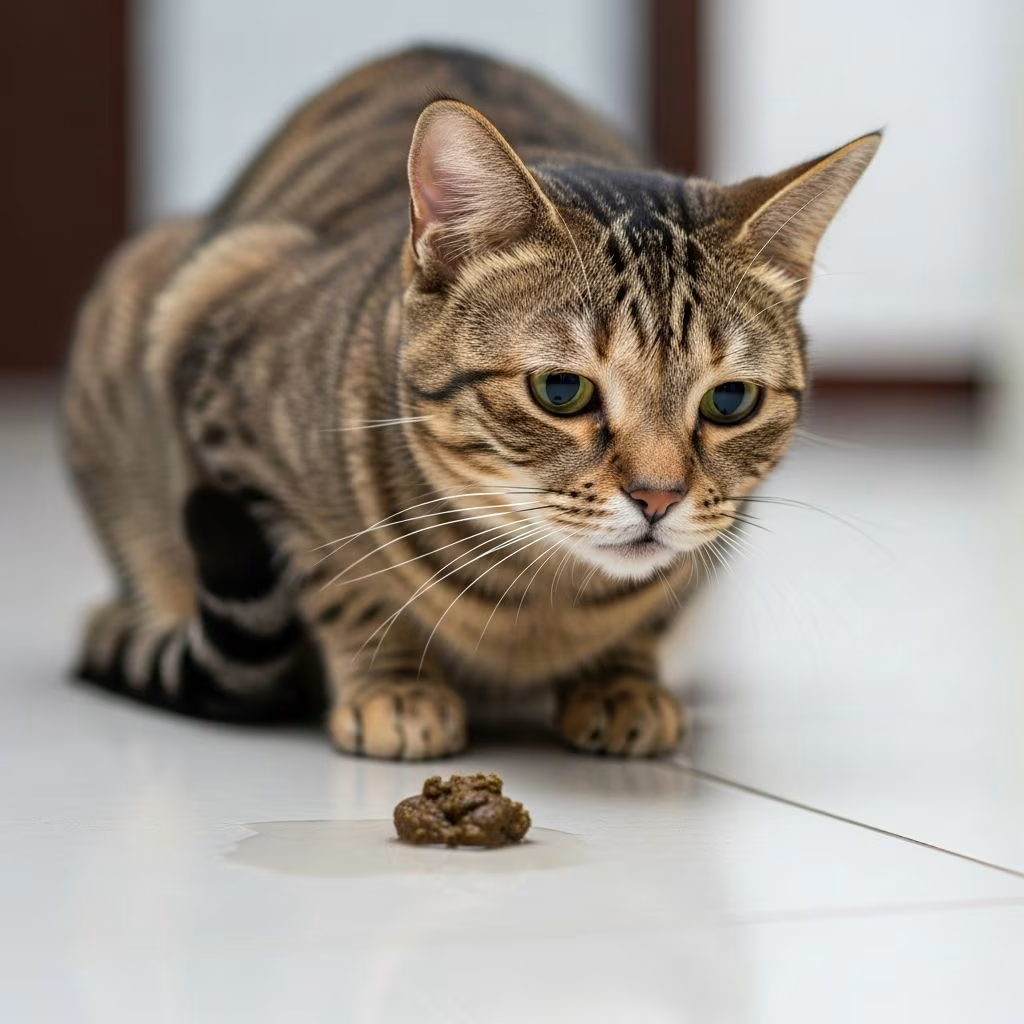
Fecal incontinence in cats refers to the involuntary release of stool, often due to disruptions in bowel control mechanisms. This condition, though uncommon, can significantly affect a cat’s comfort and hygiene, requiring prompt veterinary attention.
Recognizing the Signs of Fecal Incontinence
Early detection of fecal incontinence relies on observing subtle behavioral and physical changes in your cat. Common indicators include stool deposits outside the litter box, unaware droppings during rest or activity, and soiling around the hindquarters.
- Stool leakage or small fecal balls in bedding or around the home
- Redness, inflammation, or excessive licking at the anal area
- Diarrhea or soft stools that escape control
- Changes in tail carriage or hind limb weakness
- Standing near the litter box without entering, followed by accidents
These symptoms often accompany straining or failed attempts at defecation, signaling underlying issues that demand professional evaluation.
Primary Causes Behind Loss of Bowel Control
Fecal incontinence stems from diverse etiologies, broadly categorized into sphincter-related, reservoir, and neurological dysfunctions. Understanding these helps tailor interventions effectively.
Sphincter Incontinence Mechanisms
Sphincter incontinence arises when the anal sphincter fails to maintain closure, allowing fecal leakage. This can result from direct trauma, wounds, masses, or nerve damage affecting sphincter tone. Cats may exhibit small-volume leaks without awareness, often with rectal irritation or drainage.
Reservoir Incontinence Factors
Reservoir incontinence occurs when the colon cannot store feces adequately, leading to urgent defecation. Conditions like proctitis, rectoanal tumors, or colitis impair this capacity, causing aware but uncontrollable urges.
Neurological and Structural Contributors
Neurological disorders disrupt nerve signals essential for bowel control. Spinal cord compression from intervertebral disc disease or lumbosacral stenosis, common in trauma cases, leads to incontinence alongside mobility issues. Congenital defects, such as those in Manx cats, or chronic conditions like megacolon from constipation, further exacerbate problems.
| Cause Category | Examples | Associated Symptoms |
|---|---|---|
| Sphincter Damage | Lesions, nerve injury | Leakage, anal redness |
| Reservoir Failure | Colitis, neoplasia | Urgent defecation |
| Neurological | Spinal stenosis, trauma | Hind weakness, urinary issues |
| Digestive | IBD, diarrhea | Soft stools, weight loss |
Associated Health Conditions Linked to Incontinence
Beyond direct bowel issues, systemic diseases contribute significantly. Inflammatory bowel disease (IBD) and gastrointestinal lymphoma provoke diarrhea too rapid for litter box access. Chronic constipation evolves into megacolon, stretching the colon and impairing control.
Metabolic disorders like diabetes increase urination volume, sometimes mimicking or compounding fecal problems. Infections, including urinary tract infections, indirectly affect continence through pain and urgency. Aging weakens muscles and cognitive function, leading to unaware accidents.
Diagnostic Approaches for Accurate Assessment
Veterinarians employ a multi-step process to pinpoint causes. Initial physical exams check for anal sphincter integrity, rectal tone, and neurological deficits.
- History review: Onset, frequency, stool consistency, and concurrent symptoms
- Rectal examination: Detects masses, inflammation, or strictures
- Imaging: Radiographs or ultrasound reveal spinal issues, megacolon, or tumors
- Neurological tests: Assess reflexes, gait, and tail tone
- Laboratory work: Blood tests for infections, IBD markers, or metabolic imbalances
Advanced diagnostics like colonoscopy or biopsy confirm inflammatory or neoplastic changes.
Treatment Options Tailored to the Cause
Treatment targets the root cause, combining medical, surgical, and supportive therapies. For sphincter issues from trauma, anti-inflammatory drugs or sphincter-preserving surgery may restore function.
Neurological cases benefit from pain management, physical therapy, or anti-spasmodics to enhance nerve recovery. Reservoir problems due to colitis respond to dietary fiber supplements and antibiotics. Chronic diarrhea from IBD requires hypoallergenic diets or immunosuppressants.
Surgical interventions address structural anomalies, such as tumor resection or colostomy in severe neoplasia. Diabetes management stabilizes blood sugar, reducing urgency.
Home Management and Supportive Care
While awaiting veterinary resolution, owners can implement practical aids. Frequent litter box cleaning prevents behavioral aversion, and multiple boxes accommodate mobility limits.
- Clean hindquarters daily with gentle wipes to avoid skin irritation
- Use absorbent bedding or cat diapers for severe cases
- Dietary adjustments: High-fiber foods firm stools; probiotics support gut health
- Environmental enrichment reduces stress-induced exacerbations
Monitor weight, appetite, and stool quality, reporting changes promptly. Physical therapy exercises strengthen hind limbs in neurological cases.
Preventive Measures for Long-Term Bowel Health
Proactive steps mitigate risks. Regular veterinary check-ups detect early signs of constipation or infections. Balanced diets prevent obesity and megacolon.
Avoid household toxins and ensure safe environments to minimize trauma. Spay/neuter reduces hormonal influences on continence in females. Senior cats benefit from routine cognitive assessments.
Prognosis and Living with Chronic Incontinence
Outcomes vary by cause. Reversible issues like infections yield excellent recovery, while spinal damage may require lifelong management. With diligent care, most cats maintain good quality of life. Owners report success through consistent routines and veterinary partnerships.
Frequently Asked Questions (FAQs)
Is fecal incontinence common in cats?
No, it is relatively rare compared to urinary issues, but older or injured cats are more prone[10].
Can diet alone fix fecal incontinence?
Diet helps manage diarrhea or constipation but addresses only symptomatic relief, not underlying neurological causes.
What if my cat suddenly starts leaking stool?
Seek immediate veterinary care, as it may indicate emergencies like blockages or infections.
Are there medications specifically for cat sphincter incontinence?
Yes, including motility modifiers and anti-inflammatories, prescribed based on diagnosis.
How do I clean my incontinent cat safely?
Use pet-safe wipes or warm water with mild soap, drying thoroughly to prevent dermatitis.
Special Considerations for Senior Cats
Aging cats face compounded risks from muscle atrophy, cognitive decline, and comorbidities. Routine screenings and adapted litter boxes (low-sided) enhance independence. Nutritional supplements with omega-3s support nerve health.
In summary, fecal incontinence demands a holistic approach: swift diagnosis, targeted therapy, and compassionate home care ensure affected cats thrive.
References
- Understanding Cat Incontinence: How to Care for an Incontinent Cat — Elspet. 2023-05-15. https://www.elspet.com/blogs/all/understanding-cat-incontinence-care
- Fecal Incontinence in Cats — PetMD. 2024-08-20. https://www.petmd.com/cat/conditions/digestive/fecal-incontinence-cats
- Incontinence in Cats: Causes, Signs & Treatment — Purina. 2023-11-10. https://www.purina.com/articles/cat/health/symptoms/incontinence-in-cats
- Bowel Incontinence in Cats — VCA Animal Hospitals. 2024-02-05. https://vcahospitals.com/know-your-pet/bowel-incontinence-in-cats
- Fecal Incontinence — Veterian Key. 2022-07-12. https://www.veteriankey.com/fecal-incontinence/
- Caring for an Incontinent Cat — Best Friends Animal Society. 2023-09-18. https://bestfriends.org/pet-care-resources/caring-incontinent-cat



