

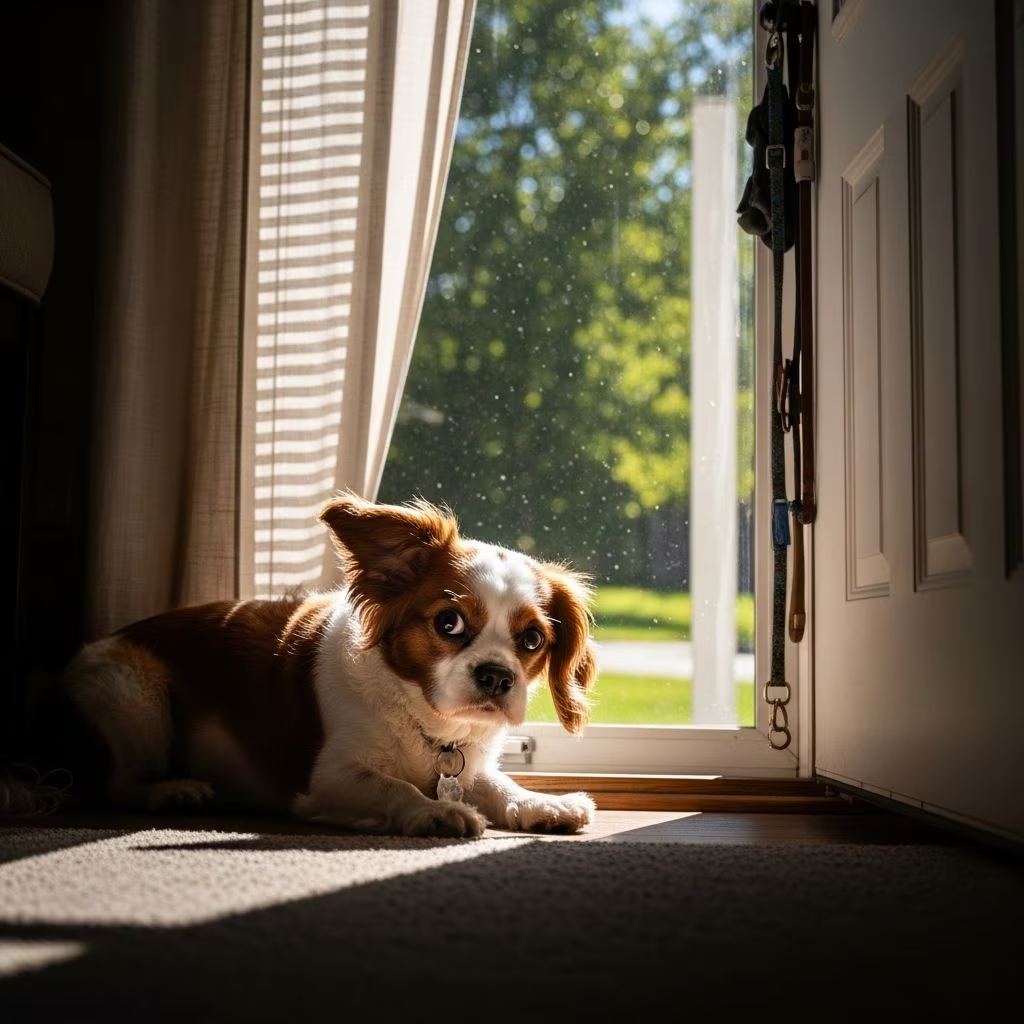
Many pets, especially dogs and cats, develop a fear of the outdoors due to past negative experiences, lack of early socialization, or sudden changes in environment. This phobia can manifest as trembling, hiding, refusal to walk, or aggressive behavior when faced with open spaces, leading to isolation and health issues. Understanding the root causes and applying gradual, positive reinforcement techniques can help pets overcome this fear and enjoy safe outdoor time.
Recognizing Fear of the Outdoors
Pets exhibit fear through body language signals like tucked tails, flattened ears, dilated pupils, pacing, whining, or attempts to flee. In dogs, this often appears as pulling back on the leash or freezing in place; cats may crouch low or hiss at doors leading outside. Early identification prevents escalation into chronic anxiety disorders.
- Physical signs: Shaking, drooling, panting excessively, or loss of bladder control.
- Behavioral cues: Avoidance of doors/windows, cowering behind furniture, or barking at outdoor sounds.
- Severity levels: Mild (hesitation), moderate (panic during outings), severe (complete refusal to exit).
These symptoms worsen in unfamiliar areas or during weather changes, such as storms or high winds, which amplify sensory overload.
Common Causes of Outdoor Fear
Fear often stems from traumatic events like loud noises, abuse, abandonment, or veterinary visits associated with travel. Puppies not socialized between 3-12 weeks miss critical exposure periods, while rescue pets carry baggage from shelters or previous homes. Genetic predispositions in breeds like herding dogs heighten reactivity to novel stimuli.
| Cause | Examples | Affected Pets |
|---|---|---|
| Trauma | Fireworks, car accidents, attacks | Dogs, rescues |
| Lack of Socialization | Indoor-only upbringing | Puppies, kittens |
| Sensory Overload | New smells, traffic noise | Sensitive breeds |
| Medical Issues | Pain, vision/hearing loss | Senior pets |
Addressing underlying health problems first via veterinary check-ups ensures behavioral interventions succeed.
Steps to Overcome Fear
Overcoming outdoor phobia requires patience, consistency, and positive methods. Start indoors and progress slowly, rewarding calm behavior to rewire associations.
1. Create Positive Associations
Pair outdoor cues (door opening) with high-value treats or toys. Sit near the door feeding treats without forcing exit, gradually increasing proximity to threshold.
- Use mealtime near doors/windows.
- Play favorite games by entry points.
- Avoid punishment, which intensifies fear.
2. Desensitization Techniques
Expose pets to mild triggers at sub-threshold levels, increasing intensity over sessions. For door fear, open slightly for seconds, treating heavily, then close.
- Identify lowest fear level (e.g., distant outdoor view).
- Expose for 5-10 seconds, reward.
- Repeat 5-10 times daily, advancing slowly.
- Prevent overwhelm; regress if panic occurs.
3. Counterconditioning
Change emotional response by associating fear triggers with pleasure. Thunder recordings at low volume paired with treats build tolerance.
Progress: Indoor play → Leashed yard → Short walks. Sessions last 5-15 minutes to avoid fatigue.
Building Confidence Outdoors
Boost self-assurance through training and enrichment. Obedience commands like “sit” or “watch me” redirect focus during stress.
- Short, frequent outings: 2-3 minute walks increasing duration.
- Familiar routes first: Neighborhood loops before parks.
- Socialization playdates: Calm dog meetings on neutral ground.
- Enrichment tools: Sniffing games, puzzle toys outdoors.
Tools like anxiety wraps, pheromone collars, or calming supplements aid transition; consult vets for prescriptions if needed.
Safety Precautions During Training
Protect pets during exposure therapy to prevent reinforcement of fear. Use secure harnesses, avoid peak traffic hours, and monitor weather.
- Never force progress; end on positive note.
- Supervise closely to prevent escapes.
- Clean paws post-walk to avoid irritants like salt.
- Prepare emergency kits with ID, meds, water.
For cats, harness training enables safe garden exploration, starting with indoor dragging acclimation.
Professional Help Options
If home efforts fail after 4-6 weeks, seek certified trainers or veterinary behaviorists. They employ advanced protocols like medication-assisted desensitization for severe cases.
- Trainers: Force-free, positive reinforcement specialists.
- Behaviorists: Vets with Diplomate status (ACVB).
- Resources: ASPCA behavior helpline, local shelters.
Success rates exceed 80% with professional intervention, restoring outdoor enjoyment.
Preventing Fear in Puppies and Kittens
Proactive socialization averts issues. Expose young pets to varied outdoor stimuli daily from 8 weeks, using treats and play.
- Controlled park visits, car rides, strangers.
- Positive-only experiences.
- Enroll in puppy/kitten classes.
Maintain routine vaccinations and health checks to build resilience.
Frequently Asked Questions (FAQs)
Why is my dog afraid of the outdoors suddenly?
Sudden onset often links to trauma like storms, injury, or aging sensory decline. Vet exam rules out pain.
How long does desensitization take?
Weeks to months, depending on severity. Consistency yields 50% improvement in 2-4 weeks.
Can medication cure outdoor fear?
Medications manage symptoms alongside behavior mod; not standalone cures. Vet-prescribed SSRIs help severe anxiety.
Is outdoor fear common in cats?
Yes, especially indoor rescues. Harness training enables gradual exposure.
What if my pet panics during training?
Stop immediately, comfort calmly, regress to easier step. Remove trigger source.
Long-Term Maintenance
Sustained progress demands ongoing reinforcement. Monthly outings to new areas, continued rewards, and stress monitoring prevent relapse. Integrate outdoor time into routines for confidence solidification.
Pet owners report 90% success sustaining gains through lifestyle integration post-training. Monitor for seasonal triggers like fireworks or winter cold, adapting strategies accordingly.
References
- ASPCA Urges Pet Owners to Take Precautions as Record-Breaking Winter Storms Sweep — ASPCA. 2023-01-15. https://www.aspca.org/about-us/press-releases/aspca-urges-pet-owners-take-precautions-record-breaking-winter-storms-sweep
- Hot Weather Safety Tips — ASPCA. 2024-06-01. https://www.aspca.org/pet-care/general-pet-care/hot-weather-safety-tips
- The Great Outdoors and Your Pet: Staying Safe and Environmentally Conscious — ASPCA. 2023-05-20. https://www.aspca.org/news/great-outdoors-and-your-pet-staying-safe-and-environmentally-conscious
- 5 Expert Tips to Keep Your Pet Safe This Summer — ASPCA. 2024-07-10. https://www.aspca.org/news/5-expert-tips-keep-your-pet-safe-summer
- Summer Guide for Dogs — ASPCA Pet Health Insurance. 2024-05-15. https://www.aspcapetinsurance.com/resources/summer-guide-for-dogs/



