

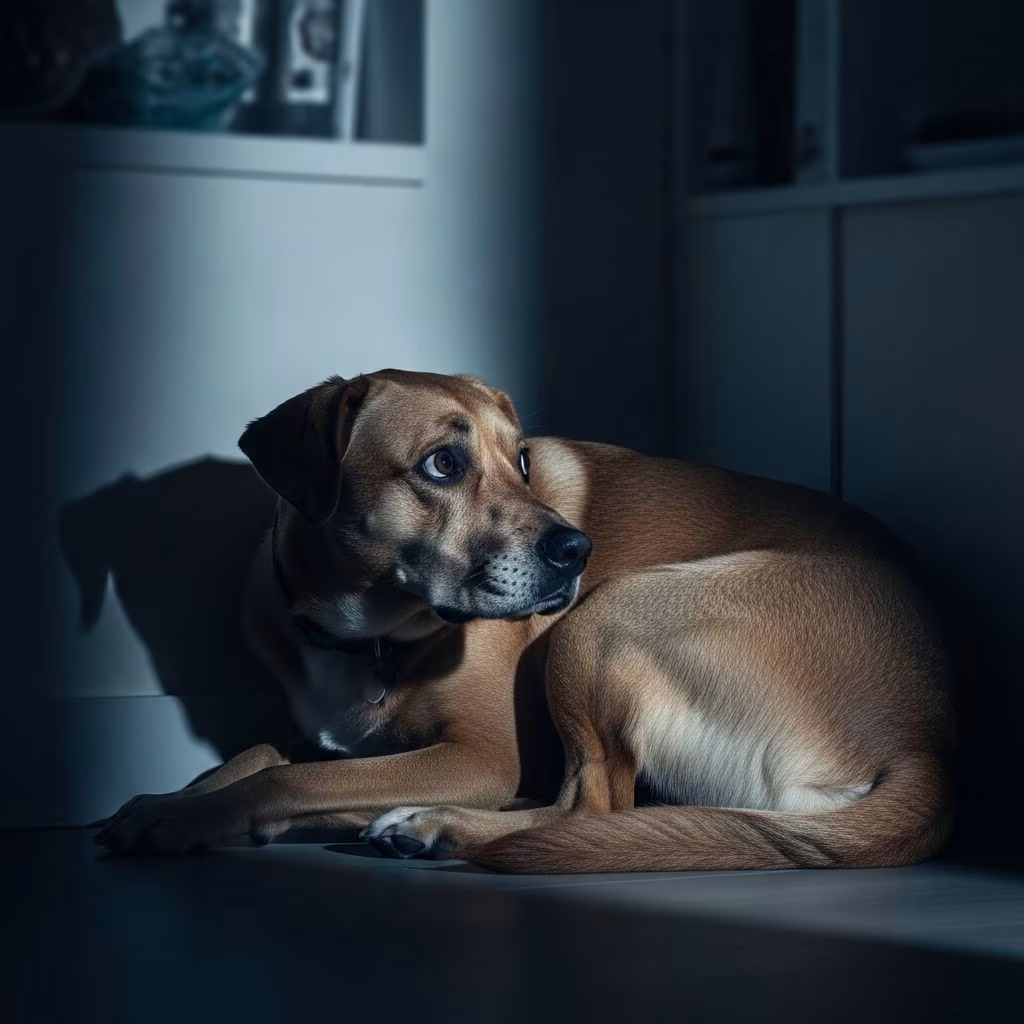
Understanding Fear of Noises and Places in Dogs
Fear of noises and unfamiliar places is one of the most common behavioral problems affecting pet dogs today. Approximately 1 in 3 dogs experience some form of noise aversion, making it a significant welfare concern that deserves proper attention and treatment. Dogs experiencing these fears are not simply being difficult or stubborn—they are genuinely suffering from anxiety that can severely impact their quality of life and overall well-being. Understanding the underlying causes, recognizing the symptoms, and implementing appropriate treatment strategies can help your dog overcome these challenges and live a happier, more comfortable life.
What is Noise Aversion and Place Anxiety?
Noise aversion, also known as noise phobia, is an extreme fear response to specific sounds that goes far beyond normal startle reactions. Unlike a typical response to a sudden loud noise, noise aversion is characterized by a panic-like state that significantly interferes with the dog’s daily functioning. Similarly, fear of places refers to anxiety triggered by specific environments or locations, such as veterinary clinics, grooming facilities, car interiors, or even certain rooms in the home.
When a dog experiences noise aversion, they are essentially having a panic attack comparable to what humans experience during acute anxiety episodes. The dog’s body responds with intense physiological and behavioral reactions that go far beyond what would be considered a normal startle response. This condition is recognized as a serious medical concern that warrants professional evaluation and treatment.
Common Triggers for Noise and Place Fears
Understanding what triggers your dog’s fear is the first step toward managing and treating the condition. The most common noise triggers include:
- Thunderstorms and associated sounds (thunder, wind, rain)
- Fireworks and firecrackers
- Gunshots and shooting ranges
- Vacuum cleaners and household appliances
- Sirens from emergency vehicles
- Construction and heavy machinery noise
- Doorbell and knocking sounds
Place-related fears can develop in response to veterinary clinics, grooming facilities, vehicles, unfamiliar homes, or any environment associated with a negative experience. Some dogs may also develop generalized anxiety in public spaces or crowded environments.
Causes of Noise Aversion and Place Anxiety
The exact causes of noise aversion are not fully understood, but research has identified several contributing factors that may increase a dog’s susceptibility to developing these fears.
Genetic Predisposition
Genetics appears to play a significant role in noise aversion susceptibility. Certain breeds, particularly pointers and herding breeds, show higher predisposition to noise-related fears. The involvement of multiple genes likely explains the variety of presentations and severity levels observed across different dogs. Some dogs may inherit a predisposition toward anxiety disorders that make them more vulnerable to developing fear responses to specific stimuli.
Early Exposure and Habituation
Early exposure to various noises and environments plays a crucial role in whether a dog develops aversions. Puppies who experience a wide range of sounds and places during their critical socialization period (between 3 and 14 weeks of age) are more likely to habituate to these stimuli. Conversely, lack of early exposure can leave dogs vulnerable to fear responses when they encounter these sounds later in life. The absence of habituation, combined with potential dishabituation or sensitization, can lead to the development of noise aversion.
Traumatic Experiences
A single traumatic event associated with a specific sound or place can trigger the development of phobia. For example, a dog who experiences a frightening event during a thunderstorm may develop lasting fear of storms. These traumatic associations can be particularly powerful in shaping fear responses, and once established, they can be difficult to overcome without professional intervention.
Underlying Health Conditions
Various health issues can contribute to or exacerbate anxiety and fear responses in dogs. Endocrine diseases, cardiovascular conditions, neurological problems, chronic pain, and cognitive dysfunction can all potentially increase a dog’s susceptibility to developing fears. Additionally, changes in health and brain chemistry that occur as dogs age can lead to the development of new anxieties in previously confident dogs.
Sensitization Effects
Fear is enhanced by repeated exposure to the sound stimulus, particularly when the dog is in a state of panic. Each exposure can potentially strengthen the fear response rather than diminish it, a phenomenon known as sensitization. This is why dogs with untreated noise aversion often develop progressively more severe symptoms over time.
Signs and Symptoms of Noise and Place Fears
Recognizing the signs of noise aversion and place anxiety is essential for early diagnosis and intervention. Symptoms can vary widely in severity and may include both behavioral and physiological manifestations:
- Trembling, shaking, or tremors
- Excessive panting and drooling
- Pacing and restlessness
- Attempts to escape or hide
- Destructive behavior directed toward doors, windows, or furniture
- Excessive barking, whining, or vocalization
- Loss of appetite or refusal to eat
- Inappropriate urination or defecation
- Dilated pupils and wide eyes
- Freezing or becoming unresponsive
- Attempting to climb or burrow into spaces
- Refusal to leave safe spaces
- Self-injurious behavior in severe cases
In severe cases, high levels of panic may result in self-harm, property damage, or harm to others. These severe presentations indicate the need for immediate professional intervention.
Consequences of Untreated Noise Aversion
Leaving noise aversion untreated can lead to serious complications and deterioration of the dog’s condition. If left untreated, noise aversion can progress to fear of multiple types of noises, with signs becoming increasingly more severe. Dogs may require longer recovery periods after each noise event, and the condition can lead to development of other comorbidities, such as separation anxiety or generalized anxiety disorder. The dog’s overall quality of life diminishes significantly, and the emotional burden on both the pet and the owner increases.
Diagnosis and Assessment
Proper diagnosis of noise aversion requires a thorough evaluation by a veterinarian. The process typically includes a comprehensive medical history, physical examination, and assessment of the dog’s behavioral responses. Your veterinarian will ask detailed questions about when the fear began, what specific triggers elicit the response, severity of symptoms, and how the condition affects your dog’s daily life.
It is important to understand that dogs experiencing noise aversion are genuinely suffering, and therefore noise aversion should be considered an important medical condition rather than a behavioral quirk or character flaw. A proactive approach to diagnosis and early intervention is crucial for preventing progression of the condition.
Some veterinarians may recommend additional diagnostic testing to rule out underlying medical conditions that could be contributing to anxiety, such as thyroid dysfunction, neurological disorders, or other systemic health issues.
Treatment Approaches for Noise Aversion and Place Anxiety
After diagnosis, a multimodal treatment plan tailored to your individual dog’s needs can be developed. The most effective approach typically combines environmental management, behavior modification, and pharmacologic treatment.
Environmental Management
Environmental management focuses on minimizing the dog’s exposure to fear triggers and creating a safe, comfortable space during anxiety-inducing situations. Strategies include:
- Closing blinds and curtains to reduce visual stimuli and noise
- Moving the pet to a soundproof or well-insulated inner room during triggering events
- Playing soft, calming music to mask fearful noises
- Creating a designated safe haven or den-like space where the dog can retreat
- Using pheromone products designed to promote calmness
- Employing wearable anxiety aids or compression garments
- Distracting the dog with favorite toys or engaging indoor activities
- Maintaining a calm, reassuring demeanor during noise events
While environmental management is important and should always be part of a comprehensive treatment plan, it alone is typically not sufficient to resolve noise aversion. It serves as an important first step and should be combined with other therapeutic interventions.
Behavior Modification Techniques
Behavior modification represents a long-term approach to helping dogs overcome their fears by creating new, positive associations with fear-triggering stimuli. Two primary techniques are used:
Desensitization
Desensitization involves gradually exposing the dog to the feared stimulus at increasingly higher intensities. This is typically accomplished using commercially available CDs or smartphone applications that reproduce recordings of thunderstorms, fireworks, and other common noise triggers. The process begins at very low volumes—often so quiet that humans can barely hear the sound—while the dog is relaxed or engaged in enjoyable activities. Over weeks or months, the volume is gradually increased, allowing the dog’s nervous system to gradually acclimate to the stimulus. This technique requires patience and consistency, as the process can take several weeks or even months to achieve meaningful results.
Counterconditioning
Counterconditioning involves changing the dog’s emotional response to the feared stimulus by creating positive associations with it. This is accomplished by providing rewards such as high-value treats, favorite toys, or play opportunities during or immediately following exposure to the feared sound. Over time, the dog’s automatic fear response is replaced with positive anticipation. For example, instead of trembling during thunderstorm sounds, the dog may begin to look for treats or engage in play. Counterconditioning can be tailored to the individual patient’s preferences and may be even more effective when combined with desensitization techniques.
Relaxation Training
Relaxation training teaches dogs to deliberately adopt calm body positions and behaviors. This might include training the dog to lie on a mat, rest their head, extend their hind legs, or lie on their side—all signals of genuine relaxation. When these behaviors are reinforced with rewards, the dog learns to associate these positions with positive outcomes. Studies show that approximately 69% of owners who used relaxation training reported it helped their dogs, a success rate comparable to counterconditioning and anxiolytic medication.
Pharmacologic Treatment
Since noise aversion is fundamentally a neurologic disease, pharmacologic treatment is often necessary and should be initiated early in the treatment process. Several medication options are available and should be prescribed by a veterinarian:
- Anxiolytic medications: These anti-anxiety drugs help reduce the intensity of panic responses and create a state in which behavior modification can be more effective
- Behavior-modifying medications: Some medications are specifically designed to help with behavioral issues and may be used in conjunction with training
- Short-acting sedatives: Used strategically for severe cases or during particularly stressful events
It is crucial to never use human medications or any medication not prescribed by your veterinarian. Consultation with a veterinary behaviorist can help in developing an optimal treatment plan tailored to your dog’s specific needs and medical history.
Combination Therapy for Best Results
The most effective treatment approach combines environmental management, behavior modification, and medication when appropriate. In severe cases where the dog experiences intense panic, self-harm, destructive behavior, or complete dysfunction during noise events, all three approaches are often necessary to achieve the best outcomes. A treatment plan should be developed collaboratively between you, your veterinarian, and potentially a certified animal behaviorist.
Prevention of Noise Aversion
Prevention is often more effective than treatment, and proactive measures during puppyhood can help prevent the development of noise fears. Preventative training appears to be highly effective in preventing the development of noise fears in both puppies and adult dogs. Key preventative strategies include:
- Exposing puppies to a wide variety of sounds and environments during the critical socialization period
- Pairing exposures to various stimuli with positive experiences and rewards
- Avoiding reinforcement of fearful behavior through excessive consolation
- Teaching relaxation and confidence-building skills early
- Maintaining consistent, calm responses to stressful situations
What NOT to Do
While treating noise aversion, certain practices should be avoided as they can actually worsen the condition:
- Avoid excessive consoling or coddling during fear episodes, as this can inadvertently reinforce fearful behavior
- Do not punish fearful behavior—punishment increases anxiety and can worsen the phobia
- Avoid forcing the dog to face their fears without proper professional guidance
- Do not use untested or unproven remedies without veterinary consultation
- Never assume the dog will \”outgrow\” the fear without intervention
The Role of Professional Help
Working with a certified animal behaviorist or veterinary behaviorist can significantly improve treatment outcomes. These professionals can provide individualized assessment, develop customized treatment protocols, supervise behavior modification training, and adjust medication as needed. They can also help owners understand their own responses to their dog’s anxiety and ensure that well-intentioned actions aren’t inadvertently worsening the condition.
Prognosis and Long-Term Management
Once noise aversion is present in a dog, it is rarely cured completely. However, the goal of comprehensive treatment is to significantly decrease the symptoms and substantially improve the dog’s quality of life. With appropriate multimodal treatment, most dogs show meaningful improvement. Some dogs may eventually reach the point where noise events cause only mild anxiety, while others may always retain some level of sensitivity. The key is ongoing management and maintenance of the treatment plan.
Frequently Asked Questions
Q: Is noise aversion contagious between dogs?
A: Noise aversion itself is not contagious, but an anxious dog may lead to increased anxiety in other dogs through a stress-contagion effect. Managing one dog’s anxiety can help prevent other pets in the household from developing secondary anxiety issues.
Q: How long does behavior modification training take?
A: The timeline varies significantly depending on the severity of the condition and the dog’s individual responsiveness to treatment. Some dogs may show improvement in weeks, while others may require months of consistent training. Desensitization particularly can take several weeks to months to achieve meaningful results.
Q: Can older dogs develop noise aversion?
A: Yes, changes in health and brain chemistry that occur as dogs age can lead to the development of new anxieties in previously confident dogs. Senior dogs may develop noise fears later in life due to cognitive dysfunction or other age-related health changes.
Q: Are there alternative remedies that work for noise aversion?
A: While many products such as nutraceuticals, herbal remedies, pheromones, homeopathy, Bach flowers, and essential oils are marketed for anxiety relief, scientific evidence indicates that most of these are not powerful enough to help dogs overcome serious noise fears and should not be relied upon as primary treatments.
Q: Should I comfort my dog during thunderstorms or fireworks?
A: This is a common misconception. While you should maintain a calm demeanor and allow your dog access to their safe space, excessive consoling or coddling during fear episodes can inadvertently reinforce the fearful behavior. Instead, focus on maintaining a calm environment and redirecting attention to positive activities when possible.
Q: What is the difference between normal startle and noise aversion?
A: Normal startle responses are brief and typically resolve quickly once the stimulus passes. Noise aversion involves intense, prolonged panic responses that significantly interfere with the dog’s functioning and may include self-injury, destructive behavior, or inability to function for extended periods.
References
- Noise Aversion: Stop the Suffering with Early Diagnosis and Treatment — Today’s Veterinary Practice. 2024. https://todaysveterinarypractice.com/sponsored/noise-aversion-stop-the-suffering-with-early-diagnosis-and-treatment/
- Therapy and Prevention of Noise Fears in Dogs—A Review of the Literature — National Center for Biotechnology Information (NIH). 2023. https://pmc.ncbi.nlm.nih.gov/articles/PMC10705068/
- Noise Aversion in Dogs – Causes, Treatment and Prevention — Vetster. 2024. https://vetster.com/en/conditions/dog/noise-aversion-in-dogs
- Noise Phobias in Dogs — People’s Dispensary for Sick Animals (PDSA). 2024. https://www.pdsa.org.uk/pet-help-and-advice/pet-health-hub/conditions/noise-phobias-in-dogs
- The Treatment of Noise Phobic Dogs — Veterinary Practice. 2024. https://www.veterinary-practice.com/article/the-treatment-of-noise-phobic-dogs
- Noise Phobia in Dogs – Signs, Symptoms, Diagnosis and Treatment — Ceva Connect. 2024. https://www.cevaconnect.com/ce-r001/click/
- Noise Aversion and Phobia — Dr. Lisa Radosta, Board-Certified Veterinary Behaviorist. 2024. https://drlisaradosta.com/noise-aversion-and-phobia/



