

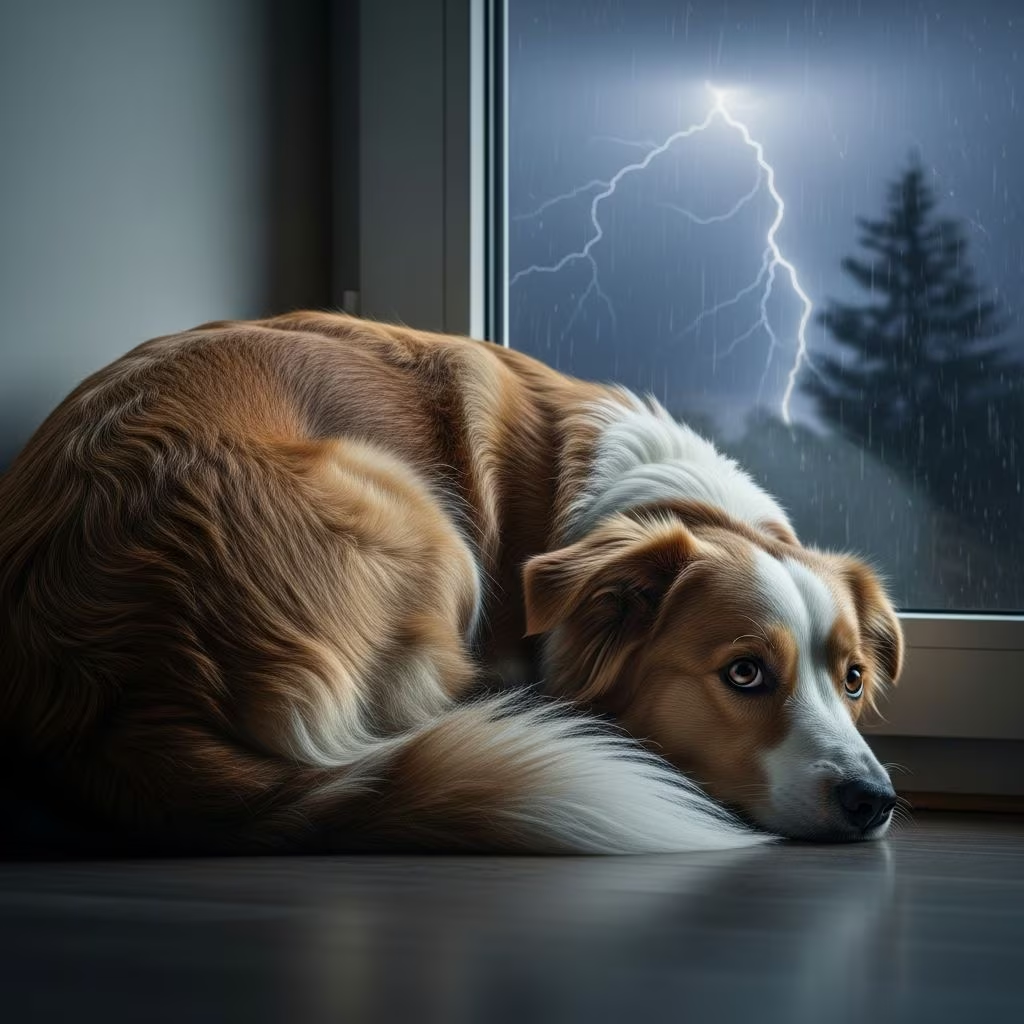
Many dogs experience intense anxiety from everyday or seasonal loud noises, affecting up to one-third of the canine population and significantly impacting their well-being if untreated. This condition, often manifesting during thunderstorms, fireworks, or even household appliances, ranges from mild unease to severe panic that persists long after the sound ends.
Understanding Canine Noise Sensitivity
Noise aversion represents an exaggerated fear response that goes beyond normal startle reactions, potentially leading to physical exhaustion and secondary behavioral issues. Unlike adaptive fear, which helps dogs avoid real dangers, phobic responses disrupt daily life and can generalize to other stimuli over time. Veterinary experts emphasize early recognition to prevent progression, noting that untreated cases often worsen with repeated exposure.
Primary Triggers for Noise Fears
Dogs may react to a variety of sounds, but certain ones provoke the strongest responses due to their intensity or unpredictability.
- Thunderstorms: Combining loud booms with flashing lights and pressure changes, these events trigger panic in many dogs.
- Fireworks: Explosive bangs and whistles during celebrations cause widespread distress, especially without prior exposure.
- Gunshots: Sudden sharp reports from hunting or sporting events heighten fears in sensitive breeds.
- Household Noises: Vacuum cleaners, hair dryers, or car horns can spark reactions if not habituated early.
These triggers often coincide with environmental cues, amplifying the dog’s perceived threat.
Recognizing the Signs of Distress
Observing your dog’s body language during noisy events provides crucial clues to their emotional state. Symptoms vary by severity, from subtle cues to overt panic.
| Severity Level | Common Behaviors |
|---|---|
| Subtle | Lip licking, yawning, ear pinning, mild panting |
| Moderate | Trembling, hiding, cowering, excessive vocalization |
| Severe | Pacing, escape attempts, destructive chewing, indoor elimination |
Severely affected dogs may remain agitated for hours or days post-event, refusing food or sleep. Recovery time serves as a key indicator: quick bounce-back suggests manageable fear, while prolonged distress signals a phobia needing intervention.
Root Causes Behind Noise Phobias
The development of noise fears involves a mix of inherent and experiential factors, with no single cause identified.
- Genetic Predisposition: Certain breeds, like herding dogs (e.g., Border Collies), show higher susceptibility, possibly due to multiple genes influencing anxiety thresholds.
- Early Life Experiences: Puppies lacking exposure during the critical 3-14 week socialization window often develop aversions later.
- Traumatic Incidents: A single startling event, such as a loud bang during youth, can imprint lasting fear.
- Health-Related Factors: Pain from conditions like arthritis or ear infections lowers tolerance, while aging dogs face heightened sensitivity from cognitive changes or hearing loss.
Maternal influence during puppyhood can also transmit anxious behaviors, underscoring the role of environment in early development. Repeated sub-threshold exposures without recovery may sensitize dogs further.
Health Impacts of Unaddressed Fears
Beyond emotional toll, chronic noise phobia elevates stress hormones, leading to weakened immunity, gastrointestinal issues, and muscle fatigue. Panic-driven escapes risk injuries like broken teeth or lacerations from jumping through windows. Over time, dogs may develop comorbidities such as separation anxiety or generalized fear, compounding welfare concerns. Senior dogs newly exhibiting symptoms warrant veterinary screening for underlying medical issues.
Diagnostic Steps for Pet Owners
Consult a veterinarian to rule out medical contributors before behavioral assessment. Track episodes noting triggers, duration, intensity, and recovery to gauge severity. Professionals use standardized scales evaluating reaction scope and persistence, distinguishing phobia from normal caution. Bloodwork or imaging may identify pain or neurological factors in late-onset cases.
Proven Management Strategies
Treatment combines behavioral, environmental, and pharmacological approaches tailored to the dog’s needs. Start with non-invasive methods for best long-term outcomes.
Environmental Modifications
- Provide a quiet, fortified safe space like a covered crate with familiar bedding.
- Mask sounds using white noise machines, fans, or calming music.
- Exercise preemptively to reduce baseline anxiety before known trigger periods.
Behavioral Therapies
Desensitization and counterconditioning form the cornerstone, gradually exposing dogs to low-volume recordings paired with rewards. Relaxation protocols teach calm responses through progressive training. Consistency yields results over weeks to months, preventing reliance on medication alone.
Pharmacological Support
For acute events, vets may prescribe anxiolytics, but these complement rather than replace behavior plans. Timing doses before predictable noises maximizes efficacy while minimizing side effects.
Prevention for Puppies and Young Dogs
Proactive socialization introduces controlled noises during sensitive periods, building resilience. Pair sounds with play or treats to foster positive associations from an early age. Preventative programs significantly lower phobia incidence in at-risk litters.
Long-Term Outlook and Monitoring
With early intervention, most dogs achieve substantial improvement, regaining normalcy during noisy times. Regular check-ins track progress, adjusting protocols as needed. Owners play a pivotal role through patience and observation, fostering a secure bond that aids recovery.
Frequently Asked Questions
Can all dogs outgrow noise fears?
No, untreated phobias typically intensify; structured intervention is essential for lasting change.
Is medication the only solution for severe cases?
Medication supports but does not replace behavioral therapy, which addresses root causes.
How do I prepare for fireworks season?
Implement safe spaces, desensitization in advance, and consult your vet for tailored plans.
Why does my senior dog suddenly fear noises?
Age-related changes or pain often contribute; a vet exam is crucial.
Are some breeds more prone?
Yes, herding breeds show higher rates due to genetic factors.
References
- Noise phobias in dogs — PDSA. 2023. https://www.pdsa.org.uk/pet-help-and-advice/pet-health-hub/conditions/noise-phobias-in-dogs
- Noise Aversion in Dogs – Causes, Treatment — Vetster. 2024. https://vetster.com/en/conditions/dog/noise-aversion-in-dogs
- Noise Aversion: Stop the Suffering with Early Diagnosis — Today’s Veterinary Practice. 2023. https://todaysveterinarypractice.com/sponsored/noise-aversion-stop-the-suffering-with-early-diagnosis-and-treatment/
- Fear of Noises in Dogs — VCA Animal Hospitals. 2024. https://vcahospitals.com/know-your-pet/fear-of-noises-and-places-in-dogs
- Noise Aversion in Pets: Causes, Signs, and How to Help — AAHA. 2023. https://www.aaha.org/resources/safe-and-sound-noise-aversion-in-pets/
- Therapy and Prevention of Noise Fears in Dogs—A Review — PMC (Peer-reviewed). 2023-12-01. https://pmc.ncbi.nlm.nih.gov/articles/PMC10705068/



