

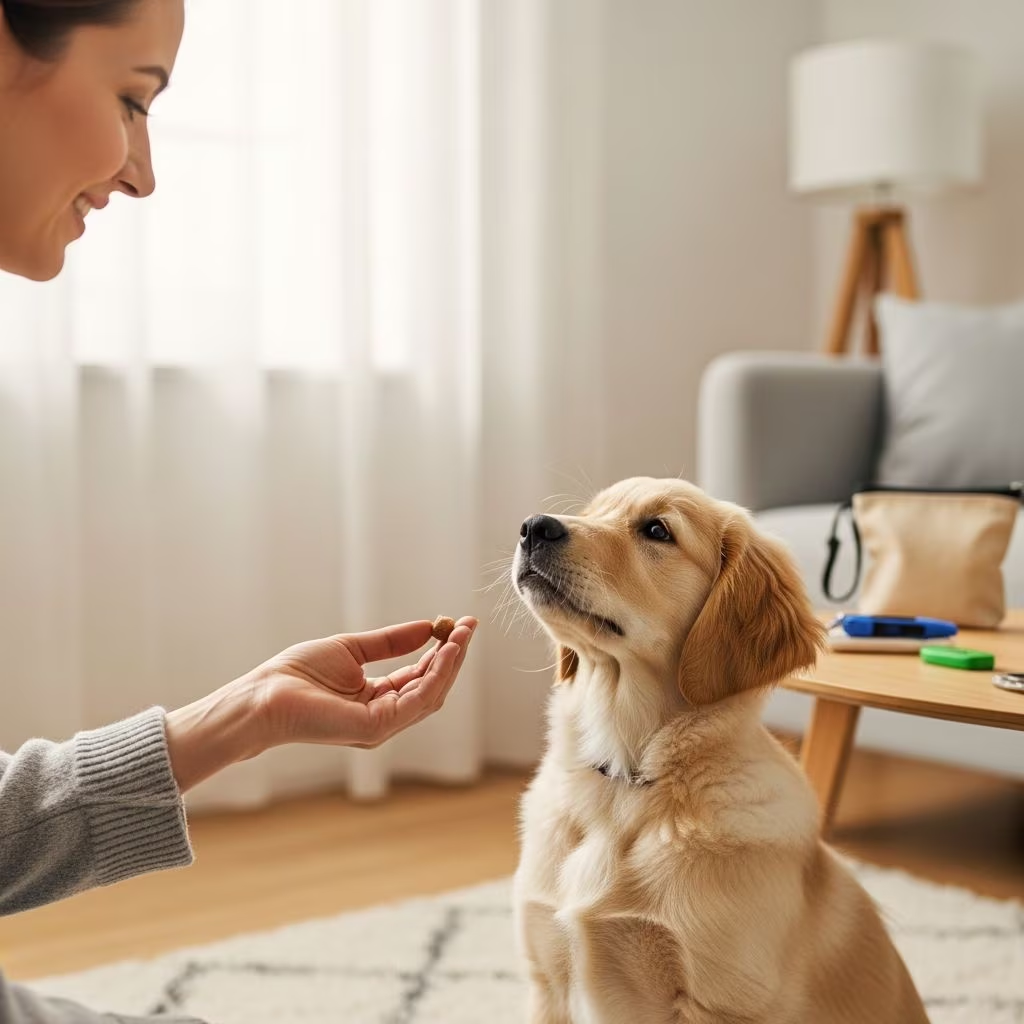
Modern dog training has shifted away from outdated dominance-based approaches toward methods that prioritize the animal’s emotional well-being. Fear-free training focuses on creating positive associations, reducing anxiety, and fostering trust between dogs and their owners. This approach, supported by veterinary behaviorists and animal welfare experts, uses science-backed strategies to encourage desired behaviors without instilling fear or using force.
Understanding the Foundations of Fear-Free Training
Fear-free training emerges from a philosophy that recognizes dogs as sentient beings capable of complex emotions. Traditional methods often relied on intimidation, such as leash jerks or alpha rolls, which research shows can increase aggression and long-term anxiety. In contrast, fear-free practices build on empathy, observing subtle cues like lip licking, yawning, or avoidance to prevent stress escalation.
Key to this method is the recognition that stress hormones like cortisol impair learning. By minimizing these, dogs remain receptive to guidance. Pioneers in veterinary medicine have championed this shift, emphasizing environments that promote relaxation through familiar scents, soft lighting, and predictable routines.
Core Components of Positive Reinforcement
At the heart of fear-free training lies positive reinforcement, where rewards follow good choices to make them repeatable. Treats, praise, or play serve as motivators, helping dogs associate commands with pleasant outcomes. This differs from punishment, which suppresses behavior temporarily but risks eroding the human-animal bond.
- Reward Timing: Mark the exact moment of success with a word like ‘yes’ or a clicker, followed immediately by a reward.
- High-Value Rewards: Use preferred items like soft treats or favorite toys to maintain engagement.
- Varied Reinforcement: Mix reward types to prevent predictability and sustain motivation.
Studies from veterinary behaviorists confirm that positive methods reduce owner-directed aggression compared to aversive techniques. This makes them safer, especially for sensitive or rescue dogs.
Recognizing and Managing Stress Signals
Dogs communicate discomfort through body language. Early identification allows proactive intervention. Common signs include whale-eye (whites of eyes visible), stiff posture, or displaced chewing.
| Stress Signal | Description | Response Strategy |
|---|---|---|
| Tail Tucking | Tail pulled between legs | Remove from trigger, offer calm space |
| Panting Excessively | Heavy breathing without exertion | Provide water, use pheromone diffuser |
| Avoidance | Turning head or backing away | Slow introduction, pair with treats |
| Yawning | Repeated, non-sleepy yawns | Pause session, add enrichment toy |
Addressing these promptly prevents shutdown or reactive outbursts, creating a foundation for effective learning.
Building Trust Through Gentle Handling
Gentle control techniques replace forceful restraint. Instead of scruffing, use towel wraps or cooperative care exercises where dogs learn to accept touch voluntarily. Start with low-pressure areas like the chest, progressing to paws or ears only after consent signals like relaxed muscles.
For veterinary or grooming prep, desensitization works wonders: pair handling with rewards over multiple short sessions. This builds positive predictions, reducing flight responses. Even in emergencies, prioritize stabilization that maintains dignity, such as supportive positioning rather than pinning.
Practical Exercises for Everyday Training
Implement fear-free methods with simple, progressive drills. The ‘Off’ cue teaches impulse control: present a treat in a closed fist, reward when the dog backs away. Gradually open the hand or place treats on the floor, covering if needed, and cue ‘Off’ before rewarding from another source.
- Hold treat under nose; wait for disengagement.
- Mark with ‘Yes!’ and deliver superior reward.
- Add verbal cue; practice in distractions like walks.
- Apply to real scenarios: squirrels, door greetings, or toy nudges.
This exercise not only curbs grabbing but teaches delayed gratification, a vital skill for polite interactions.
Creating a Supportive Home Environment
A calm home amplifies training success. Designate a safe retreat with soft bedding and familiar items. Introduce novelties gradually: new people at a distance, then closer with treats. Consistency in routines reassures dogs, while background music or white noise masks startling sounds.
For fearful rescues, patience is key. Short, frequent sessions prevent overwhelm. Track progress in a journal to celebrate small wins, reinforcing your commitment.
Advanced Applications: Handling Reactivity
Reactive dogs benefit immensely from fear-free protocols. Use counter-conditioning: pair triggers (e.g., passing dogs) with high-value rewards at sub-threshold distances. Over time, the trigger predicts good things, reshaping emotional responses.
Engagement games redirect focus: ‘Look at me’ with jackpots for compliance amid distractions. This strengthens the handler as a safe anchor, diminishing fear-driven lunges.
Common Myths and Misconceptions
Myth: Fear-free means no boundaries. Reality: Negative punishment (withholding rewards) sets clear expectations without force.
Myth: It takes longer. Reality: Initial trust-building accelerates long-term compliance, as motivated dogs learn faster.
Myth: Only for professionals. Reality: Accessible tools like clickers and treats empower any owner.
Integrating Fear-Free into Vet and Grooming Visits
Prepare dogs with mock visits: car rides with treats, then table handling. Request fear-free certified providers who use enrichment like lick mats during exams. Pharmaceuticals like ‘Chill Protocols’ aid severe cases, prescribed by vets.
Benefits for Long-Term Well-Being
Dogs trained this way exhibit lower cortisol, better focus, and robust owner bonds. Owners report fewer behavioral issues and deeper joy in companionship. Science underscores reduced aggression risks, making it ideal for families and multi-pet homes.
Frequently Asked Questions (FAQs)
What makes fear-free training different from force-free?
Fear-free encompasses force-free by avoiding coercion while adding stress mitigation and empathy focus.
Can I use this for puppies?
Absolutely; early adoption prevents fear periods from solidifying bad habits.
What if my dog is aggressive?
Consult a certified professional; these methods reduce risks but require expertise for safety.
Do I need special tools?
Basics like treats and a clicker suffice; pheromone collars enhance results.
How long until I see results?
Weeks for basics, months for reactivity; consistency is crucial.
Steps to Get Started Today
Begin observing your dog’s signals, stock rewards, and practice one exercise daily. Join online communities or seek certified trainers for guidance. Your investment yields a confident, joyful companion.
References
- A Look Inside Fear-Free Practices — AAHA. 2024-03-01. https://www.aaha.org/trends-magazine/march-2024/a-look-inside-fear-free-practices/
- The Fear Free Philosophy: Building Trust and Putting Animals at Ease — Pet Butler. 2023-01-15. https://www.petbutler.com/the-fear-free-philosophy-building-trust-and-putting-animals-at-ease/
- Learning Theory 101: Modern Training Techniques — Fear Free Happy Homes. 2024-02-20. https://www.fearfreehappyhomes.com/learning-theory-101-modern-training-techniques/
- Fear-Free Dog Training Methods — Whole Dog Journal. 2023-11-10. https://www.whole-dog-journal.com/training/fear-free-dog-training-methods/



