My Favorite Tips for Rat Care: Expert Guide
Master rat care with expert tips covering housing, diet, handling, and enrichment.
My Favorite Tips for Rat Care: A Complete Guide to Keeping Your Rats Happy and Healthy
Rats are clean, friendly, playful, and quiet companions that are uniquely responsive to their owners. They make wonderful pets for those willing to invest time and effort into their care. Whether you’re a first-time rat owner or an experienced caretaker, understanding the fundamentals of proper rat care can significantly improve the quality of life for your furry friends. This comprehensive guide shares expert tips and best practices for creating an optimal environment for your pet rats, from housing and nutrition to handling and enrichment.
Understanding Your Pet Rats
Before diving into specific care tips, it’s important to recognize that rats are social, intelligent creatures with distinct personalities. They require more attention and care than many people realize, but the reward of having a responsive, affectionate pet makes the effort worthwhile. Rats can live between 2 to 3 years, and during that time, they thrive in environments where their physical, mental, and social needs are consistently met.
Housing Essentials for Your Pet Rats
The foundation of good rat care begins with appropriate housing. Your rats’ cage is their home, and it should be designed to support their natural behaviors while keeping them safe and comfortable.
Cage Selection and Size
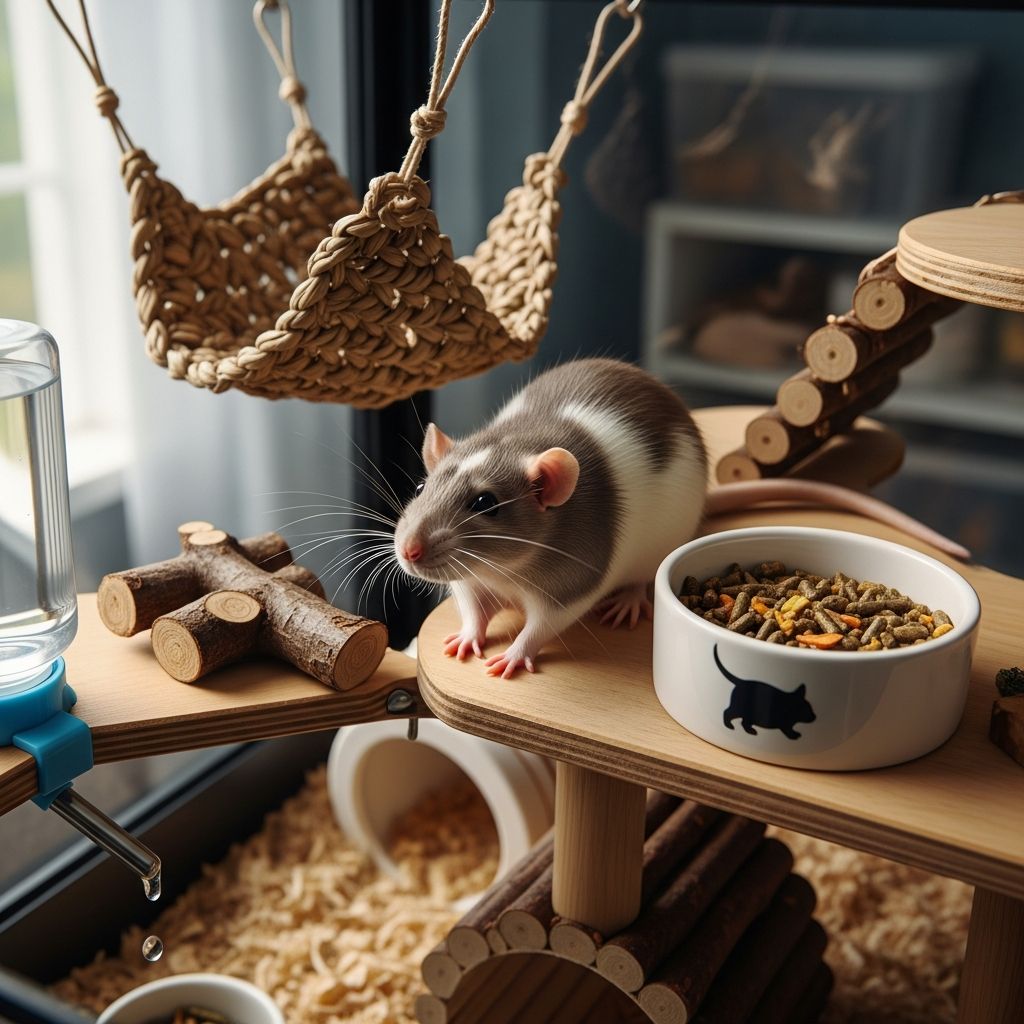
Provide the largest cage possible for your pet rats. Rodents are notorious chewers, so cages constructed from stainless steel, durable plastic, or wire are recommended. Avoid cages made from wood or soft metal, as rats will gnaw through these materials. Cages with a solid plastic base and closely spaced metal bars are ideal for both containment and ventilation purposes. Never use aquarium tanks, as they do not provide sufficient ventilation and can lead to respiratory issues.
Bedding and Substrate
Provide ample nesting material and deep bedding for burrowing, resting, and to absorb urine. Select clean, absorbent, non-toxic, and odor-free bedding materials. Recycled paper products like CareFRESH or aspen shavings make the best lining materials. Carefresh bedding, fleece fabric, recycled newspaper, and shredded paper are all appropriate substrates and should be kept 0.5 to 1 inch deep. Avoid cotton wool products, as these materials are indigestible and can lead to intestinal obstruction if eaten. Never use pine or cedar bedding, which can cause serious health issues due to toxicity.
Check all the bedding daily to make sure it stays dry from urine or leaking water bottles. Bedding should be replaced daily as needed, with a thorough cage cleaning every three to seven days. Spot cleaning between full cleanings helps maintain a fresh, sanitary environment.
Temperature and Humidity Control
The optimal temperature range for rats falls between 65-78°F (18-26°C), with a relative humidity of 40-70%. Keep the cage out of direct sunlight and away from other heat sources, such as radiators or drafts. Rats are susceptible to serious health issues in extreme temperatures, so maintaining a stable climate is crucial for their well-being.
Housing Multiple Rats
Rats are sociable creatures that often thrive in groups. Adult males should be housed separately unless they are littermates or introduced at a young age. Females or mixed-sex pairs do well together. If keeping mixed-sex pairs, have the male neutered, as rats are prolific breeders and can produce large litters frequently.
Nutrition and Feeding Guidelines
Proper nutrition is essential for maintaining your rats’ health and preventing obesity-related issues. A well-balanced diet supports kidney health, maintains appropriate weight, and provides essential nutrients.
Recommended Diet Composition
The recommended feeding for rats is a diet of 80% NutriBerries, 20% fresh fruit and vegetables, and fresh water for drinking. Rascally Rat Nutri-Berries were specifically designed for adult, non-pregnant rats. With a crude protein of 11%, they are ideal for maintaining kidney health, particularly in males, and are low in sodium at 0.16%. They also contain fewer calories per ounce than lab blocks, making them suitable for weight management.
Protein Considerations
Although rats enjoy eating meat, a high-protein diet has been associated with the development of kidney disease in adult animals. Consult with veterinarians to determine appropriate protein levels for your rats based on their age and health status. Young rats may have different nutritional requirements than adults, while senior and pregnant females need specialized diets tailored to their specific needs.
Introducing New Foods
Rats tend to be neophobic, meaning they are cautious about new foods. When switching from a previous diet to Lafeber’s Rascally Rat Nutri-Berries, slowly introduce them as a foraging treat first while providing the rat’s usual base food and daily intake of fruits and vegetables. Gradually replace the usual base food with Nutri-Berries using the feeding directions on Lafeber’s packaging. For young rats, use 50% Nutri-Berries plus 30% lab block or other complete diet, plus 20% fruits and vegetables.
Feeding Tips and Restrictions
Don’t overfeed your rats, and research proper rat diets and portions before feeding them. Do your research and read up on proper rat diets throughout your rats’ different life stages. Avoid feeding just any random diet, as some small animal diets claim to be suitable for rats but aren’t. Rat Guide recommends not feeding more than 20% fruits and vegetables of the total diet.
Water and Hydration
Make fresh water available in a water bottle, positioning the sipper tube low enough to allow your pet easy access. Rats will only drink a fraction of the total bottle volume, but the bottle should be emptied, cleaned, and filled with fresh water daily. Check the water bottle for leaks and change to a clean bottle with fresh water daily. Occasionally, the small ball in the sipper portion may get stuck and not let water through when the rat licks at it. Sometimes the rubber seal can malfunction and cause the bottle to leak. Consider hanging two water bottles per cage to prevent problems if one malfunctions.
Enrichment and Mental Stimulation
Rats are intelligent creatures that require mental stimulation and physical activity to maintain their well-being. An enriched environment prevents boredom and behavioral issues.
Essential Enrichment Items
Provide tunnels, exercise wheels, and nest boxes to help maintain the mental well-being of your pet. Offer cardboard tube rolls and wood blocks as chew toys. These items satisfy rats’ natural desire to chew and burrow. With some creativity, you can make your rat’s cage a playground. Consider these enrichment options:
- Exercise wheels designed specifically for rats
- Tunnels and tubes for exploration
- Nest boxes for hiding and security
- Cardboard tubes from paper towels or toilet paper
- Wood blocks and untreated wood toys
- Hammocks and fleece beds
- Foraging opportunities with hidden treats
Creating a Comfortable Environment
Line the cage floor and levels with fleece and use thickly lined hammocks. Fill any and all of their beds with scraps of fleece for rat-sized blankets and pile a heap of them in the corner of the cage as nesting material. You can also cover their cage with a large blanket at night, but be prepared for them to pull it through the bars and chew on it. Secondhand stores may sell inexpensive blankets that you won’t care about getting ruined.
Provide newly acquired and nervous rats with a quiet area for the first few days until they are used to the sounds of the family. Then, if possible, keep the cage in an area that you frequent the most (unless you have a designated rat room). This encourages bonding and makes rats more sociable.
Handling and Socialization
Proper handling techniques ensure your rats’ safety and help develop a trusting relationship with you.
Correct Handling Methods
The best way to pick up your pet rat is to place one hand over the back, just behind the head. Gently grasp the rat around the rib cage and lift it upwards. The rat can then be gently cradled against the handler’s body, using minimal restraint. Never pick your rat up by its tail, as it can be seriously injured if the tail is not grasped correctly. The tail is delicate and can be damaged if handled improperly.
Quality Time and Bonding
Make time for quality time with your rats. Regular interaction strengthens your bond and helps your rats become more responsive to you. Rats that receive consistent attention and gentle handling tend to be calmer and more affectionate.
Environmental Considerations and Safety
Creating a safe and suitable home environment is crucial for your rats’ health and happiness.
Noise and Stress Management
If your rats spook easily or hide when something like a vacuum turns on, consider relocating them when using loud appliances or devices. Put them in a room away from guests if you’re having a party or they are being harassed by visiting children. Never keep your rats next to a speaker. At the very least, keep up with basic housecleaning and sanitize any messes from other pets.
Air Quality and Health Hazards
Maintain good air quality and ways to lessen allergens and other irritants in the space where your rats live. If you’re dealing with black mold, bring in professionals to remove it correctly and let them know you have pets in the house. Ask them or your veterinarian about their risk of exposure to any treatments used.
Household Plants and Toxins
Be choosy with household plants, as many common houseplants are toxic to rats. Research any plants you keep in your home to ensure they won’t harm your pets if nibbled or chewed.
Protection From Other Pets
Ensure safety from other household pets. Rats can be prey animals for certain pets, so careful supervision and appropriate housing away from predatory animals is essential.
Must-Have Supplies for Rat Owners
Beyond the basics, certain supplies make rat care significantly easier and more effective.
Wet Wipes and Paper Towels
Between bathroom accidents, dirty tails, messy eaters, and porphyrin-covered noses, there are numerous reasons why your rat, their cage, or your furniture might need some light cleaning. Unscented baby wipes and a roll of paper towels are indispensable supplies. Keep both of these by your couch and by the cage in a storage cart. Wet wipes are particularly great for spot-cleaning the cage between weekly washes and are safe enough to use directly on your rat.
Protective Covers
If you allow your rats out-of-cage time on your couch or bed, consider buying a waterproof king- or queen-sized mattress cover to protect your furniture from accidents and damage.
Leaving Your Rats Alone
Consider carefully before leaving your rats alone for extended periods. Rats require daily attention, fresh food, and clean water. If you must leave them, ensure adequate provisions and consider having someone check on them daily. Never leave rats completely unattended for long periods.
Allowing Darkness
Rats need a regular sleep-wake cycle with periods of darkness. Provide a quiet, dark area where your rats can rest undisturbed. This helps maintain their natural circadian rhythms and promotes better sleep and overall health.
Veterinary Care and Health Monitoring
Regular veterinary care is essential for maintaining your rats’ health throughout their lives. Most veterinarians recommend exams every six to 12 months, including blood work and fecal parasite testing, to keep pet rats as healthy as possible. Early detection of health issues can lead to better outcomes and improved quality of life.
Frequently Asked Questions
Q: What is the ideal cage size for pet rats?
A: Provide the largest cage possible for your pet rats. The minimum recommended size varies, but larger is always better as rats are active and need space to climb, explore, and exercise.
Q: Can male and female rats be housed together?
A: Yes, mixed-sex pairs do well together if the male is neutered. Without neutering, rats are prolific breeders and will produce frequent litters. Adult males should be housed separately unless they are littermates or introduced at a young age.
Q: How often should I clean my rat’s cage?
A: Perform spot cleaning with wet wipes between weekly washes and complete cage cleaning every three to seven days. Check bedding daily to ensure it stays dry from urine or water bottle leaks.
Q: What should I feed my pet rats?
A: The recommended diet is 80% quality commercial rat food like Lafeber’s Rascally Rat Nutri-Berries, 20% fresh fruits and vegetables, and fresh water. Avoid high-protein diets in adult rats, as they’ve been associated with kidney disease.
Q: How should I properly handle my pet rat?
A: Place one hand over the back, just behind the head, and gently grasp the rat around the rib cage. Lift upwards and cradle against your body using minimal restraint. Never pick rats up by their tails.
Q: What bedding materials are safe for rats?
A: Safe options include CareFresh, fleece fabric, recycled newspaper, aspen shavings, and shredded paper. Avoid pine and cedar, which are toxic, and cotton wool, which can cause intestinal obstruction if ingested.
Q: Do rats need enrichment activities?
A: Yes, absolutely. Provide tunnels, exercise wheels, nest boxes, cardboard tubes, and wood blocks as chew toys. Mental stimulation and physical activity are essential for their well-being and prevent behavioral issues.
Q: What is the optimal temperature for pet rats?
A: Keep the environment between 65-78°F (18-26°C) with a relative humidity of 40-70%. Avoid direct sunlight, heat sources like radiators, and drafts, as rats are susceptible to health issues in extreme temperatures.
Q: How often should I take my rat to the veterinarian?
A: Most veterinarians recommend exams every six to 12 months, including blood work and fecal parasite testing, to monitor your rats’ health and catch any issues early.
Q: Are rats good pets for families?
A: Yes, rats are clean, friendly, playful, and quiet pets that are uniquely responsive to their owners. With proper care, handling, and socialization, they can be wonderful companions for families.
References
- Care of the Pet Rat — Lafeber Company. 2024. https://lafeber.com/vet/wp-content/uploads/Rats-diet-updated.pdf
- My Favorite Tips For Rat Care — Lafeber Company. 2024. https://lafeber.com/mammals/my-favorite-tips-for-rat-care/
- Caring for a Pet Rat: What to Expect — PetMD. 2024. https://www.petmd.com/exotic/care/caring-for-pet-rat
- Diet Figure 1 – Lafeber’s Rascally Rat Nutri-Berries — Rat Guide. 2024. https://ratguide.com/care/figures-care/diet-figure-1-lafeber.php
- Home Environment: Rats And Home Ambience — Lafeber Company. 2024. https://lafeber.com/mammals/home-environment-rats-and-home-ambience/
- Pet Rat Care Do’s And Don’ts — Lafeber Company. 2024. https://lafeber.com/mammals/pet-rat-care-dos-and-donts/
Similar Articles








Read full bio of Sneha Tete