

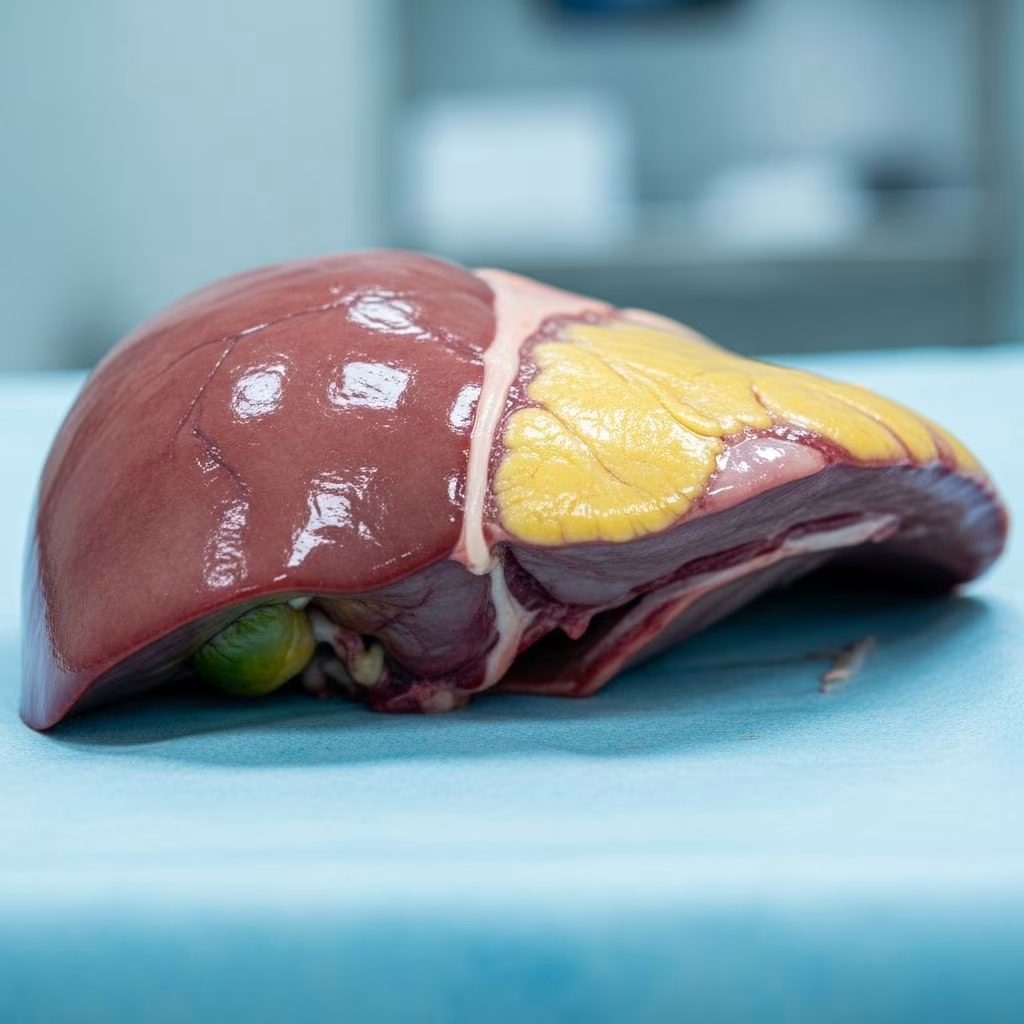
Fatty liver disease, encompassing hyperlipemia and hepatic lipidosis, represents a critical metabolic disorder in large animals such as ponies, donkeys, cattle, and horses. This condition arises from excessive triglyceride buildup in the liver, often triggered by negative energy balance, leading to severe health complications if untreated.
Understanding the Metabolic Disruption
Hyperlipemia occurs when triglycerides flood the bloodstream faster than the liver can process them, while hepatic lipidosis involves fat accumulation directly within liver cells. In large animals, this typically stems from rapid fat mobilization from adipose tissues during periods of insufficient feed intake or heightened energy demands, such as early lactation in cattle or stress in ponies.
The liver attempts to handle excess free fatty acids by repackaging them into very low-density lipoproteins (VLDL) for circulation. However, when synthesis of VLDL is impaired—due to protein shortages, low carnitine levels, or insulin resistance—the fats remain trapped, causing hepatocyte swelling and dysfunction.
Risk Factors Across Species
- Ponies and Donkeys: These smaller equids, especially Shetland ponies and minis, are highly susceptible due to inherent insulin resistance and obesity predisposition. Abrupt anorexia or restrictive diets exacerbate fat breakdown.
- Cattle: Early postpartum cows face risks from high milk production outpacing feed intake, mobilizing body fats excessively.
- Horses: Those with equine metabolic syndrome show heightened vulnerability, as insulin dysregulation perpetuates lipolysis.
- Other Ruminants: Sheep, particularly pregnant or lactating ones, and cases linked to nutrient deficiencies like cobalt or vitamin B12, develop ‘white liver disease’.
Obesity serves as a universal predisposing factor, amplifying fat stores available for mobilization during stress, concurrent illness, or pregnancy.
Pathophysiological Mechanisms
The cascade begins with lipolysis in adipose tissue, releasing free fatty acids into the blood. The liver uptakes these for oxidation or VLDL formation, but overload leads to triglyceride droplets displacing cell nuclei, termed macrovesicular steatosis.
Key disruptions include:
- Reduced beta-oxidation from mitochondrial damage or carnitine deficiency.
- Impaired lipoprotein assembly due to apoprotein shortages.
- Insulin resistance promoting unchecked fat release.
This fat engorgement impairs bile flow, causing cholestasis, and triggers oxidative stress with reactive oxygen species, fostering inflammation and potential fibrosis.
Species-Specific Insights
| Species | Primary Trigger | Key Mechanism |
|---|---|---|
| Ponies/Donkeys | Anorexia, stress | Insulin resistance, VLDL overload |
| Cattle | Early lactation | Negative energy balance |
| Horses | Metabolic syndrome | Exaggerated lipolysis |
| Sheep | Nutrient deficiency | Ceroid deposition, centrilobular fat |
Clinical Manifestations
Animals exhibit rapid deterioration: profound anorexia, weight loss, muscle wasting, and icterus from bilirubin buildup. Cattle show plummeting milk yields, while equids develop depression and colic-like signs.
Advanced cases reveal:
- Enlarged, pale liver on palpation.
- Abdominal pain from organ distension.
- Concurrent issues like renal degeneration or glomerulonephritis in severe instances.
Mortality is high in ponies, often within days, underscoring the need for prompt intervention.
Diagnostic Approaches
Diagnosis combines history, clinical signs, and lab tests. Serum reveals hypertriglyceridemia (often >500 mg/dL), elevated liver enzymes (ALT, AST, ALP), and cholestasis markers.
Ultrasound detects hepatomegaly with hyperechoic parenchyma; biopsy confirms >50-90% hepatocytes laden with lipid vacuoles.
Hematology may show leukocytosis, anemia, or thrombocytopenia, signaling systemic inflammation or bone marrow stress.
Laboratory Hallmarks
- Hypertriglyceridemia: Hallmark of hyperlipemia.
- Enzyme spikes: ALT/AST indicate damage; ALP suggests cholestasis.
- Lipemia: Milky serum on fasting samples.
Treatment Strategies
Immediate goals: Restore energy balance, reduce lipolysis, support liver function. Core therapies include:
- Nutrition: Small, frequent high-energy feeds (e.g., glucose, propylene glycol in ruminants). Tube feeding for anorexics.
- Insulin: Low-dose to curb fat mobilization in insulin-resistant cases.
- Hepatoprotectants: S-adenosylmethionine, silymarin for antioxidant support.
- Fluids/Electrolytes: Correct dehydration and imbalances.
In cattle, propylene glycol drenches mobilize liver fats effectively. Equids benefit from aggressive caloric supplementation to break the cycle.
Prevention and Management
Avoid risk by maintaining optimal body condition: gradual weight reduction in obese animals, ample feed during lactation, and stress minimization. Monitor high-risk breeds closely during diet changes or illness.
Regular blood lipid checks in predisposed populations enable early detection.
Prognosis and Complications
Early intervention yields fair to good outcomes, but delays lead to liver failure, coagulopathies, or multi-organ involvement. Ponies face grimmest odds due to rapid progression.
Long-term, survivors require dietary oversight to prevent recurrence.
Frequently Asked Questions (FAQs)
What causes fatty liver in ponies?
Primarily anorexia in obese ponies triggers excessive fat mobilization, worsened by insulin resistance.
Can cattle recover from hepatic lipidosis?
Yes, with prompt propylene glycol therapy and nutrition, many rebound during early lactation.
How is hyperlipemia diagnosed in horses?
Via serum triglyceride levels, ultrasound, and liver biopsy confirming lipid accumulation.
Is fatty liver preventable in donkeys?
Absolutely—maintain ideal weight, provide consistent feeding, and address illnesses swiftly.
What are signs of advanced disease?
Icterus, lethargy, weight loss, and elevated liver enzymes signal urgency.
References
- Severe hepatic lipidosis in a dog: a case report — PMC. 2024. https://pmc.ncbi.nlm.nih.gov/articles/PMC12854191/
- Hepatic lipidosis – Vet Med: Applied GI Physiology — University of Minnesota. 2023. https://open.lib.umn.edu/vetphysioapplied/chapter/bovine-hepatic-lipidosis/
- D-M11, Hepatic lipidosis, liver, donkey — Joint Pathology Center. 2023. https://www.askjpc.org/vspo/show_page.php?id=aGl2K203OTFDb2lrSEN6QTBXV3hCQT09
- Hyperlipidemia and Hyperlipemia in Horses — Mad Barn. 2024. https://madbarn.com/hyperlipidemia-in-horses/



