

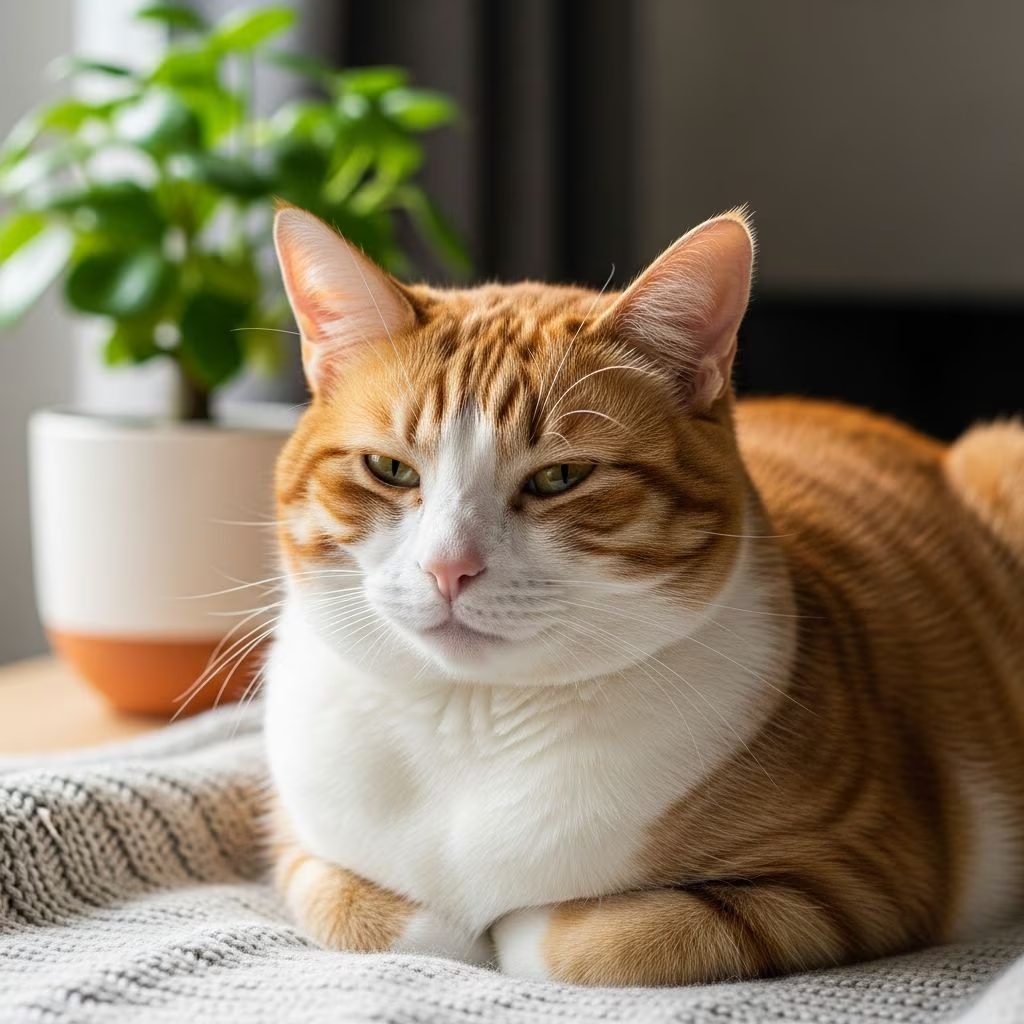
Obesity affects a significant number of older cats, often stemming from reduced activity and metabolic changes, leading to serious health complications if unaddressed. This guide examines the factors driving weight gain in senior felines, identifies observable signs, outlines associated risks, and provides actionable steps for effective weight management.
Why Do Older Cats Gain Excess Weight?
As cats enter their senior years, typically around 8-12 years old, several physiological and environmental shifts contribute to unwanted fat accumulation. Metabolism naturally slows, meaning they burn fewer calories even at rest, while hormonal changes post-neutering can ramp up appetite without a corresponding increase in energy needs.
Indoor lifestyles exacerbate this issue, as cats with limited outdoor access or no hunting opportunities engage in minimal natural exercise. Overfeeding compounds the problem; owners may continue providing kitten-level portions despite decreased activity, unaware that caloric requirements drop significantly with age.
- Neutering effects: Spayed or neutered cats often exhibit heightened hunger due to altered hormone levels, prompting them to consume more if food is freely available.
- Age-related slowdown: Middle-aged and senior cats move less voluntarily, creating a cycle of low energy expenditure and fat storage.
- Dietary mismatches: High-calorie treats or human foods inadvertently boost intake beyond needs.
- Medical contributors: Conditions like arthritis reduce mobility, indirectly promoting weight gain, though primary obesity is rarely medical.
Spotting the Signs of Overweight in Your Senior Cat
Early detection prevents progression to obesity. Visually and tactilely assess your cat: from above, a healthy cat shows a defined waist; overweight ones appear blocky or rounded with no waistline. Feel the ribs—they should be palpable with slight fat cover, not buried under layers.
| Healthy Weight Indicators | Overweight/Obese Signs |
|---|---|
| Ribs easily felt with minimal fat | Ribs not felt or require heavy pressure |
| Visible waist and abdominal tuck | Flat back profile, bulging abdomen |
| Active jumping and play | Lethargy, reluctance to climb stairs |
| Clean, groomed coat | Messy fur from poor grooming reach |
Behavioral cues include prolonged sleeping, reduced playfulness, and difficulty navigating furniture. Other red flags: tightening collar, infrequent grooming leading to unkempt fur, or digestive changes like constipation. Regular weigh-ins at vet visits help track trends objectively.
The Hidden Dangers of Feline Obesity
Excess weight shortens lifespan and invites multiple diseases. Obese cats face triple the diabetes risk due to insulin resistance, alongside heightened chances of heart disease, hypertension, and osteoarthritis from joint overload.
Respiratory strain from abdominal fat causes panting or wheezing, while skin folds foster infections. Liver risks like hepatic lipidosis emerge if overweight cats stop eating, as fat mobilization overwhelms the organ. Urinary issues, including stones and infections, rise with inactivity.
- Joint and mobility decline: Extra pounds accelerate arthritis, causing pain and further inactivity.
- Metabolic disorders: Diabetes and weakened immunity from chronic inflammation.
- Cardiovascular strain: Heart enlargement and high blood pressure.
- Cancer and organ risks: Elevated incidence of certain cancers and kidney/liver problems.
Assessing Your Cat’s Ideal Weight
Consult a veterinarian for a body condition score (BCS), a standardized 9-point scale where 4-5/9 indicates ideal weight. Tools like visual charts or hands-on exams guide this. Factors like breed, frame size, and muscle mass influence targets—e.g., a sturdy Maine Coon may weigh more than a slender Siamese at healthy BMI.
Baseline your cat’s current weight and set a gradual loss goal: 0.5-2% body weight weekly to avoid hepatic lipidosis. Professional input rules out underlying issues like hyperthyroidism before dieting.
Nutrition Strategies for Weight Reduction
Diet overhaul is foundational. Switch to vet-recommended low-calorie, high-protein formulas that promote satiety without excess energy. Portion control is key—measure meals precisely, dividing daily allowance into 3-4 small servings to mimic natural grazing and curb begging.
Eliminate free-feeding; use puzzle feeders to slow intake and boost mental engagement. Cut treats to 10% of calories, opting for veggie-based or air-popped alternatives. Hydration aids weight loss—wet foods increase water intake, supporting metabolism.
| Diet Tip | Benefit |
|---|---|
| High-protein, low-carb kibble/wet food | Preserves muscle, enhances fullness |
| Measured portions 2-4x daily | Prevents overeating, stabilizes blood sugar |
| Increase fiber via veggies (e.g., pumpkin) | Promotes digestion, reduces hunger |
| Avoid table scraps | Eliminates hidden calories |
Incorporating Safe Exercise for Older Cats
Seniors need low-impact activities to build calorie burn without joint stress. Interactive toys like feather wands or laser pointers encourage 10-15 minute sessions twice daily. Vertical spaces—cat trees or window perches—promote climbing.
- Play therapy: Short bursts of chase games mimic hunting.
- Scheduled walks: Harness training for gentle outdoor strolls.
- Environmental enrichment: Battery-operated toys for solo activity.
- Swimming or gentle massage: For arthritic cats, under vet guidance.
Track progress with activity logs; aim for gradual increases as stamina improves.
Veterinary Guidance and Monitoring
Partner with your vet for a tailored plan, including bloodwork to screen for comorbidities. Prescription diets or medications may assist stubborn cases. Monthly check-ins monitor loss pace, adjusting as needed.
Behavioral support addresses emotional eating; pheromone diffusers reduce stress-induced overeating.
Long-Term Maintenance for a Lean Life
Once target weight is reached, transition to maintenance calories while sustaining habits. Annual exams catch regressions early. Educate household members on protocols for consistency.
Success stories abound: Cats dropping 20-30% body weight regain mobility, playfulness, and longevity.
Frequently Asked Questions
How much should my senior cat weigh?
Ideal weight varies by breed and size, typically 8-12 lbs for averages. Use BCS with vet input.
Can obese cats lose weight safely?
Yes, at 1-2% weekly under supervision to prevent liver issues.
What if my cat refuses diet food?
Mix gradually with old food; try warming or toppers. Vet may prescribe palatability aids.
Is obesity reversible in very old cats?
Absolutely, with gentle plans focusing on quality of life.
How do I motivate a lazy senior cat to exercise?
Use food-motivated toys and short, frequent sessions building enthusiasm.
References
- Understanding Cat Obesity: Causes, Symptoms, and Solutions — Pine Point Vet. 2023. https://pinepointvet.com/understanding-cat-obesity/
- Obesity in Cats: Signs, Causes, and Treatment — PetMD. 2024. https://www.petmd.com/cat/conditions/digestive/c_ct_obesity
- Obesity in senior cats & dogs — Banfield Pet Hospital. 2024. https://www.banfield.com/Senior-hub/common-health-issues-in-senior-pets/obesity-senior-dogs-cats
- Pet Obesity: Causes, Health Risks, and How to Manage It — Stevenson Village Vet. 2023. https://www.stevensonvillagevet.com/pet-obesity-causes-health-risks/
- Recognizing Cat Obesity, Causes and Signs — Hill’s Pet Nutrition. 2024. https://www.hillspet.com/cat-care/healthcare/cat-obesity
- Feline Obesity — SimplyCats Vet Clinic. 2023. https://www.simplycats.net/post/feline-obesity
- Cat Weight Loss Information — Pet Obesity Prevention. 2024. https://www.petobesityprevention.org/weight-loss-cats



