
Cat Behaviors: Essential Guide To Understanding Your Cat
Discover the science behind your cat's quirky habits, from zoomies to grooming rituals, and deepen your bond with these mysterious companions.
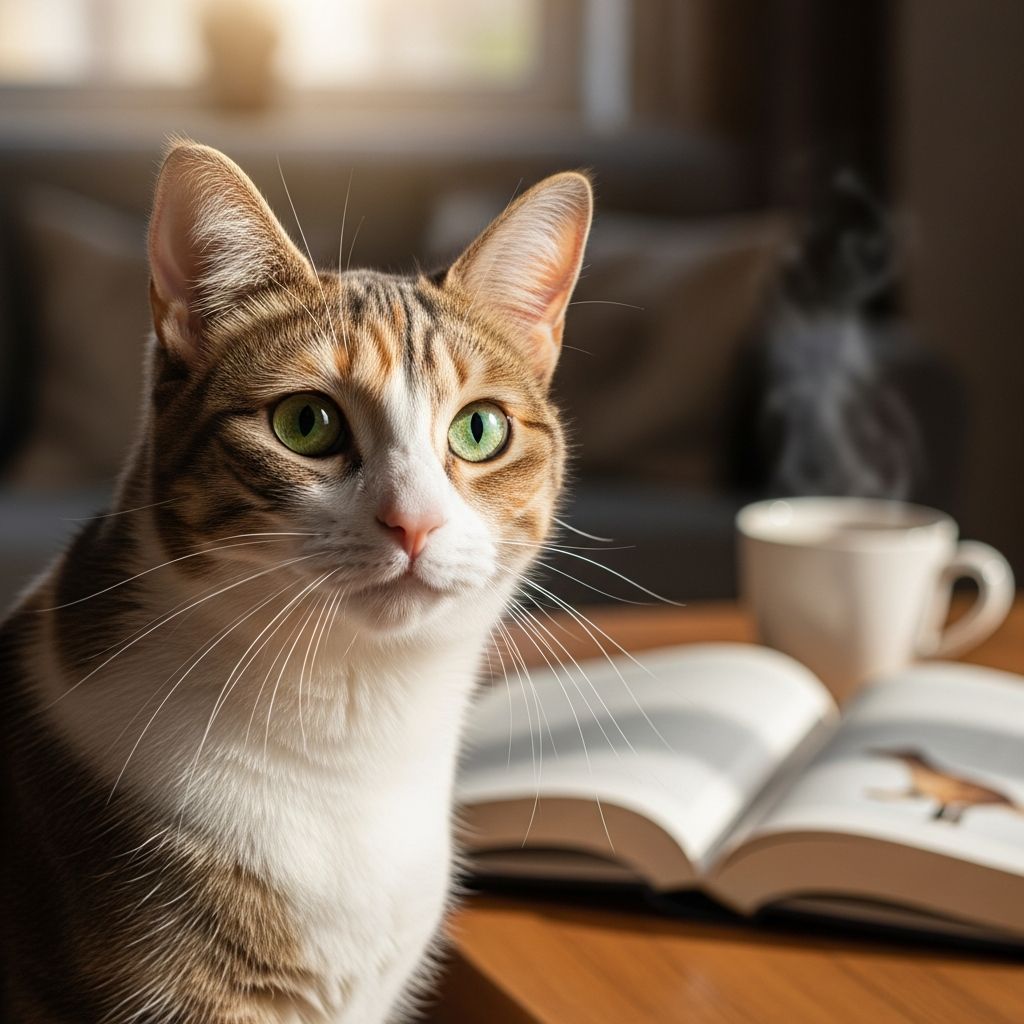
Cats captivate us with their enigmatic actions, blending ancient instincts with modern domestic life. From sudden sprints to meticulous self-cleaning, these behaviors reveal a creature shaped by evolution. Understanding them fosters stronger relationships and healthier pets.
The Evolutionary Roots of Feline Actions
Domestic cats descend from solitary wild ancestors like the African wildcat, prioritizing territory over social bonds. This heritage influences everything from hunting simulations to resting patterns. Unlike dogs, cats rely on secure environments rather than human attachments for well-being.
Genetic traits persist, including a strict carnivorous diet requiring constant protein. Only since the 1970s have commercial foods met these needs, reducing hunting necessity while behaviors linger. Boldness versus shyness varies genetically, impacting interactions and problem-solving.
Rest and Energy Conservation Patterns
Cats dedicate up to 18 hours daily to sleep, conserving energy like wild predators. Their higher body temperature draws them to warmth, explaining sunbathing or laptop lounging.
- Such napping maintains metabolic efficiency, mimicking ancestral survival strategies.
- Preferred spots signal comfort and safety, reinforcing territorial security.
Owners often mistake this for laziness, but it’s adaptive. Provide cozy beds or heated pads to align with preferences.
Hunting Instincts in Playful Displays
Innate predation drives many antics. Knocking items simulates chasing fleeing prey, satisfying curiosity and providing stimulation. Zoomies—frantic dashes—release built-up vigor, especially post-naps.
| Behavior | Purpose | Owner Tips |
|---|---|---|
| Knocking Objects | Exploration and prey simulation | Offer puzzle toys to redirect energy |
| Zoomies | Energy release | Daily play with wands or lasers |
| Chattering at Birds | Frustration or kill preparation | Window perches with toys nearby |
Chattering, a rapid jaw click when spotting untouchable prey, blends excitement and aggravation. Body wagging before pounces enhances depth perception. These keep cats mentally sharp indoors.
Grooming and Affection Rituals
Self-grooming maintains hygiene and distributes scent, minimizing baths. Licking humans bonds via shared pheromones, akin to cheek rubbing. Excessive licking signals stress or health issues, risking hairballs.
Chemical signals from facial glands organize environments, classifying safe versus novel areas. Synthetic versions like Feliway mimic these for calming.
Vocalizations and Nighttime Habits
Night squalls often stem from mating urges in unsterilized cats or learned attention-seeking. Separation anxiety affects 13.5% of cats, causing vocal excess or destruction. Secure attachment shows in calm responses to owners.
- Spaying/neutering curbs heat calls.
- Consistent routines prevent manipulative meowing.
Territorial and Comfort-Seeking Traits
Boxes offer security and warmth, suiting solitary sleep needs. Cats prefer temperatures 14°C above human comfort. Scent-marking via cheeks claims owners as territory.
Whiskers gauge space, monitor airflow, and detect textures, aiding grace. Lying on keyboards seeks attention and warmth while scenting possessions.
Addressing Problematic Patterns
Issues arise from threats to security, like inter-cat conflicts, prompting aggression or elimination outside litter. Frustration blocks natural acts, causing distress.
Recognizing confidence—proactive versus reactive—guides interventions. Genetic factors, like oxytocin receptors, influence irritability. Veterinary behaviorists use environmental tweaks and synthetics for balance.
Enhancing Feline-Human Connections
Slow blinking initiates trust; cats reciprocate, mimicking smiles. Stroking triggers bonding hormones. Names are recognized, supporting communication.
Enrich environments with vertical spaces, scratching posts, and varied toys to fulfill instincts. Regular play prevents boredom-driven issues.
Health Indicators in Daily Routines
Monitor for deviations: over-grooming may indicate allergies or anxiety; persistent zoomies could signal hyperthyroidism. Consult vets for changes.
Wildlife impact is notable; pet cats kill more locally due to dense populations, despite less per capita hunting.
FAQs on Cat Behaviors
Why does my cat bring me dead animals?
This sharing instinct teaches kittens or bonds with owners, rooted in hunting heritage.
Is excessive meowing a concern?
It can indicate pain, hunger, or anxiety. Track patterns and vet check if new.
How can I stop my cat from knocking things over?
Secure items and provide interactive feeders or track balls for outlet.
Do cats get lonely?
They form attachments but value independence. Enrichment combats separation issues.
Why do cats love boxes so much?
Boxes provide enclosure security and insulation, ideal for rest.
These insights empower owners to decode and support their cats’ worlds, blending science with empathy for harmonious living.
References
- Decoding Common Cat Behavior — MedVet. 2023. https://www.medvet.com/cat-behaviors/
- 8 (very very cute) facts about cats, according to science — BBC Science Focus. 2023. https://www.sciencefocus.com/nature/cat-facts-science
- Normal feline behaviour: … and why problem behaviours develop — PMC (National Library of Medicine). 2024-09-12. https://pmc.ncbi.nlm.nih.gov/articles/PMC11395290/
- 6 Common Cat Behaviors Explained — UC Davis. 2023. https://www.ucdavis.edu/magazine/6-common-cat-behaviors-explained
- 15 Strange Cat Behaviors Explained — The Drake Center. 2023. https://www.thedrakecenter.com/services/cats/blog/15-strange-cat-behaviors-explained
Similar Articles








Read full bio of Sneha Tete




