

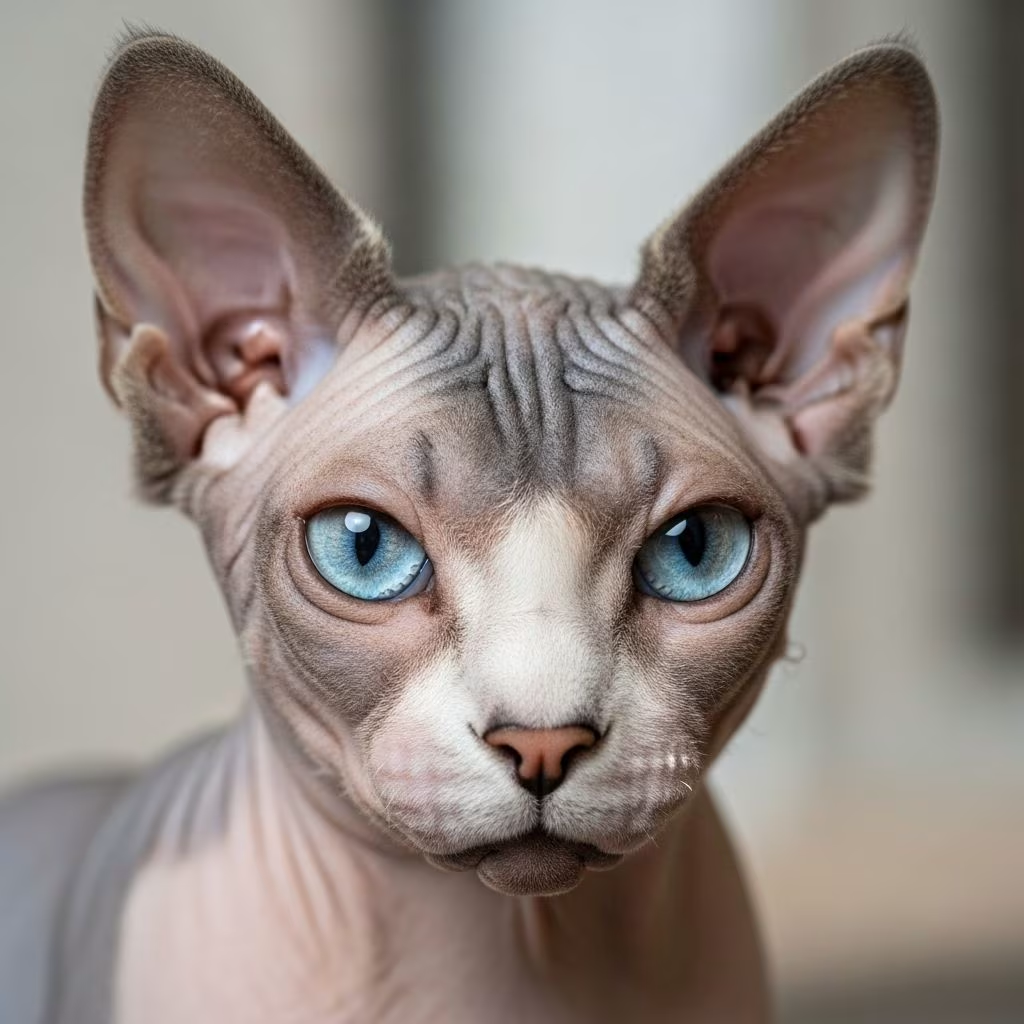
Hairless cat breeds captivate pet enthusiasts with their bold, unconventional appearance and warm personalities. These felines, often featuring soft skin rather than fur, trace their roots to natural genetic variations and have evolved into cherished companions known for loyalty and playfulness.
The Genetic Marvel Behind Furless Felines
The absence of fur in these cats stems from specific genetic mutations that suppress hair growth. Unlike typical cats, hairless varieties reveal their muscular builds and skin textures, creating a distinctive silhouette. This trait first emerged spontaneously in litters, prompting breeders to selectively enhance it over generations.
Understanding the genetics is key: the primary mutation affects the keratin 71 gene, leading to reduced or absent coat development. This results in cats that are not entirely bald but often covered in a fine “peach fuzz,” especially noticeable on ears, noses, and paws. Such adaptations make them visually striking while influencing their care routines profoundly.
Evolution and Origins of Iconic Hairless Breeds
Hairless cats have appeared throughout history, with accounts dating back centuries. Ancient legends suggest Mesoamerican cultures, like the Aztecs, valued similar felines for warmth and companionship. However, modern breeds originated in the 20th century through deliberate breeding programs.
- Sphynx: Born in Toronto, Canada, in 1966 from a hairless kitten named Prune in a domestic shorthair litter. Breeders crossed it with other cats, including Devon Rex, to stabilize the trait and improve health.
- Historical Precursors: Earlier examples include Mexican hairless cats from the early 1900s and French Siamese variants in the 1930s, though these lines often faded due to small gene pools.
- Recognition Milestones: The International Cat Association championed the Sphynx in 2005, despite debates over its mutation-based origins.
These developments transformed curiosities into standardized breeds, with the Sphynx leading as the most renowned.
Signature Features of Leading Hairless Varieties
Each hairless breed boasts unique physical and behavioral hallmarks, setting them apart in the feline world.
| Breed | Key Physical Traits | Temperament | Size & Weight |
|---|---|---|---|
| Sphynx | Wedge-shaped head, large ears, wrinkled skin, peach fuzz on extremities | Affectionate, social, “dog-like,” vocal | Medium; 6-12 lbs |
| Related Types (e.g., Peterbald, Donskoy) | Sleek body, elongated features, varying hairlessness degrees | Energetic, people-oriented, playful | Medium to slender |
Sphynx cats exemplify robustness, with prominent cheekbones and a triangular head evoking ancient Egyptian aesthetics, despite Canadian roots. Their skin displays diverse colors and patterns, from solids to tabbies, fully visible without fur.
Daily Care Essentials for Skin-Barren Cats
Without fur for protection, hairless cats demand specialized grooming to maintain skin health and comfort.
- Bathing Routine: Weekly baths remove excess oils, preventing blackheads and greasy buildup. Use cat-safe, moisturizing shampoos followed by conditioner.
- Skin Protection: Apply vet-approved lotions to combat dryness, especially in dry climates. Avoid human products to prevent irritation.
- Sun Exposure: Limit direct sunlight to avoid burns; use feline sunscreen if outdoors.
- Warmth Provision: These cats feel chills acutely, so provide heated beds, sweaters, or cozy spots year-round.
Nutrition plays a vital role too: high-calorie diets support their faster metabolisms and visible muscle maintenance. Regular nail trims and ear cleanings round out care protocols.
Health Insights and Longevity Factors
Hairless breeds enjoy average lifespans of 8-14 years but face breed-specific challenges. Common issues include:
- Skin Conditions: Hypertrophic cardiomyopathy risks, oil gland overactivity leading to infections.
- Temperature Sensitivity: Prone to hypothermia without proper warmth.
- Genetic Concerns: Early breeding narrowed gene pools, though modern practices enhance diversity.
Veterinary consensus emphasizes proactive screenings for heart conditions and dental health, as exposed teeth require diligent care. With attentive ownership, these cats thrive vibrantly.
Temperament: Why They Bond Like No Other
Beyond looks, hairless cats shine in personality. Sphynx, in particular, are extroverted, intelligent greeters who crave interaction. They follow owners room-to-room, play fetch, and vocalize needs clearly—earning the “dog-cat” moniker.
Ideal for active households, they suit families, singles, or seniors seeking devoted pets. Their curiosity drives exploration, but early socialization curbs mischief.
Comparing Hairless to Traditional Coated Cats
| Aspect | Hairless Breeds | Coated Cats |
|---|---|---|
| Grooming | Frequent baths, lotions | Brushing, shedding |
| Allergen Levels | Lower (less dander-carrying fur) | Higher |
| Energy Needs | High warmth/calories | Standard |
| Affection | Extremely high | Variable |
This contrast highlights their appeal for allergy-prone individuals, though no cat is fully hypoallergenic.
Adoption and Breeder Selection Tips
Choosing a hairless cat involves research. Reputable breeders provide health guarantees, genetic testing results, and socialization records. Shelters occasionally feature rescues, broadening access.
- Verify registrations with bodies like CFA or TICA.
- Inspect for vibrant skin, clear eyes, and confident demeanor.
- Prioritize breeders emphasizing ethical practices over rarity.
Real Owner Experiences and Lifestyle Fit
Owners rave about the tactile joy of petting warm, suede-like skin and the constant companionship. Challenges like laundry from oil transfer pale against their charm. They excel in apartments, adapting well to indoor life with ample playthings.
Frequently Asked Questions (FAQs)
Are hairless cats truly hairless?
No, most have a subtle fuzz, making their skin feel plush rather than slick.
Do they make good pets for children?
Yes, their gentle, patient nature suits kids, provided supervision prevents rough handling of delicate skin.
How often should I bathe my hairless cat?
Once weekly prevents oil accumulation; adjust based on lifestyle.
Can they go outside?
Limited, supervised outings only; indoor living is safest.
Are they hypoallergenic?
They produce fewer allergens but test exposure first.
Embracing the Unique Appeal of Furless Friends
Hairless cats blend exotic allure with profound loyalty, redefining feline companionship. Their journey from mutations to pedigrees underscores human ingenuity in pet breeding. For those ready to invest in specialized care, they offer unparalleled rewards—warm cuddles, endless entertainment, and a bond that transcends the ordinary.
References
- History of the Hairless Cat | Sphynx — Dan’s Pet Care. 2023. https://danspetcare.com/pets/cmn5kbb9jkxj6ylrg864ne9wl2sz6w
- Sphynx Cat | The History, Traits, and Care — Feline Fancy. 2024. https://felinefancy.co.uk/blogs/cat-breeds-info/sphynx-cat
- Sphynx Cat Breed — Hill’s Pet Nutrition. 2025-01-15. https://www.hillspet.com/cat-care/cat-breeds/sphynx
- The Insane History Of Sphynx Cat Breeding: Victorian Era — Present — YouTube (Strange Aeons). 2023-10-01. https://www.youtube.com/watch?v=wh2c0KbTTCM
- All About Sphynx Cats — ASPCA Pet Health Insurance. 2024. https://www.aspcapetinsurance.com/resources/sphynx-cat-breed-information/
- Sphynx — The Cat Fanciers’ Association. 2025. https://cfa.org/breed/sphynx/



