
Farewell to Foster Cats: Emotional Guide
Navigate the heartfelt process of parting with your foster cat, turning temporary care into lifelong success for rescued felines.
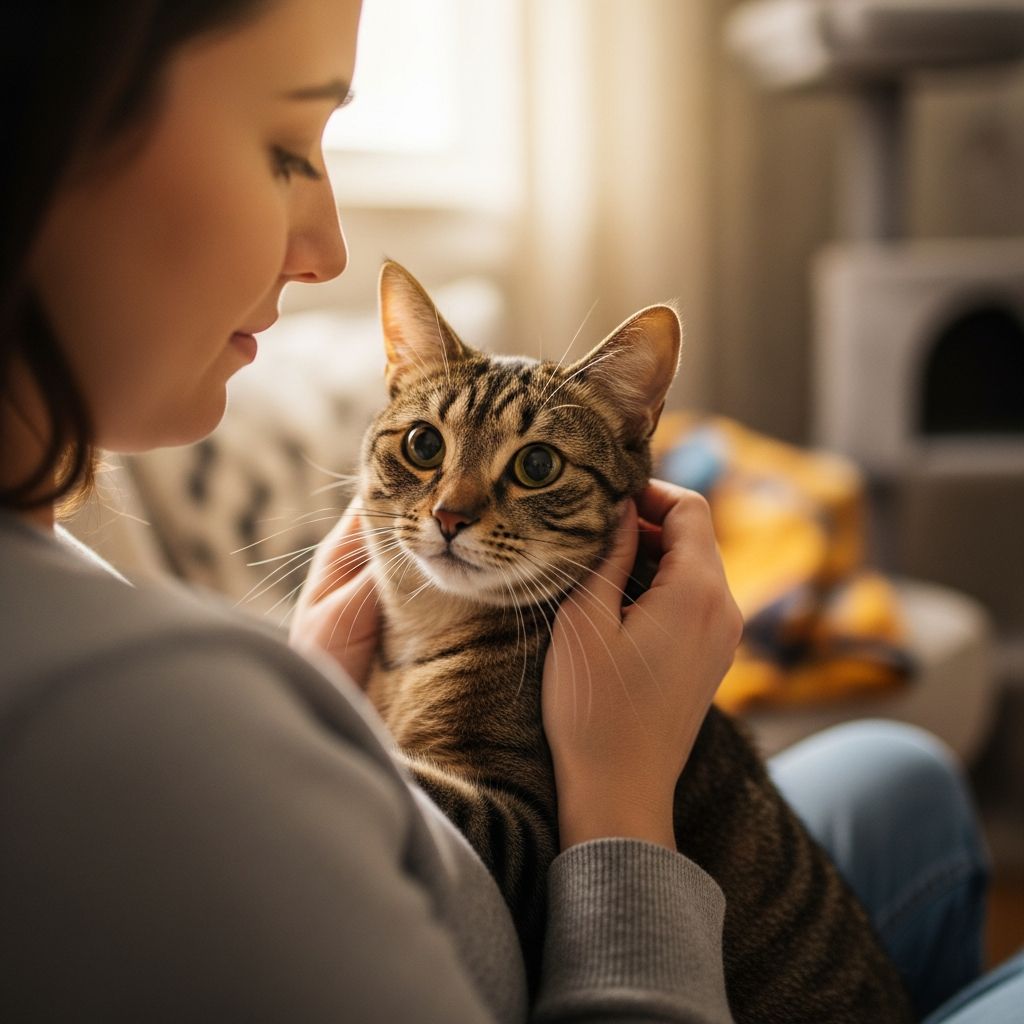
Fostering cats offers profound rewards by providing temporary homes to animals in need, yet the moment of separation often stirs deep emotions. This guide equips foster caregivers with practical steps to prepare cats for adoption and strategies to handle the bittersweet goodbye, ensuring both the cat’s success and the foster’s well-being.
Understanding the Foster Journey’s End
The fostering experience transforms shelter cats into confident companions ready for permanent homes. As cats recover from medical issues or behavioral challenges, fosters play a pivotal role in socialization and health maintenance. When adoption nears, focus shifts to seamless transitions that minimize stress for the cat while honoring the foster’s investment.
- Recognize readiness signs: Veterinary clearance, stable behavior, and social skills indicate a cat is adoption-prepared.
- Coordinate with rescues: Shelters guide the timeline, matching cats to suitable homes based on lifestyle compatibility.
Fosters typically provide daily care, including feeding, play, and transport to vet visits or events, building a foundation for the cat’s future.
Preparing Your Foster Cat for a New Beginning
Optimal preparation enhances adoptability. Start by ensuring the cat is healthy, groomed, and personable to attract potential families.
Health and Grooming Essentials
Prioritize spaying/neutering, vaccinations, and parasite treatments to make the cat immediately adoptable. Regular grooming—brushing fur, trimming nails, and maintaining cleanliness—boosts appeal and comfort.
| Preparation Step | Benefits | Foster Responsibilities |
|---|---|---|
| Spay/Neuter & Vaccinations | Prevents litters, ensures health | Schedule with shelter vet |
| Grooming Routine | Improves appearance, reduces shedding | Daily brushing, weekly baths if needed |
| Socialization Play | Builds confidence with humans/pets | Interactive sessions 2x daily |
These steps not only aid adoption but also reflect the high care standards of foster programs.
Creating Compelling Profiles
Craft engaging bios with high-quality photos highlighting the cat’s personality. Describe quirks like ‘loves lap cuddles’ or ‘playful hunter’ alongside needs like ‘prefers quiet homes’. Share these with shelters for listings or events.
- Use natural lighting for photos to showcase vibrant fur and expressions.
- Include videos of play or purring to convey temperament.
- Update profiles as the cat progresses, noting improvements in shyness or litter habits.
Navigating the Adoption Process Smoothly
Adoption involves screening applicants, meet-and-greets, and paperwork to secure the best match.
Screening Potential Adopters
Review applications thoroughly, checking references for pet history, home environment, and commitment. Prioritize those with spayed/neutered pets and stable lifestyles.
- Receive online or event applications.
- Verify vet and personal references.
- Pre-approve fits and schedule meets.
Fosters often lead this, ensuring the cat goes to an ideal home.
Hosting Successful Meet-and-Greets
Conduct meets in neutral spaces. Introduce all household members gradually, observing cat body language for stress signals like flattened ears. Resident pets should meet separately if possible. Never rush; allow multiple visits if needed.
- Prepare the space: Provide hiding spots and familiar toys.
- Observe interactions: Positive signs include relaxed tail and purring.
- Trust instincts: Decline if mismatches arise.
Finalizing with Contracts and Fees
Upon approval, explain adoption contracts covering medical history, care instructions, and follow-up obligations. A modest fee ($75-$100) offsets costs and weeds out unserious parties. Hand over updated records and supplies.
Coping with the Emotional Side of Letting Go
Attachment is natural after weeks of bonding. Acknowledge grief as part of fostering’s gift—your efforts grant the cat a future.
Strategies for Emotional Resilience
- Practice detachment: Remind yourself the goal is a forever home.
- Journal memories: Capture photos or stories for reflection.
- Foster in batches: Taking new cats soon after eases the void.
- Seek community: Connect with other fosters online or at events for support.
Many describe the joy of updates from happy adopters as outweighing the pang of goodbye.
Self-Care During Transitions
After handover, indulge in rest, hobbies, or time with your pets. Celebrate your impact: one foster’s care can save lives by freeing shelter space.
Leveraging Adoption Events and Networks
Events amplify visibility. Attend shelter-hosted gatherings with your cat’s setup, bio, and treats for attendees.
- Coordinate 1-2 events monthly as per program guidelines.
- Network with breed rescues for specialized matches.
- Post flyers or online listings persistently.
Transportation to centers prepares cats for public exposure, honing adoptability skills.
Post-Adoption Follow-Up and Updates
Maintain optional contact with adopters for photos or check-ins, fostering goodwill. Shelters may facilitate this, providing closure through success stories.
Frequently Asked Questions (FAQs)
How do I know if my foster cat is ready for adoption?
Veterinary approval for health, plus confident behavior around people and handling, signals readiness. Consult your coordinator.
Can I adopt my own foster cat?
Yes, but complete the full application process like others to ensure fairness.
What if no applications come in?
Boost efforts with fresh photos, events, and shelter listings. Persistence pays off.
How long does fostering typically last?
Varies from weeks for kittens to months for special needs cats, guided by the rescue.
Is fostering expensive?
Shelters often supply food and supplies; fees recoup minor costs.
Building a Lasting Foster Legacy
Each goodbye strengthens your skills and the rescue network. Track your fosters’ stories to fuel motivation. By preparing thoroughly and embracing emotions healthily, you maximize positive outcomes for countless cats.
References
- Fostering a Cat: 6 Essential Questions Answered — Four Paws. 2023. https://www.fourpaws.com/pets-101/cat-corner/fostering-a-cat
- Cat Foster Handbook — Paws and Prayers. 2017-02. https://pawsandprayers.org/wp-content/uploads/2017/02/Cat-Foster-Handbook-8.pdf
- Cat Foster Care Manual — Best Friends Animal Society. 2024. https://bestfriends.org/pet-care-resources/cat-foster-care-manual
- 6 Tips to Get Your Foster Cat Adopted — Alley Cat Allies. 2023. https://www.alleycat.org/community-cat-care/adoption-tips/
- Fostering 101 — Kitten Lady. 2024. http://www.kittenlady.org/fostering
- Becoming a Foster Caregiver: What to Expect — Atlanta Humane Society. 2024. https://atlantahumane.org/blog/becoming-a-foster-caregiver-what-to-expect/
- Everything You Need to Know to Start Fostering Cats — Give Them Ten. 2023. https://www.givethemten.org/blog/cat-fostering/everything-you-need-to-know-to-start-fostering-cats/
Similar Articles








Read full bio of Sneha Tete




