

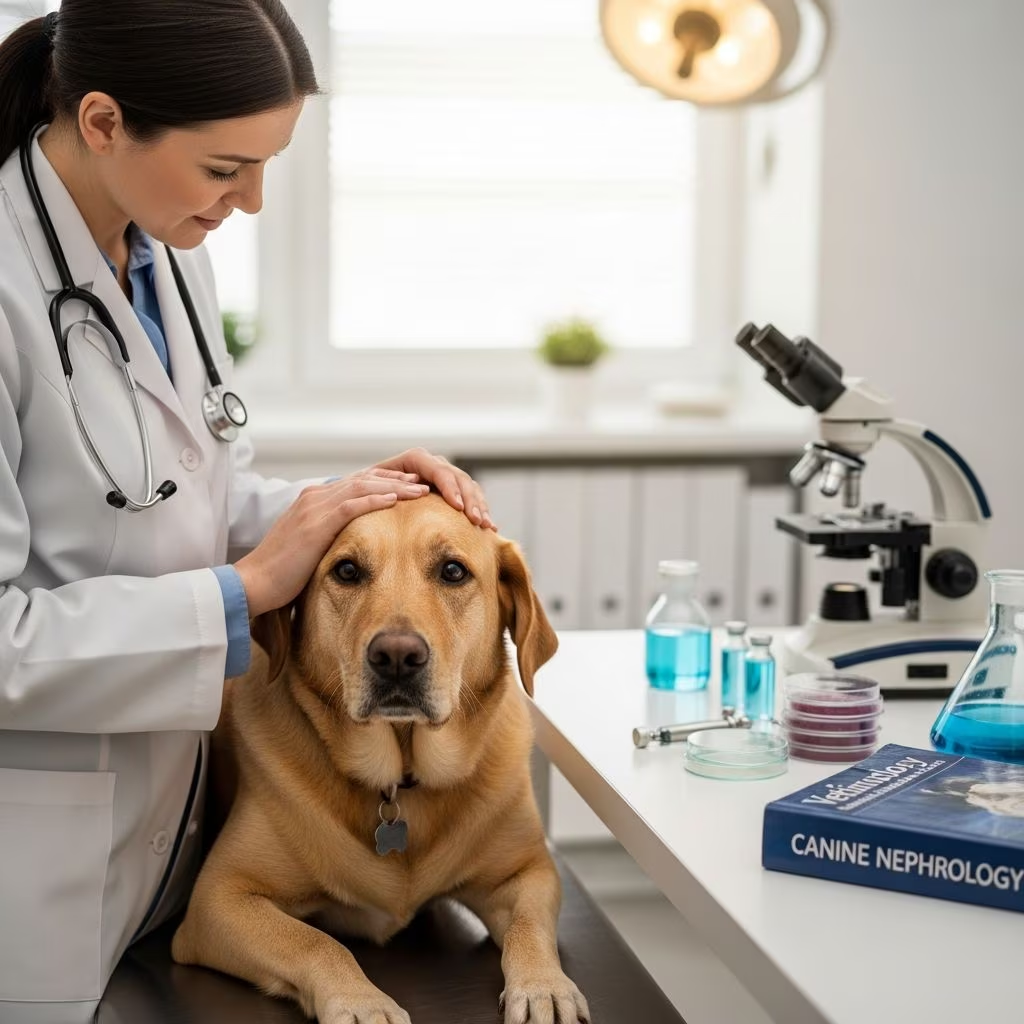
Fanconi Syndrome in Dogs
Fanconi syndrome is a significant metabolic disorder that affects the kidneys’ ability to reabsorb essential nutrients, electrolytes, and other vital compounds. This condition represents a serious health concern for dog owners and requires comprehensive understanding for proper management. The disease can develop as either a congenital genetic condition or be acquired later in life through various causes. Understanding the complexities of Fanconi syndrome is crucial for early detection and effective treatment that can help dogs maintain a good quality of life.
What Is Fanconi Syndrome?
Fanconi syndrome is a disorder of the proximal renal tubules, the part of the kidney responsible for reabsorbing nutrients and electrolytes back into the bloodstream. In dogs with this condition, the renal tubules fail to properly reabsorb glucose, amino acids, electrolytes, and bicarbonate, resulting in their loss through the urine. This dysfunction leads to a cascade of metabolic imbalances that can severely impact the dog’s health if left untreated.
The condition can be classified into two main types: genetic (inherited) Fanconi syndrome and acquired Fanconi syndrome. Genetic Fanconi syndrome is most commonly seen in Basenji dogs, though it can occur in other breeds. Acquired Fanconi syndrome develops secondary to toxin ingestion, medications, or other underlying illnesses. Both forms require careful management and monitoring to prevent progression to chronic kidney failure.
Causes and Risk Factors
The etiology of Fanconi syndrome varies depending on whether the condition is inherited or acquired. Genetic Fanconi syndrome has a hereditary component, with Basenji dogs being particularly susceptible to this form of the disease. The genetic basis makes prevention through selective breeding important for breed health programs.
Acquired Fanconi syndrome can develop from multiple causes:
- Ingestion of toxic substances or contaminated foods
- Certain medications or antibiotics
- Secondary conditions from other illnesses
- Heavy metal exposure
- Some infectious diseases
Understanding the underlying cause is essential because treatment strategies may differ based on etiology. In cases of acquired Fanconi syndrome, identifying and removing the causative agent can sometimes lead to partial or complete recovery of renal function.
Clinical Signs and Symptoms
Dogs with Fanconi syndrome typically exhibit characteristic symptoms that warrant immediate veterinary attention. The most common clinical signs include excessive thirst (polydipsia) and increased urination (polyuria), which often represent the first indicators noticed by owners. These signs result from the kidney’s inability to concentrate urine properly due to electrolyte losses.
Additional symptoms that may develop include:
- Weight loss and poor body condition
- Lethargy and decreased activity levels
- Loss of appetite or decreased food intake
- Vomiting and gastrointestinal upset
- Diarrhea
- Weakness and muscle wasting
- Dehydration despite increased water intake
The severity and progression of symptoms can vary significantly between individual dogs. Some animals may show mild signs that progress slowly over time, while others experience rapid onset and deterioration. Early recognition of these symptoms is critical for initiating appropriate treatment and slowing disease progression.
Diagnosis and Diagnostic Tests
Veterinary diagnosis of Fanconi syndrome requires a combination of clinical examination and laboratory testing. The diagnostic approach typically begins with a thorough history and physical examination, followed by specific laboratory investigations.
Urinalysis is a primary diagnostic tool for Fanconi syndrome. The urine analysis often reveals the presence of glucose (glycosuria), proteins, and electrolytes that should normally be retained in the blood. The finding of glucose in the urine of a non-diabetic dog is particularly suggestive of Fanconi syndrome.
Blood Chemistry Panel helps identify electrolyte imbalances, particularly low potassium (hypokalemia) and low bicarbonate levels. The blood work often reveals metabolic acidosis, a condition where blood pH becomes too acidic due to bicarbonate losses in the urine.
Venous or Arterial Blood Gas Analysis provides direct measurement of acid-base status and bicarbonate levels, helping confirm metabolic acidosis associated with proximal renal tubular dysfunction.
Additional Diagnostic Procedures may include imaging studies and specialized testing to identify underlying causes of acquired Fanconi syndrome. These tests help differentiate genetic from acquired forms and guide treatment decisions.
Disease Progression and Prognosis
The progression of Fanconi syndrome varies significantly between individual dogs and depends on multiple factors including the underlying cause, age of onset, and adherence to treatment protocols. Without appropriate treatment, Fanconi syndrome is progressive and inevitably leads to chronic kidney failure and renal insufficiency.
With proper management and treatment, many dogs can maintain normal or near-normal lifespans. Research indicates that dogs treated with appropriate protocols can achieve lifespans comparable to healthy dogs of the same breed and age. The key to favorable outcomes is early diagnosis and consistent, lifelong adherence to management protocols.
Factors affecting prognosis include:
- Age at diagnosis and disease onset
- Severity of initial electrolyte and acid-base disturbances
- Presence of concurrent kidney disease
- Compliance with treatment and supplementation protocols
- Development of secondary complications
Treatment Approaches and Management
While Fanconi syndrome cannot be cured, it can be effectively managed with appropriate treatment protocols that focus on correcting electrolyte imbalances and preventing disease progression. Treatment strategies differ depending on whether the syndrome is genetic or acquired.
The Gonto Protocol, one of the most widely recognized treatment approaches, involves aggressive supplementation targeting the specific deficiencies seen in Fanconi syndrome. This protocol has demonstrated remarkable success in maintaining long-term health in affected dogs, particularly in Basenji populations.
Components of Comprehensive Management:
- Bicarbonate Supplementation: Sodium bicarbonate or potassium citrate is administered to manage metabolic acidosis and replace bicarbonate losses in the urine.
- Electrolyte Replacement: Potassium supplementation is often necessary to correct hypokalemia (low potassium levels), a common complication.
- Dietary Modifications: Special diets formulated for dogs with kidney disease may be recommended, with careful attention to protein content and mineral composition.
- Vitamin and Mineral Supplementation: Folic acid, cobalamin (vitamin B12), and other essential nutrients may be supplemented to address losses.
- Fluid Support: Ensuring adequate hydration is crucial; dogs should always have access to fresh water and be encouraged to drink frequently.
In cases of acquired Fanconi syndrome caused by toxin ingestion, removing the causative agent is the first priority. Some dogs, particularly those with acquired Fanconi syndrome from toxic causes, may show significant improvement or complete recovery with proper supportive care.
Monitoring and Long-Term Care
Dogs diagnosed with Fanconi syndrome require ongoing veterinary supervision and home management to ensure optimal health outcomes. Continuous monitoring allows for early detection of complications and adjustment of treatment protocols as needed.
Veterinary Monitoring:
- Regular blood and urine testing to assess electrolyte levels and kidney function
- Repeat blood gas analysis to evaluate acid-base status and bicarbonate levels
- Physical examinations to assess overall health and detect emerging complications
- Monitoring for signs of progression to chronic kidney failure
Home Management Responsibilities:
- Consistent administration of prescribed supplements and medications
- Strict adherence to dietary recommendations
- Ensuring constant access to fresh, clean water
- Monitoring for new or worsening symptoms
- Recording any changes in urination, appetite, or behavior
- Prompt reporting of concerning signs to the veterinarian
Dogs on long-term supplementation protocols may require initial intensive treatment followed by maintenance therapy. Some dogs, particularly those with acquired Fanconi syndrome, may gradually reduce their dependence on supplementation as renal function stabilizes and improves.
Special Considerations and Complications
Dogs with Fanconi syndrome may develop additional health complications that require specialized management. Elevated liver enzyme levels are commonly observed and should be monitored. Urinary tract infections are frequent complications and should be treated promptly and aggressively, as they can accelerate disease progression.
Some dogs with Fanconi syndrome experience seizure activity related to electrolyte disturbances, uremia, or metabolic acidosis. These seizures may require specific anti-seizure medications and careful coordination with overall disease management.
Progression to chronic kidney failure remains a significant concern despite optimal management. If kidney failure develops, prognosis becomes more guarded, and additional therapeutic interventions may be needed, including potential hospitalization for intravenous fluid therapy.
Quality of Life Considerations
With appropriate treatment and management, most dogs with Fanconi syndrome can maintain an excellent quality of life. Many treated dogs show marked improvement in their clinical signs, with resolution of excessive thirst, decreased urination frequency, and improved energy levels. Dogs often regain normal appetite and body weight with proper dietary management and supplementation.
The key to maintaining quality of life is consistent, lifelong adherence to the treatment protocol and regular veterinary monitoring. Pet owners who understand the importance of compliance and work closely with their veterinarians report high satisfaction with long-term outcomes in their affected dogs.
Frequently Asked Questions About Fanconi Syndrome
Q: Can Fanconi syndrome be cured?
A: No, Fanconi syndrome cannot be cured, but it can be effectively managed with appropriate treatment protocols involving supplementation, dietary modifications, and regular monitoring to prevent progression to kidney failure.
Q: Is Fanconi syndrome hereditary?
A: Fanconi syndrome can be either genetic or acquired. Genetic Fanconi syndrome is hereditary and most common in Basenji dogs. Acquired Fanconi syndrome develops secondary to toxin ingestion, medications, or other illnesses.
Q: How long can a dog live with Fanconi syndrome?
A: With proper treatment and management, dogs with Fanconi syndrome can live normal lifespans. Research shows that treated dogs have comparable life expectancies to healthy dogs of the same breed when managed with appropriate supplementation protocols.
Q: What is the Gonto Protocol?
A: The Gonto Protocol is an established treatment regimen involving aggressive supplementation with bicarbonate, electrolytes, vitamins, and minerals to address the deficiencies caused by Fanconi syndrome. It has proven highly effective in managing the condition.
Q: Can acquired Fanconi syndrome be reversed?
A: In some cases of acquired Fanconi syndrome, particularly those caused by toxin ingestion, dogs can experience partial or complete recovery of renal function with appropriate supportive care and removal of the causative agent.
Q: What symptoms require immediate veterinary attention?
A: Symptoms such as weakness, weight loss, vomiting, diarrhea, refusal to eat, or changes in urination patterns warrant immediate veterinary evaluation, as these may indicate disease progression or complications.
References
- Fanconi Syndrome in Dogs: A Review — Clinician’s Brief. 2024. https://www.cliniciansbrief.com/article/fanconi-syndrome-review
- Fanconi Syndrome in Dogs — PetMD. 2024. https://www.petmd.com/dog/conditions/urinary/fanconi-syndrome-dogs
- Outcome of Acquired Fanconi Syndrome Associated with Ingestion — National Center for Biotechnology Information. 2023. https://pmc.ncbi.nlm.nih.gov/articles/PMC9686646/
- Renal Tubular Defects in Dogs and Cats — Merck Veterinary Manual. 2024. https://www.merckvetmanual.com/urinary-system/noninfectious-diseases-of-the-urinary-system-in-small-animals/renal-tubular-defects-in-dogs-and-cats
- Fanconi Disease Management Protocol for Veterinarians — Basenji Rescue and Transport. 2024. https://www.basenjirescue.org/fanconi/Fanconi-Protocol-Current.pdf



