

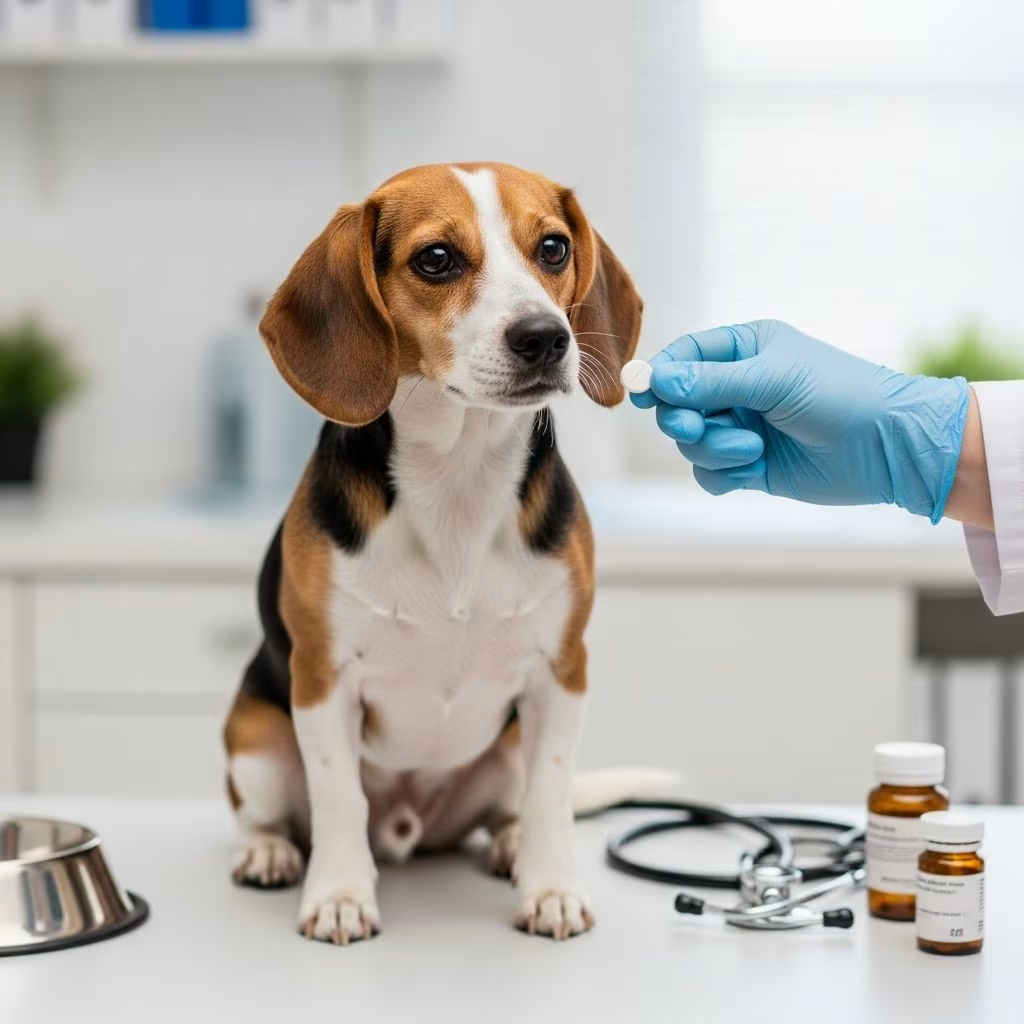
Famotidine for Dogs: Complete Guide to Uses and Dosage
Famotidine, commonly known by its brand name Pepcid, is a medication frequently prescribed by veterinarians to treat and prevent gastric issues in dogs. This H2 receptor antagonist works by reducing the production of stomach acid, making it effective for managing various gastrointestinal conditions. Understanding how famotidine works, proper dosing, and potential side effects is essential for pet owners whose dogs require this medication.
What is Famotidine?
Famotidine is an H2 receptor antagonist, a class of medications that reduce stomach acid production by blocking histamine-2 receptors in the stomach lining. This medication has been used in both human and veterinary medicine for decades and is considered safe and effective for short-term gastrointestinal management in dogs. The medication comes in multiple formulations, making it convenient for different administration preferences and clinical situations.
Uses of Famotidine in Dogs
Veterinarians prescribe famotidine for dogs to treat and prevent several gastrointestinal conditions. The primary uses include:
- Treating and preventing gastric and duodenal ulcers
- Managing esophagitis (inflammation of the esophagus)
- Reducing stomach acid in cases of acid reflux
- Providing gastroprotection in dogs on certain medications or with specific health conditions
- Managing mast cell tumors as an adjunctive treatment to reduce associated gastric issues
Famotidine is most effective for short-term use and is typically prescribed for a limited duration until the underlying condition improves. Extended use may require veterinary reassessment to determine ongoing necessity.
Famotidine Dosage for Dogs
The standard dosage of famotidine for dogs is based on their body weight. Proper dosing is crucial for therapeutic effectiveness and to minimize potential side effects. The recommended dose ranges from 0.5 to 1 milligram per kilogram of body weight, which converts to approximately 0.25 to 0.5 milligrams per pound of body weight.
Famotidine can be administered every 24 hours in most cases, though some veterinarians may recommend twice-daily dosing for certain conditions or to maintain effectiveness with prolonged treatment. The frequency and duration of treatment depend on the specific condition being treated, the dog’s response to therapy, and veterinary guidance.
Dosage Chart by Weight
| Dog Weight (lbs) | Low Dose (mg) | High Dose (mg) | Frequency |
|---|---|---|---|
| 5–10 | 1.25–2.5 | 2.5–5 | Every 24 hours |
| 11–21 | 2.75–5.25 | 5.5–10.5 | Every 24 hours |
| 22–44 | 5.5–11 | 11–22 | Every 24 hours |
| 45–66 | 11.25–16.5 | 22.5–33 | Every 24 hours |
| 67–88 | 16.75–22 | 33.5–44 | Every 24 hours |
| 89–132 | 22.25–33 | 44.5–66 | Every 24 hours |
| 133–176 | 33.25–44 | 66.5–88 | Every 24 hours |
Note: Always consult with your veterinarian for exact dosing based on your individual dog’s medical condition and needs. The dosage chart above is for reference only.
How is Famotidine Given?
Famotidine is available in several convenient forms, allowing veterinarians to choose the most suitable option for each dog and situation.
Administration Forms
- Tablets: Available in 10 mg, 20 mg, and 40 mg strengths
- Oral liquid suspension: Useful for small dogs or those who have difficulty swallowing tablets
- Capsules: An alternative oral form offered by some manufacturers
- Injectable form: Administered by veterinary professionals in clinical settings
Proper Administration Instructions
Administering famotidine correctly maximizes its effectiveness. Following these guidelines ensures your dog receives optimal benefit from the medication:
- Give famotidine on an empty stomach before a meal for best results
- If giving once daily, the ideal time is approximately 30 minutes before the first meal of the day
- If your dog vomits when given the medication without food, try administering it with a small amount of food or a treat
- Maintain consistency in timing for twice-daily dosing schedules
- Follow your veterinarian’s specific instructions regarding frequency and duration
The medication should begin working within 1 to 2 hours of administration. However, the effects may not be immediately noticeable to pet owners, and laboratory tests may be required to evaluate the medication’s effectiveness.
Over-the-Counter Famotidine
Famotidine is available without a prescription in many locations. Over-the-counter versions come in 10 mg and 20 mg tablets. When using over-the-counter famotidine for your dog, ensure that the product contains no other active ingredients and that you administer accurate dosages under your veterinarian’s guidance.
Side Effects of Famotidine
While famotidine is generally well-tolerated in dogs, pet owners should be aware of potential side effects. Most dogs take famotidine without experiencing problems, and the medication does not typically have a bitter taste that causes drooling.
Common Side Effects
Side effects from famotidine are uncommon at recommended doses, but may include:
- Mild gastrointestinal upset
- Decreased appetite
- Lethargy or drowsiness
Overdose Effects
Exceeding recommended doses can result in more serious side effects. Overdosage via intravenous administration may cause vomiting, increased heart rate, and hypersalivation. Chronic overdosage through oral administration can result in mild weight loss. Overall, H2 antagonists have fairly wide margins of safety, though veterinarians have not specified a maximum dose and rarely prescribe more than the recommended daily dose of 0.5 mg to 1 mg per kilogram of body weight.
Duration of Treatment
Pet owners often wonder how long their dog should remain on famotidine. Unlike some medications, famotidine is intended for short-term use. Most pet parents dose their dog daily for several weeks, but typically not much longer.
In humans, healthcare providers usually prescribe famotidine only for short-term treatment—a few weeks to a couple of months—just enough time to resolve the problem. Veterinarians typically follow the same approach. Additionally, famotidine can lose effectiveness if used continuously for more than two weeks, which is why twice-daily dosing is sometimes recommended for extended treatment periods.
Drug Interactions and Precautions
Before starting famotidine, inform your veterinarian about any other medications your dog is taking. Famotidine may interact with certain medications, potentially affecting their absorption or efficacy. Your veterinarian can assess potential interactions and adjust dosing or medication schedules if necessary.
Dogs with severe kidney disease may require dosage adjustments, as the kidneys play a role in eliminating famotidine from the body. Senior dogs or those with pre-existing kidney issues should be monitored carefully while on this medication.
Frequently Asked Questions About Famotidine for Dogs
Q: Can I give my dog over-the-counter famotidine?
A: Yes, over-the-counter famotidine is available and can be used for dogs under veterinary guidance. However, ensure the product contains only famotidine with no other active ingredients, and always follow your veterinarian’s dosage recommendations based on your dog’s weight and condition.
Q: How long does it take for famotidine to work?
A: Famotidine typically begins working within 1 to 2 hours of administration. However, the effects may not be immediately noticeable, and your veterinarian may recommend laboratory tests to confirm the medication is effectively reducing stomach acid production.
Q: Can I give famotidine with food?
A: Famotidine works best when given on an empty stomach approximately 30 minutes before meals. However, if your dog vomits when given the medication without food, you can administer it with a small amount of food or a treat to prevent digestive upset.
Q: Is famotidine safe for long-term use in dogs?
A: Famotidine is primarily intended for short-term use, typically lasting a few weeks to a couple of months. Long-term continuous use may reduce its effectiveness, and your veterinarian may recommend periodic breaks or twice-daily dosing schedules for extended treatment.
Q: What should I do if I miss a dose of famotidine?
A: If you miss a dose, give it as soon as you remember unless it is nearly time for the next scheduled dose. Do not double-dose to make up for a missed dose. Contact your veterinarian if you are unsure about how to proceed.
Q: Are there any breeds that should not receive famotidine?
A: Famotidine is generally safe for all dog breeds at appropriate doses. However, individual dogs with certain medical conditions, particularly severe kidney disease or specific medication interactions, may require dosage adjustments or alternative treatments. Always inform your veterinarian of your dog’s complete medical history.
Q: Can famotidine be given with other medications?
A: Famotidine may be given with other medications, but inform your veterinarian about all current medications. Some drugs may interact with famotidine, affecting absorption or efficacy. Your veterinarian can adjust dosing schedules or recommend alternative treatments if necessary.
When to Contact Your Veterinarian
Contact your veterinarian if your dog experiences any of the following while taking famotidine:
- Persistent vomiting or inability to keep food down
- Severe loss of appetite
- Unusual lethargy or behavior changes
- Signs of allergic reaction (facial swelling, difficulty breathing)
- Lack of improvement in symptoms after several weeks of treatment
- Any other concerning symptoms or changes in your dog’s health
Additionally, inform your veterinarian if you suspect your dog has overdosed on famotidine or if you have questions about the appropriate dosage for your dog’s specific condition.
Conclusion
Famotidine is a safe and effective medication for managing various gastrointestinal conditions in dogs when used as directed by a veterinarian. Understanding proper dosing, administration techniques, and potential side effects helps ensure your dog receives optimal therapeutic benefit. Always follow your veterinarian’s specific instructions and maintain regular communication about your dog’s response to treatment. With proper use, famotidine can provide significant relief for dogs suffering from gastric ulcers, acid reflux, and related conditions.
References
- Famotidine for Dogs: Dosage Chart and Safety Considerations — SingleCare. 2024. https://www.singlecare.com/blog/famotidine-for-dogs/
- Famotidine for Dogs — Whole Dog Journal. 2024. https://www.whole-dog-journal.com/health/famotidine-for-dogs/
- Pepcid for Dogs — PetPlace.com. 2024. https://www.petplace.com/article/drug-library/drug-library/library/famotidine-pepcid-for-dogs
- Antiulcerative Drugs — Merck Veterinary Manual. 2024. https://www.merckvetmanual.com/multimedia/table/antiulcerative-drugs
- Famotidine (Pepcid) for Dogs and Cats — WebMD. 2024. https://www.webmd.com/pets/pet-meds/famotidine-dogs-cats
- Pepcid (Famotidine) for Dogs: Uses, Dosage, Side Effects — GoodRx. 2024. https://www.goodrx.com/pet-health/dog/famotidine-for-dogs
- Famotidine — VCA Animal Hospitals. 2024. https://vcahospitals.com/know-your-pet/famotidine



