

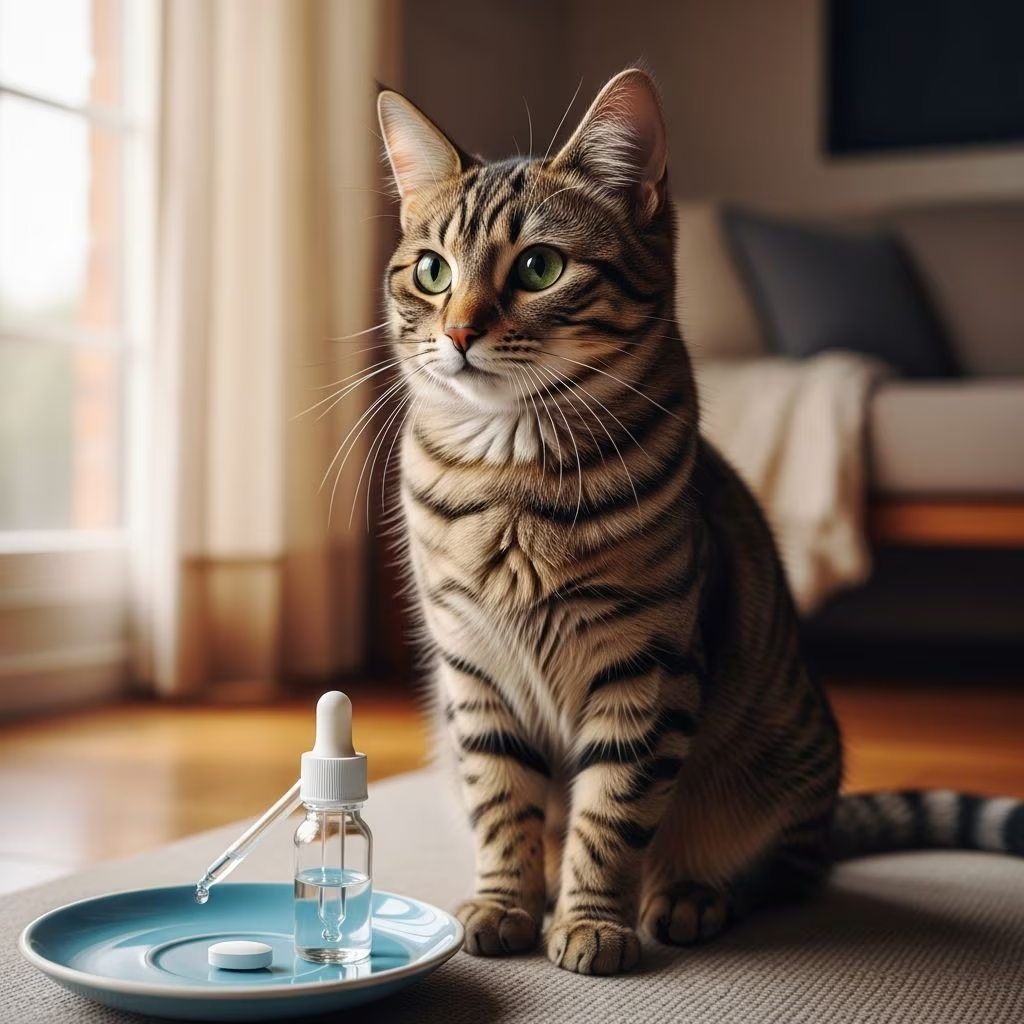
Famotidine, commonly known by the brand name Pepcid, serves as an effective histamine-2 receptor antagonist (H2RA) to reduce stomach acid production in cats. Veterinarians often prescribe it off-label for conditions like esophagitis, gastritis, and gastroesophageal reflux disease (GERD). This medication provides relief from symptoms such as vomiting and appetite loss by creating a less acidic environment in the stomach.
Understanding Famotidine’s Role in Feline Digestion
Cats frequently suffer from gastrointestinal disturbances due to their sensitive digestive systems. Famotidine works by blocking histamine receptors on stomach cells, which decreases acid secretion. This action helps heal irritated tissues and prevents further damage from excess acidity. Unlike proton pump inhibitors (PPIs), famotidine offers moderate suppression suitable for short-term management of mild to moderate cases.
Common feline conditions benefiting from this drug include kidney-related nausea, inflammatory bowel issues, and stress-induced stomach upset. It’s particularly useful in older cats prone to chronic kidney disease, where nausea manifests without obvious vomiting. Administering famotidine appropriately can improve quality of life by restoring normal eating habits and reducing discomfort.
Recommended Dosages for Cats
Veterinarians tailor famotidine dosages based on a cat’s weight, health status, and condition severity. The standard range is 0.25 to 0.5 mg per pound of body weight, administered every 12 to 24 hours. For most adult cats averaging 8-12 pounds, this equates to about 5 mg once or twice daily.
| Cat Weight (lbs) | Low Dose (0.25 mg/lb) | High Dose (0.5 mg/lb) | Frequency |
|---|---|---|---|
| 5 | 1.25 mg | 2.5 mg | Every 12-24 hours |
| 8 | 2 mg | 4 mg | Once or twice daily |
| 10 | 2.5 mg | 5 mg | Monitor response |
| 12 | 3 mg | 6 mg | Vet-adjusted |
| 15 | 3.75 mg | 7.5 mg | Short-term use preferred |
These doses are approximate; always obtain precise instructions from a vet. Tablets come in 10 mg, 20 mg, or 40 mg strengths, often quartered for small cats. Liquid forms allow precise measurement, especially for finicky eaters.
Conditions Treated with Famotidine in Cats
- Chronic Vomiting: Reduces acid to break the cycle of irritation and regurgitation.
- Stomach Ulcers: Promotes healing by minimizing acid exposure.
- Esophagitis: Eases inflammation from acid reflux into the esophagus.
- Kidney Disease Symptoms: Controls nausea linked to uremia in cats with renal impairment.
- GERD: Prevents acid backflow, reducing heartburn-like discomfort.
In cases of inflammatory conditions or post-surgical recovery, famotidine supports overall GI stability. It’s not a cure but a supportive therapy alongside dietary changes and other medications.
Administration Best Practices
For optimal absorption, give famotidine on an empty stomach, ideally 30-60 minutes before meals. Morning dosing aligns with natural acid peaks, providing daytime protection. Shake liquid suspensions well and use a syringe for accurate delivery into the cheek pouch.
If vomiting follows administration, try a small treat or food morsel to buffer it. Never double doses if one is missed; resume the schedule as normal. Store tablets in a cool, dry area and refrigerate liquids per label instructions.
Potential Side Effects and Monitoring
Famotidine is generally well-tolerated in cats, with rare adverse effects. Possible reactions include lethargy, loss of appetite, or diarrhea, often resolving upon discontinuation. In overdose scenarios, symptoms like rapid heartbeat or agitation may occur—contact a vet immediately.
- Monitor for behavioral changes during the first few days.
- Track vomiting frequency and appetite improvements.
- Regular bloodwork for cats on long-term therapy checks kidney and liver function.
Tolerance can develop with daily use beyond two weeks, reducing efficacy. Alternate-day dosing may mitigate this, though it provides weaker suppression.
Precautions and Contraindications
Avoid famotidine in cats with known hypersensitivity or severe liver/kidney dysfunction without dose adjustments. Pregnant or nursing queens require veterinary clearance due to limited safety data. Inform your vet of all concurrent medications to prevent interactions, such as with antacids or certain antibiotics.
Human formulations like Pepcid Complete contain antacids unsuitable for cats; stick to plain famotidine. Secure storage prevents accidental pet or child ingestion.
Comparing Famotidine to Other Acid Reducers
| Feature | Famotidine (Pepcid) | Ranitidine (Zantac) | Omeprazole (PPI) |
|---|---|---|---|
| Onset | 1-3 hours | 1-2 hours | 1-4 hours |
| Duration | 12-24 hours | 8-12 hours | 24+ hours |
| Tolerance Risk | Moderate | Low | Low |
| Best For | Short-term GI relief | Mild cases | Severe ulcers |
Famotidine strikes a balance for feline use, offering reliable suppression without strong motility effects that some alternatives provide.
Long-Term Management Strategies
For chronic issues, combine famotidine with bland diets, stress reduction, and probiotics. Transition to every-other-day dosing if tolerance appears. Veterinary follow-ups ensure ongoing efficacy, potentially switching to PPIs for refractory cases.
Kidney disease patients benefit from low-dose daily regimens, like 1/4 of a 10 mg tablet, to curb nausea without overload.
Frequently Asked Questions (FAQs)
Can I give famotidine to my cat without a vet?
No—always consult a veterinarian for proper diagnosis and dosing to avoid complications.
How quickly does famotidine work in cats?
Effects begin within 1-3 hours, with peak acid reduction in 2-4 hours.
Is famotidine safe for kittens?
Use only under strict veterinary supervision; dosages are weight-based and lower for young cats.
What if my cat refuses the pill?
Compound into a flavored liquid or hide in a pill pocket treat.
Does famotidine interact with other pet meds?
Possible with sucralfate or ketoconazole; disclose full medication list to your vet.
Research Insights on Famotidine Efficacy
Studies show twice-daily dosing at 0.5-1 mg/kg achieves pH goals initially but wanes over 14 days due to tolerance in healthy cats. Intermittent regimens preserve effectiveness better for maintenance therapy. Clinical trials emphasize short-term use for optimal results in acid-related disorders.
Peer-reviewed data confirms famotidine’s role in feline gastrin modulation, supporting its place in GI protocols alongside diagnostics like endoscopy.
References
- Famotidine (Pepcid) for Dogs and Cats — PetPlace.com. 2023. https://www.petplace.com/article/drug-library/drug-library/library/famotidine-pepcid-for-dogs
- How is famotidine used for cats? — SingleCare. 2024. https://www.singlecare.com/blog/famotidine-for-cats/
- Famotidine (Pepcid) for Dogs and Cats — WebMD Pets. 2023. https://www.webmd.com/pets/pet-meds/famotidine-dogs-cats
- The frequency of oral famotidine administration influences its effect on intragastric pH in healthy cats — PMC (PubMed Central). 2019-03-29. https://pmc.ncbi.nlm.nih.gov/articles/PMC6430900/
- Famotidine | VCA Animal Hospitals — VCA. 2024. https://vcahospitals.com/know-your-pet/famotidine



