

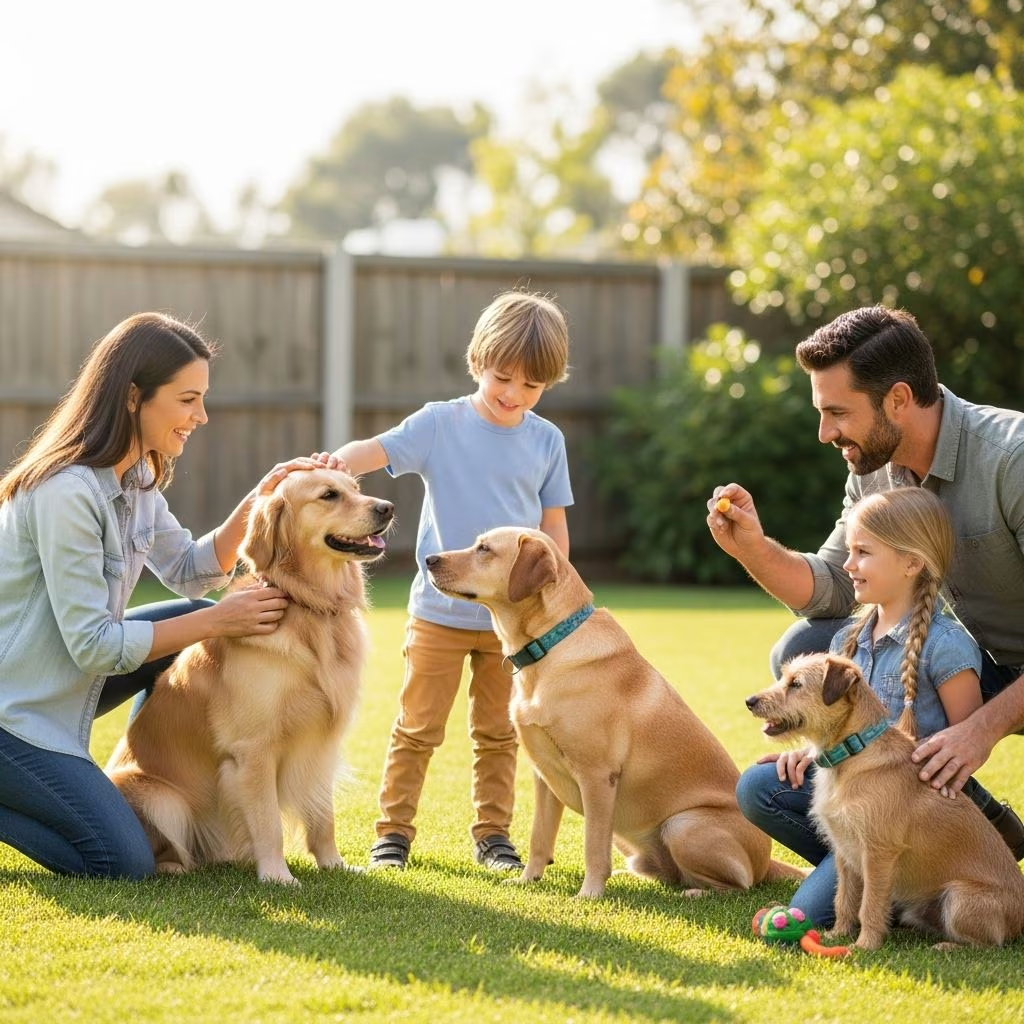
Bringing children into your family dog’s training routine creates lasting bonds, teaches valuable life lessons, and ensures safer interactions. This comprehensive guide outlines practical, age-specific strategies using positive reinforcement to make training enjoyable for everyone involved.
Benefits of Family-Wide Dog Training
Involving the whole household, especially children, in dog training fosters consistency, which is key to effective learning for pets. When family members use the same cues and rewards, dogs progress faster and feel more secure. Children gain skills like patience and clear communication, while dogs benefit from broader socialization.
- Builds empathy: Kids learn to read canine signals, understanding when a dog is happy or stressed.
- Promotes responsibility: Regular short sessions teach follow-through without overwhelming young schedules.
- Enhances safety: Trained interactions reduce mishaps, as seen in cases where toddlers quickly master calming techniques for excitable pups.
Research supports early animal involvement for children’s development, including better social skills and physical activity.
Age-Appropriate Training Roles
Tailor involvement to developmental stages for maximum success and safety. Always supervise, starting with known behaviors before new ones.
Toddlers (0-4 Years)
Young children can’t lead sessions independently but thrive through observation and simple participation. Positive exposure builds mutual comfort from infancy.
- Carry or stroller-walk the dog together, associating the child with pleasant outings.
- Position the child safely nearby during parent-led training; let them pass treats to reinforce positivity.
- For older toddlers, prompt known commands like “sit” with parental guidance on treat timing.
These steps familiarize both parties, preventing fear-based reactions later.
Elementary Schoolers (5-10 Years)
This group excels at game-like training, turning lessons into play to maintain engagement. Focus on fun, short bursts to avoid frustration.
| Activity | Goal | Tips |
|---|---|---|
| Clicker Basics | Link sound to reward | Repeat click-treat 10-15 times; explain “Click means good job!” |
| Simple Commands | Practice sit/down | Use upbeat tone, praise lavishly; stop if either tires. |
| Play Games | Hide-and-seek recalls | Hide in safe spots, reward finds with treats/toys. |
Emphasize positive reinforcement: reward desired actions immediately, ignoring others.
Tweens and Teens (11+ Years)
Older kids handle complex tasks like luring new behaviors or group classes. They can lead supervised sessions, teaching heel or leave-it.
- Join 4-H programs for structured dog sports and competitions.
- Attend obedience classes as helpers, practicing amid distractions.
- Generalize cues in real-world spots like parks or stores.
Core Training Techniques for Kids
Positive methods ensure fun and effectiveness. Punishment erodes trust; rewards build it.
Mastering Positive Reinforcement
Dogs repeat behaviors followed by good outcomes. Kids grasp this “What’s in it for me?” mindset easily, mirroring their own prize motivations.
- Charge the Marker: Pair clicker (or “yes!”) with treats repeatedly.
- Capture Behaviors: Click when dog offers sits/downs naturally.
- Lure New Skills: Use treats to guide positions, fading the lure over time.
- Jackpot Progress: Shower extra treats for breakthroughs, celebrating with kid too.
Teaching a Reliable “Down”
A foundational calm cue, perfect for family practice.
- Stand near dog; child lures with treat from nose to floor.
- Click/treat the moment elbows hit ground.
- Add verbal cue once consistent, then practice cue-only.
- Expand to walks, parks; jackpot in challenging spots.
Recall Games for Bonding
Turn chases into training: child steps back with treat, clicking when dog follows. Progress to hiding for joyful reunions.
Safety First: Rules and Boundaries
Supervision is non-negotiable. Teach kids dog language to spot stress (yawns, lip licks, stiff posture).
- Adults handle corrections; kids focus on rewards.
- Define roles: training yes, solo discipline no.
- Provide dog a quiet retreat space.
- If dog is large/energetic or kid is inexperienced, consult professionals first.
Management prevents issues: consistent rules across family ensure harmony.
Overcoming Common Hurdles
Challenges arise, but solutions keep momentum.
- Boredom: Rotate games, keep sessions under 5 minutes.
- Inconsistency: Create a cue chart for all family members.
- Frustration: End on successes; resume later.
- Distractions: Build gradually from quiet home to busy outdoors.
Tools and Resources for Success
Equip kids with kid-friendly gear.
- Soft treats, clickers or markers.
- Toy pouches for easy access.
- Visual charts tracking progress.
Explore classes or 4-H for community support.
FAQs
Can very young kids train dogs?
Yes, through supervised observation and treat-handing; it builds early comfort.
What if my dog jumps on my child?
Use management (leash/tether) and teach calm greetings; seek trainer if persistent.
How often should we train?
Multiple 2-5 minute sessions daily beat long ones; leverage daily routines.
Is a clicker necessary?
No, but it precisely marks good timing, speeding learning.
What breeds suit kid training?
Any well-socialized dog; match energy levels and supervise large breeds closely.
Long-Term Rewards
Family training yields confident kids, obedient dogs, and joyful homes. Short daily efforts compound into lifelong companions. Start small, stay positive, and watch relationships flourish.
References
- How to Involve Elementary-Aged Kids in Dog Training — Scallywags Dog Training. 2026-03-24. https://scallywagsdogtraining.com/2026/03/24/how-to-involve-elementary-aged-kids-in-dog-training/
- The Power of Consistency: How to Get Your Entire Family Involved in Dog Training — Happy with Dogs. N/A. https://happywithdogs.com/the-power-of-consistency-how-to-get-your-entire-family-involved-in-dog-training/
- How To Get Your Child Involved In Dog Training — Synapse Canine. N/A. https://synapsecanine.com/blog/dog-training-for-kids/
- Getting Your Children Involved in Training the Family Dog — Whole Dog Journal. N/A. https://www.whole-dog-journal.com/training/getting-your-children-involved-in-training-the-family-dog/
- Working with Dogs and Children — IAABC Journal. N/A. https://journal.iaabcfoundation.org/working-with-dogs-and-children/
- Trainers Discuss Best Practices for Introducing Dogs to Children — Prime Paw. N/A. https://primepaw.com/trainers-discuss-best-practices-for-introducing-dogs-to-children-and-new-family-members/



