
False Pregnancy In Pets: A Comprehensive Guide For Owners
Explore the causes, symptoms, and care strategies for pseudopregnancy in dogs and cats, a common yet often misunderstood condition in unspayed females.
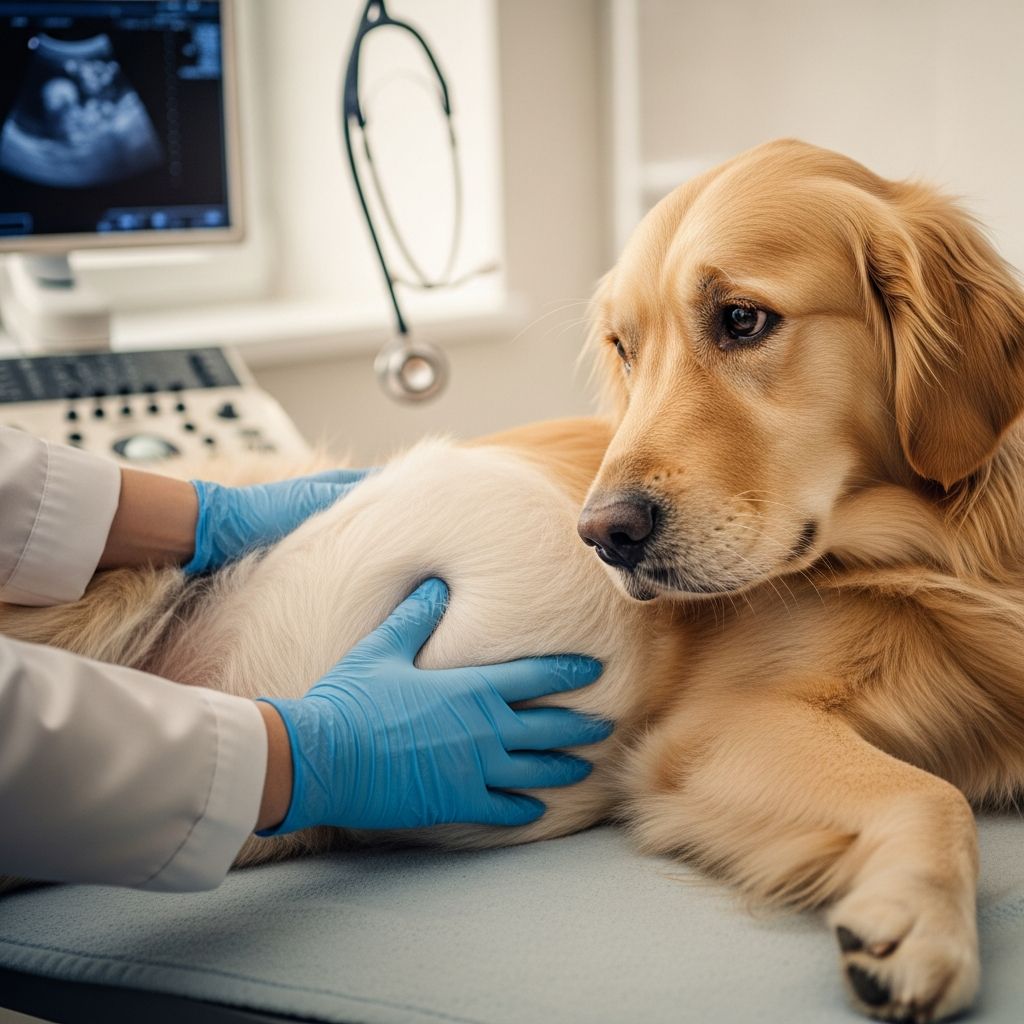
Pseudopregnancy, also known as false pregnancy or pseudocyesis, is a natural physiological event primarily affecting unspayed female dogs, though it can occur less commonly in cats. Triggered by hormonal shifts post-estrus, it mimics true pregnancy without actual gestation, leading to physical and behavioral changes that concern many pet owners.
Understanding the Hormonal Basis
The condition arises 45-60 days after a female dog’s heat cycle, when progesterone levels—elevated post-ovulation—decline sharply. This drop stimulates prolactin release, a hormone driving milk production and maternal instincts even in non-pregnant animals. In cats, similar mechanisms may play a role, though cases are rarer and often self-resolve without intervention.
Spaying during late estrus can acutely induce pseudopregnancy by abruptly halting progesterone supply, prompting prolactin surges. Delaying ovariohysterectomy by 8-10 weeks post-estrus minimizes this risk. Underlying issues like hypothyroidism or liver dysfunction can extend symptoms by impairing hormone clearance, warranting diagnostic screening for prolonged cases.
Recognizing Physical Manifestations
Physical signs typically emerge 4-9 weeks post-estrus and vary in intensity. Common indicators include:
- **Mammary gland enlargement**: Swollen glands with or without milk leakage, reported in 89% of veterinary cases.
- **Fluid retention and weight gain**: Dogs retain fluids, appearing bloated despite reduced appetite.
- **Lethargy and vomiting**: Periodic nausea and decreased energy levels mimic early pregnancy discomfort.
These changes stem from prolactin’s influence on mammary tissue and fluid balance. In severe instances, mastitis—inflammation of the mammary glands—may develop, requiring prompt veterinary attention. Appetite loss is frequent, yet weight stability persists due to fluid accumulation.
Behavioral Changes and Their Impact
Behavioral alterations often alarm owners more than physical ones. Prolactin fuels instincts like:
- **Nesting and mothering**: Dogs gather toys, pillows, or fabrics, treating them as puppies.
- **Restlessness and aggression**: Heightened protectiveness or irritability, noted by 97% of UK vets.
- **Excessive licking**: Focused on the abdomen or mammary area, perpetuating milk flow.
- **Decreased activity**: Lethargy paired with disinterest in play or walks.
These behaviors intensify with successive heat cycles and can last weeks. In spayed dogs, they may mimic other disorders if timing isn’t linked to recent surgery. A UK survey found 96% of vets observed behavioral-only cases, suggesting underdiagnosis.
Diagnosis: Ruling Out True Concerns
Diagnosis relies on history and clinical presentation in non-pregnant, intact females, as no specific hormone tests confirm pseudopregnancy—levels overlap with normal cycles. Vets assess:
| Factor | Key Checks |
|---|---|
| Timing | 4-9 weeks post-estrus or recent spay |
| Physical Exam | Mammary development, fluid retention, no fetal signs |
| Behavioral History | Mothering objects, nesting, aggression |
| Exclusions | Ultrasound for pregnancy, bloodwork for hypothyroidism |
Ultrasound distinguishes from true pregnancy or pyometra. Prolonged symptoms (>8 weeks) prompt thyroid and liver panels. Severity varies; some dogs show mild signs per cycle, others dramatic displays.
Management Strategies for Comfort
Most cases resolve spontaneously in 2-3 weeks without treatment. Supportive care focuses on minimizing stimulation:
- Remove ‘puppies’ (toys) to curb mothering.
- Prevent self-nursing with e-collars or t-shirts.
- Discourage abdominal licking or petting mammary areas.
- Maintain light exercise and balanced diet to manage weight.
For severe physical signs, cabergoline—a prolactin inhibitor—offers rapid relief. Studies show mammary resolution in 7 days, though 68% need repeat doses. It’s costly but effective; alternatives are limited. Aggression or mastitis may require additional therapies like antibiotics.
Prevention: The Role of Spaying
Ovariohysterectomy eliminates pseudopregnancy by removing ovarian hormone sources. Performed pre-estrus or well post-cycle, it prevents recurrence permanently. Early spaying (before first heat) also reduces mammary tumor risks, compounding benefits.
Owners of breeding dogs may opt for cycle management, but repeated episodes intensify, impacting welfare. Consult vets on timing to avoid iatrogenic induction.
Special Considerations in Cats
While less documented, cats exhibit similar signs post-estrus: mammary swelling, milk production, and nesting. Resolution is typically swift without drugs, as hormonal manipulation risks outweigh benefits. Monitor for mastitis; spaying prevents future occurrences.
Frequently Asked Questions (FAQs)
Is pseudopregnancy painful for my dog?
Generally not, though mammary engorgement or mastitis can cause discomfort. Most dogs remain comfortable.
Will false pregnancy affect future fertility?
No, it’s a normal cycle event with no lasting reproductive impact.
How long do symptoms last?
Typically 2-3 weeks, up to 8 weeks if underlying issues exist.
Can spayed dogs get it?
Yes, especially if spayed in diestrus; 49% of UK vets report such cases.
Should I breed my dog during pseudopregnancy?
No—the next estrus is 4-6 months away; symptoms don’t indicate fertility.
Long-Term Monitoring and Owner Tips
Track cycles to anticipate episodes. Journal symptoms for vet discussions. If aggression escalates or physical signs persist, seek care promptly. Education empowers owners; many cases go unnoticed as ‘covert’ physiology.
Pseudopregnancy underscores intact pets’ reproductive complexities. While benign, it highlights spaying’s welfare advantages. Collaborate with vets for tailored plans.
References
- Canine Pseudopregnancy — UC Davis School of Veterinary Medicine. 2023. https://healthtopics.vetmed.ucdavis.edu/health-topics/canine/canine-pseudopregnancy
- False Pregnancy in Dogs — The Animal Medical Center. 2010-09-20. https://www.amcny.org/blog/2010/09/20/false-pregnancy-in-dogs/
- False Pregnancy or Pseudopregnancy in Dogs — VCA Animal Hospitals. Accessed 2026. https://vcahospitals.com/know-your-pet/false-pregnancy-or-pseudopregnancy-in-dogs
- Diagnosis and Treatment of Canine Pseudopregnancy — dvm360. Accessed 2026. https://www.dvm360.com/view/diagnosis-and-treatment-of-canine-pseudopregnancy
- Canine pseudopregnancy: an evaluation of prevalence and current… — PMC (NCBI). 2018-05-25. https://pmc.ncbi.nlm.nih.gov/articles/PMC5968611/
- Pseudopregnancy in Small Animals — Merck Veterinary Manual. Accessed 2026. https://www.merckvetmanual.com/reproductive-system/reproductive-diseases-of-the-female-small-animal/pseudopregnancy-in-small-animals
- False Pregnancy in Cats — PetMD. Accessed 2026. https://www.petmd.com/cat/conditions/reproductive/false-pregnancy-cats
Similar Articles








Read full bio of medha deb


