

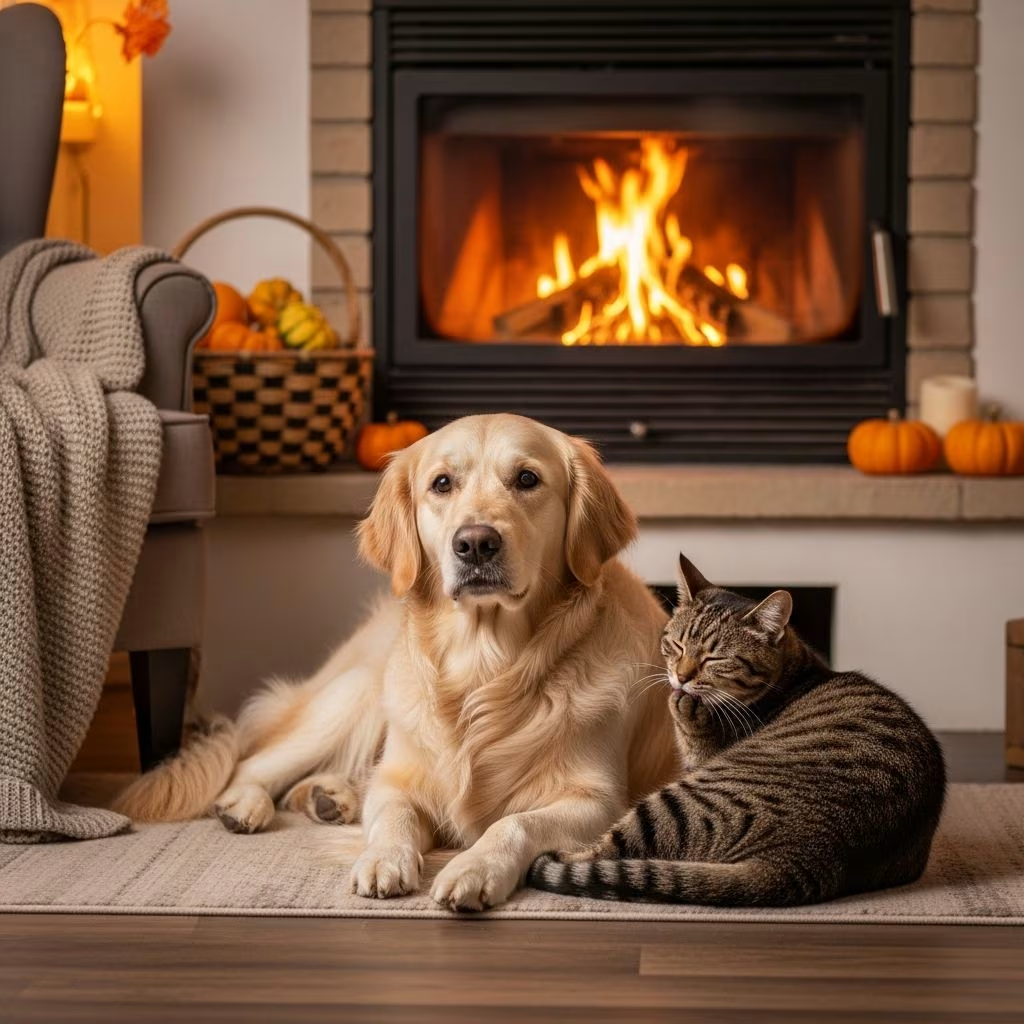
Fall Safety Tips for Pets: A Comprehensive Guide for Dog and Cat Owners
As autumn arrives with cooler temperatures and shorter days, pet parents must recognize that the changing season brings unique safety challenges for their beloved companions. While many people associate summer with outdoor adventures and warm-weather concerns, fall presents its own set of hazards that can impact both dogs and cats. From toxic seasonal plants to parasitic threats and environmental dangers, understanding these fall risks is essential for maintaining your pet’s health and wellbeing throughout the autumn months.
The transition into fall requires pet owners to reassess their safety protocols and implement preventive measures tailored to seasonal conditions. Whether you’re enjoying colorful leaf-peeping adventures or preparing your home for the approaching winter months, this comprehensive guide will help you navigate the most significant fall safety concerns and protect your furry family members from potential harm.
Toxic Plants and Seasonal Hazards
One of the most significant concerns during autumn is the increased exposure to toxic plants, nuts, and fungi that become prevalent as nature transitions into fall. Pet owners should be particularly vigilant about items that may seem harmless to humans but pose serious threats to dogs and cats.
Black Walnuts and Other Nuts
Many homeowners have walnut trees on their property, and as autumn progresses, black walnuts drop to the ground. These nuts are particularly dangerous for pets because they contain toxins that can cause neurological problems. If your dog or cat ingests black walnuts, they may experience seizures, tremors, and severe gastrointestinal distress. Additionally, when walnuts fall to the ground and sit for extended periods, they often develop mold growth, which introduces another layer of toxicity. This moldy coating can be even more dangerous than the nut itself. Keep your yard clear of fallen walnuts and monitor your pets closely when outdoors to prevent accidental ingestion of this hazardous food.
Acorns present another common fall hazard. While acorns may seem like innocent nuts, they can cause intestinal distress in pets. For smaller dog breeds, acorns pose an even greater risk because they can obstruct the gastrointestinal tract, potentially requiring surgical intervention for removal. Regularly rake your yard and remove acorns to minimize this risk.
Seasonal Flowers and Mushrooms
Fall brings a variety of beautiful plants and flowers, many of which are toxic to pets. Additionally, mushrooms and toadstools proliferate during the autumn months, particularly in damp areas of yards and gardens. Many wild mushroom species are poisonous to dogs and cats and can cause severe illness or death if ingested. Supervise your pets during outdoor time and prevent them from eating any unfamiliar plants, flowers, or fungi found in your yard or on walks.
Rat Poison and Chemical Hazards
As temperatures drop, rodents seek shelter indoors or in garages and storage areas. Many homeowners place rat poison to control these infestations, creating a serious danger for pets who may accidentally consume the poison or eat poisoned rodents. Rat poisons work through two primary mechanisms: some prevent blood clotting, while others increase blood calcium to dangerous levels. Both types are highly toxic to dogs and cats.
If you suspect your pet has ingested rat poison, seek emergency veterinary care immediately. Do not wait for symptoms to appear, as delayed treatment can be fatal. Keep all rat poison stored securely in areas completely inaccessible to pets, and consider discussing pet-safe rodent control alternatives with your veterinarian.
Antifreeze: A Sweet but Deadly Danger
One of the most critical fall safety hazards is antifreeze, which many people begin using as winter approaches. Antifreeze has a sweet taste that attracts pets, and even small amounts can be lethal to dogs and cats. The compound is often found at or near eye level in garages, driveways, and vehicles where pets can easily access it.
Check your vehicle regularly for antifreeze leaks, and store all antifreeze bottles securely away from pet access. If you observe your pet licking suspicious liquids or showing symptoms such as excessive thirst, vomiting, or lethargy after being near a vehicle, contact your veterinarian immediately. Antifreeze poisoning requires emergency treatment and can cause fatal kidney damage if left untreated.
The Overlooked Threat of Ticks in Autumn
Many pet owners mistakenly believe ticks are only a summer concern, but autumn actually presents significant tick risks. As temperatures decline and wild animals begin hibernating or limiting their outdoor activity, ticks have fewer hosts to parasitize. However, this doesn’t mean ticks disappear—instead, they become more aggressive in seeking hosts, and your pet becomes an even more attractive target.
How Ticks Find and Attach to Pets
Ticks possess remarkable sensory abilities that allow them to locate hosts efficiently. These parasites have heat sensors capable of detecting heat signatures from up to 30 feet away. They position themselves on branches and tall grass, waiting for a warm-blooded creature to pass nearby, then quickly latch onto the unsuspecting host. A single tick bite might seem insignificant, but the consequences can be severe.
Disease Transmission and Health Risks
Ticks can transmit serious illnesses to your pets, including Lyme disease and other tick-borne infections. Importantly, ticks need only 24 hours of attachment to transmit disease, meaning prompt removal is critical. Regular tick checks during autumn months can prevent infection and protect your pet’s long-term health.
Proper Tick Removal Techniques
If you discover a tick on your pet, proper removal is essential. Follow these steps for safe tick removal:
Step 1: Wipe the bite site and a pair of fine-point tweezers with rubbing alcohol. Never use regular tweezers, as they may squeeze infectious material from the tick into your pet’s body.
Step 2: Grasp the tick as close to your pet’s skin as possible and pull slowly upward with constant, steady pressure until the tick detaches.
Step 3: Clean the bite area again with rubbing alcohol.
Step 4: If a small portion of the tick remains embedded, don’t worry—it will eventually work itself out. However, preserve the tick by placing it in a small bottle of alcohol and photographing it. This allows your veterinarian to identify the tick species if your pet develops symptoms.
Step 5: Monitor your pet’s health closely for the two weeks following tick removal, watching for signs of illness or infection.
If you’re uncomfortable removing a tick yourself, contact your veterinarian for professional assistance. Using tick prevention products recommended by your vet is also an excellent way to reduce tick exposure during autumn months.
Cold Weather Exposure and Temperature Concerns
As autumn progresses toward winter, temperatures drop significantly, creating new health risks for pets. Unlike wild animals with natural insulation, many domestic pets are not adequately protected against cold exposure.
Duration and Temperature Guidelines
Pet owners should limit outdoor time during cold weather. Most veterinarians recommend restricting outdoor exposure to 15-20 minutes when temperatures are dropping. Any temperature below 32 degrees Fahrenheit (0 degrees Celsius) can cause dogs and cats to develop hypothermia and frostbite, particularly in puppies, senior pets, and small breed dogs. Most pets remain comfortable in temperatures above 70 degrees Fahrenheit.
Protective Clothing and Grooming Considerations
If your pet shivers in cooler weather, invest in a quality fall sweater or jacket to provide additional insulation. For dogs with double coats—breeds designed with natural winter protection—never shave their fur during summer months. If your dog has been shaved, allow their coat to grow back fully during autumn so their natural fur provides protection against frostbite and temperature-related illness.
Closed Pools and Water Hazards
As autumn arrives, many pool owners prepare their pools for winter by installing solid covers or mesh covers. However, these covered pools present hidden dangers to curious pets. Water often collects in puddles on top of solid pool covers, and if your dog walks on the cover and slips, they may become trapped on the wet surface with difficulty returning to solid ground.
In cold weather conditions, a stranded dog can rapidly develop hypothermia, creating a life-threatening emergency. Additionally, mesh pool covers can allow pets to break through and fall into the water, or wet conditions on mesh covers can result in your pet becoming soaked. Keep your pets away from covered pools by using barriers or fencing, and supervise them in your yard to prevent access to pool areas.
School Supplies and Household Items
As children return to school in fall, backpacks filled with supplies appear in homes. Some dogs cannot resist investigating these bags, particularly if they contain food remnants. Fortunately, modern school supplies are generally designed to be non-toxic if accidentally ingested by children, so most school supplies pose minimal risk to pets. However, supervision is still advisable to prevent your dog from ingesting pencils, erasers, or other items that could cause choking or intestinal blockage.
Protecting Your Pet During Fall Activities
Fall Leaf Peeping and Outdoor Adventures
Fall’s beautiful foliage encourages outdoor activities with pets. When taking your dog on autumn hikes or leaf-peeping adventures, prioritize safety through proper preparation:
Secure Your Dog in Vehicles: Never allow your pet to roam freely in your car. Use a dog safety belt, harness, or crate to keep your pet secure during travel. A loose dog can distract drivers and become a projectile in accidents or escape if doors open unexpectedly.
Bring Adequate Water and Treats: Carry water from home rather than allowing your pet to drink from unfamiliar sources like puddles or streams. Water from different sources can contain harmful bacteria such as leptospirosis and may upset your pet’s stomach. Bring a portable water bowl and offer water frequently during activities.
Develop a Backup Plan: Before heading out, consider potential emergencies. What would you do if your dog became injured? How would you exit if faced with a dangerous situation? Are you hiking with someone who can help? Can your dog fit in your backpack if necessary? Having these answers prepared allows you to respond quickly to emergencies.
Protect Paw Pads: Dogs’ paw pads can become raw, scraped, or burned from various surfaces encountered during autumn hikes, especially if pads aren’t conditioned to trails. Dog boots provide excellent protection and prevent injuries that can cause pain and infection.
Keep Your Dog Leashed: Leashing your dog prevents encounters with wildlife, other dogs, and unfamiliar people. Additionally, a leashed dog cannot wander away if startled by snakes or other animals. Many trails require leashes, so check regulations before heading out.
Avoid Standing Water: Never allow your pet to drink from puddles, as they harbor bacteria and parasites from wildlife that can cause serious infections.
Frequently Asked Questions About Fall Pet Safety
Q: When should I transition my pet to winter safety protocols?
A: Begin implementing fall safety measures as temperatures start dropping in early autumn. Most pets benefit from protective clothing when temperatures consistently fall below 60 degrees Fahrenheit. For senior pets and small breeds, start protective measures even earlier.
Q: Are all nuts dangerous for dogs and cats?
A: While black walnuts and acorns are particularly dangerous, many nuts can be problematic for pets. It’s best to prevent your pet from consuming any nuts found outdoors, as nuts on the ground may be moldy or contaminated with harmful substances.
Q: How often should I check my pet for ticks during fall?
A: During autumn months, check your pet for ticks daily, especially after outdoor activities. Pay particular attention to areas behind the ears, between toes, and in skin folds where ticks like to hide.
Q: Is it safe to use tick prevention products on my pet year-round?
A: Most veterinarians recommend continuing tick prevention throughout fall and into winter months, as ticks remain active even in cooler weather. Consult your veterinarian about the best prevention strategy for your pet.
Q: What should I do if my pet shows signs of cold-related illness?
A: Symptoms of hypothermia include excessive shivering, lethargy, weakness, and confusion. If your pet shows these signs, bring them indoors immediately, warm them gradually, and contact your veterinarian for evaluation.
Q: Can I prevent my dog from escaping through doors during busy fall gatherings?
A: Yes, install baby gates or pet barriers near exterior doors to prevent accidental escapes when guests arrive. Microchip your pet and keep ID tags current as an additional safety measure.
Final Thoughts on Fall Pet Safety
Autumn brings joy and beauty but also unique hazards for beloved pets. By understanding the seasonal risks—from toxic plants and parasites to cold exposure and chemical dangers—pet owners can implement effective preventive measures. Regular veterinary checkups, consistent parasite prevention, and careful environmental management help ensure your dog or cat enjoys a healthy, safe autumn season. Stay vigilant, supervise outdoor activities, and don’t hesitate to contact your veterinarian if you suspect your pet has been exposed to any fall hazards. Your proactive approach to pet safety will keep your furry family members healthy and happy throughout the entire season.
References
- Fall Safety Tips for Pets — Chewy. 2025. https://www.chewy.com/education/dog/general/fall-safety-tips-pets
- 10 Must-Know Fall Pet Safety Tips — PetHub. 2025. https://www.pethub.com/articles/1848906/10-must-know-fall-pet-safety-tips
- Where to Go Leaf Peeping With Your Dog This Fall — Chewy. 2025. https://www.chewy.com/education/dog/general/where-to-go-leaf-peeping-with-your-dog-this-fall
- The American Veterinary Medical Association (AVMA) — Cold Weather Pet Safety Guidelines — AVMA. 2024. https://www.avma.org
- Lyme Disease in Dogs: Prevention and Treatment — American Kennel Club (AKC). 2024. https://www.akc.org



