

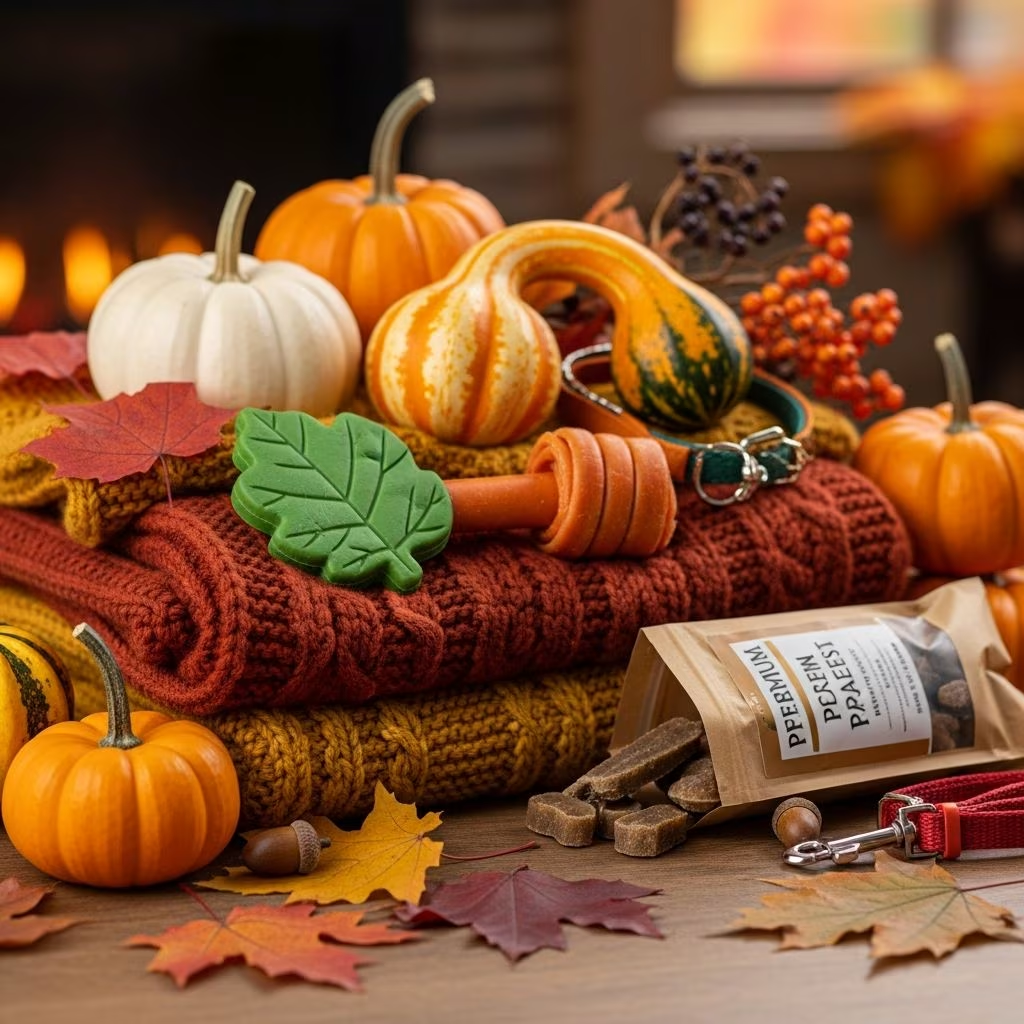
The Ultimate Autumn Pet Parent To-Do List: Your Complete Fall Guide
As the seasons change and autumn arrives, pet parents face a unique set of responsibilities to ensure their furry companions stay healthy, happy, and safe throughout the cooler months. The fall season brings not only beautiful changing leaves and crisp air but also specific challenges and opportunities for pet care. From preparing your home and yard to updating preventative treatments and planning seasonal activities, there’s much to consider when caring for pets during autumn.
The transition into fall is the perfect time to review your pet care routine and make necessary adjustments. Just as you might prepare your home for cooler weather, your pets also need special attention and preparation. Whether you have dogs, cats, or both, this comprehensive fall pet parent to-do list will help you navigate the season confidently and ensure your pets thrive.
Fun Fall Activities to Enjoy With Your Pets
Autumn offers wonderful opportunities to create lasting memories with your furry friends. The season provides unique activities and experiences that can enrich your pets’ lives while keeping them mentally stimulated and physically active.
Whip Up DIY Treats and Seasonal Snacks
Just because pumpkin spice is a beloved fall flavor doesn’t mean your pets have to miss out on seasonal treats. Creating homemade, pet-friendly versions of autumn favorites allows you to control ingredients and ensure your pets’ safety. Dog-friendly pumpkin spice lattes and other DIY goodies can be wonderful bonding experiences. Always verify that ingredients are safe for your specific pet before preparing treats, and consult with your veterinarian if you’re unsure about ingredient safety. These homemade treats can become special autumn traditions that both you and your pets will look forward to each year.
Let Your Pet Play in Freshly Raked Leaves
One of the most delightful autumn activities is allowing your pet to play in a pile of freshly raked leaves. Most pets love the opportunity to burrow, jump, and explore this temporary landscape feature. The tactile experience, combined with the new scents, provides mental enrichment and physical exercise. While this activity might make yard cleanup take longer, the joy and entertainment it provides your pet more than compensates for the extra effort. This simple pleasure exemplifies how the changing season can provide free, natural enrichment for your furry companions.
Fall Healthy Pet Checklist: Essential Health and Safety Tasks
Beyond fun activities, autumn requires attention to specific health and safety measures. These essential tasks ensure your pets remain protected from seasonal hazards and maintain optimal health throughout the cooler months.
Scan Your Yard for Acorns and Pinecones
While acorns and pinecones may enhance your yard’s autumn aesthetic, they pose significant risks to pets. Acorns contain tannins, which can cause upset stomachs and gastrointestinal distress in dogs. Pinecones present multiple hazards, including the pine needles and sap that often accompany them, which can cause intestinal irritation and vomiting if ingested. Both items pose choking hazards, particularly for smaller pets or curious puppies. Regular yard scans and vigilant supervision during outdoor time are essential preventative measures. Remove fallen acorns and pinecones promptly, and consider training your pet to avoid these items. Pay special attention to areas where your pet frequently plays or explores.
Stock Up on Calming Solutions
The fall and holiday seasons bring schedule changes, visits from strangers, and group gatherings that can create stress and anxiety in pets. Holiday stress isn’t limited to humans—your furry family members may also experience heightened anxiety during these times. Calming solutions such as anti-anxiety treats, supplements, and diffusers can help maintain peace and reduce stress-related behaviors. Consider consulting with your veterinarian about which calming products would be most appropriate for your pet’s specific needs. Starting these solutions before stressful events occur can help prevent anxiety-related issues before they develop.
Outfit Your Pet in Appropriate Outerwear
As temperatures drop, pets that are sensitive to cold weather benefit from protective clothing. A well-fitting fall sweater or jacket can help maintain body temperature and provide comfort during walks and outdoor activities. Not all pets require cold-weather protection—factors such as breed, age, coat thickness, and individual sensitivity determine whether your pet needs outerwear. Generally, small breeds, senior pets, and those with thin coats benefit most from additional protection. Ensure any clothing fits properly without restricting movement or causing discomfort.
Protect Your Pet’s Paws
Fall weather affects pets’ paws in multiple ways. Cooler temperatures, wet leaves, and changing ground conditions all impact paw health. Regular paw inspections help identify cuts, cracks, or other injuries early. Trimming excess hair between toe pads prevents matting and reduces debris accumulation. Consider applying pet-safe paw balm to prevent cracking from cooler air and potential irritants. After outdoor adventures, wipe paws clean to remove any irritating substances or debris. Autumn leaves can harbor mold and other substances that might cause paw irritation or infection if not properly cleaned.
Refill Your Flea and Tick Preventative
A common misconception is that fleas and ticks diminish during cooler months. In reality, these parasites remain active threats throughout fall and winter. Maintaining current flea and tick prevention is crucial year-round. Check your pet’s current preventative medication dates and order refills well in advance to ensure uninterrupted protection. Discuss prevention options with your veterinarian to determine which products work best for your pet’s specific needs and lifestyle. Consistent prevention prevents infestations and the health complications that accompany them.
Fall Safety Concerns and Hazards
Understanding seasonal hazards specific to autumn helps you protect your pets from preventable injuries and illnesses.
Toxic Plants and Seasonal Flowers
While autumn doesn’t feature as many blooming flowers as spring, certain fall flowers pose serious risks to pets. Autumn crocus can cause cell destruction leading to weakness, vomiting, diarrhea, and in severe cases, death. Lilies are particularly dangerous to cats, causing severe kidney damage. Familiarizing yourself with toxic plants in your area and removing them from your home and yard prevents accidental poisoning. If your pet ingests a potentially toxic plant, contact your veterinarian or poison control immediately.
Dangerous Nuts and Seeds
Black walnuts, commonly found in autumn, can poison pets and cause seizures and tremors. These nuts often develop mold once they fall, creating an additional toxic concern. Acorns cause intestinal distress and can obstruct the gastrointestinal tract in small dogs, potentially requiring surgery. Regular yard maintenance and prompt removal of fallen nuts prevents accidental ingestion.
Wild Mushrooms
Fall creates ideal conditions for mushroom growth. While most wild mushrooms are relatively harmless, some can be highly toxic to pets, causing vomiting and potentially liver injury. It’s difficult to distinguish safe from toxic varieties without expertise. When in doubt, prevent your pet from eating any mushrooms found outdoors. Train your pet to avoid mushrooms, and regularly inspect your yard for fungal growth.
Tick Prevention and Removal
Ticks remain active during fall months. If a tick attaches to your pet, prompt removal is essential. Clean the bite site and use fine-point tweezers to avoid squeezing bacteria from the tick’s body into your pet’s skin. Grasp the tick close to your pet’s skin and pull slowly upward with consistent pressure until it detaches. Clean the area again with rubbing alcohol after removal. Maintaining preventative treatments reduces tick exposure significantly.
Seasonal Pet Care Maintenance
Specific maintenance tasks become important as seasons change. These routine care items support overall health and prevent complications.
Schedule Veterinary Check-ups
Fall is an excellent time to schedule wellness visits with your veterinarian. These visits ensure vaccinations are current, preventative treatments are appropriate, and any emerging health issues are identified early. Discuss seasonal concerns with your veterinarian, including any specific hazards in your area and appropriate preventative measures for your pet.
Update Grooming Routines
Seasonal changes may affect your pet’s grooming needs. Some pets develop thicker coats as temperatures drop, while others may need adjustments to bathing frequency or product types. Professional grooming during seasonal transitions helps maintain coat health and allows for thorough inspection of skin conditions. Discuss grooming adjustments with your veterinarian or professional groomer based on your pet’s specific needs.
Dental Care Maintenance
Dental health becomes increasingly important as pets age, and maintaining regular dental care routines supports long-term oral health. Brushing your pet’s teeth regularly, providing dental chews, and scheduling professional cleanings as recommended by your veterinarian prevent dental disease and associated complications.
Creating a Fall Pet Care Schedule
Organizing your fall pet care tasks into a manageable schedule ensures nothing is overlooked. Creating a printable checklist helps track completed tasks and identifies upcoming care needs. Consider organizing tasks by week or by specific category to make the process less overwhelming.
Early Fall Tasks (August-September)
Begin preparing during early fall by scheduling veterinary appointments, reviewing current preventative medications, and starting to transition pets to any seasonal diets or care routines. Stock up on supplies before peak seasons when products might become less available.
Mid-Fall Tasks (September-October)
Focus on yard preparation, implementing preventative measures, and ensuring all protective equipment and clothing fits properly. Begin introducing calming solutions if needed and assess which pets require additional outerwear.
Late Fall Tasks (October-November)
Complete final preparations before holiday season stress, ensure all refills are ordered and stocked, and perform final yard inspections. Confirm preventative treatments are current and schedule any remaining veterinary appointments before the season ends.
Frequently Asked Questions
Do all pets need winter clothing?
Not all pets require winter clothing. Short-haired breeds, small dogs, senior pets, and those with naturally thin coats benefit most from additional protection. Larger breeds with thick coats may not need outerwear. Observe your individual pet’s behavior to determine if they show signs of being cold, such as shivering or reluctance to go outside.
How often should I check my yard for hazards?
Ideally, inspect your yard daily or at least several times weekly during fall. Acorns and pinecones fall continuously throughout the season, and new hazards may appear regularly. Regular inspections significantly reduce your pet’s exposure to these dangers.
Are fall treats safe for all pets?
Not all autumn treats work for every pet. Some ingredients common in fall treats can be toxic to certain animals. Always research specific ingredients and consult your veterinarian before introducing new treats, particularly for pets with allergies or sensitivities.
Should I adjust my pet’s diet in fall?
Some pets may benefit from dietary adjustments in fall, particularly if activity levels change or if they develop certain conditions. Discuss any dietary changes with your veterinarian before implementing them to ensure nutritional needs are met.
When should I start flea and tick prevention again?
Maintain flea and tick prevention year-round without interruption. Begin refilling prescriptions before your current supply runs out to ensure uninterrupted protection against these parasites.
Conclusion
Autumn offers wonderful opportunities to strengthen your bond with your pets while ensuring their health and safety through seasonal challenges. By following this comprehensive fall pet parent to-do list, you can confidently navigate the season knowing your furry companions are protected, healthy, and happy. From scheduling veterinary appointments and updating preventative treatments to planning fun activities and creating a safer yard environment, these essential tasks contribute to your pet’s overall wellbeing. The fall season becomes a rewarding time for pet parents who take proactive steps to prepare their homes and routines for seasonal changes. Make fall your favorite season by combining necessary health and safety measures with enjoyable activities that create lasting memories with your beloved pets.
References
- The Ultimate Autumn Pet Parent To-Do List — Chewy. 2025-04-30. https://www.chewy.com/education/dog/general/fall-to-do-list-for-pet-parents-checklist-dog-cat
- Fall Safety Tips for Pets — Chewy. https://www.chewy.com/education/dog/general/fall-safety-tips-pets
- Pet Wellness: How to Help Your Pet Live a Long, Happy Life — Chewy. https://www.chewy.com/education/dog/health-and-wellness/pet-wellness
- Ultimate New Puppy and Dog Product Checklist — Chewy. https://www.chewy.com/education/dog/new-dog/new-dog-product-checklist-for-every-life-stage



