

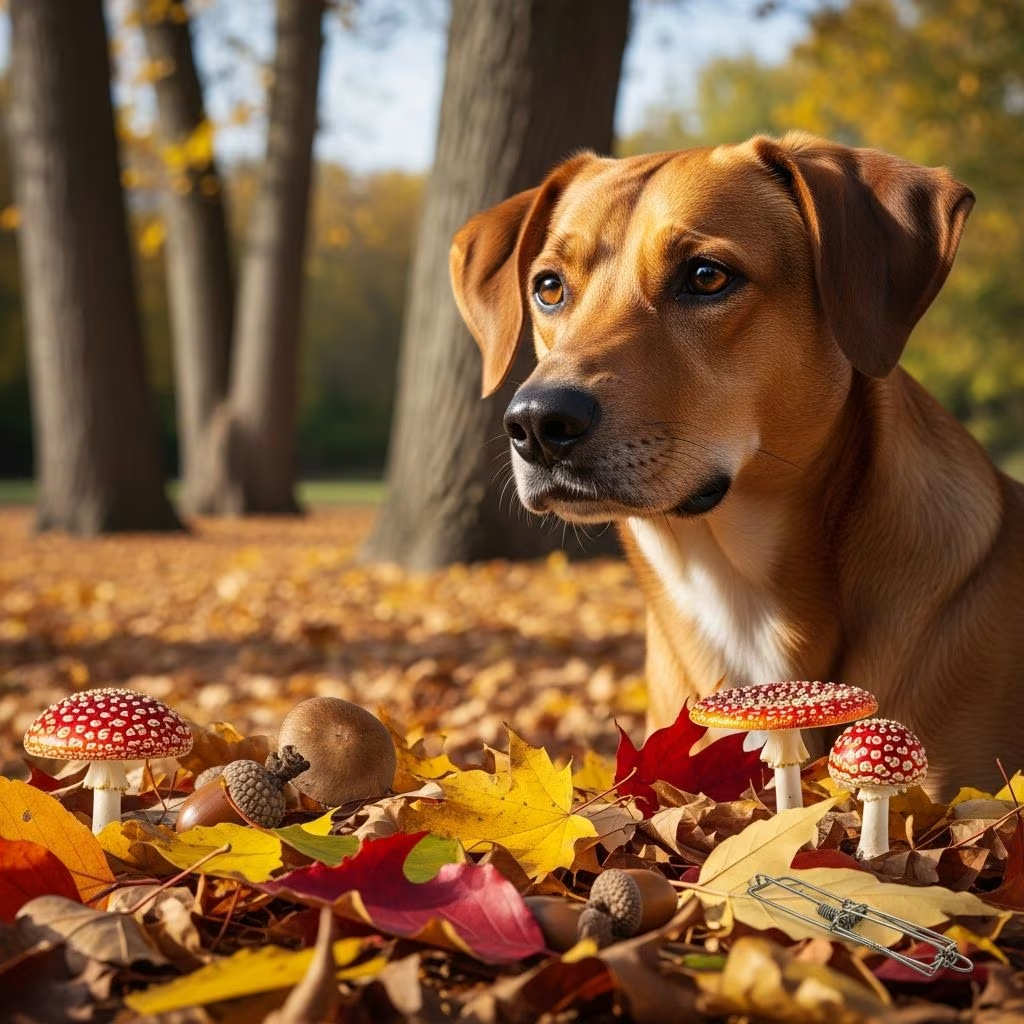
Autumn transforms landscapes into vibrant displays of color and crisp air, inviting dogs to explore parks, yards, and trails. However, this season introduces specific outdoor hazards that can harm curious canines. From naturally occurring toxins to human-related chemicals, pet owners must recognize these risks to prevent poisoning, injuries, or worse. This guide details common fall threats, their effects, and practical safeguards, drawing on veterinary insights for comprehensive protection.
Why Fall Poses Unique Risks to Canines
As temperatures drop and foliage changes, environmental shifts create new temptations. Damp conditions foster fungal growth, fallen seeds litter paths, and seasonal maintenance introduces substances like antifreeze. Dogs, driven by instinct to sniff and chew, face elevated exposure during walks or backyard play. Veterinary data highlights spikes in autumn-related pet emergencies, emphasizing proactive measures.
Key factors amplifying dangers include shorter days reducing visibility, increased yard debris, and holiday setups with decorations. Awareness starts with understanding specific threats, enabling owners to anticipate and mitigate them effectively.
Toxic Fungi: Mushrooms in Damp Woods
Autumn’s moisture promotes mushroom proliferation in wooded areas, lawns, and under trees. Many species contain amatoxins or muscarine, causing rapid gastrointestinal distress, organ failure, or neurological issues. Symptoms appear within hours: vomiting, diarrhea, lethargy, tremors, and in severe cases, seizures or coma.
- Common types: Wild varieties like death caps or false morels thrive in fall; even non-deadly ones upset stomachs.
- Prevention: Train ‘leave it’ command; avoid mushroom-rich zones; supervise closely.
- Response: Induce vomiting only under vet guidance; seek immediate care with mushroom sample if possible.
Since identification is unreliable without expertise, treat all wild fungi as hazardous. Regular yard checks remove temptations early.
Deadly Nuts: Acorns and Conkers Underfoot
Fallen acorns from oaks and conkers from horse chestnuts carpet grounds, luring dogs to mouth them. Acorns harbor tannins leading to kidney damage, while conkers’ aesculin triggers vomiting, bloody diarrhea, and blockages. Even small quantities cause abdominal pain or fatal obstructions.
| Hazard | Toxins | Symptoms | Severity |
|---|---|---|---|
| Acorns | Tannins | Vomiting, weakness, kidney failure | High |
| Conkers | Aesculin | Drooling, diarrhea, bloating | Potentially fatal |
Clear paths daily, discourage chewing with toys, and monitor for pale gums or staggering—prompt vet visits save lives.
Chemical Killers: Antifreeze and Rodenticides
Cooler weather prompts garage use of antifreeze, whose sweet ethylene glycol scent attracts dogs, causing drunken gait, thirst, and swift kidney shutdown. Rodent baits, placed for increased pest activity, contain anticoagulants like bromadiolone, leading to internal bleeding.
- Signs: Antifreeze: drunkenness, rapid breathing; Poisons: bruising, blood in stool.
- Safeguards: Use propylene glycol alternatives; secure baits indoors; clean spills promptly.
- Urgency: Antidotes exist if treated within 8-12 hours.
Store vehicles away from pets and opt for snap traps over poisons.
Deceptive Debris: Leaves, Branches, and Piles
Leaf piles hide sharp sticks, mold spores, parasites, or insects, risking cuts, infections, or allergies. Chewing branches splinters teeth or guts; moldy matter causes mycotoxin poisoning with tremors.
Rake frequently, avoid play in piles, and inspect paws post-walks for embedded hazards. Shorter days demand reflective leashes and lights for safe evening outings.
Seasonal Pests and Critters
Harvest mites burrow into skin, causing intense itching; ticks persist in mild weather, transmitting diseases. Snakes or rodents disturbed by falling debris bite defensively.
- Mite hotspots: Grassy fields—check ears, paws.
- Tick checks: Daily full-body scans.
- Leash in brushy areas.
Year-round preventatives remain vital despite cooler temps.
Halloween and Decor Hazards
Pumpkins start safe but rotting ones breed tremorgenic molds, inducing seizures. Candy wrappers conceal chocolate or xylitol; cords from lights invite chews and shocks.
Discard decaying gourds; elevate decorations; use pet-proof bins for treats.
Low-Light Walking Dangers
Earlier dark increases road accidents. Equip with LED collars, vests; stick to lit paths.
Prevention Blueprint for Fall Safety
- Daily yard sweeps for nuts, fungi, debris.
- Reflective gear for dusk walks.
- Secure chemicals, baits.
- Train recall, ‘leave it’.
- Pet-safe antifreeze swaps.
- Post-walk inspections.
Spotting Trouble: Symptom Guide
| Symptom | Possible Cause | Action |
|---|---|---|
| Vomiting/Diarrhea | Nuts, mushrooms | Vet ASAP |
| Tremors/Seizures | Mold, toxins | Emergency |
| Bleeding/Weakness | Rodenticide | Induce vomit if recent, then vet |
| Drunken Walk | Antifreeze | Urgent care |
Frequently Asked Questions
Are all mushrooms poisonous to dogs?
No, but many are; safest to avoid all wild ones. Consult vets for specifics.
What if my dog eats an acorn?
Monitor for upset; seek care if symptoms arise—tannins accumulate harmfully.
Is propylene glycol antifreeze safe?
Less toxic than ethylene glycol, but still consult vet; minimal ingestion safer.
How to handle fireworks anxiety in fall?
Create quiet spaces, use calming aids; avoid walks during displays.
Do leaf piles always harbor dangers?
Often yes—mold, sharps; discourage jumping in them.
Seasonal Vet Checkup Reminder
Schedule fall exams for parasite updates, health baselines. Nutrition adjusts for cooler activity levels ensure vitality.
By prioritizing vigilance, fall becomes a safe adventure. Quick responses to incidents—contacting poison hotlines or clinics—maximize positive outcomes.
References
- Top 9 autumn hazards for dogs – Vets Now — Vets Now. 2023-10-01. https://www.vets-now.com/pet-care-advice/dog-autumn-hazards/
- Fall Safety Guide: Seasonal Hazards Every Pet Owner Should Know — HLCR. 2024-09-15. https://www.hlcr.org/post/fall-dog-safety-guide-autumn-hazards-every-pet-owner-should-know
- Navigating Fall Pet Dangers and Keeping Your Furry Friends Safe — Aurora Vet. 2023-11-05. https://www.auroravet.com/services/dogs/blog/fall-pet-danger-autumn-alert-navigating-fall-pet-dangers-and-keeping-your-furry
- Fall Pet Care Tips: Your Guide to Autumn Pet Safety — Animal Emergency Clinic Boone. 2024-10-20. https://animalemergencyclinicboone.com/news/autumn-pet-safety-tips
- 5 Fall Backyard Safety Tips for Dogs: Ensuring a Safe Play Area — Volhard Dog Nutrition. 2023-09-12. https://www.volharddognutrition.com/blog/fall-backyard-safety-tips-dogs



