

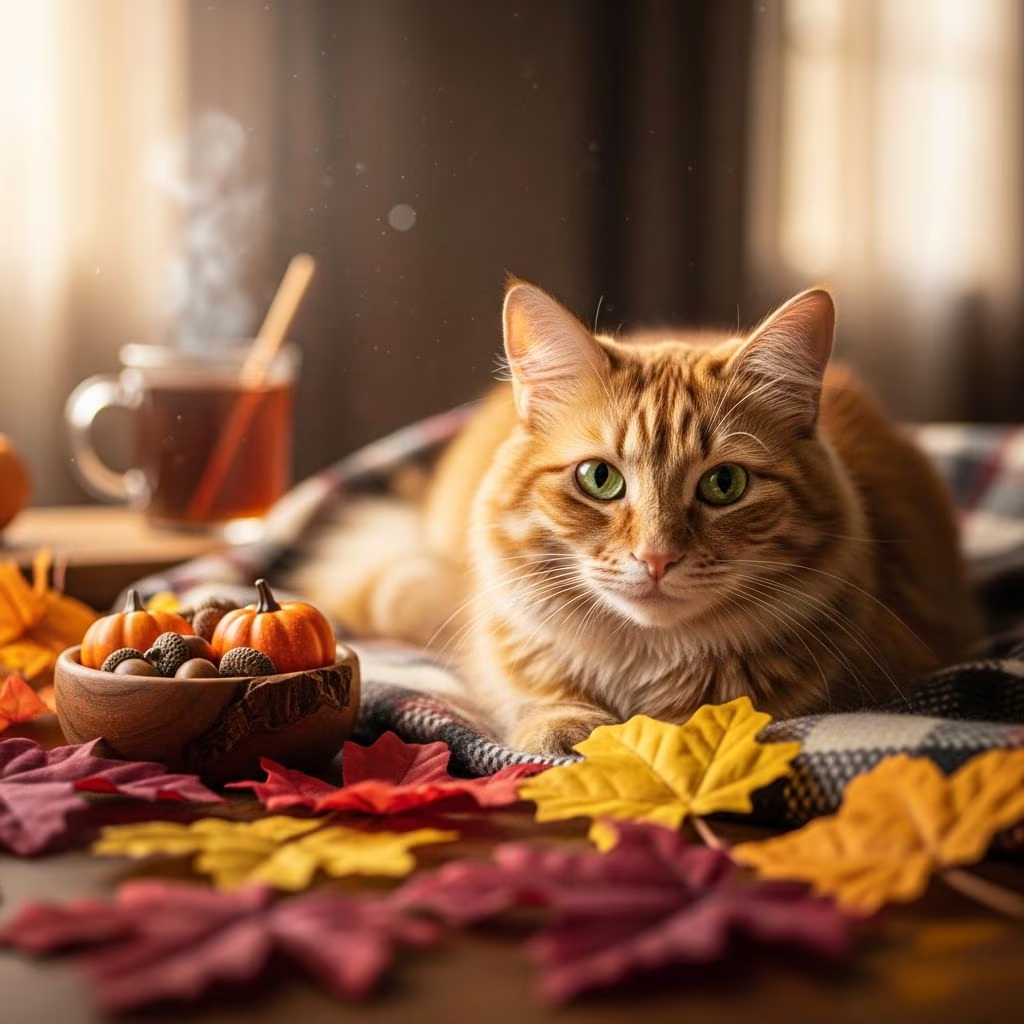
Fall Cats: A Celebration of Autumn Kitties
As the leaves begin to turn vibrant shades of orange, red, and gold, there’s something particularly enchanting about cats during the fall season. The autumn landscape provides the perfect backdrop for our feline friends, creating moments of pure cuteness and charm. Whether you’re a devoted cat lover or simply appreciate the beauty of the season, fall cats capture the essence of this magical time of year. In this comprehensive guide, we’ve gathered adorable pictures of autumn cats, fascinating facts about their seasonal behaviors, and essential care tips to keep your kitties happy and healthy throughout the cooler months.
Celebrating Autumn Cat Photography
Fall provides an inspiring canvas for cat photography enthusiasts and pet owners alike. The natural scenery, warm lighting, and cozy aesthetics of autumn create the perfect setting to showcase your cat’s unique personality and beauty. From playful poses among fallen leaves to serene moments in golden sunlight, autumn cat pictures capture the spirit of the season in heartwarming ways.
Iconic Fall Cat Picture Themes
- Holiday-Inspired Moments: Cats cuddling with turkey decorations, donning Halloween costumes, and posing in witchy attire create festive memories.
- Cozy Autumn Scenes: Lazy afternoons in fall sunlight, cats wrapped in flannel patterns, and pumpkin-spice-themed photoshoots showcase the comfort of the season.
- Leaf-Centered Photography: Cats playing among fallen leaves, displaying autumn colors, and surrounded by forest scenery highlight their natural connection to the changing environment.
- Seasonal Fashion: Cats dressed for the occasion, wearing fall accessories, and sporting cottage-core aesthetics bring personality and charm to autumn captures.
- Golden Hour Magic: Cats soaking up autumn sunsets, bathed in warm golden light, and enjoying scenic views create timeless, atmospheric photographs.
What to Expect With Cats in the Fall
Many Cats’ Coats Blend in with Fall Leaves
One of the most delightful aspects of autumn is how perfectly many cat coat colors harmonize with the surrounding environment. As leaves transform into warm autumn hues, cats with brown, orange, yellow, and neutral-toned coats seem to become part of the landscape itself. Their natural coat colors—rich taupes, warm oranges, deep chocolates, and golden creams—mirror the very palette of fall foliage. Additionally, a cat’s bold, striking eyes stand out magnificently against the backdrop of autumn leaves, creating a striking contrast that makes for stunning photography and visual appeal. This natural camouflage and color coordination remind us why cats are so beloved during this particular season, and why fall photographs of felines are so universally admired and cherished by cat enthusiasts everywhere.
Cats’ Coats Start to Thicken in the Fall
As environmental temperatures fluctuate between the warmth of summer and the chill of winter, cats must undergo physiological adaptations to maintain optimal body temperature. This natural process is essential for their survival and comfort. During cooler seasons, cats develop thicker coats to provide better insulation and protection against cold weather. This shedding and regrowth cycle is a normal part of feline biology and helps them regulate their internal temperature effectively.
If your cat spends time outdoors during fall months, you may notice their fur becoming visibly thicker and fuller, particularly around the neck, shoulders, and hindquarters. Indoor cats may also experience some coat thickening, though typically to a lesser degree since they’re not exposed to the same temperature variations. This natural bulking up is an important adaptation that shouldn’t cause concern—it’s simply your cat’s body preparing for the months ahead. Regular grooming during this transition period can help manage shedding and keep your cat’s coat healthy and mat-free.
Essential Fall Cat Care Tips
Temperature Considerations
As temperatures begin to drop during the fall season, cat owners must pay careful attention to their pets’ comfort and safety. While cats are naturally equipped with fur to help regulate body temperature, they are still susceptible to discomfort and health issues in cold weather.
How Cold Is Too Cold for Cats in the Fall?
One of the most common questions cat owners ask as autumn progresses is when outdoor temperatures become unsafe for their feline companions. Cats shouldn’t spend extended periods outside in temperatures below 45 degrees Fahrenheit, and they should absolutely never be exposed to below-freezing temperatures without strict protective measures in place. Even though many people believe cats are naturally built for winter conditions—and some breeds, like the Maine Coon, do have enhanced cold tolerance—it is never advisable to leave cats outside in freezing temperatures regardless of breed.
Cats can develop hypothermia, frostbite on their ears and paw pads, and other cold-related illnesses if exposed to severe winter conditions. If your cat enjoys outdoor time during fall, gradually acclimate them to cooler temperatures and always provide access to warm shelter, additional bedding, and heated areas. Monitor your cat for signs of cold discomfort, including excessive shivering, reluctance to go outside, seeking warmth constantly, and behavioral changes.
Reproductive Cycles and Fall Breeding
Can Cats Get Pregnant in the Fall?
While cats can technically become pregnant during fall months, it is relatively uncommon during this season. Like many wild creatures, cats follow natural breeding cycles tied to seasonal changes and daylight duration. Although some cats may have litters extending into September, most of October and November typically see minimal breeding activity among domestic felines. This natural reduction in fall pregnancies is linked to decreasing daylight hours and environmental cues that signal seasonal changes.
However, unspayed and unneutered cats can still become pregnant during fall if they come into contact with intact males. To prevent unexpected litters and support feline population control, veterinarians strongly recommend spaying and neutering your cats, particularly if they have any outdoor access. This procedure provides numerous health and behavioral benefits beyond pregnancy prevention, including reduced risk of certain cancers and elimination of heat-related behaviors that can be stressful for both cats and owners.
Fall Safety Concerns for Cats
Are Black Cats Safe During October?
One of the most sobering topics related to fall cats concerns the safety of black cats during October and the Halloween season. Unfortunately, the reality of animal welfare during this time is troubling. Many animal shelters and rescue organizations have implemented restrictions on adopting black cats during October due to documented cases of animal cruelty and exploitation. This precautionary measure reflects genuine concerns about the misuse of black cats for harmful purposes during Halloween celebrations.
Given these legitimate safety concerns, responsible pet owners should take extra precautions to protect their black feline friends during this season. The best practice is to keep black cats indoors during October, particularly around Halloween (October 31st) when risks may be elevated. Even supervised outdoor time should be minimized, and black cats should never be left unattended outside. Ensure your black cat is wearing a secure collar with identification, has up-to-date microchip information, and is photographed in case they go missing. This heightened awareness and protective approach helps ensure that our beautiful black cats remain safe and cherished throughout the autumn season.
Understanding Fall Cat Behavior and Health
Beyond the charming aesthetic qualities of fall cats, understanding behavioral and health changes during this season is crucial for responsible pet ownership. The transition from warm to cool weather triggers various physiological and behavioral responses in cats that owners should recognize and accommodate.
Seasonal Activity Changes
Many cats experience shifts in energy levels and activity patterns as daylight hours decrease and temperatures drop. Some cats become more sluggish and prefer extended rest periods, while others may become more playful and energetic indoors. These changes are natural responses to environmental cues and shouldn’t typically cause concern unless accompanied by other symptoms of illness.
Nutritional Adjustments
As outdoor cats become less active due to cooler temperatures, their caloric needs may shift. Indoor cats may require careful monitoring to prevent weight gain, particularly if they spend more time resting during fall and winter months. Consult with your veterinarian about appropriate nutrition and portion sizes for your cat’s specific age, weight, and activity level during seasonal transitions.
Outdoor Hazards During Fall
While fall weather can be enjoyable for outdoor cats, the season presents specific hazards that pet owners should address. Falling temperatures, shorter daylight hours, and changing environmental conditions all create risks that require attention and preventive measures.
Temperature-Related Concerns
- Hypothermia risk increases as temperatures drop below 45°F
- Frostbite can develop on ears and paw pads in freezing conditions
- Wet fur loses insulating properties, increasing cold vulnerability
- Dehydration can occur even in cool weather if water freezes
Environmental Hazards
- Fallen leaves can obscure dangers like holes, debris, or predators
- Decreased visibility during shorter fall days increases accident risk
- Wet surfaces from rain create slipping hazards for outdoor cats
- Wildlife activity increases as animals prepare for winter
Creating the Perfect Fall Environment for Indoor Cats
Cozy Spaces and Enrichment
As outdoor temperatures decline, creating comfortable indoor spaces becomes increasingly important for your cat’s well-being. Provide soft bedding, warm blankets, and cozy nooks where your cat can rest comfortably. Window perches allow cats to enjoy fall scenery safely while absorbing warmth from sunlight. Consider adding heated beds or blankets designed for pets to provide additional comfort during cooler months.
Fall-Themed Enrichment Activities
Maintain your cat’s mental and physical health through autumn-themed enrichment. Interactive toys, puzzle feeders, and games that mimic hunting behaviors keep indoor cats engaged and active. Rotate toys regularly to maintain novelty and interest. Window watching becomes particularly engaging during fall as birds prepare for migration and outdoor activity increases.
Frequently Asked Questions About Fall Cats
Q: Why do cats’ coats get thicker in fall?
A: Cats develop thicker coats in fall as a natural physiological response to decreasing temperatures and shorter daylight hours. This thickening provides better insulation and helps regulate body temperature as weather cools, preparing them for winter months ahead.
Q: Is it safe to leave my cat outside during fall?
A: Cats can enjoy supervised outdoor time when temperatures remain above 45°F. As temperatures drop toward freezing, outdoor time should be significantly reduced or eliminated. Always provide access to warm shelter, and consider bringing outdoor cats indoors during winter months for their safety.
Q: Should I be concerned about my black cat during October?
A: Yes, many animal shelters recommend keeping black cats indoors during October due to documented safety concerns during the Halloween season. This precautionary measure helps protect black cats from potential harm and is considered best practice by animal welfare organizations.
Q: Can cats get pregnant during fall?
A: While cats can technically become pregnant during fall, it is relatively uncommon as natural breeding cycles decrease during this season. However, unspayed cats can still become pregnant if they have contact with intact males, which is why spaying and neutering are important year-round.
Q: How often should I groom my cat during fall?
A: During fall’s coat-thickening season, regular grooming becomes more important to manage shedding and prevent matting. Brushing your cat 2-3 times weekly helps remove loose fur, distribute natural oils, and keep the coat healthy as it transitions to winter thickness.
Q: What signs indicate my cat is too cold?
A: Signs that your cat is experiencing cold discomfort include excessive shivering, reluctance to go outside, constant seeking of warm spots, lethargy, behavioral changes, and reduced appetite. If you notice these signs, bring your cat indoors and consult your veterinarian if symptoms persist.
Q: Are certain cat breeds better suited for fall and winter?
A: Some breeds, like Maine Coons and other long-haired varieties, have enhanced natural cold tolerance due to their thick coats. However, no cats should be exposed to freezing temperatures without protective measures, regardless of breed. Short-haired and hairless breeds are particularly vulnerable to cold and require extra protection.
Conclusion: Celebrating Fall Cats Safely
Fall is a magical season for cat lovers, offering stunning visual moments and opportunities to appreciate the natural beauty of our feline companions as they adapt to seasonal changes. The rich autumn palette provides a gorgeous backdrop for showcasing cat photography, while understanding seasonal behaviors and implementing appropriate care measures ensures our cats remain healthy, safe, and comfortable throughout the cooler months. By recognizing coat changes, monitoring temperature exposure, addressing reproductive concerns, and taking extra precautions with black cats during October, we can ensure that fall becomes a cherished time for both cats and their devoted owners.
References
- Protect Cats from Heat-Related Injuries — Fear Free Happy Homes. https://www.fearfreehappyhomes.com/protect-cats-from-heat-related-injuries/
- Cats in Fall: Pictures, Behaviors & FAQ About Autumn Kitties — Catster. https://www.catster.com/lifestyle/fall-cats/
- Holiday Hazards for Cats — Cat’s Meow Resort. https://www.catsmeowresort.com/blog/2019/12/11/holiday-hazards-for-cats



