

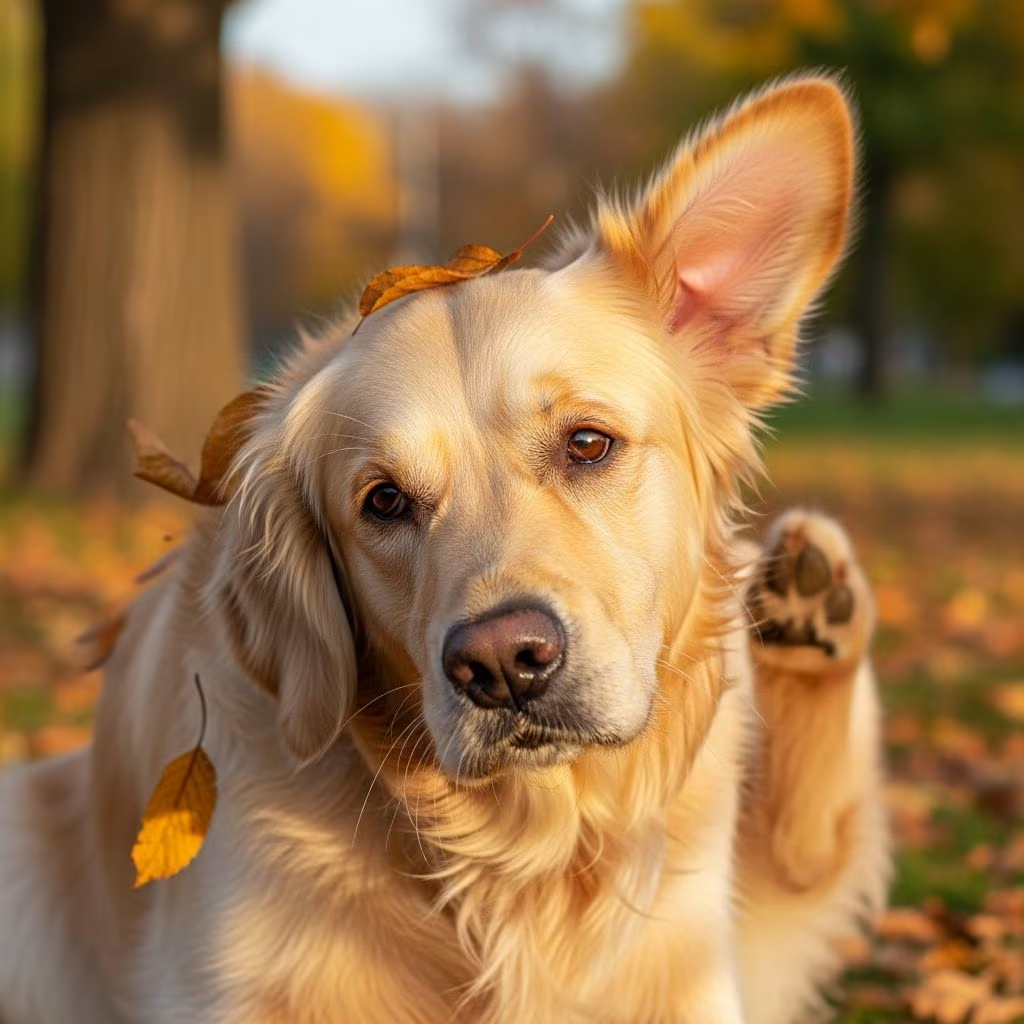
Fall Allergies in Dogs: Symptoms, Treatment and More
As temperatures drop and leaves begin to fall, many dog owners notice their pets experiencing increased itching, scratching, and discomfort. Fall allergies in dogs are a common occurrence that can significantly impact your pet’s quality of life. Unlike humans who typically experience respiratory symptoms during allergy season, dogs often develop skin-related issues and ear infections. Understanding the causes, recognizing the symptoms, and knowing how to treat fall allergies is essential for keeping your furry friend comfortable throughout the season.
The fall season brings a variety of environmental allergens that can trigger allergic reactions in dogs. From ragweed pollen to mold spores, dust mites to fleas, there are numerous substances that can cause your dog to experience distressing symptoms. The good news is that with proper diagnosis, treatment, and prevention strategies, you can help your dog enjoy a more comfortable fall season.
Understanding Fall Allergies in Dogs
Fall allergies in dogs, also known as seasonal or environmental allergies, occur when a dog’s immune system overreacts to specific allergens present during the autumn months. These allergies can affect dogs of any breed, age, or size, though some may be more predisposed to allergic reactions than others. The condition is related to the dog’s immune system response, which is why timing and prevention strategies are particularly important during peak allergy seasons.
4 Common Fall Allergies in Dogs
1. Ragweed
Ragweed is one of the most common fall allergens affecting dogs. This plant releases pollen during mid-September through the fall season, and many dogs develop allergic reactions to this pollen exposure. Ragweed allergies can cause significant discomfort and often lead to secondary infections if not properly managed.
Symptoms of Ragweed Allergies
Pet parents may notice the following symptoms in dogs with ragweed allergies:
- Excessive scratching
- Excessive biting
- Excessive chewing
Common locations where itching occurs include:
- Forelimbs
- Paws
- Armpits
- Facial areas
Secondary ear infections are common complications of ragweed allergies, often requiring additional veterinary treatment. Dogs may shake their heads frequently or scratch at their ears due to inflammation and irritation.
Treatment for Ragweed Allergies
If your dog develops symptoms of ragweed allergy, treatment involves breaking the itch cycle. A veterinarian may prescribe a combination of therapies, including:
- Medicated shampoos
- Topical medications
- Oral medications such as corticosteroids or Apoquel
- Injectable treatments like Cytopoint
While it’s difficult to prevent exposure to ragweed because it releases pollen into the air, you can help reduce your dog’s contact by keeping them indoors during peak season (mid-September), keeping windows closed, and using air purifiers in your home.
2. Mold
Mold is another significant fall allergen that affects many dogs. As humidity increases and leaves decompose, mold spores become prevalent in the environment. Both indoor and outdoor mold exposure can trigger allergic reactions in susceptible dogs. Chronic mold exposure can cause serious health problems beyond typical fall allergy symptoms.
Symptoms of Mold Allergies
Mold allergies often present similarly to other allergies but may include additional respiratory symptoms in severe cases. Symptoms include itching, skin irritation, and potentially labored breathing in some dogs.
Treatment for Mold Allergies
Like other pet allergies, treatment for mold involves removing the trigger when possible. Try the following strategies:
- Keep your dog out of leaf piles
- Set up a dehumidifier in your home if it feels damp
- Consult with a mold remediation expert if you suspect mold in your home
Your veterinarian may also prescribe medications to treat an active allergic reaction, clear up any concurrent ear infections, and help improve labored breathing if present.
3. Dust Mites
Dust mites thrive in warm, humid environments and become particularly problematic during fall when homes are closed up to retain heat. These microscopic creatures are a common allergen that can cause significant skin irritation and itching in affected dogs.
Symptoms of Dust Mite Allergies
Dogs with dust mite allergies typically experience itching and scratching, particularly in areas where they spend the most time, such as bedding and sleeping areas.
Treatment for Dust Mite Allergies
The first step for getting rid of symptoms is to treat the skin with corticosteroids, antihistamines, and other topical ointments. You can also:
- Bathe your dog in cool water with a medicated shampoo to reduce infection risk and alleviate itching
- Vacuum as much as possible
- Regularly wash dog beds, sheets, pillows, and anything else your dog comes in contact with in hot water to kill dust mites and remove allergens
4. Fleas
While fleas are present year-round, fall can bring increased flea activity in some regions. Some dogs develop flea allergy dermatitis, a severe reaction to flea saliva that causes intense itching and discomfort even from a single flea bite. This condition is particularly problematic because it only takes one flea to trigger symptoms in allergic dogs.
Symptoms of Flea Allergies
Dogs with flea allergies may experience intense itching and scratching, often more severe than the irritation caused by other allergies.
Treatment for Flea Allergies
Treatment for flea allergies involves flea control and symptom management. If your dog is really uncomfortable, your veterinarian may recommend topical ointments to help reduce itching in the short term. However, the only way to clear up a flea allergy is to get rid of the fleas entirely. You’ll need to:
- Treat your dog for an active infestation
- Treat your home with flea powder
- Implement oral and/or topical flea prevention to prevent recurring problems
Recognizing Fall Allergy Symptoms in Dogs
Unlike humans who typically experience sneezing and watery eyes during allergy season, dogs rarely exhibit these respiratory symptoms as their primary complaint. Instead, fall allergies in dogs typically manifest as skin and ear issues that can quickly escalate into infections if not addressed promptly. Recognizing these symptoms early is crucial for getting your dog relief quickly.
Common Fall Allergy Symptoms
- Itchy skin, especially on paws, belly, and inner thighs
- Excessive scratching and biting
- Red, inflamed, or irritated skin
- Hair loss or thinning coat
- Scaly or crusty skin
- Scratches or scabs on the skin
- Chronic ear infections or smelly ears
- Frequent head shaking or ear scratching
- Watery or red eyes
- Licking or chewing paws excessively
- Possible sneezing, coughing, or digestive upset (less common)
These changes are usually found on the face, belly, groin, armpits, lower neck, and between the toes. If you notice any of these signs in your dog, it’s time to seek help from your veterinarian. There are other possible problems that can have similar symptoms, such as fleas or ringworm, so your veterinarian will test your dog to ensure none of those issues are present.
Diagnosing Fall Allergies in Dogs
Diagnosing fall allergies in dogs is a multistep process that looks at the dog’s medical history, clinical signs, and time of year. It also involves ruling out other causes of itchiness, such as parasites or fungal infections. In very severe cases, veterinarians may perform allergy testing to determine what specific allergens are affecting the patient. Once identified, veterinarians can formulate immunotherapy (allergy shots) targeting those particular allergens.
Treatment Options for Fall Allergies
Managing Itching and Discomfort
The first step in treating fall allergies is ensuring your dog’s comfort by reducing the itch, discomfort, and secondary infections. Anti-allergy therapy is often necessary to manage these symptoms effectively. You can try over-the-counter corticosteroids or prescription medications like Apoquel and Cytopoint. The best course of action is to ask your veterinarian what they recommend based on your dog’s specific situation.
Antihistamine Treatment
Antihistamines are only effective when started prior to the onset of symptoms or when symptoms just start. The typical dose would be 2 to 3 milligrams per kilogram of body weight every 8 to 12 hours. For some dogs, over-the-counter antihistamines like Benadryl might be enough to manage their fall allergy symptoms, but it’s important to talk to your veterinarian first to determine if it’s right for your dog and to receive instructions on safe doses and formulations.
Topical Treatments
Bathing your dog in cool water with a medicated shampoo can help reduce the risk of infection and alleviate itching. Regular baths with hypoallergenic shampoos can help remove allergens from your pet’s coat. Topical ointments can also be applied to specific areas of irritation to provide localized relief.
Dietary and Supplemental Support
Omega-3 fatty acids and other supplements can support skin health and reduce inflammation. These supplements may help boost your dog’s natural ability to manage allergic reactions and maintain healthy skin throughout the allergy season.
Environmental Control Strategies
Minimizing exposure to allergens is an important part of treatment:
- Keep your home clean and use air purifiers
- Wash your pet’s bedding frequently in hot water
- Keep windows closed during peak allergy season
- Use a dehumidifier if your home feels damp
- Keep your dog indoors during peak pollen times
Prevention Strategies for Fall Allergies
Start an Antihistamine Early
If you already know your dog gets allergy symptoms in the fall, starting anti-allergy medication prior to the onset of symptoms can be beneficial. This proactive approach can help prevent or minimize symptoms before they become severe.
Time Vaccinations Accordingly
Being more strategic with vaccinations may also help manage fall allergies. Avoid vaccinating during peak allergy seasons, such as spring and fall. Vaccination stimulates the immune system, and given that allergies are related to the immune system, vaccinating during the off-season can be beneficial for dogs prone to allergies.
Maintain Regular Grooming
Regular grooming and bathing help remove allergens from your dog’s coat and skin. Keeping your dog clean and well-groomed throughout the fall season can significantly reduce allergen exposure and help prevent symptoms from developing.
Ensure Flea Prevention
Maintain a reliable flea prevention regimen year-round, particularly important for dogs with flea allergies. Consistent flea prevention can prevent allergic reactions from developing and eliminate one potential allergen source.
Frequently Asked Questions About Fall Allergies in Dogs
Q: When do fall allergies typically start in dogs?
A: Fall allergies typically begin in mid-September and can continue through the fall season. However, the exact timing may vary depending on your location and the specific allergens present in your area.
Q: Can fall allergies in dogs be cured?
A: Unfortunately, there’s no cure for allergies. However, symptoms can be effectively managed through treatment and prevention strategies so your dog stays happy and comfortable during allergy season.
Q: Is it normal for my dog to have secondary ear infections during fall allergies?
A: Yes, secondary ear infections are a common complication of fall allergies in dogs, particularly with ragweed allergies. If you notice excessive ear scratching or head shaking, contact your veterinarian.
Q: What’s the difference between fall allergies and year-round allergies?
A: Fall allergies are triggered specifically by autumn allergens like ragweed, mold, and dust mites. Year-round allergies, however, may be caused by food allergies or other environmental factors present throughout the year.
Q: Should I bathe my dog more often during fall allergy season?
A: Regular baths with medicated shampoos can help remove allergens and reduce symptoms. However, bathing too frequently can dry out your dog’s skin. Consult with your veterinarian about the appropriate bathing frequency for your dog’s specific situation.
Q: Can I give my dog over-the-counter allergy medication?
A: Some over-the-counter antihistamines may be suitable for dogs, but it’s important to consult with your veterinarian first. They can recommend safe doses and formulations appropriate for your dog’s size and health status.
Q: How long do fall allergies last in dogs?
A: Fall allergies typically last throughout the autumn season, usually from mid-September through November or December, depending on your location and when allergens peak in your area.
When to Contact Your Veterinarian
If you notice any signs of fall allergies in your dog, it’s time to contact your veterinarian. They can perform a proper examination and testing to ensure an accurate diagnosis. Don’t wait for symptoms to become severe or for secondary infections to develop. Early intervention typically results in better outcomes and less discomfort for your dog. Your veterinarian can help develop a customized treatment plan that addresses your specific dog’s needs and circumstances.
Conclusion
Fall allergies in dogs are a common occurrence that affects many pet owners during the autumn season. While prevention is the best approach for alleviating fall allergies in dogs, that’s not always possible, especially if your dog is reacting to ragweed pollen or dust mites. When prevention isn’t sufficient, there are numerous treatment options available. From antihistamines and corticosteroids to medicated shampoos and environmental control strategies, you have multiple tools to help your dog feel more comfortable. The key is to work closely with your veterinarian to develop the right treatment plan for your specific pup, monitor symptoms closely, and adjust strategies as needed throughout the season. With proper care and attention, you can help your dog enjoy a more comfortable and symptom-free fall.
References
- Fall Allergies in Dogs: Symptoms, Treatment and More — Chewy Education. 2024. https://www.chewy.com/education/dog/health-and-wellness/fall-allergies-in-dogs
- Dog Seasonal Allergies: Symptoms and Treatment — PetMD. 2024. https://www.petmd.com/dog/conditions/skin/seasonal-allergies-dogs
- Fall Allergies in Dogs: Causes, Symptoms, and Solutions — Bond Vet. 2024. https://bondvet.com/blog/fall-allergies-in-dogs
- Fall Allergies are Nothing to Sneeze At – Dogs — VCA Animal Hospitals. 2024. https://vcahospitals.com/urgent-care/health-and-safety-tips/fall-allergies-are-nothing-to-sneeze-at-dogs
- Fall Allergies in Pets: Symptoms and Treatment Options — Coal Creek Animal Hospital. 2024. https://www.coalcreekanimalhospital.com/blog/fall-allergies-in-pets-symptoms-and-treatment-options/



