

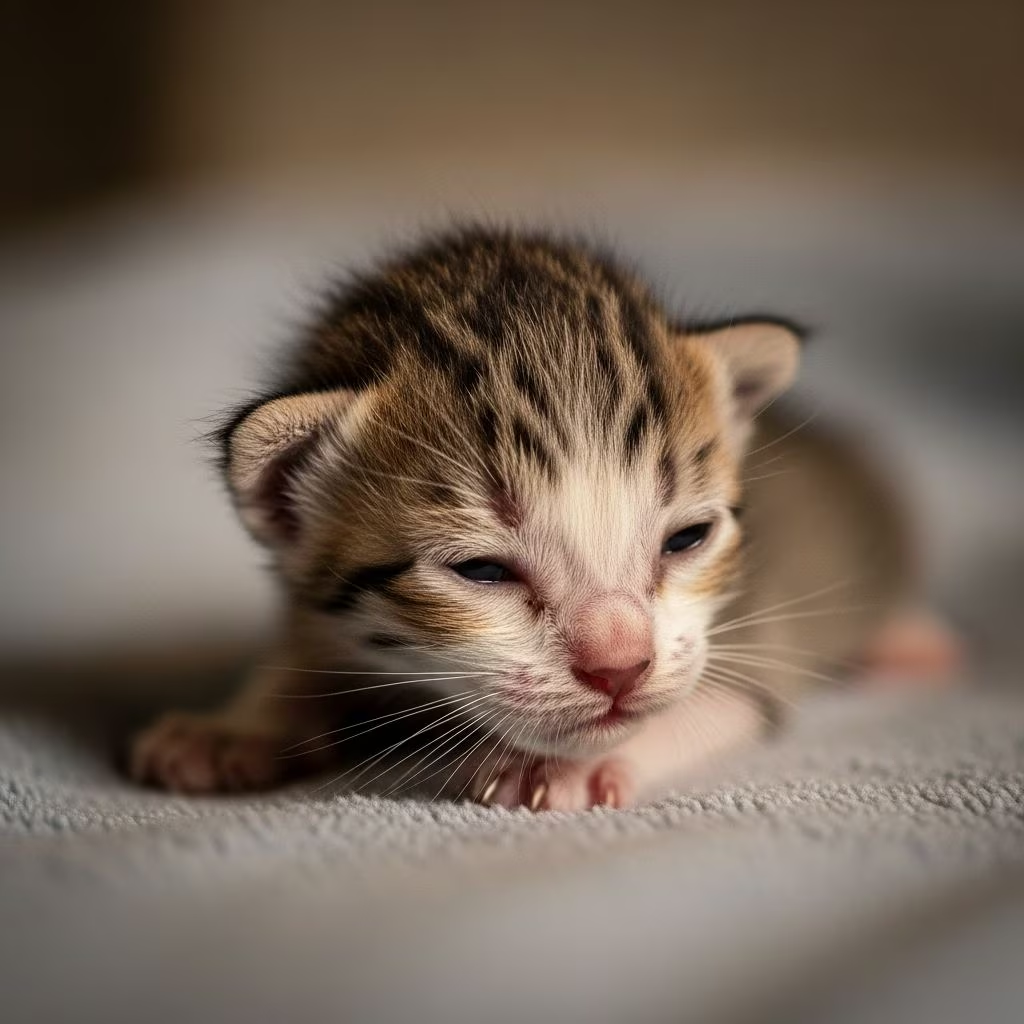
Understanding Fading Kitten Syndrome
Fading kitten syndrome, also known as failure to thrive, is a serious condition that affects newborn kittens, typically those under four weeks of age. This syndrome describes a situation where one or more kittens in a litter appear healthy at birth but gradually become inactive, sick, and ultimately die, usually within the first two weeks of life.
Unlike a single disease with one cause, fading kitten syndrome represents a collection of symptoms resulting from multiple underlying conditions. Kittens experiencing this syndrome require immediate veterinary attention, as the condition can progress rapidly and become life-threatening without prompt intervention.
Common Symptoms of Fading Kitten Syndrome
Recognizing the early signs of fading kitten syndrome is crucial for ensuring affected kittens receive timely medical care. Symptoms vary depending on the underlying cause but typically include:
- Excessive crying or whining, even after feeding
- Separation from littermates
- Lethargy and progressive weakness
- Poor suckling reflex or inability to nurse properly
- Rapid weight loss or failure to gain weight
- Sticky or dry lips
- Cool or limp appearance when picked up
- Low body temperature (hypothermia)
- Labored or difficult breathing
- Nasal or eye discharge
- Delayed skin turgor (skin elasticity)
Beyond these immediate symptoms, kittens failing to meet normal developmental milestones may also be experiencing fading kitten syndrome. Healthy kittens should be able to turn over from their back by day three after birth and support themselves on their feet by two weeks of age.
Primary Causes of Fading Kitten Syndrome
Fading kitten syndrome can result from numerous underlying causes, which veterinarians typically categorize into several broad groups:
Infectious Diseases
Infections represent one of the most common causes of fading kitten syndrome. These can include bacterial, viral, protozoal, and parasitic infections. Bacterial infections may occur in the respiratory tract, gastrointestinal system, at the umbilical cord, or in wounds. Viral infections can be transferred from an infected mother cat or other adult cats in the environment, with some viruses and internal parasites transmissible through the placenta and milk. External parasites like fleas and ticks may also be acquired from the environment.
Neonatal Isoerythrolysis
Neonatal isoerythrolysis occurs when the mother cat has a blood type incompatible with her kittens. Her maternal antibodies may attack the kittens’ red blood cells, causing anemia that can lead to fading kitten syndrome. This is the most common non-infectious cause of fading in kittens reported in veterinary literature.
Congenital Abnormalities
Birth defects affecting vital organs, such as heart defects, gastrointestinal malformations, brain abnormalities, lung defects, or cleft palate, can contribute to fading kitten syndrome. These congenital issues may not become apparent until days after birth.
Maternal Factors
Problems related to the mother cat significantly impact kitten survival. Maternal neglect, inadequate nutrition, lack of maternal antibodies, or difficulties during the birthing process can all trigger fading kitten syndrome in otherwise healthy kittens.
Low Birth Weight and Prematurity
Kittens born with low birth weight typically have higher metabolism and greater energy requirements, making them at increased risk of developing hypoglycemia and other complications. Premature kittens may also lack sufficient development to survive outside the womb.
Environmental Factors
Poor environmental conditions play a significant role in fading kitten syndrome. Unsanitary living conditions, inappropriate environmental temperatures (either too cold or too hot), inadequate humidity, and poor ventilation can stress vulnerable newborn kittens and compromise their health.
Trauma and Metabolic Issues
Physical trauma during birth or handling, combined with metabolic disorders such as hypoglycemia, dehydration, and negative energy balance, can rapidly decline a kitten’s health status. Additionally, certain genetic conditions may predispose kittens to metabolic dysfunction.
Risk Factors and Predisposing Conditions
Several factors increase a kitten’s vulnerability to fading kitten syndrome:
- Hypothermia: Develops due to mismaternal care, cold environmental temperatures, or underlying diseases
- Hypoglycemia: Results from inadequate nutrition, increased energy demands from cold stress, or concurrent illness
- Delayed colostrum intake: Prevents kittens from receiving crucial maternal antibodies
- Poor breeding practices: May result in genetic predisposition or insufficient genetic diversity
- Immunological deficiencies: Underdeveloped immune systems make kittens susceptible to infections
- Environmental contamination: Unsanitary conditions expose kittens to pathogens through various routes
Diagnostic Approach
When a kitten presents with signs of fading kitten syndrome, veterinarians follow a systematic diagnostic approach. The first priority is initiating supportive care to stabilize the kitten. The second priority involves conducting a detailed physical examination. The third priority focuses on identifying the underlying cause of disease to adjust treatment protocols accordingly.
Diagnostic tools may include:
- Blood work: To evaluate blood type compatibility, assess glucose levels, identify infections, and check for anemia
- Imaging: X-rays or ultrasound to detect congenital abnormalities or organ dysfunction
- Bacterial cultures: To identify specific bacterial infections and guide antibiotic therapy
- Physical examination findings: Assessment of temperature, heart rate, respiratory rate, and overall body condition
- Post-mortem examination (necropsy): In cases where kittens do not survive, necropsy can reveal the underlying cause
Treatment Options and Management
Treatment for fading kitten syndrome depends entirely on the identified underlying cause and the severity of the kitten’s condition. Treatment approaches generally fall into two categories: specific treatments targeting the underlying cause and supportive treatments managing symptoms.
Specific Treatments
When an underlying cause is identified early, specific treatments may include:
- Antibiotics: For bacterial infections causing respiratory tract, gastrointestinal, or systemic infections
- Surgery: To correct congenital abnormalities such as cleft palate or gastrointestinal malformations
- Blood transfusions: For kittens suffering from anemia due to neonatal isoerythrolysis
- Immunoglobulin therapy: To neutralize maternal antibodies attacking the kitten’s red blood cells
- Antifungal or antiparasitic medications: To address fungal or parasitic infections
- Fluid therapy: Intravenous or subcutaneous fluids to correct dehydration and provide glucose
Supportive Treatments
Supportive care is essential regardless of the underlying cause and includes:
- Temperature regulation: Maintaining appropriate environmental warmth through heating pads or incubators
- Nutritional support: Assisted feeding through bottle feeding or tube feeding when the kitten cannot nurse
- Glucose supplementation: Addressing hypoglycemia through dextrose administration
- Palliative care: Pain management and comfort measures
- Symptom management: Addressing specific symptoms as they arise
Prognosis and Outcomes
The prognosis for fading kitten syndrome varies significantly based on when the condition is identified and the underlying cause. If an underlying cause is detected early and is treatable, survival is possible. However, by definition, fading kitten syndrome often results in death. In some cases, no effective treatment exists, and euthanasia may be the most humane option to prevent suffering.
Factors influencing prognosis include the specific underlying condition, the kitten’s overall health status, how quickly treatment is initiated, and the kitten’s response to therapy. Kittens that receive prompt veterinary care and have identifiable, treatable causes have a better chance of survival.
Prevention Strategies
While not all cases of fading kitten syndrome can be prevented, several strategies can reduce risk:
- Ensure pregnant cats receive proper prenatal care and nutrition
- Maintain clean, appropriate environmental conditions for nursing mothers and kittens
- Monitor kittens closely for developmental milestones and health changes
- Ensure kittens receive adequate colostrum within the first hours of life
- Implement proper hygiene practices to prevent infection transmission
- Use appropriate breeding practices to avoid genetic predisposition
- Maintain appropriate environmental temperature and humidity
- Address parasites and infections in breeding cats before pregnancy
Frequently Asked Questions
Q: What is the difference between fading kitten syndrome and failure to thrive?
A: Fading kitten syndrome and failure to thrive are terms often used interchangeably. Both describe a condition where newborn kittens fail to develop normally and may die, typically before weaning.
Q: Can fading kitten syndrome be prevented?
A: While some cases cannot be prevented, risk can be reduced through proper prenatal care for mother cats, maintaining clean environments, ensuring adequate nutrition, and monitoring kittens closely for signs of illness.
Q: How quickly does fading kitten syndrome progress?
A: Progression varies depending on the underlying cause. Some kittens may gradually decline over several days, while others may experience sudden deterioration and death without warning.
Q: What should I do if I suspect my kitten has fading kitten syndrome?
A: Seek immediate veterinary attention. Fading kitten syndrome is a medical emergency requiring prompt professional care. The sooner treatment is initiated, the better the chances of survival if the underlying cause is treatable.
Q: Are certain cat breeds more susceptible to fading kitten syndrome?
A: Genetics can play a role, and some breeding practices may increase predisposition. However, fading kitten syndrome can occur in any cat breed and is not limited to purebred cats.
Q: Can human error in hand-raising kittens cause fading kitten syndrome?
A: Yes, improper hand-rearing techniques, including incorrect feeding methods, inadequate temperature control, or poor hygiene practices, can contribute to fading kitten syndrome in orphaned kittens.
References
- Fading kitten syndrome: Factors predisposing to ‘faders’ and management options — National Center for Biotechnology Information (NCBI). 2024. https://www.ncbi.nlm.nih.gov/pmc/articles/PMC10845402/
- Fading Kitten Syndrome: Signs and When to Get Help — PetMD. 2024. https://www.petmd.com/cat/conditions/fading-kitten-syndrome
- Failure to Thrive (Fading Kitten Syndrome) in Cats — Vetster. 2024. https://vetster.com/en/conditions/cat/failure-to-thrive-fading-kitten-syndrome
- Fading Kitten Syndrome: Recognize the Emergency and Act Fast — Global School of Veterinary Science (GSVS). 2024. https://gsvs.org/blog/fading-kitten-syndrome-emergency/
- Fading Kitten Syndrome — Colorado Animal Rescue. 2024. https://www.coloradoanimalrescue.org/fading-kitten-syndrome/



