

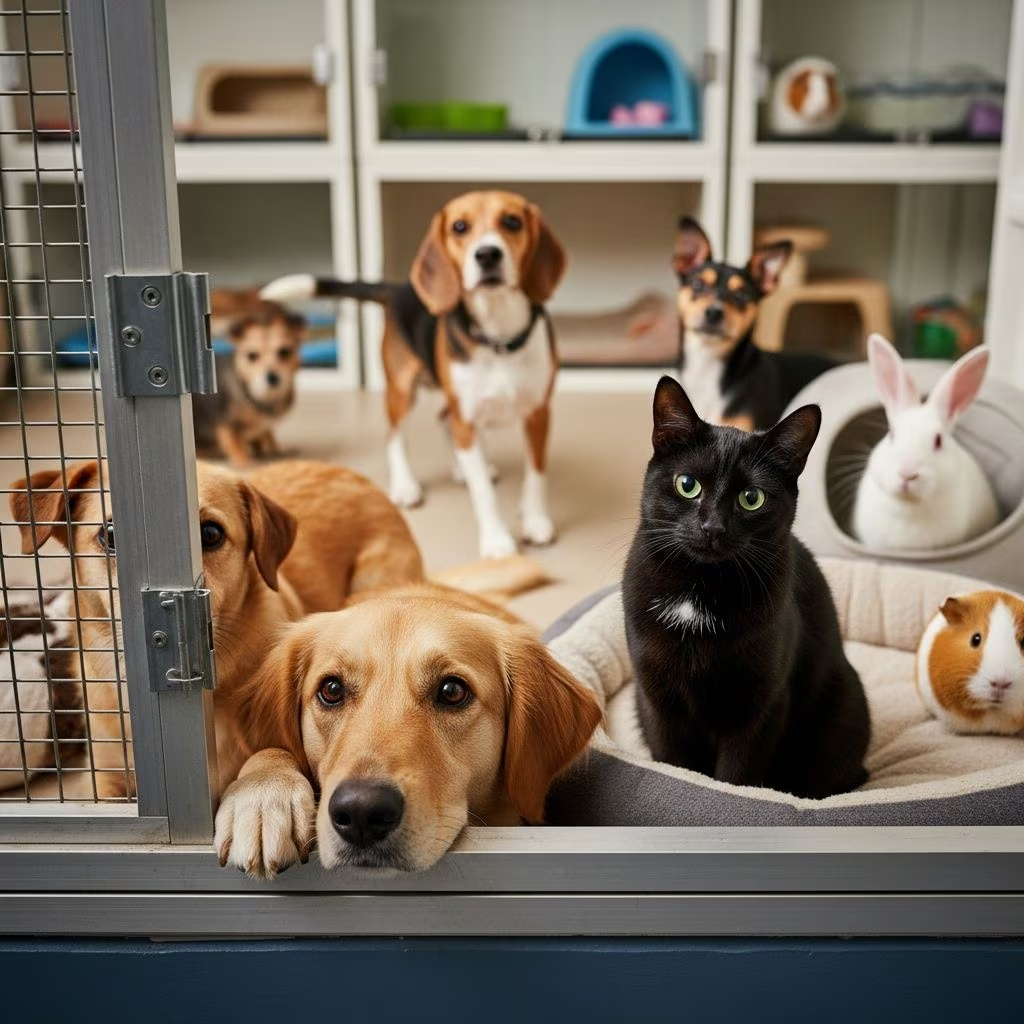
6 Facts About Pets at Animal Shelters That’ll Make You Want to Adopt
Every year, millions of animals enter shelters across the United States, many hoping for a second chance at happiness. In 2024, 5.8 million dogs and cats entered shelters and rescues, with the population split nearly evenly between the two species. Despite these staggering numbers, many people still turn to breeders or pet stores instead of considering the incredible animals waiting in their local shelters. If you’re thinking about adding a furry friend to your family, here are six compelling facts about shelter pets that just might change your mind and inspire you to adopt.
1. Shelter Dogs Come in Diverse Breeds and Sizes
One of the most common misconceptions about animal shelters is that they only house mixed breeds or mutts. In reality, shelters offer remarkable diversity when it comes to breed selection. Approximately 25% of dogs in animal shelters are purebreds, meaning you have an excellent chance of finding the specific breed or breed mix you’re looking for without supporting puppy mills or irresponsible breeders.
Whether you’re searching for a energetic Border Collie, a gentle Golden Retriever, a compact French Bulldog, or any other breed, shelters typically have a wide variety of dogs in different sizes, ages, and temperaments. This diversity extends beyond just breed—you’ll find playful puppies full of energy, calm adult dogs in their prime, and wise senior dogs looking to spend their golden years in a loving home. The variety means you can find a dog whose personality and energy levels perfectly match your lifestyle and preferences, whether you’re an active outdoors enthusiast or someone who prefers quiet evenings at home.
2. Shelter Pets Often Show Remarkable Gratitude and Loyalty
Adopting a shelter pet means giving an animal a second chance at life—and many of them seem to understand this gift. Shelter dogs and cats often display extraordinary gratitude and loyalty to their adoptive families, as if they truly comprehend that they’ve been rescued from uncertainty.
Many shelter animals have faced challenging circumstances before arriving at the facility. Some were abandoned on the streets, others surrendered by owners who could no longer care for them, and some experienced neglect or abuse. Despite these hardships, the resilience and affection these animals demonstrate is remarkable. New owners frequently report that their adopted pets form incredibly strong bonds with them, displaying unwavering loyalty and companionship. This deep connection often translates into a more fulfilling and rewarding pet ownership experience, as you know you’ve genuinely changed an animal’s life for the better.
3. Many Shelter Pets Are Already Trained
Contrary to popular belief, shelter dogs and cats aren’t all untrained or problem animals. In fact, many arrive at shelters with basic training and socialization already in place. Shelters and rescue organizations invest significant time and resources into working with their animals, teaching them commands, addressing behavioral issues, and helping them adjust to life in a home environment.
When you adopt from a shelter, you might bring home a dog that’s already house-trained, knows commands like sit and stay, and understands basic leash manners. This initial training can save new pet owners considerable time, effort, and money that would otherwise be spent on professional dog trainers. Additionally, shelter staff can provide valuable insights into each animal’s personality, habits, and any specific training needs, allowing you to make an informed decision and continue training where the shelter left off. This head start is particularly valuable for first-time pet owners who might feel overwhelmed by the prospect of training a young dog from scratch.
4. Shelter Pets Have Undergone Health Checks and Veterinary Care
Before adoption, shelter animals receive thorough medical evaluations and essential veterinary care. Dogs and cats are typically spayed or neutered, vaccinated against common diseases, and given comprehensive health examinations. This preventive care is crucial for the animal’s well-being and can save adopters significant money on initial veterinary expenses.
The statistics on pet ownership highlight this benefit clearly: only 10% of animals received by shelters have been spayed or neutered, while 75% of owned pets are neutered. By adopting from a shelter, you’re getting a pet that’s already received this important procedure, along with necessary vaccinations and health screenings. This means you can skip expensive initial vet visits for these procedures and focus your resources on ongoing preventive care, wellness visits, and any specific health needs your pet might have. Additionally, shelter staff can provide medical history and inform you of any chronic conditions or special healthcare needs your adopted pet might require.
5. Each Shelter Pet Has a Unique Story
Every animal in a shelter comes with its own unique history and backstory. Some dogs were found as strays on city streets, having survived on their own before being rescued. Others were surrendered by owners facing unforeseen barriers—job loss, housing changes, financial hardship, or family circumstances—that made it impossible for them to continue caring for their pets. According to recent statistics, 60% of dogs and cats entering shelters come in as strays, while 29% are surrendered by owners who can no longer care for them.
Learning about your new pet’s history can be a fascinating and meaningful experience that deepens your bond. Some shelter animals have traveled from overcrowded facilities in other regions, survived harsh street conditions, or overcome significant challenges before finding safety. Their resilience and remarkable journey make them all the more special. The mystery and charm of not knowing exactly where your pet came from adds character to your adoption story—one you’ll likely enjoy sharing with friends and family for years to come.
6. Adopting Supports the Critical Work of Shelters and Rescues
When you adopt from a shelter or rescue organization, you’re doing far more than just adding a pet to your family—you’re making a significant impact on animal welfare in your community. Every adoption creates space for shelters to rescue additional animals in need. In 2024, 4.2 million shelter animals were adopted into loving homes, but this still wasn’t enough to significantly reduce the number of dogs and cats in shelters nationwide.
Many shelters across the country are facing severe capacity crises. The length of time that dogs—especially large dogs—are staying in shelters before being adopted has increased significantly over the last five years, adding considerable strain to already overburdened shelter systems. By adopting, you directly help alleviate this crisis by freeing up resources, space, and staff time that can be dedicated to rescuing and caring for other animals. Your adoption also sends a powerful message to your community about the value of shelter animals, potentially inspiring others to adopt rather than purchase from breeders.
Furthermore, adoption fees typically go directly back into the shelter’s operations, funding medical care, behavioral rehabilitation programs, training initiatives, and enrichment activities for the animals still waiting for homes. By adopting, you’re supporting these essential services and helping shelters continue their life-saving work.
The Reality of Shelter Capacity and Adoption Impact
Understanding the current state of animal shelters helps illustrate why adoption is so important. Many shelters continue to face an ongoing capacity crisis, with multiple factors converging simultaneously, including staffing shortages, veterinarian scarcity, and an increasing proportion of animals with greater medical and behavioral needs. The situation is dire—a dog or cat is killed in America’s shelters every 90 seconds, simply because they don’t have a safe place to call home.
However, there is hope. Shelters are implementing innovative programs and behavioral rehabilitation services to give challenging animals the best chance of finding loving homes. Community support and increased adoptions are making a tangible difference in saving lives and improving conditions for shelter animals across the nation.
Making the Decision to Adopt
Adopting from a shelter is a decision that benefits everyone involved—you gain a loving companion, the shelter gains resources to help more animals, and most importantly, a deserving pet gets a second chance at happiness. Whether you’re looking for a specific breed, a trained companion, a healthy pet with veterinary care already completed, or simply want to make a life-changing impact on an animal in need, shelter adoption offers all of these benefits and more.
The next time you’re considering adding a pet to your family, visit your local animal shelter or browse adoptable animals online. You might just discover that the perfect companion is waiting there, ready to give you unconditional love and loyalty in return for the gift of a safe home.
Frequently Asked Questions (FAQs)
Q: What is the adoption process like at animal shelters?
A: Most shelters conduct an adoption process to ensure good matches between pets and families. This typically includes an application, reference checks, and sometimes a home visit or consultation with shelter staff to understand your lifestyle and ensure the pet is suitable for your home.
Q: Are shelter animals healthy?
A: Yes, shelter animals undergo veterinary health checks before adoption and receive necessary vaccinations and spaying/neutering. However, like any animal, they may have individual health needs. Shelter staff can inform you of any specific health concerns.
Q: How much does it cost to adopt from a shelter?
A: Adoption fees vary by shelter but typically range from $50 to $300. These fees help cover medical care, vaccinations, spaying/neutering, and other services provided to shelter animals. This is generally much less expensive than purchasing from a breeder.
Q: Can I find a specific breed at a shelter?
A: Yes, approximately 25% of shelter dogs are purebreds. You can also find many breed mixes. If you’re looking for a specific breed, many shelters have websites where you can search their available animals, and breed-specific rescue organizations also exist.
Q: Will a shelter pet adjust to living in my home?
A: Most shelter animals adjust well to their new homes with patience and care. Many are already trained and socialized. Shelter staff can provide guidance on helping your new pet settle in, and their insights into your pet’s personality can help ensure a smooth transition.
Q: Do shelter animals have behavior problems?
A: Not necessarily. While some shelter animals may need behavioral support, many are wonderful, well-adjusted pets that ended up in shelters due to circumstances beyond their control. Shelters work to address behavioral issues and can advise you on any specific concerns.
Q: How can I help animals in shelters even if I’m not ready to adopt?
A: You can volunteer, donate money or supplies, foster animals temporarily, spread awareness about adoption, or advocate for shelter funding and resources in your community. Every contribution helps save lives.
References
- U.S. Animal Shelter Statistics | Shelter Intake and Surrender — ASPCA. 2024. https://www.aspca.org/helping-shelters-people-pets/us-animal-shelter-statistics
- Facts About Animal Sheltering — PetFinder. https://www.petfinder.com/adopt-or-get-involved/animal-shelters-rescues/starting/facts-about-animal-sheltering/
- Fun Facts About Shelter Dogs: Embrace The Joy Of Adoption — Reb Rrranch Veterinary Services. https://reberranchvet.com/blog/fun-facts-about-shelter-dogs-embrace-the-joy-of-adoption/
- Cute Facts About Animals in Shelters — PETA Kids. https://www.petakids.com/photos/cute-facts-animals-shelters/
- Here’s What’s Happening in Animal Shelters Across the U.S. — Best Friends Animal Society. https://bestfriends.org/no-kill/animal-welfare-statistics
- 2024 Statistics – Shelter Animals Count — Shelter Animals Count. 2024. https://www.shelteranimalscount.org/explore-the-data/statistics-2024/



