

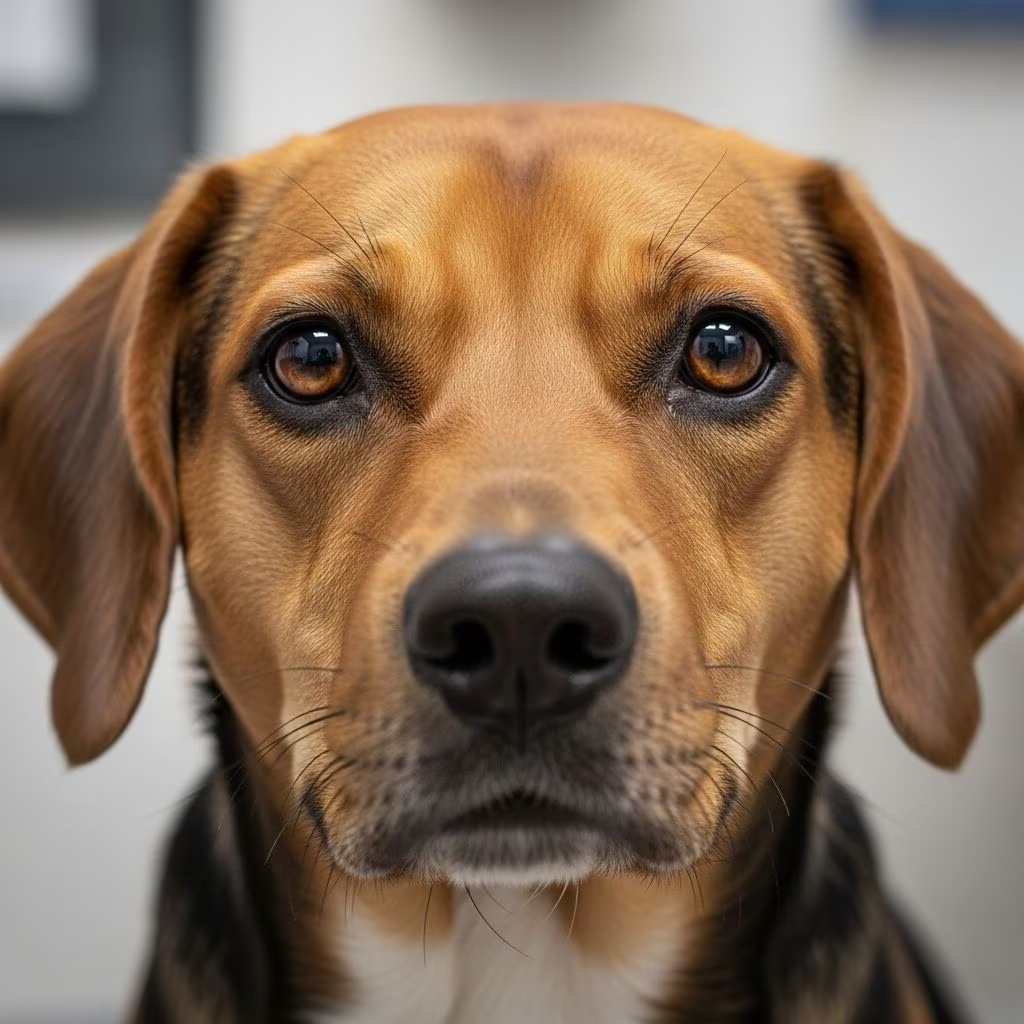
Understanding Facial Paresis and Paralysis in Dogs
Facial paresis and paralysis represent significant neurological conditions that affect a dog’s ability to control the muscles in their face. These conditions can develop suddenly and impact a dog’s quality of life, from eating and drinking to eye care. Understanding what causes facial paralysis, recognizing the signs, and knowing your treatment options are essential steps in caring for an affected pet.
The facial nerve, also known as cranial nerve VII, plays a crucial role in controlling numerous facial muscles and functions. When this nerve becomes damaged or inflamed, it results in the characteristic drooping or sagging appearance associated with facial paralysis. While the condition can be alarming for pet owners, understanding its nature and available treatments can help you provide the best care for your dog.
What is the Facial Nerve and Its Functions?
The facial nerve is one of twelve cranial nerves in dogs and serves as the primary nerve controlling facial expression and movement. This nerve is responsible for controlling the muscles that move the eyelids, lips, ears, nostrils, and cheeks. Beyond motor control, the facial nerve also regulates important functions including tear production through the lacrimal glands and salivary production through the salivary glands.
Because the facial nerve passes extremely close to the inner ear, any inflammation or infection in this area can directly affect nerve function. This anatomical proximity explains why middle and inner ear infections are among the most common secondary causes of facial paralysis in dogs. Understanding this relationship is important when evaluating potential causes and planning appropriate treatment strategies.
Causes of Facial Paresis and Paralysis
Facial paresis and paralysis in dogs can result from various causes, ranging from unknown origins to identifiable underlying conditions. The causes can be broadly categorized into idiopathic and secondary causes.
Idiopathic Facial Paralysis
Idiopathic facial nerve paralysis, similar to Bell’s palsy in humans, accounts for approximately 75% of all facial paralysis cases in dogs. The term “idiopathic” means that no specific cause can be identified despite thorough investigation. This condition appears to occur spontaneously and may be related to inflammation of the nerve itself, though the exact mechanism remains unclear. Idiopathic facial paralysis can affect dogs of any age or breed, though it appears more commonly in middle-aged dogs, with cocker spaniels showing particular susceptibility.
Middle and Inner Ear Infections
Infection or inflammation of the middle ear (otitis media) or inner ear (otitis interna) represents the second most common cause of facial paralysis in dogs. Since the facial nerve runs directly adjacent to these structures, any inflammation in these areas can result in facial paresis or paralysis. Dogs with chronic skin conditions, allergies, or repeated ear infections face increased risk. When facial paralysis stems from ear infections, additional signs such as head tilt, loss of balance, or vestibular syndrome typically accompany the facial symptoms.
Other Identifiable Causes
While less common than idiopathic cases and ear infections, several other conditions can cause facial paralysis in dogs:
- Hypothyroidism: Low thyroid hormone levels can damage nerves, resulting in facial paralysis
- Trauma: Direct injury to the head or facial nerve can result in sudden paralysis
- Tumors: Cancers that invade, compress, or originate near the facial nerve or brainstem
- Metabolic Disorders: Conditions such as diabetes mellitus or Cushing’s disease
- Immune-Mediated Disease: Conditions where the immune system attacks nerve tissue
- Polyneuropathy: Generalized nerve disease affecting multiple nerves
- Surgical Complications: Rarely, facial nerve damage occurs as an iatrogenic (physician-induced) complication during surgical procedures
- Toxins: Exposure to certain toxins can damage the facial nerve
Clinical Signs of Facial Paralysis
Facial paralysis in dogs typically develops suddenly, with clinical signs appearing abruptly rather than gradually. Recognizing these signs is essential for prompt veterinary evaluation.
Observable Physical Signs
Dogs with facial paralysis display characteristic facial changes that affect one side (unilateral) or both sides (bilateral) of the face:
- Drooping facial features: Sagging or drooping of the lips and ears on the affected side
- Inability to blink: The affected eye cannot close, leaving it open and vulnerable
- Deviation of the nose: The nose may deviate toward the unaffected side of the face
- Facial asymmetry: Noticeable difference in appearance between the two sides of the face
- Thin, gray discharge: Reduced tear production may cause discharge around the affected eye
Functional Impairments
Beyond appearance, facial paralysis affects important daily functions:
- Eating and drinking difficulties: Weakness in the muscles controlling the lips and mouth makes eating sloppy, with food often dropping from the mouth
- Excessive drooling: Loss of control over salivary glands leads to constant drooling
- Eye problems: Inability to blink and reduced tear production can result in dry eyes and thick discharge
- Mouth care challenges: Difficulty controlling saliva increases risk of skin irritation around the mouth
Diagnosis of Facial Paresis and Paralysis
Diagnosing facial paralysis involves a systematic approach to identify both the condition itself and any underlying causes.
Physical Examination
Your veterinarian will perform a comprehensive physical examination focusing on several areas. This includes detailed assessment of the eyes, ears, and motor coordination to evaluate cranial nerve function. The veterinarian will also check for other cranial nerve abnormalities and assess overall neurological function to rule out systemic neurological problems.
Diagnostic Testing
When an underlying cause is suspected, additional diagnostic tests may be recommended:
- Otoscopic examination: Visual examination of the ear canal and ear drum to assess for infection or abnormalities
- Cytology and culture: Samples from the ear to identify bacterial or fungal infections
- Skull radiographs: X-rays to evaluate for fractures, tumors, or bone abnormalities
- CT or MRI imaging: Advanced imaging to visualize soft tissue structures, tumors, or nerve damage
- Blood work: Laboratory tests to evaluate thyroid function and metabolic status
Treatment Options for Facial Paralysis
Treatment approaches differ depending on whether an underlying cause has been identified. Management focuses on addressing the underlying condition when possible, or providing supportive care for idiopathic cases.
Treatment for Secondary Causes
When facial paralysis results from an identifiable condition, treatment targets that underlying cause:
- Infections: Antibiotics or antifungal medications for bacterial or fungal ear infections
- Hypothyroidism: Thyroid hormone supplements to normalize thyroid function
- Tumors: Surgical removal, radiation therapy, or chemotherapy as appropriate
- Immune-mediated disease: Immunosuppressive medications to control immune system activity
Idiopathic Facial Paralysis Management
There is no specific cure for idiopathic facial paralysis; however, treatment focuses on symptom management and supportive care to promote comfort and prevent complications.
Eye Care
Protecting the affected eye is crucial since the dog cannot blink to keep the eye moist and clean. Treatment includes frequent application of lubricating eye drops throughout the day and night to prevent corneal ulceration and dry eye syndrome (keratoconjunctivitis sicca or KCS). Your veterinarian may recommend a tear stimulant medication called pilocarpine to encourage tear production. If the eye develops a corneal ulcer, additional specialized treatment may be necessary to prevent vision loss.
Medical Therapy
Anti-inflammatory medications may be prescribed to reduce swelling around the facial nerve and potentially improve nerve function. These medications work best when started early in the course of disease.
Mouth and Skin Care
Regular cleaning around the mouth prevents skin irritation and sores that can develop from constant drooling and saliva exposure. Pet owners should gently clean and dry the area several times daily to maintain skin health.
Feeding Modifications
Dogs with facial paralysis often have difficulty eating due to lip weakness. Feeding strategies may include offering softer foods, elevated food bowls, or hand-feeding to facilitate easier intake. Some dogs may benefit from temporary feeding tubes if nutritional intake becomes severely compromised.
Physical Rehabilitation and Therapeutic Techniques
Several therapeutic approaches may help stimulate nerve recovery and improve muscle function:
- Acupuncture: May speed recovery time and is commonly used in idiopathic cases
- Massage: Gentle massage of facial muscles may promote circulation and nerve stimulation
- Laser therapy: Low-level laser therapy may promote tissue healing and nerve regeneration
- Physical exercises: Special exercises designed to stimulate facial nerves and improve muscle function
- Electroacupuncture: Combines acupuncture with electrical stimulation for enhanced nerve stimulation
Prognosis and Recovery
The prognosis for facial paralysis varies depending on the underlying cause and individual factors.
Idiopathic Cases
In idiopathic facial paralysis, some dogs recover spontaneously over time, while others experience permanent paralysis. Recovery timelines are unpredictable, with some dogs showing improvement within weeks while others may require months of supportive care. Many dogs learn to adapt to permanent facial paralysis and maintain a good quality of life with appropriate management.
Secondary Causes
When facial paralysis results from an underlying condition, the prognosis depends on the specific cause and how successfully that condition can be treated. Dogs with correctable causes, such as ear infections or hypothyroidism, often show improvement once the underlying condition is addressed.
Potential Complications
Without proper management, facial paralysis can lead to secondary complications:
- Corneal ulceration: Results from inability to blink and reduced tear production, potentially causing vision loss
- Dry eye syndrome: Chronic condition requiring lifelong eye drop treatment
- Dermatitis: Skin inflammation from constant moisture and drooling around the mouth and face
- Infection: Secondary skin or eye infections may develop without proper hygiene
Prevention
Since most cases of facial paralysis are idiopathic with no identifiable cause, prevention is challenging. However, maintaining good ear hygiene, promptly treating ear infections, and managing underlying conditions like hypothyroidism may reduce the risk of secondary facial paralysis. It is important to note that facial nerve paralysis is not contagious and cannot be transmitted between dogs.
When to Contact Your Veterinarian
If you notice any sudden changes in your dog’s facial appearance, inability to blink, difficulty eating or drinking, or excessive drooling, contact your veterinarian promptly. Early evaluation and diagnosis are important for implementing appropriate treatment and preventing complications. Your veterinarian can determine whether your dog’s condition is idiopathic or secondary to an underlying cause, and develop a management plan tailored to your pet’s specific needs.
Frequently Asked Questions
Q: Can facial paralysis in dogs be cured?
A: The answer depends on the cause. If facial paralysis results from an identifiable condition like an ear infection or hypothyroidism, treating that condition may resolve the paralysis. For idiopathic facial paralysis, there is no specific cure, though some dogs recover spontaneously over time. Treatment focuses on supportive care and symptom management to maintain quality of life.
Q: Is facial paralysis painful for dogs?
A: Facial paralysis itself is not typically painful, though the underlying cause may be. For example, ear infections causing facial paralysis can be uncomfortable. The main challenges for dogs involve practical difficulties with eating, drinking, and eye care rather than pain.
Q: How long does facial paralysis last in dogs?
A: Recovery timelines vary significantly. Some dogs show improvement within weeks, while others may require months of supportive care. Some dogs experience permanent paralysis. The duration depends on whether an underlying cause exists and how successfully it can be treated.
Q: Can both sides of the face be affected?
A: Yes, facial paralysis can affect one side (unilateral) or both sides (bilateral) of the face. Bilateral paralysis is less common and may require more intensive supportive care, particularly regarding eye protection.
Q: What is the difference between facial paresis and facial paralysis?
A: Facial paresis refers to weakness of the facial muscles, while facial paralysis refers to complete loss of movement. Paresis represents a milder form of the condition, whereas paralysis indicates more severe nerve dysfunction.
Q: Can facial paralysis affect a dog’s vision?
A: Facial paralysis can indirectly affect vision through complications such as corneal ulceration or dry eye syndrome resulting from the inability to blink and reduced tear production. Proper eye care with lubricating drops is essential to prevent these complications and protect vision.
References
- Facial Paralysis in Dogs: Your Questions Answered — Southeastern Veterinary Neurology. Accessed 2025. https://sevneurology.com/blog/facial-paralysis-in-dogs
- Facial Nerve Paralysis in Dogs – Causes, Treatment and Care — Vetster. Accessed 2025. https://vetster.com/en/conditions/dog/facial-nerve-paralysis
- Managing Facial Paralysis in Dogs — Hill’s Pet Nutrition. Accessed 2025. https://www.hillspet.com/dog-care/healthcare/facial-paralysis-in-dogs
- Face Nerve Paralysis in Dogs — PetMD. Accessed 2025. https://www.petmd.com/dog/conditions/neurological/c_multi_facial_nerve_paresis
- Facial Paresis and Paralysis in Dogs — VCA Animal Hospitals. Accessed 2025. https://vcahospitals.com/know-your-pet/facial-paresis-and-paralysis-in-dogs
- Facial Paralysis in Animals – Nervous System — Merck Veterinary Manual. Accessed 2025. https://www.merckvetmanual.com/nervous-system/facial-paralysis/facial-paralysis-in-animals



