

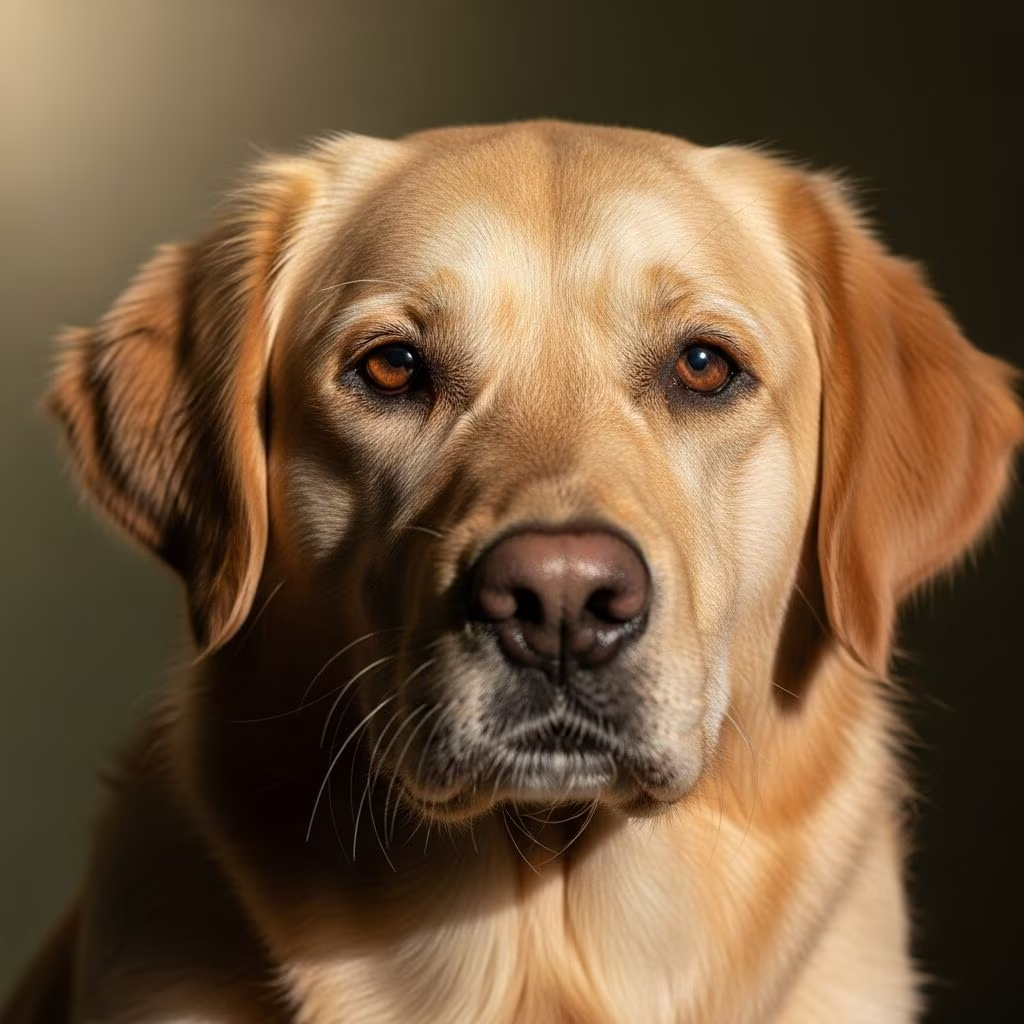
Facial paralysis in dogs occurs when the facial nerve, known as cranial nerve VII, becomes damaged or dysfunctional, leading to weakness or complete loss of muscle control on one or both sides of the face. This condition manifests suddenly and can significantly affect a dog’s ability to express emotions, eat, drink, and protect its eyes, but with proper management, most dogs maintain a good quality of life.
Recognizing the Signs of Facial Nerve Issues
The onset of facial paralysis is typically abrupt, with owners noticing asymmetry or droopiness in their dog’s facial features. Common indicators include a drooping ear, lip, or eyelid on the affected side, excessive drooling due to impaired salivary control, and an inability to fully close the eye, which can lead to dryness and discharge.
- Drooping features: The ear, lip, and eyelid sag noticeably, giving the face a lopsided appearance.
- Eye problems: Reduced blinking exposes the cornea to air, causing irritation, ulcers, or thick discharge; tear production may also decrease, leading to keratoconjunctivitis sicca (KCS).
- Oral difficulties: Food drops from the mouth during eating, and saliva pools excessively.
- Nasal deviation: The nostrils may pull toward the healthy side.
- Bilateral cases: Both sides affected result in a dull, expressionless face with prominent drooling, though unilateral is more common.
In older dogs, these signs are particularly prevalent, and early observation is crucial to prevent secondary complications like skin infections or vision impairment.
Primary Causes Behind Facial Nerve Paralysis
While many instances remain unexplained, termed idiopathic (similar to Bell’s palsy in humans), several identifiable factors disrupt the facial nerve’s pathway from the brainstem through the ear to facial muscles.
| Cause Category | Description | Associated Risks |
|---|---|---|
| Idiopathic | No identifiable origin; most common in dogs, especially seniors. | Temporary or permanent; may switch sides. |
| Ear Infections | Middle (otitis media) or inner (otitis interna) ear inflammation, often from chronic skin issues. | Head tilt, balance loss; treatable with antibiotics if caught early. |
| Trauma | Head injuries from accidents, rough handling, or surgery (iatrogenic). | Sudden onset; nerve regeneration possible over months. |
| Endocrine Disorders | Hypothyroidism (underactive thyroid); less commonly diabetes or Cushing’s. | Skin changes, lethargy; reversible with hormone therapy. |
| Tumors or Growths | Masses compressing the nerve or brainstem. | Guarded prognosis; requires imaging and oncology input. |
| Other | Toxins (e.g., botulism from raw meat), polyneuropathy, immune issues. | Rare; specific testing needed. |
Otitis infections stand out as a frequent culprit, particularly in dogs prone to ear problems, while idiopathic cases dominate statistics, affecting quality of life minimally once managed.
Diagnostic Approaches for Accurate Assessment
Veterinarians start with a thorough physical exam, evaluating cranial nerves, eye function, ear health, and coordination to rule out broader neurological issues.
- Imaging: X-rays, CT, or MRI to detect ear infections, tumors, or brainstem abnormalities.
- Lab Tests: Bloodwork for thyroid levels, bacterial cultures from ear swabs.
- Electromyography (EMG): Measures nerve and muscle electrical activity to gauge damage severity and monitor recovery.
- Tear Production Test: Schirmer tear test for KCS diagnosis.
- Otoscopy: Visualizes ear canals for inflammation or polyps.
Early, comprehensive diagnostics distinguish treatable causes from idiopathic ones, guiding effective interventions.
Treatment Strategies and Supportive Care
Treatment hinges on the underlying cause; idiopathic cases receive symptomatic support, while identified issues target root problems.
Addressing Underlying Conditions
- Antibiotics and anti-inflammatories for ear infections, potentially resolving paralysis if prompt.
- Thyroid hormone supplements for hypothyroidism, often leading to full recovery.
- Surgical options for tumors or severe trauma, though nerve repair is limited.
Symptomatic Management
No cure exists for idiopathic paralysis, but therapies promote comfort and nerve regeneration:
- Eye Protection: Frequent lubricating drops or ointments prevent ulcers; pilocarpine stimulates tears in KCS cases.
- Physical Therapies: Acupuncture, massage, laser therapy, or heat to aid muscle tone and nerve regrowth; improvement may take 6 months.
- Nutrition Aids: Soft food, elevated bowls to ease eating.
- Surgical Interventions: Tarsorrhaphy (partial eyelid stitch) or lip tucks for chronic drooping.
Regular mouth cleaning prevents dermatitis from drool. Most dogs adapt well, with poor recovery outlook only after 6 months without progress.
Long-Term Prognosis and Quality of Life
Prognosis varies: ear infections or hypothyroidism often yield good outcomes with treatment, while idiopathic or traumatic cases may persist but rarely impair overall health.
- Recovery Timeline: Partial function returns in weeks to months via nerve regrowth; full paralysis may leave cosmetic changes.
- Complications to Monitor: Corneal ulcers, skin sores, or dehydration from eating issues.
- Lifestyle Adjustments: Dogs lead happy lives with adaptations; no evidence of pain from paralysis itself.
Breed predispositions are unclear, but older dogs face higher risks. Preventable causes like ear infections benefit from routine grooming and check-ups.
Home Care Tips for Affected Dogs
Owners play a vital role in daily management:
- Clean eyes multiple times daily with vet-approved saline; apply drops as prescribed.
- Wipe drool-prone areas to avoid irritation.
- Feed moistened kibble or canned food in non-slip bowls.
- Gently massage facial muscles 10-15 minutes daily.
- Monitor for worsening signs like head tilting or lethargy, prompting vet visits.
- Protect from wind/dust with dog goggles if outdoors.
These steps minimize discomfort and secondary issues, fostering resilience.
Frequently Asked Questions (FAQs)
Is facial paralysis painful for dogs?
No, the paralysis itself is not painful, but untreated eye exposure can cause discomfort from dryness or ulcers.
Can facial paralysis resolve on its own?
Yes, especially idiopathic cases; up to 50% show improvement within months, though some remain permanent.
How do I prevent facial paralysis in my dog?
Manage ear health proactively, control hypothyroidism via regular vet checks, and avoid head trauma; idiopathic forms are unpreventable.
Does facial paralysis affect both sides equally?
Unilateral is more noticeable and common; bilateral appears as generalized dullness with heavy drooling.
Is surgery always necessary?
No, only for severe, non-resolving cases or underlying tumors; conservative care suffices for most.
Prevention Strategies for At-Risk Dogs
Though often unavoidable, vigilance helps:
- Regular ear cleanings for floppy-eared breeds.
- Annual thyroid screening in seniors.
- Prompt treatment of infections.
- Safe environments to prevent trauma.
These reduce secondary paralysis risks, ensuring proactive care.
References
- Facial Paralysis in Dogs – Dog Owners — Merck Veterinary Manual. Accessed 2026. https://www.merckvetmanual.com/dog-owners/brain-spinal-cord-and-nerve-disorders-of-dogs/facial-paralysis-in-dogs
- Facial Nerve Paralysis Explained: Causes, Symptoms — YouTube (Veterinary Content). Accessed 2026. https://www.youtube.com/watch?v=dap98iy4wwc
- Facial Nerve Paralysis in Dogs – Causes, Treatment — Vetster. Accessed 2026. https://vetster.com/en/conditions/dog/facial-nerve-paralysis
- Managing Facial Paralysis in Dogs — Hills Pet. Accessed 2026. https://www.hillspet.com/dog-care/healthcare/facial-paralysis-in-dogs
- Facial Paresis and Paralysis in Dogs — VCA Animal Hospitals. Accessed 2026. https://vcahospitals.com/know-your-pet/facial-paresis-and-paralysis-in-dogs
- Facial Paralysis factsheet — Vetoracle. Accessed 2026. https://vetoracle.com/resources/client-factsheets/facial-paralysis-factsheet/
- Facial Paralysis in Animals – Nervous System — MSD Veterinary Manual. Accessed 2026. https://www.msdvetmanual.com/nervous-system/facial-paralysis/facial-paralysis-in-animals



