

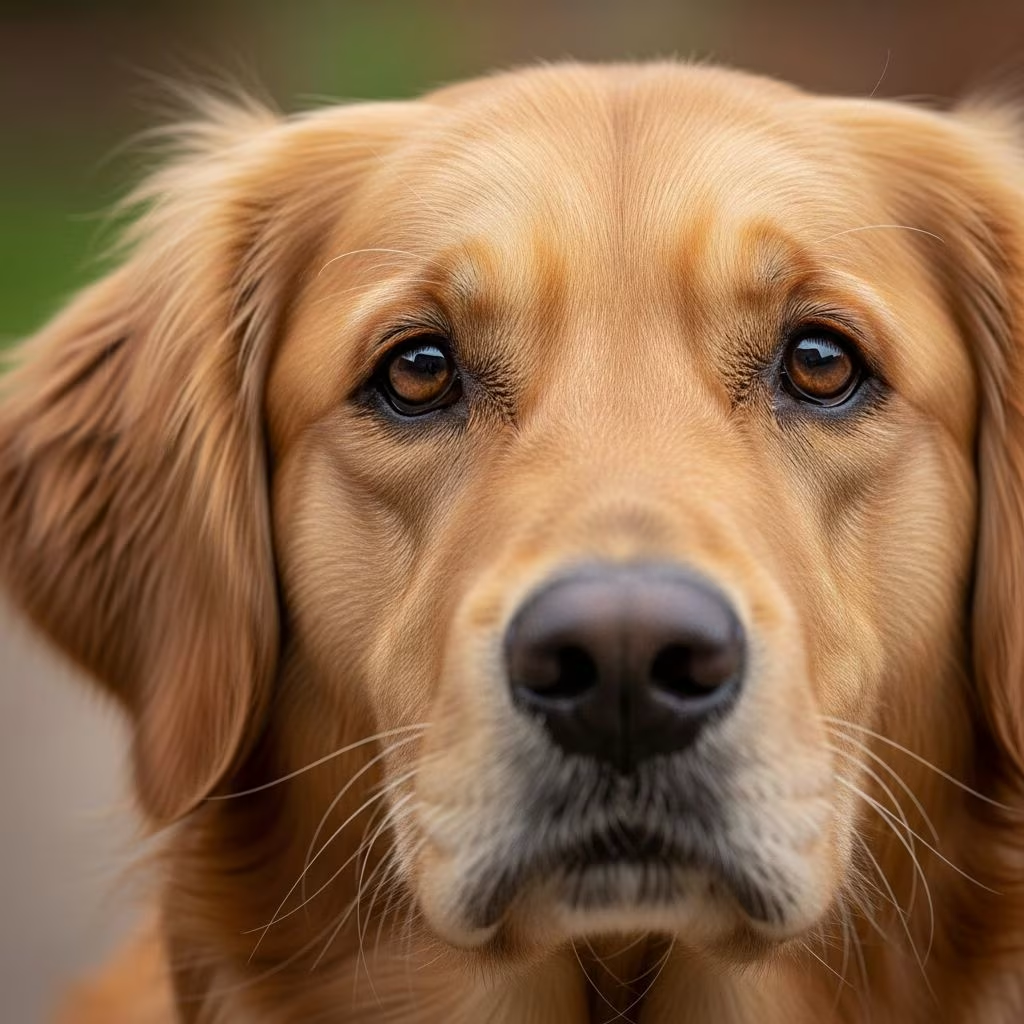
Facial paralysis in dogs occurs when the facial nerve, or cranial nerve VII, sustains damage or inflammation, leading to weakness or loss of function in facial muscles. This condition often appears suddenly and primarily affects one side of the face, though bilateral cases happen rarely. Pet owners frequently notice a droopy appearance that impacts daily activities like eating and blinking.
Recognizing the Signs of Facial Nerve Dysfunction
Early identification of symptoms is crucial for timely veterinary intervention. Dogs with this issue typically exhibit distinct changes on the affected side.
- Drooping ear and lip: The ear flops downward, and the lip sags, giving a lopsided look.
- Food and water spillage: Difficulty holding food in the mouth causes drooling and mess during meals.
- Inability to blink or close the eyelid: This exposes the cornea to risks like dryness and ulcers.
- Eye discharge: Thick, gray buildup occurs due to reduced tear production.
- Nose deviation: The nostrils shift toward the healthy side.
- Excessive salivation: Impaired salivary gland control leads to constant drooling.
In bilateral paralysis, signs are subtler, resulting in a flat, expressionless face that might be overlooked initially.
Common Triggers Behind Facial Nerve Issues
Several factors can impair the facial nerve, which runs from the brainstem through the inner ear to facial muscles, salivary glands, and tear producers. Understanding these helps in pinpointing the root problem.
| Cause Category | Description | Frequency | Associated Signs |
|---|---|---|---|
| Idiopathic | No identifiable cause, akin to Bell’s palsy in humans; accounts for about 75% of cases. | Most common | Isolated facial signs |
| Ear Infections | Middle or inner ear inflammation (otitis media/interna), often from chronic skin issues. | Second most common | Head tilt, balance loss, Horner’s syndrome |
| Trauma | Head injuries damaging the nerve directly. | Less common | History of accident |
| Endocrine Disorders | Hypothyroidism, diabetes, Cushing’s disease affecting nerve health. | Occasional | Systemic symptoms like weight gain |
| Toxins | Botulism from raw meat or other poisons. | Rare | Generalized weakness |
| Tumors | Growths compressing the nerve or brainstem. | Rare | Neurological deficits |
| Other | Polyneuropathy, immune issues, post-surgical (iatrogenic). | Rare | Varies |
Middle-aged dogs, particularly Cocker Spaniels, seem predisposed, though any breed or age can be affected.
Diagnostic Approaches for Accurate Assessment
Veterinarians start with a thorough physical exam, checking cranial nerves, eye function, ear health, and coordination. Key steps include:
- Neurological evaluation to localize the lesion (nerve vs. brain).
- Otoscopic exam and imaging (CT/MRI) for ear or tumor issues.
- Blood tests for thyroid, metabolic disorders.
- Tear production test (Schirmer tear test) for dry eye assessment.
- Cerebrospinal fluid analysis if central nervous system involvement suspected.
Idiopathic cases show normal results across all tests, confirming the diagnosis by exclusion.
Treatment Strategies Tailored to the Cause
Management varies by underlying issue, focusing on resolving inflammation, protecting vulnerable areas, and supporting recovery.
For Idiopathic Cases
No specific cure exists, but many dogs regain function over weeks to months. Supportive therapies include:
- Anti-inflammatory drugs (corticosteroids) to reduce nerve swelling.
- Physical rehab: Acupuncture, laser therapy, massage, neuromuscular electrical stimulation.
For Secondary Causes
- Infections: Antibiotics, antifungals; ear cleaning or surgery if needed.
- Endocrine: Hormone supplements like levothyroxine.
- Tumors/Trauma: Surgical removal or decompression.
Across all cases, eye protection is paramount: Artificial tears every 2-4 hours, possibly pilocarpine for tear stimulation, and tarsorrhaphy in severe cases.
Essential Home Care for Affected Dogs
Owners play a vital role in comfort and preventing complications.
- Eye maintenance: Clean discharge multiple times daily; use lubricating ointments at night.
- Mouth hygiene: Gently wipe drool to avoid skin irritation or infections.
- Feeding adaptations: Soft food, elevated bowls, hand-feeding if necessary.
- Monitor for ulcers: Check eyes and skin regularly; report worsening.
- Prevent self-trauma: Elizabethan collar if pawing at face.
Consistency in care improves quality of life during recovery.
Prognosis and Long-Term Outlook
Idiopathic paralysis often resolves partially or fully within 3-6 weeks, though some residual droop persists. Secondary cases depend on treating the cause promptly—ear infections have good outcomes if addressed early, while tumors vary. Bilateral cases or those with vestibular signs may take longer. Regular vet follow-ups track progress.
Preventive Measures and Risk Reduction
While idiopathic cases can’t be prevented, minimize risks by:
- Maintaining ear health through routine cleanings, especially in floppy-eared breeds.
- Controlling chronic conditions like hypothyroidism via annual bloodwork.
- Avoiding raw meat diets to prevent botulism.
- Protecting from head trauma during play or travel.
Frequently Asked Questions (FAQs)
Is facial paralysis painful for dogs?
Typically not directly painful, but complications like corneal ulcers can cause discomfort. Pain meds may be prescribed if needed.
Can my dog fully recover?
Many do, especially idiopathic cases, but some have permanent mild deficits. Early care boosts chances.
How much does treatment cost?
Varies widely: Diagnostics $500-2000, meds/therapy $100-500/month. Surgery for tumors higher.
Is it contagious?
No, it’s not transmissible between dogs or to humans.
When should I see a specialist?
If basic vet tests are normal or additional neuro signs appear, consult a veterinary neurologist.
Latest Research and Developments
Recent studies emphasize rehab modalities like acupuncture showing faster recovery in idiopathic cases. Ongoing work explores anti-inflammatory protocols and nerve regeneration therapies.
References
- Facial Paralysis in Dogs | Southeast Veterinary Neurology — Southeast Veterinary Neurology. 2024. https://sevneurology.com/blog/facial-paralysis-in-dogs
- Facial Nerve Paralysis Explained: Causes, Symptoms … – YouTube — Southeast Veterinary Neurology. 2024-10-09. https://www.youtube.com/watch?v=dap98iy4wwc
- Managing Facial Paralysis in Dogs – Hill’s Pet Nutrition — Hill’s Pet Nutrition. Accessed 2026. https://www.hillspet.com/dog-care/healthcare/facial-paralysis-in-dogs
- Facial Paresis and Paralysis in Dogs | VCA Animal Hospitals — VCA Animal Hospitals. Accessed 2026. https://vcahospitals.com/know-your-pet/facial-paresis-and-paralysis-in-dogs
- Idiopathic Facial Nerve Paralysis – Cave Veterinary Specialists — Cave Veterinary Specialists. Accessed 2026. https://www.cave-vet-specialists.co.uk/pet-owners/factsheets/idiopathic-facial-nerve-paralysis



