
Facial Nerve Paralysis In Horses: Diagnosis & Care
Comprehensive guide to recognizing, diagnosing, and managing facial nerve issues in equines for better outcomes.
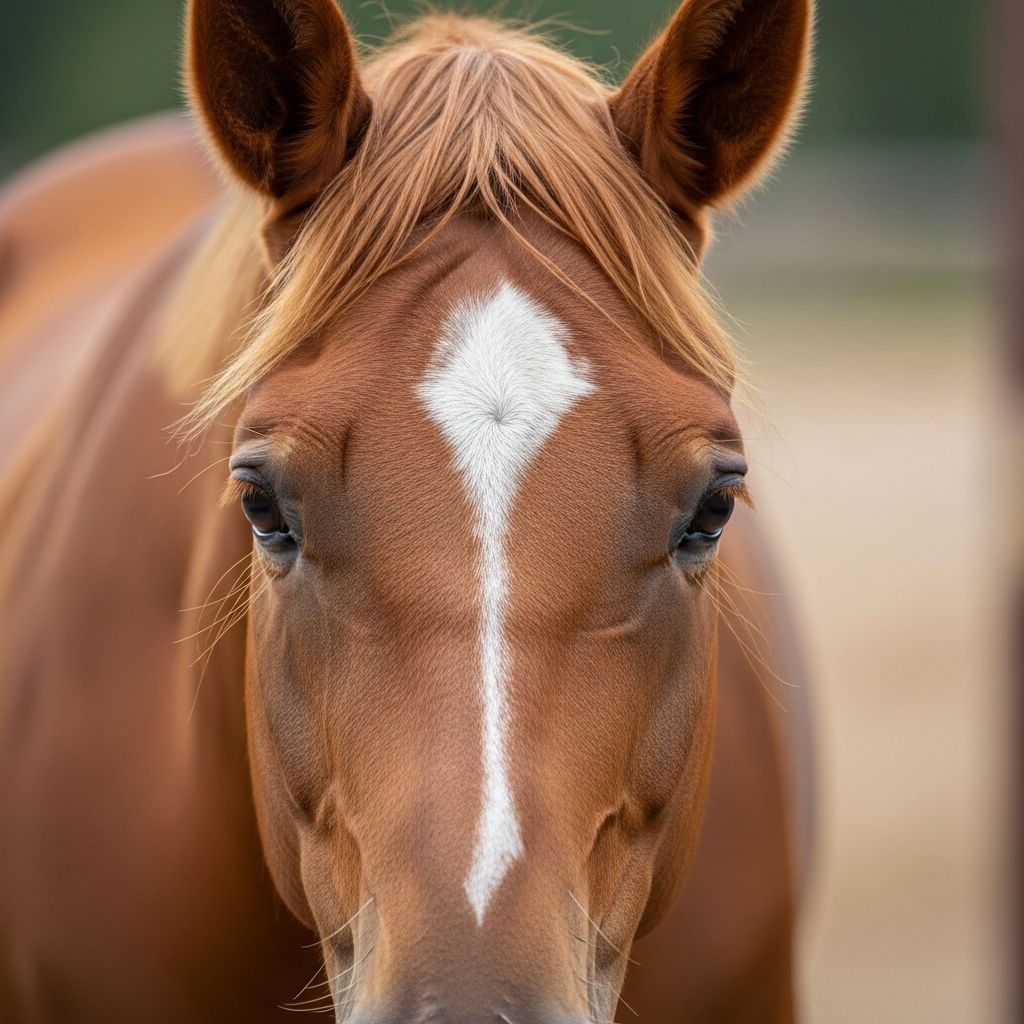
The facial nerve, or cranial nerve VII, plays a vital role in controlling the muscles responsible for facial expressions, eyelid closure, ear movement, and nostril dilation in horses. When this nerve sustains damage, it leads to facial paralysis, a condition that disrupts normal equine facial function and can impact overall welfare. This disorder manifests as asymmetry or complete loss of movement on one or both sides of the face, often alarming owners due to its visible effects.
Understanding the Facial Nerve’s Role in Equines
In horses, the facial nerve branches extensively across the face, innervating muscles that enable precise movements essential for grazing, social signaling, and eye protection. Damage at any point—from the brainstem to peripheral branches—interrupts these signals, resulting in flaccid paralysis where affected muscles lose tone and mobility. Unilateral cases are more prevalent, pulling the face toward the healthy side, while bilateral involvement creates a uniformly slack appearance.
Primary Causes of Facial Nerve Dysfunction
Facial paralysis in horses arises from diverse etiologies, broadly categorized into traumatic, infectious/inflammatory, and neurological origins. Identifying the root cause is crucial for targeted intervention.
Trauma as the Leading Trigger
Trauma accounts for approximately 31% of cases, often from everyday equine handling mishaps. Common scenarios include halter straps digging into the nerve during anesthesia recovery, rough head trauma from falls, or pressure from prolonged recumbency without padding. Horses recovering from surgery may stumble and bash their faces, exacerbating nerve compression. These injuries typically affect peripheral branches, leading to localized deficits.
Infectious and Inflammatory Contributors
- Otitis Media and Interna: Deep ear infections inflame structures housing the facial nerve, causing secondary compression.
- Guttural Pouch Mycosis or Empyema: Severe infections in these air-filled diverticula spread inflammation to adjacent nerves.
- Temporohyoid Osteoarthropathy (THO): This degenerative condition fuses the temporohyoid joint to the skull, leading to fractures during routine activities like chewing. It represents a significant inflammatory cause.
Central Nervous System Disorders
Conditions like equine protozoal myeloencephalitis (EPM) from Sarcocystis neurona, neuroborreliosis (Lyme disease), or West Nile virus affect the brainstem, inducing paralysis in 25% of documented cases. These demand cerebrospinal fluid analysis for intrathecal antibody detection.
Recognizing the Signs: Clinical Presentation
Symptoms vary by paralysis extent and side affected. Owners often first notice cosmetic changes that progress to functional impairments.
| Symptom | Unilateral Effect | Bilateral Effect |
|---|---|---|
| Muzzle Deviation | Pulls toward healthy side | Straight but droops |
| Ear Position | Droops on affected side | Both droop |
| Eyelid Function | Reduced/absent blink | Complete closure failure |
| Lip Tone | Droopy lip, drooling | Excessive salivation |
| Nostril | Collapsed on affected side | Both collapse |
Additional signs include quidding (dropping feed), ptosis (drooping eyelid), and exposure keratitis risking corneal ulcers. Bilateral cases may evade notice initially due to symmetry but reveal through dull expressions and feeding difficulties.
Diagnostic Approaches for Accurate Assessment
Veterinarians employ a stepwise process: thorough history, neurological exam, and advanced imaging.
- Neurological Examination: Assesses cranial nerve integrity, facial symmetry, menace response, and palpebral reflex.
- Electromyography (EMG): Measures nerve conduction and muscle response to pinpoint lesion location and severity.
- Imaging: Radiographs or CT scans detect THO fractures or skull trauma; endoscopy evaluates guttural pouches.
- Laboratory Tests: CSF analysis and serology for EPM (SAG 2,4/3 ELISA), Lyme, or WNV.
Early, precise diagnosis enhances treatment success, distinguishing peripheral trauma from systemic disease.
Treatment Strategies: From Supportive to Advanced
No universal cure exists; management focuses on nerve regeneration support, complication prevention, and underlying cause resolution. Prompt intervention improves prognosis.
Supportive and Symptomatic Care
- Eye protection: Lubricants, temporary tarsorrhaphy (76% of non-blinking cases), or conjunctival grafts.
- Feeding aids: Soft mashes, elevated buckets to combat drooling and quidding.
- Physical therapy: Massage, heat therapy to maintain muscle mass.
Pharmacological Interventions
Anti-inflammatories like dexamethasone reduce swelling in acute cases. Antimicrobials target infections; EPM requires antiprotozoals.
Regenerative and Alternative Therapies
Electroacupuncture stimulates nerve regrowth, often combined with percutaneous electrical stimulation. Studies report functional improvements in treated horses. Surgical options for THO involve partial hyoidectomy.
Prognosis and Factors Influencing Recovery
Recovery hinges on cause, timeliness, and lesion severity. Trauma cases often resolve within months as nerves regenerate; 75% show improvement with early care. CNS diseases carry guarded outlooks—25% euthanized due to progression. No progress after 6 months signals poor recovery odds. Monitor via serial exams and EMG.
Preventive Measures for Horse Owners
- Pad halters during anesthesia; supervise recoveries.
- Promptly treat ear/guttural pouch infections.
- Vaccinate against WNV; implement EPM prevention (e.g., avoid opossum feed).
- Regular neuro checks post-trauma.
Frequently Asked Questions (FAQs)
Can facial paralysis resolve on its own in horses?
Yes, many peripheral trauma cases recover spontaneously over 3-6 months with supportive care, though central causes may persist.
Is surgery always needed for facial nerve issues?
No, surgery is reserved for THO or structural problems; most respond to medical/therapy combos.
How do I protect my horse’s eyes during paralysis?
Use artificial tears, fly masks, or tarsorrhaphy to prevent ulcers from absent blinking.
What if both sides of the face are affected?
Bilateral paralysis heightens risks like starvation or aspiration; requires intensive feeding support and monitoring.
Does acupuncture really help equine facial paralysis?
Evidence supports electroacupuncture for nerve stimulation and faster recovery in clinical cases.
Long-Term Management and Owner Monitoring
Owners should track facial symmetry, eating habits, and eye health weekly. Annual vet checks catch subclinical issues. While disfiguring, many horses adapt well, maintaining quality life with diligent care.
References
- Facial Paralysis in Horses – Horse Owners – Merck Veterinary Manual — Merck & Co. 2023. https://www.merckvetmanual.com/horse-owners/brain-spinal-cord-and-nerve-disorders-of-horses/facial-paralysis-in-horses
- Facial Nerve Paralysis in Horses — PetMD. 2023. https://www.petmd.com/horse/conditions/traumatic/facial-nerve-paralysis-horses
- Facial nerve paralysis in 64 equids: Clinical variables, diagnosis, and outcomes — PMC (Wiley). 2020-05-22. https://pmc.ncbi.nlm.nih.gov/articles/PMC7255662/
- Treating Facial Nerve Paralysis in a Horse with Acupuncture — YouTube (University of Tennessee). 2023. https://www.youtube.com/watch?v=1Ou3Cz1e48A
- Facial Paralysis in Animals – Nervous System — MSD Veterinary Manual. 2023. https://www.msdvetmanual.com/nervous-system/facial-paralysis/facial-paralysis-in-animals
Similar Articles








Read full bio of Sneha Tete


