

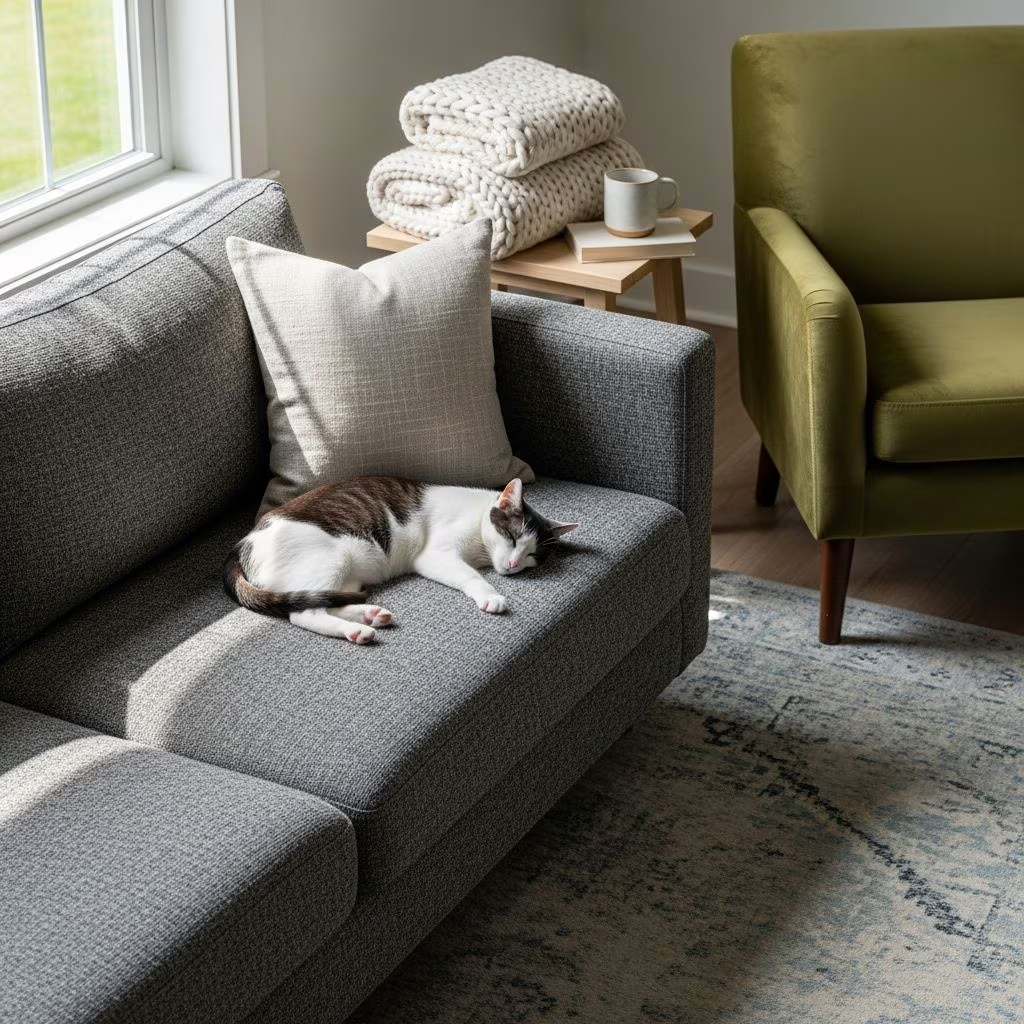
Cat owners face a constant challenge: loose fur everywhere. From couches to clothing, pet hair clings stubbornly. Selecting the right fabrics makes a huge difference in keeping surfaces clean with minimal effort. This guide examines materials that naturally repel fur through tight weaves, smooth textures, or non-stick properties, while steering clear of those that invite buildup. Whether outfitting your living room or refreshing your closet, these insights help create a fur-free zone without sacrificing style or comfort.
Why Fabric Choice Matters in Cat Households
Cats shed year-round, but especially during seasonal changes. Fine, lightweight fur embeds into porous or textured surfaces, turning maintenance into a chore. Smooth, densely constructed fabrics prevent this by offering little grip for hairs to latch onto. Factors like weave density, material composition, and surface finish determine resistance. Natural fibers with tight construction outperform fluffy synthetics prone to static. Understanding these traits empowers smarter purchases for upholstery, apparel, and linens.
Leading Fabrics for Fur Resistance
Several standout materials consistently perform well against cat hair. Their common thread? Dense construction and slick finishes that let fur slide away.
1. Leather and Faux Leather
Leather tops the list for its glossy, non-porous surface. Fur simply glides off, and wiping with a damp cloth removes any residue instantly. Top-grain varieties resist scratches better than softer leathers, enduring playful paws for years. Faux leather mimics these benefits at a lower cost, often with added water resistance. Ideal for sofas, chairs, and jackets, this material balances luxury with practicality.
| Fabric | Cost Range | Cleaning Method | Durability | Scratch Resistance |
|---|---|---|---|---|
| Leather | $$$ | Wipe with damp cloth | Very High | High |
| Faux Leather | $$ | Wipe or mild soap | High | Medium-High |
2. Microfiber Mastery
Microfiber’s ultra-fine polyester threads create a supremely smooth weave. Hair brushes off easily, and the fabric withstands frequent vacuuming or lint rolling. It’s budget-friendly, available in countless colors, and repels stains too. For homes with active cats, microfiber upholstery holds up to jumping and lounging without fading or pilling. Static can be an issue in dry climates, but fabric softener sheets mitigate this.
3. Rugged Canvas and Denim
Canvas, often cotton-based with synthetic reinforcement, features a heavy, tight weave that shrugs off fur. Its toughness suits high-traffic areas like slipcovers or outdoor cushions. Denim follows suit, with its twill structure preventing hair penetration. Both clean up via brushing or laundering, though canvas prefers hand-washing to preserve integrity. Perfect for casual, durable pieces.
4. Luxurious Silk and Tight-Woven Cotton
Silk’s inherent slipperiness repels fur effortlessly, though it’s delicate against claws—best for accents like pillows or scarves. Opt for 100% tightly woven cotton in high thread counts for bedding and shirts; loose weaves invite trouble, but dense versions like sateen breathe well and release hair with a shake. These natural options prioritize comfort alongside performance.
5. Performance Synthetics and Vinyl
Solution-dyed acrylics, olefin, and Crypton fabrics incorporate stain guards and tight weaves tailored for pets. Vinyl, especially marine-grade, offers a wipeable, puncture-resistant shield for chairs or covers. These engineered materials excel in moisture-prone spots, ensuring fur and dander don’t linger.
Fabrics to Avoid: Hair Magnets
Not all materials suit cat companions. Textured or static-prone options trap fur relentlessly.
- Corduroy: Ridges and wide wales capture hair, complicating removal.
- Polyester (Pure): Generates static, pulling fur like a magnet despite affordability.
- Fleece and Wool: Fuzzy textures and natural static make them notorious cling-ons.
- Loose Linen or Rayon: While some linen works, looser variants and stretchy rayon snag easily.
- Velvet or Ribbed Knits: Plush piles hoard fur indefinitely.
Steer toward dark hues or patterns in any fabric; they camouflage stray hairs better than lights.
Practical Strategies for a Fur-Free Home
Beyond fabric swaps, integrate these habits:
- Use lint rollers, rubber brushes, or squeegees weekly on all surfaces.
- Employ dryer balls or anti-static sprays to neutralize cling on clothes.
- Regular grooming reduces shedding; tools like Furminators capture 90% more loose hair.
- Opt for washable slipcovers over permanent upholstery for flexibility.
- Position furniture away from shedding hotspots like sunny windows.
For new buys, check thread count (aim for 300+ in cottons) and pet-specific certifications.
Comparing Top Picks: Quick Reference Table
| Fabric Type | Best For | Pros | Cons | Cost |
|---|---|---|---|---|
| Leather | Upholstery, Jackets | Smooth, durable, scratch-resistant | Expensive, needs conditioning | $$$ |
| Microfiber | Sofas, Bedding | Affordable, stain-proof, easy clean | Static in dry air | $–$$ |
| Canvas/Denim | Slipcovers, Pants | Tough, breathable, budget-friendly | Rough texture | $$ |
| Silk/Tight Cotton | Clothes, Pillows | Comfortable, natural feel | Claw-vulnerable, wrinkles | $–$$$ |
| Vinyl/Performance | Covers, Accents | Wipeable, pet-engineered | Less breathable | $$ |
Frequently Asked Questions (FAQs)
What’s the absolute best fabric for cat furniture?
Leather or microfiber lead due to their smooth surfaces and durability, repelling hair with ease.
Can I make any fabric cat hair resistant?
No, but tight-weave choices and anti-static treatments improve most materials’ performance.
Do dark colors really hide cat fur better?
Yes, patterns and deeper shades camouflage light fur effectively compared to whites or pastels.
How often should I clean pet-friendly fabrics?
Vacuum weekly, spot-clean as needed; machine-washables go monthly for optimal freshness.
Are synthetic blends worth it over pure naturals?
Often yes—blends add stain resistance and longevity without much fur attraction.
Long-Term Maintenance for Lasting Results
Investing in resistant fabrics pays off with proactive care. Vacuum upholstery bi-weekly using upholstery attachments to lift embedded fur without damaging weaves. For clothing, tumble dry with wool dryer balls to discharge static. Protect high-use items with throw blankets or removable covers in microfiber or canvas. Seasonal deep cleans—steam cleaning for leathers, full washes for cottons—preserve appearance and hygiene. Track your cat’s shedding cycles; spring and fall demand extra vigilance. Pair fabric choices with grooming routines: brush your cat 2-3 times weekly to cut loose fur by up to 90%. In multi-pet homes, prioritize vinyl or performance fabrics in communal areas. Budget tip: start with slipcovers to test fabrics before committing to reupholstery. Environment matters too—humidifiers combat dry-air static in winter. These combined efforts transform fur frustration into manageable routine, letting you enjoy your feline friend sans the fluff.
References
- The Best & Worst Fabrics for Repelling Cat Fur (With Pictures) — Catster. 2023-10-15. https://www.catster.com/lifestyle/cat-hair-resistant-fabric/
- Top Furniture Fabrics That Resist Cat Hair in 2025 — Paw-Swing. 2025-01-10. https://paw-swing.com/blogs/cat-shedding-solutions/top-furniture-fabrics-that-resist-cat-hair-in-2025
- The Ultimate Guide to Cat Hair Resistant Fabrics — Furry Green. 2024-05-20. https://furrygreen.hk/blogs/blog/the-ultimate-guide-to-cat-hair-resistant-fabrics-keeping-your-clothes-fur-free
- The Best and Worst Fabrics for Cat Owners — Catenary Home. 2024-08-12. https://catenaryhome.com/blogs/catenary-blogs/the-best-and-worst-fabrics-for-cat-owners-a-practical-guide-to-cat-friendly-upholstery
- Cat-Proof Fabrics: A Comprehensive Guide — OPA Living. 2024-03-05. https://www.opaliving.co.uk/blogs/news/cat-proof-fabrics-a-comprehensive-guide



