

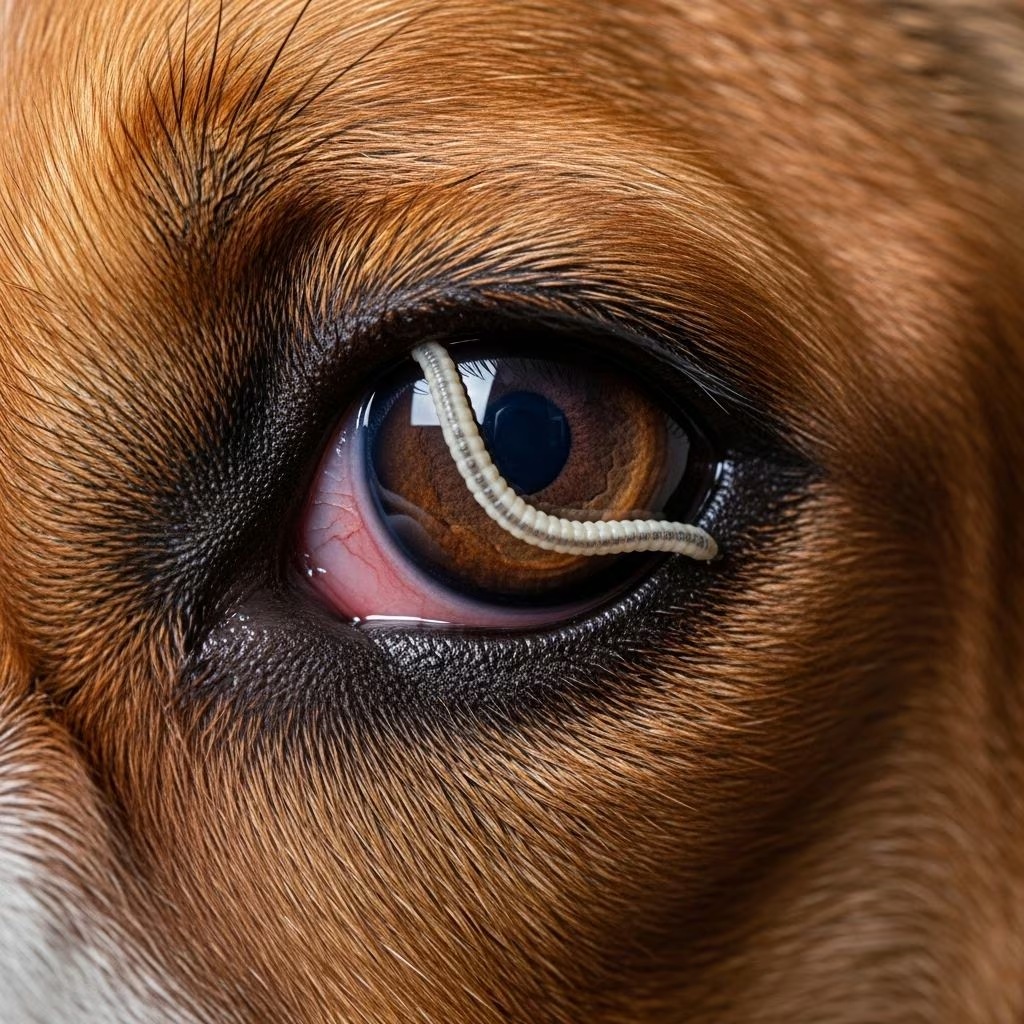
Eyeworm infection, scientifically known as thelaziasis, is a parasitic condition targeting the eyes of dogs. Caused by nematodes of the genus Thelazia, primarily Thelazia californiensis in North America, this ailment spreads through fly vectors and can lead to significant ocular discomfort if untreated.
Understanding the Parasite and Its Life Cycle
The eyeworm resides in the conjunctival sac, tear ducts, or under the eyelids of infected dogs. Adult worms, thin and thread-like, measure 7-19 mm in length for females and 5-12 mm for males, often appearing as tiny, white filaments on the eye surface.
The life cycle begins when face flies (Musca autumnalis) or fruit flies ingest first-stage larvae (L1) from an infected dog’s tears during feeding. Inside the fly, larvae develop over 2-4 weeks into third-stage larvae (L3). The fly then deposits these infective larvae onto a healthy dog’s eyes while feeding on tears, where they mature into adults in 1-4 weeks, restarting the cycle.
This vector-borne transmission highlights flies’ role, thriving in warm seasons and making infections seasonal in temperate regions. Dogs of all ages and breeds are susceptible, though outdoor dogs face higher risk.
Recognizing the Signs of Ocular Parasite Infestation
Early detection hinges on spotting behavioral and visible changes. Common indicators include:
- Excessive tearing or epiphora, as the eye attempts to flush irritants.
- Conjunctivitis with redness, swelling of the pink eye membranes.
- Frequent squinting, blinking, pawing at eyes, or head shaking due to itchiness and pain.
- Mucopurulent discharge, mucus, or pus from secondary infections.
- Visible worms crawling on the cornea, nictitating membrane, or lid margins, resembling fine threads.
Advanced cases may show corneal opacity, ulcers, keratitis, light sensitivity, or rare blindness from scarring. Some dogs remain asymptomatic, harboring worms silently. Prompt veterinary attention prevents progression to vision-threatening complications.
How Veterinarians Diagnose Eyeworm Cases
Diagnosis starts with a thorough ophthalmic exam using magnification to spot live worms. Topical anesthesia like proparacaine numbs the eye, allowing eyelid eversion and saline flushing to reveal hidden parasites.
Schirmer tear tests assess production, while fluorescein staining detects ulcers. Microscopic analysis of discharge confirms larvae or eggs, differentiating from allergies, infections, or dry eye. In endemic areas, history of fly exposure guides suspicion.
Effective Treatment Strategies for Eyeworm Removal
Treatment combines mechanical extraction and pharmacotherapy for optimal outcomes.
Manual Worm Extraction
Vets apply local anesthetic, then use fine forceps or cotton-tipped applicators to pluck worms, followed by saline irrigation. Sedation aids uncooperative dogs. This resolves most cases swiftly.
Antiparasitic Medications
Systemic or topical anthelmintics target remaining worms:
| Medication | Form | Examples | Notes |
|---|---|---|---|
| Ivermectin | Injectable/Oral/Spot-on | Heartgard | Effective at low doses; caution in collies. |
| Moxidectin + Imidacloprid | Spot-on | Advantage Multi | Monthly application kills larvae/adults. |
| Milbemycin Oxime | Oral | Interceptor | Heartworm preventives often suffice. |
| Selamectin | Spot-on | Revolution | Broad-spectrum against vectors. |
Supportive care includes topical NSAIDs, corticosteroids for inflammation, and antibiotics (e.g., erythromycin ointment) for secondary bacteria.
Prognosis and Post-Treatment Care
With prompt intervention, dogs recover fully within 7-14 days, regaining normal vision. Monitor for recurrence; recheck exams 1-2 weeks post-treatment verify clearance and ulcer healing. Severe corneal damage may need prolonged therapy. Untreated cases risk permanent scarring or blindness.
Prevention Tactics to Safeguard Your Dog’s Eyes
Proactive measures break the transmission cycle:
- Monthly Parasite Preventives: Use heartworm products containing moxidectin, milbemycin, or selamectin year-round, even in low-risk areas.
- Fly Management: Install screens, remove manure/breeding sites, apply pet-safe repellents, limit outdoor time during peak fly activity.
- Eye Hygiene: Gently clean with saline; inspect regularly, especially post-travel to endemic zones like California.
- Veterinary Checkups: Routine exams in high-risk regions catch subclinical infections.
Endemic hotspots include western U.S. states, with emerging cases elsewhere.
Frequently Asked Questions (FAQs)
Can humans get eyeworms from dogs?
No documented zoonotic transmission; Thelazia species are host-specific.
Is eyeworm infection contagious between dogs?
Indirectly via shared flies; direct contact unlikely.
How long do eyeworms live in dogs?
Adults persist months without treatment.
What if I see a worm in my dog’s eye at home?
Do not attempt removal; seek vet care immediately to avoid injury.
Are puppies more vulnerable?
All ages affected, but consistent preventives protect from birth.
Regional Prevalence and Emerging Concerns
Primarily reported in the western U.S., thelaziasis spreads eastward via fly migration and pet travel. Climate change may expand fly ranges, increasing cases. Owners in new areas should adopt preventives preemptively.
References
- Eyeworm Infection in Dogs — PetMD. 2023. https://www.petmd.com/dog/conditions/eyes/eyeworm-infection-dogs
- Eyeworm Disease (Thelaziasis) in Dogs — Merck Veterinary Manual. 2024-02-15. https://www.merckvetmanual.com/dog-owners/eye-disorders-of-dogs/eyeworm-disease-thelaziasis-in-dogs
- Ocular Worms in Dogs and Cats: What You Need to Know — Middle Hope Veterinary. 2024. https://middlehopevet.com/news/ocular-worms-in-dogs-and-cats-what-you-need-to-know/
- Eye Worm in Dogs | Symptoms and Treatment — Blue Cross. 2023-10-01. https://www.bluecross.org.uk/advice/dog/health-and-injuries/eye-worm-danger-to-dogs
- Veterinary Guide to Eyeworm Infection in Dogs (Thelaziasis) (2025) — Ask A Vet. 2025-01-15. https://askavet.com/blogs/news/veterinary-guide-to-eyeworm-infection-in-dogs-thelaziasis-2025
- Eyeworm Infection in Dogs: A Closer Look — PetCareRx. 2024. https://www.petcarerx.com/article/eyeworm-infection-in-dogs-a-closer-look/6863
- Eyeworm (Thelazia californiensis) in Dogs — WagWalking. 2023. https://wagwalking.com/condition/eyeworm-thelazia-californiensis



