

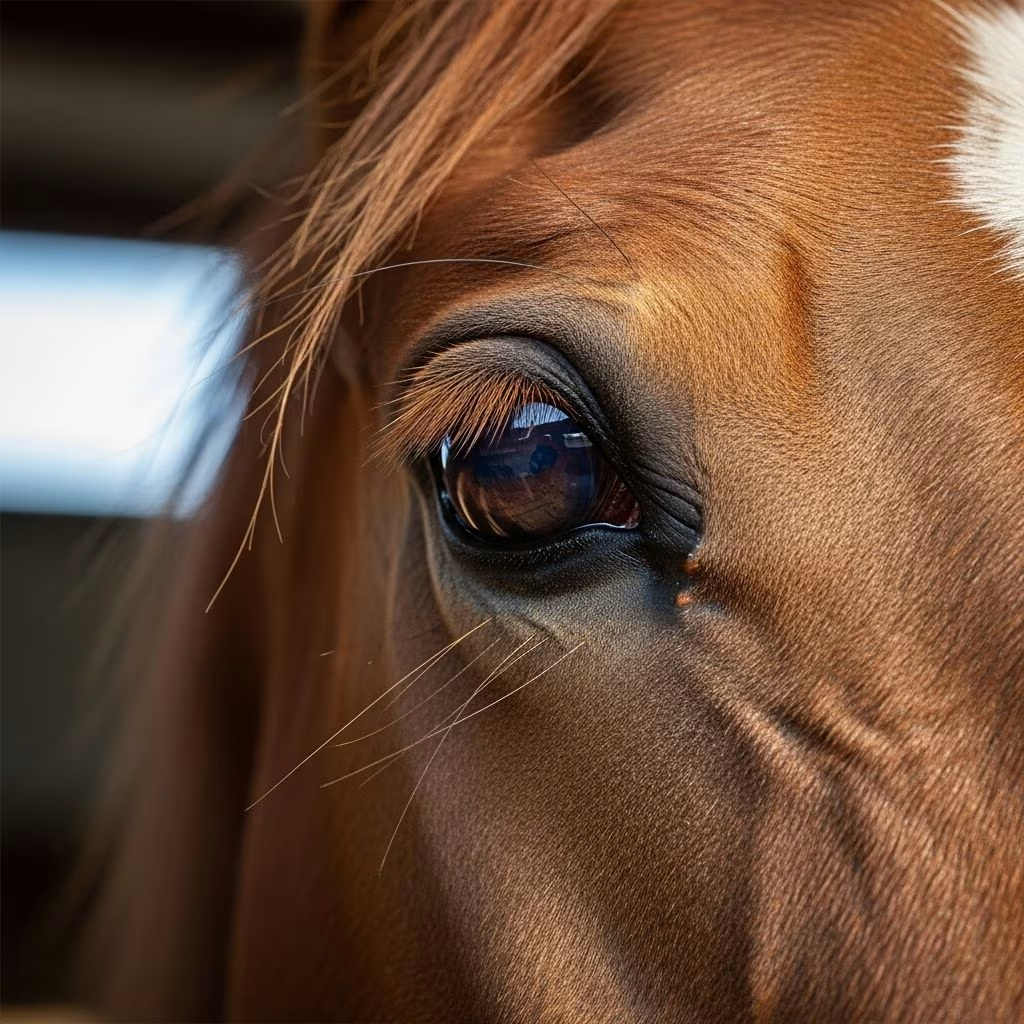
Horses rely on their eyes for safety and performance, making eyelid health crucial. Disorders affecting the eyelids can lead to discomfort, vision impairment, or secondary complications if not addressed promptly. This article delves into the most frequent eyelid conditions in equines, drawing from veterinary expertise to help owners identify issues early and pursue effective care.
Why Eyelid Health Matters for Equines
The eyelids shield the eye from debris, regulate light, and spread tears for lubrication. When compromised, horses may squint, rub their faces, or develop corneal damage. Common triggers include trauma, infections, allergies, and parasites, often worsened by flies or dusty environments. Early intervention typically yields positive outcomes due to the eyelids’ robust blood supply.
Traumatic Injuries to Horse Eyelids
Injuries rank among the top eyelid concerns, stemming from fences, branches, or fights. Lacerations vary from minor cuts to full-thickness tears. Horses tolerate superficial wounds well, but deeper ones risk exposing the eye or causing infection.
- Symptoms: Bleeding, swelling, discharge, reluctance to open the eye.
- Immediate Steps: Clean gently with saline; avoid self-treatment beyond flushing.
Veterinarians assess via staining and may suture under sedation or anesthesia. Post-repair care involves antibiotics and anti-inflammatories. Prognosis excels with swift action, as healing occurs rapidly.
Inflammatory Conditions of the Eyelids
Blepharitis, or eyelid inflammation, arises from diverse causes like bacteria, allergies, or parasites. It manifests as redness, swelling, and crusting, potentially affecting one or both eyes.
Allergic Reactions and Swelling
Allergic blepharoconjunctivitis triggers sudden, dramatic swelling without pain, often from pollen or insects. Topical and systemic steroids resolve it quickly. Preventive fly masks curb recurrences.
Parasitic Infestations
Habronema larvae or eyeworms provoke granulomas at the lid’s edge, risking corneal scratches. Deworming, fly control, and steroid ointments treat these. Manual worm removal aids severe cases.
| Type | Main Cause | Key Symptoms | Treatment Approach |
|---|---|---|---|
| Allergic | Environmental irritants | Sudden swelling, no pain | Glucocorticoids (topical/systemic) |
| Parasitic | Habronema/eyeworms | Granulomas, abrasions | Dewormers, steroids, fly prevention |
| Bacterial | Infection | Discharge, crusting | Antibiotics, cleansing |
Gland-Related Eyelid Disorders
Meibomianitis inflames oil-producing glands along the lid margin, causing swelling, discomfort, and oily discharge. Though etiology is unclear, topical steroids and antibiotics alleviate symptoms effectively. Chalazia, cyst-like swellings from blocked glands, may require similar management or drainage.
Tumors and Growths on Eyelids
Periocular sarcoids pose treatment challenges due to eye sensitivity. These skin cancers appear as firm, ulcerated masses. Options include topical imiquimod (Aldara), injections (BCG or cisplatin), or radiation, but recurrence is common post-failure. Grey horses face melanoma risks, often needing excision. Biopsy confirms diagnosis.
Structural Abnormalities
Entropion inverts the lid, irritating the cornea with lashes. Newborns may self-correct; adults need intervention like temporary tacking, injections, or surgery. Ectropion, outward rolling, is rarer but invites infections.
Neurological Impacts on Eyelids
Horner’s syndrome droops the upper lid (ptosis) via nerve disruption, often secondary to trauma or tumors. Address the underlying issue for resolution.
Diagnosis Methods for Eyelid Issues
Vets use physical exams, fluorescein staining, cultures, and biopsies. Schirmer tear tests gauge lubrication; tonometry measures pressure. Ultrasound or referral to specialists aids complex cases.
Treatment Strategies Overview
Therapies target causes: antibiotics for bacteria, antifungals for fungi, anti-inflammatories universally. Pupil dilators ease pain; cyclosporine implants manage chronic inflammation. Surgery suits lacerations, tumors, or entropion.
- Topical: Ointments preferred over drops for retention.
- Systemic: NSAIDs like phenylbutazone or flunixin.
- Supportive: Saline rinses, fly masks, stable hygiene.
Avoid steroids on ulcers to prevent worsening.
Preventive Measures for Healthy Eyelids
Minimize risks through fly control, padded stalls, regular deworming, and prompt wound care. Annual eye exams catch subclinical issues. Vaccinations and nutrition bolster immunity.
When to Call the Vet Urgently
Seek help for cloudiness, profuse tearing, color changes, or behavioral shifts like head tilting. Delays amplify damage, especially in breeds like Appaloosas prone to uveitis.
Frequently Asked Questions (FAQs)
Can horses recover fully from eyelid lacerations?
Yes, most heal excellently due to vascularity, with proper veterinary care.
What home remedies soothe mild eyelid swelling?
Cool saline flushes help, but consult a vet before medications.
Are sarcoids on eyelids curable?
Treatable but recurrence-prone; multiple modalities may be needed.
How do I prevent parasitic eyelid problems?
Use dewormers, fly repellents, and masks religiously.
Is entropion common in foals?
Yes, often temporary; monitor closely.
Maintaining vigilance ensures horses retain sharp vision. Partner with your veterinarian for tailored plans.
References
- Common Equine Eye Conditions — AAEP. 2023. https://aaep.org/post/common-equine-eye-conditions/
- Understanding Equine Eyelid Disorders — BloodHorse. 2010-01-01. https://www.bloodhorse.com/horse-racing/articles/126194/understanding-equine-eyelid-disorders
- How to Treat Eye Infections in Horses — BMAH Online. 2023. https://bmahonline.com/articles/612538-how-to-treat-eye-infections-in-horses
- Caring For Urgent Horse Eye Issues — Tennessee Equine Hospital. 2023. https://www.tnequinehospital.com/services/equine/horse-eye-care
- Disorders of the Eyelids in Horses — MSD Veterinary Manual. 2023-10-17. https://www.msdvetmanual.com/horse-owners/eye-disorders-of-horses/disorders-of-the-eyelids-in-horses
- Eye Diseases — BlindHorses.org. 2023. https://blindhorses.org/eye-diseases/
- Equine Ophthalmology: Recurrent Uveitis — NC State Veterinary Hospital. 2023. https://hospital.cvm.ncsu.edu/services/equine/ophthalmology/recurrent-uveitis/



