

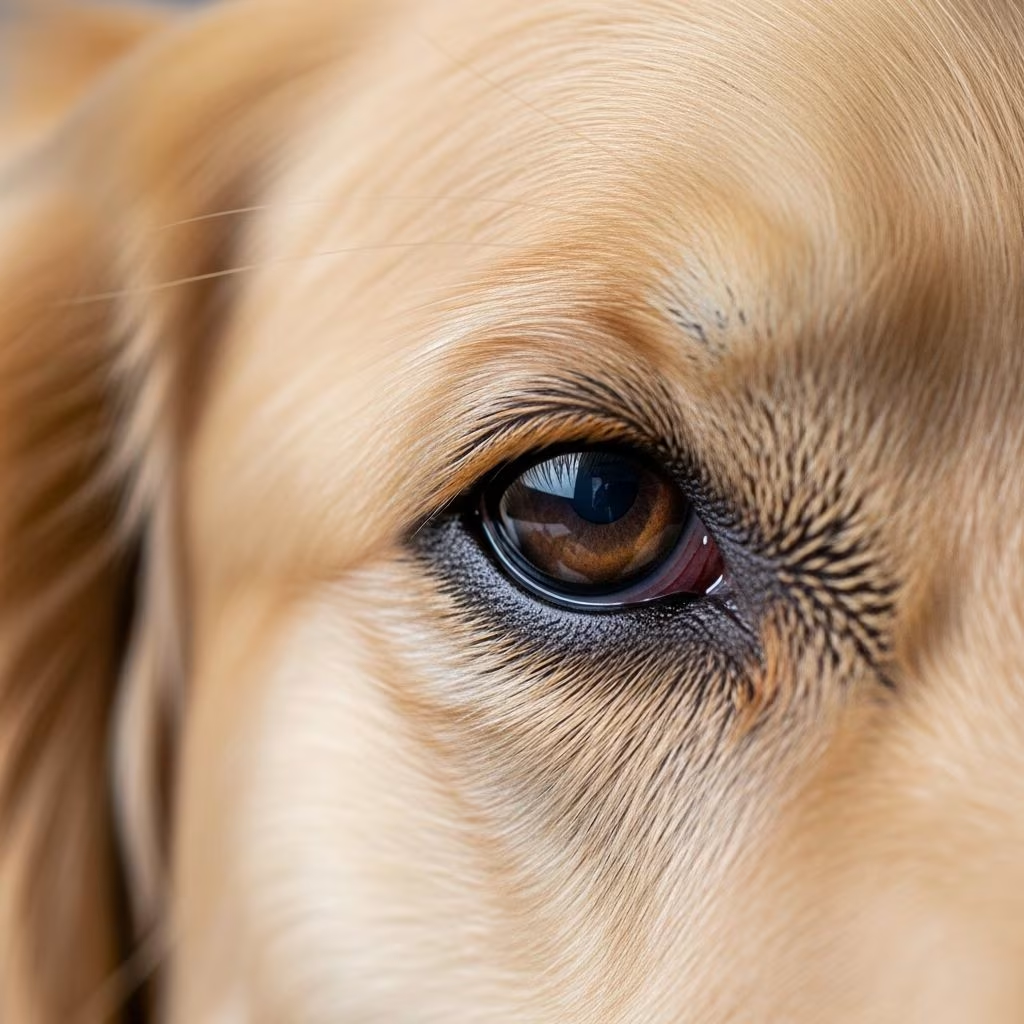
Understanding Eyelid Entropion in Dogs
Eyelid entropion is a significant ocular condition affecting dogs where the eyelid margin rolls inward toward the eye surface. This abnormal positioning causes the eyelashes and hair from the eyelid to make direct contact with the cornea and conjunctiva, leading to chronic irritation, pain, and potentially serious complications if left untreated. Understanding this condition is essential for dog owners, as early recognition and appropriate treatment can prevent permanent damage to your pet’s vision.
Entropion is recognized as the most frequent inherited eyelid disorder in dogs, though it can also develop secondarily due to various other factors. The condition affects dogs of all ages and breeds, though certain breeds show genetic predisposition. Whether your dog experiences primary genetic entropion or secondary entropion resulting from injury or disease, prompt veterinary evaluation and intervention are crucial for maintaining ocular health and comfort.
What Causes Eyelid Entropion in Dogs?
Eyelid entropion develops through multiple pathways, with causes generally categorized as either primary (inherited) or secondary (acquired). Understanding the underlying cause helps veterinarians develop appropriate treatment strategies and predict outcomes.
Primary Entropion
Primary entropion occurs due to inherited genetic traits and structural abnormalities present from birth. Certain dog breeds demonstrate higher predisposition, including breeds with excessive facial skin folds or hereditary eyelid conformational issues. Puppies with primary entropion typically display symptoms early in life, often before reaching their first birthday.
Secondary Entropion
Secondary entropion can develop in dogs of any age or breed when other underlying conditions trigger eyelid inversion. Several factors contribute to secondary entropion development:
– Chronic eye irritation: Conditions such as canine conjunctivitis, eye infections, dry eye, and allergies cause excessive squinting and blinking, leading to inflammation and tension that rolls the eyelid inward.- Nerve damage: Facial nerve paralysis or damage disrupts muscles controlling eyelid movement, resulting in muscle weakness and abnormal eyelid positioning.- Physical injuries: Trauma to the eye or eyelid region can cause scarring and structural changes leading to entropion development.- Chronic pain: Persistent eye discomfort from various conditions prompts dogs to squint and paw at their eyes, creating tension that contributes to eyelid inversion.
Clinical Signs and Symptoms of Entropion
Recognizing entropion symptoms allows owners to seek timely veterinary care before serious complications develop. Dogs with entropion display various clinical signs indicating ocular discomfort and irritation.
Observable Symptoms
The most common signs of eyelid entropion include:
– Excessive squinting: Dogs instinctively squint to reduce corneal contact with inverted lashes.- Excessive tearing: Continuous irritation stimulates tear production, resulting in watery eyes.- Eye closure: Affected dogs frequently hold their eyes shut to minimize discomfort.- Eye discharge: Mucus, pus, or crusty material may accumulate around the eyelids, particularly when secondary infections develop.- Frequent eye pawing: Dogs instinctively attempt to relieve discomfort by rubbing their face against furniture, carpets, or their paws.- Redness and inflammation: The conjunctiva and surrounding tissues appear inflamed due to constant irritation.- Light sensitivity: Photophobia may develop as corneal irritation progresses.- Behavioral changes: Painful eyes affect overall mood, resulting in decreased activity, reduced playfulness, and withdrawn behavior.
It is important to note that some dogs, particularly those with flat facial structures, may display minimal outward signs despite experiencing significant discomfort.
Diagnostic Evaluation
Veterinary diagnosis of entropion involves comprehensive ophthalmic examination and specialized testing. During evaluation, veterinarians assess eyelid position, examine corneal integrity, and determine whether secondary complications have developed.
Diagnostic Procedures
Fluorescent dye testing: A fluorescent dye is applied to the cornea to identify corneal ulceration. Healthy tissue remains clear while ulcerated areas absorb the dye, revealing damage extent.
Slit-lamp examination: Specialized magnification equipment allows detailed assessment of anterior eye structures and identifies complications such as scarring or infection.
Eyelid evaluation: Direct visualization and manipulation of the eyelid margin confirms inversion and assesses severity.
Complications of Untreated Entropion
Left untreated, eyelid entropion progresses to serious ocular complications that threaten vision and cause chronic suffering:
– Corneal ulcers and erosions- Corneal scarring- Vision loss or blindness- Recurrent eye infections- Chronic pain and discomfort- Corneal perforation in severe cases- Pigmentation of the cornea interfering with vision
The relentless friction from inverted lashes causes extreme discomfort and creates an environment conducive to secondary bacterial infections and progressive corneal damage.
Treatment Options for Canine Entropion
Treatment approaches for eyelid entropion vary based on patient age, condition severity, and underlying cause. Multiple therapeutic options exist, ranging from temporary management to definitive surgical correction.
Surgical Correction
Surgical intervention represents the definitive and most effective long-term treatment for established entropion. Surgery permanently corrects eyelid positioning and eliminates ongoing irritation.
Timing of Surgery
Most dogs do not undergo entropion surgery until reaching adult size, typically between six to twelve months of age. Waiting allows eyelid structures to mature and prevents the need for revision surgeries as the puppy grows. However, if puppies display significant discomfort before reaching this age, temporary measures may be implemented.
Surgical Techniques
Hotz-Celsus procedure: This common surgical technique involves removing a sliver of skin from the affected eyelid, then suturing remaining tissue to reposition the lid margin outward. The procedure effectively reverses eyelid inversion.
Blepharoplasty: Eyelid reconstruction involves removing excess skin and muscle from the eyelid, eliminating skin folds that contribute to inversion. The eyelids are then tightened to achieve proper positioning. Board-certified veterinary ophthalmologists should perform this more complex procedure.
Surgical Approach and Precautions
In many cases, veterinarians perform a primary major surgical correction followed by a second minor corrective surgery at a later date. This two-stage approach reduces the risk of over-correction, which would result in ectropion (outward-rolling eyelid), an equally problematic condition. Careful surgical planning and execution help achieve optimal eyelid positioning.
Temporary Treatment Options
For young puppies or high-risk surgical candidates, temporary treatment options provide symptom relief while avoiding general anesthesia.
Eyelid Tacking
Temporary eyelid eversion, commonly called ‘tacking,’ involves placing temporary sutures to hold the eyelid in appropriate position. This procedure works particularly well for very young puppies, including Shar Pei puppies as young as two weeks old. Temporary sutures are typically removed within two to three weeks. This approach helps eyelids develop properly as puppies mature, sometimes allowing the condition to resolve spontaneously without permanent surgical intervention.
Hyaluronic Acid Injections
Some cases of entropion have been successfully managed temporarily using injections of hyaluronic acid (HA), a thick filler material. The filler material is injected to evert the eyelid margin by plumping up tissue around the entropion area. This treatment option has been recommended for pets at high risk from general anesthesia, as it can often be performed with minimal sedation. However, this approach provides only temporary relief and does not permanently resolve the condition.
Nerve Blocks and Anesthetics
Injections of medication into the eyelid or anesthetic nerve blocks can lessen pain in early-stage entropion, potentially reversing temporary spasms if the underlying cause is removed. These approaches provide pain relief but do not permanently correct eyelid positioning.
Medical Management
While medications cannot resolve entropion itself, they play an important role in managing secondary complications and protecting corneal integrity before and after surgery.
Ophthalmic antibiotics: Topical antibiotic ointments or drops prevent and treat secondary bacterial infections resulting from corneal irritation. Aggressive topical treatment is necessary if corneal ulceration is present.
Lubricating drops and ointments: Artificial tear lubricants protect the cornea from additional irritation and promote healing. These should be applied multiple times daily, particularly in cases with corneal ulceration.
Pain management: Systemic and topical pain medications help alleviate discomfort during the healing process.
Post-Operative Care and Recovery
Proper post-operative management is essential for successful surgical outcomes and prevention of complications.
Recovery Management
Following entropion surgery, dogs typically require:
– A recovery cone (Elizabethan collar) to prevent eye trauma from self-injury- Prescribed pain medications to manage post-operative discomfort- Topical ophthalmic medications including antibiotics and lubricants- Activity restriction during the healing period- Regular veterinary follow-up examinations to monitor healing progress
Most dogs recover well from entropion surgery, with recurrence being rare except in severe cases such as those seen in Shar Pei dogs.
Prevention and Breed Considerations
While primary genetic entropion cannot be prevented, responsible breeding practices help reduce incidence in predisposed breeds. For secondary entropion, promptly addressing underlying eye conditions such as infections, allergies, and dry eye helps prevent eyelid complications. Regular eye examinations and maintaining good ocular hygiene contribute to overall eye health.
Frequently Asked Questions About Eyelid Entropion
Q: Is entropion painful for dogs?
A: Yes, entropion causes significant discomfort due to continuous eyelash friction against the cornea. The relentless irritation results in extreme pain and can lead to recurring infections and corneal damage if untreated.
Q: Can entropion be managed without surgery?
A: Temporary management options exist for young puppies or high-risk surgical candidates, including tacking, hyaluronic acid injections, and topical medications. However, surgical correction provides the only permanent solution for established entropion.
Q: At what age should entropion surgery be performed?
A: Most dogs undergo surgery after reaching adult size, typically between six to twelve months of age. This timing allows complete eyelid development and reduces the need for revision procedures.
Q: Will my puppy outgrow entropion?
A: Some puppies may spontaneously resolve mild entropion as they mature. However, established entropion typically requires surgical intervention. Very young puppies can benefit from temporary tacking procedures while eyelids develop.
Q: What are the risks of entropion surgery?
A: Surgical risks include over-correction resulting in ectropion, infection, and bleeding. Two-stage surgical approaches help minimize over-correction risk. Recurrence is rare except in severe cases.
Q: What happens if entropion is left untreated?
A: Untreated entropion progresses to corneal ulcers, scarring, vision loss, chronic infections, and potentially blindness. The condition causes chronic pain and significantly impacts quality of life.
Q: Are certain dog breeds more susceptible to entropion?
A: Yes, breeds with facial skin folds or particular eyelid conformations show higher genetic predisposition. However, secondary entropion can develop in any breed at any age.
Q: Can medication cure entropion?
A: No, medications cannot cure entropion. They can only manage secondary complications such as infections and protect the cornea. Surgical correction is the only cure.
References
- Eyelid Entropion in Dogs — VCA Animal Hospitals. 2024. https://vcahospitals.com/know-your-pet/eyelid-entropion-in-dogs
- Disorders of the Eyelids in Dogs — Merck Veterinary Manual. 2024. https://www.merckvetmanual.com/dog-owners/eye-disorders-of-dogs/disorders-of-the-eyelids-in-dogs
- Entropion in Dogs: Causes, Symptoms, and Treatment — Noble Vet Clinic. 2024. https://noblevetclinic.com/blog/entropion-in-dogs-causes-symptoms-and-treatment
- Eye Entropion in Dogs – What It Is & Available Treatment — Nolan Veterinary Hospital. 2024. https://www.nolanavet.com/site/blog/2024/08/15/eye-entropion-dog
- Entropion in Dogs — Greensboro Specialty Veterinary. 2021. https://www.greensboro.carolinavet.com/site/greensboro-specialty-veterinary-blog/2021/04/21/entropion-in-dogs
- Entropion in Dogs — Veterinary Vision Center. 2024. https://veterinaryvisioncenter.com/entropion-in-dogs/



