Eyelid Ectropion in Dogs: Causes, Signs & Treatment
Understanding canine ectropion: recognition, management, and treatment options for droopy eyelids.
Understanding Eyelid Ectropion in Dogs
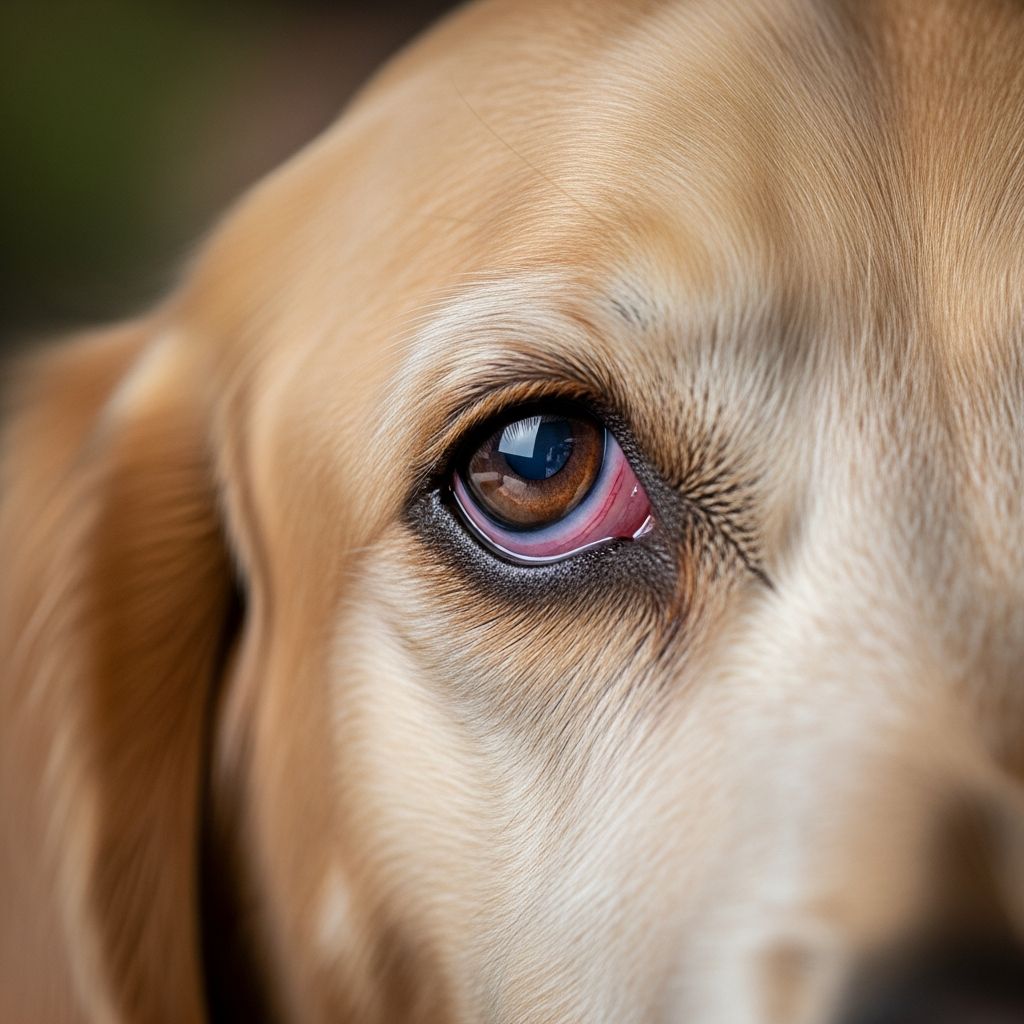
Eyelid ectropion is an abnormality of the eyelids in which the eyelid, usually the lower eyelid, “rolls” outward or is everted, exposing the delicate conjunctival tissues that line the inner surface of the eyelids and cover the eyeball. This condition causes significant drying of these sensitive tissues, leading to conjunctivitis (inflammation of the conjunctiva) and potentially more serious complications. The surface of the eye or cornea may also dry out, resulting in keratitis (corneal inflammation). All these conditions are painful and require proper management to prevent long-term damage to your pet’s vision.
Ectropion is a condition that typically affects young dogs, usually diagnosed in canines less than one year old. In most cases, both eyes are affected, though the severity may vary between the two eyes. Understanding this condition is essential for dog owners, as early recognition and appropriate treatment can prevent serious complications including corneal scarring, which can significantly impair or obstruct vision.
What Causes Ectropion in Dogs?
Eyelid ectropion can result from several underlying causes, and identifying the specific cause is crucial for determining the appropriate treatment approach. Certain dog breeds are genetically predisposed to developing ectropion due to their facial structure and breeding history. Large breed dogs, particularly those with prominent facial skin folds or droopy facial features, are at increased risk.
In some dogs, ectropion may not be a primary genetic condition but rather a secondary symptom of an underlying medical issue. Hypothyroidism and skin allergies are known medical conditions that can contribute to the development of ectropion. Additionally, eye trauma or injury can sometimes result in ectropion. For dogs that have not been bred specifically to have ectropion, determining the underlying cause is necessary to provide comprehensive treatment and prevent recurrence.
Clinical Signs and Symptoms
Recognizing the signs of ectropion early is important for prompt intervention and preventing complications. The most obvious clinical sign is a “sagging” or “outward rolling” lower eyelid that gives the eye a droopy appearance. Pet owners often describe their dog’s eye as looking sad or tired due to this characteristic drooping.
Common Symptoms Include:
A thick, mucoid discharge often accumulates along the eyelid margin, which may appear yellowish or brownish. The eye and conjunctiva may appear reddened or inflamed due to constant exposure and irritation. Dogs with ectropion frequently rub or paw at the affected eye if it becomes uncomfortable, and excessive tearing is common. Tears may run down the dog’s face if the medial aspect of the eyelid (the area toward the nose) is affected. In many cases, pigment contained in the tear fluid will cause a brownish staining of the fur beneath the eyes, creating a distinctive tear stain appearance.
Additional symptoms may include increased light sensitivity, frequent squinting or blinking to alleviate discomfort, and as the condition progresses, potential development of conjunctivitis or keratitis. Some dogs may show signs of ocular discomfort and discharge that persists despite initial treatment attempts.
Diagnosis of Ectropion
Veterinary diagnosis of ectropion typically begins with a thorough physical examination of the eye and eyelids. Your veterinarian will assess the degree of eyelid eversion and examine the conjunctiva and cornea for signs of irritation, inflammation, or ulceration. They may perform additional tests such as fluorescein staining to evaluate corneal integrity and identify any abrasions or ulcers that may have developed as a result of the condition.
Since ectropion may sometimes be secondary to other medical conditions, your veterinarian may recommend bloodwork or other diagnostic tests to rule out underlying issues such as hypothyroidism or systemic skin disease. This comprehensive approach ensures that any contributing factors are identified and addressed as part of the treatment plan.
Treatment Options for Ectropion
Medical Management
The treatment for mild ectropion generally consists of medical therapy rather than immediate surgical intervention. Lubricating eye drops and ointments are the primary medical treatment, designed to prevent the cornea and conjunctiva from drying out and becoming further irritated. These medications should be applied as directed by your veterinarian, typically multiple times daily depending on the severity of the condition.
For many dogs with mild ectropion where the eye remains healthy, ongoing medical management with topical lubricants may be all that is necessary. Consistent eye care using prescribed drops or ointments can effectively manage the condition throughout the dog’s life, allowing them to remain comfortable and maintain good vision.
Treatment of Secondary Infections
If a bacterial infection or corneal ulcer has developed as a result of ectropion, your veterinarian will prescribe ophthalmic antibiotic drops to treat the infection. These medications are essential for preventing more serious complications and are typically used in conjunction with lubricating drops. The antibiotic therapy should be continued for the full duration prescribed, even if symptoms improve earlier, to ensure complete resolution of the infection.
Surgical Management
If the condition is severe or if medical management fails to adequately protect the eye, eyelids can be shortened surgically. Surgical procedures for ectropion are variable depending on the type of ectropion, the conformation of the lids, and any other aspects that need correcting. A commonly used surgical procedure is lid shortening, where the drooping lower eyelid skin is removed to restore the eyelid to its normal protective position.
In large breed dogs with excessive facial skin, such as bloodhounds, full facial reconstruction to remove excess skin may be required to effectively address the ectropion. Surgery is typically recommended only when the ectropion excessively affects the dog or is worsening their vision, or when medical management has proven insufficient.
Post-Surgical Considerations
Following ectropion surgery, dogs will have swelling around the eye that can take up to a month to resolve. Surgical procedures typically have a good outcome, with most dogs experiencing significant improvement in their condition. Post-operative care instructions from your veterinarian should be carefully followed to ensure proper healing and optimal results.
Pain management may be necessary during the post-operative recovery period. Your veterinarian will provide specific instructions regarding activity restrictions, wound care, and the use of protective devices if needed. Most dogs recover well from ectropion surgery and experience improved eye comfort and reduced risk of complications.
Prognosis for Dogs with Ectropion
The prognosis for dogs with ectropion varies depending on the severity of the condition and how promptly it is addressed. Most dogs with ectropion can live normal, happy lives with appropriate management. However, without proper care and attention, your pet will almost certainly develop conjunctivitis at some point during their life, which will necessitate treatment.
For dogs with mild cases, your veterinarian may recommend lifelong use of topical medications to keep the eye lubricated and minimize the risk of infections. This ongoing management is not burdensome and allows dogs to maintain excellent quality of life. In advanced ectropion cases, some dogs may experience permanent sight damage due to corneal scarring, though with proper treatment, they will remain pain-free.
The key to a good prognosis is early recognition of the condition and consistent, appropriate management. Dogs that receive regular eye care and follow their veterinarian’s recommendations generally do well and maintain good vision throughout their lives.
Long-Term Eye Care Management
Regular Veterinary Checkups
Dogs with ectropion benefit from regular eye examinations to monitor their condition and identify any potential complications early. These routine checkups allow your veterinarian to assess the effectiveness of current treatment and make adjustments as needed. Early detection of developing problems such as corneal scarring or chronic infections can prevent more serious vision-threatening complications.
Home Care Practices
Beyond prescribed medications, there are several steps you can take to support your dog’s eye health. Keeping the area around the eyes clean and dry helps prevent secondary infections. Gently wiping away discharge with a clean, soft cloth can reduce bacterial contamination and prevent tear staining. Moisturizing creams or lotions specifically designed for animal use may help keep the skin around the eyes less prone to drooping or becoming loose.
Avoiding eye trauma is crucial for dogs with ectropion. Use protective eyewear when your dog engages in activities like roughhousing or hunting to help prevent additional damage to the eye area. Protecting the affected eyes from dust, smoke, and other environmental irritants will also help minimize discomfort and reduce the risk of complications.
Frequently Asked Questions
Q: At what age is ectropion usually diagnosed in dogs?
A: Ectropion is usually diagnosed in dogs less than one year old. However, the condition can be identified at any age depending on its cause and severity.
Q: Can ectropion affect a dog’s vision?
A: Yes, if left untreated or poorly managed, ectropion can lead to corneal scarring and damage that may impair or obstruct vision. Proper treatment and management can prevent these complications.
Q: Will my dog need surgery for ectropion?
A: Not all dogs with ectropion require surgery. Many can be managed successfully with lubricating drops and ointments. Surgery is typically recommended for severe cases or when medical management is insufficient.
Q: How often should I apply eye drops to my dog with ectropion?
A: The frequency of eye drop application depends on your veterinarian’s recommendations and the severity of your dog’s condition. Follow your veterinarian’s specific instructions for best results.
Q: Can ectropion recur after surgery?
A: While surgical procedures typically have good outcomes, recurrence is possible in some cases. Regular follow-up examinations with your veterinarian will help monitor for any recurrence.
Q: Is ectropion painful for dogs?
A: Yes, ectropion and its complications such as conjunctivitis and keratitis are painful conditions. Proper treatment aims to relieve this pain and prevent further discomfort.
Q: What breeds are most prone to ectropion?
A: Certain large breeds with facial skin folds or droopy facial features are genetically predisposed to ectropion, though any breed can develop the condition secondarily due to underlying medical issues.
References
- Eyelid Ectropion in Dogs — VCA Animal Hospitals. 2024. https://vcahospitals.com/know-your-pet/eyelid-ectropion-in-dogs
- Ectropion in Dogs: Signs & Treatment — American Animal Eye Guys (South Florida Veterinary Specialists). 2023. https://www.animaleyeguys.com/site/blog/2023/02/15/ectropion-dogs-signs-treatment
- Entropion/Ectropion — Eye Vet UK (Veterinary Professional Resources). 2024. https://www.eye-vet.co.uk/veterinary-professional/common-problems/entropion-ectropion/
- Ectropion in Dogs: Signs, Symptoms, Treatments — American Kennel Club. 2024. https://www.akc.org/expert-advice/health/ectropion-in-dogs/
- Ectropion in Dogs: Causes, Symptoms, and Treatment — PetCareRx. 2024. https://www.petcarerx.com/article/ectropion-in-dogs-causes-symptoms-and-treatment/6744
Similar Articles








Read full bio of Sneha Tete