

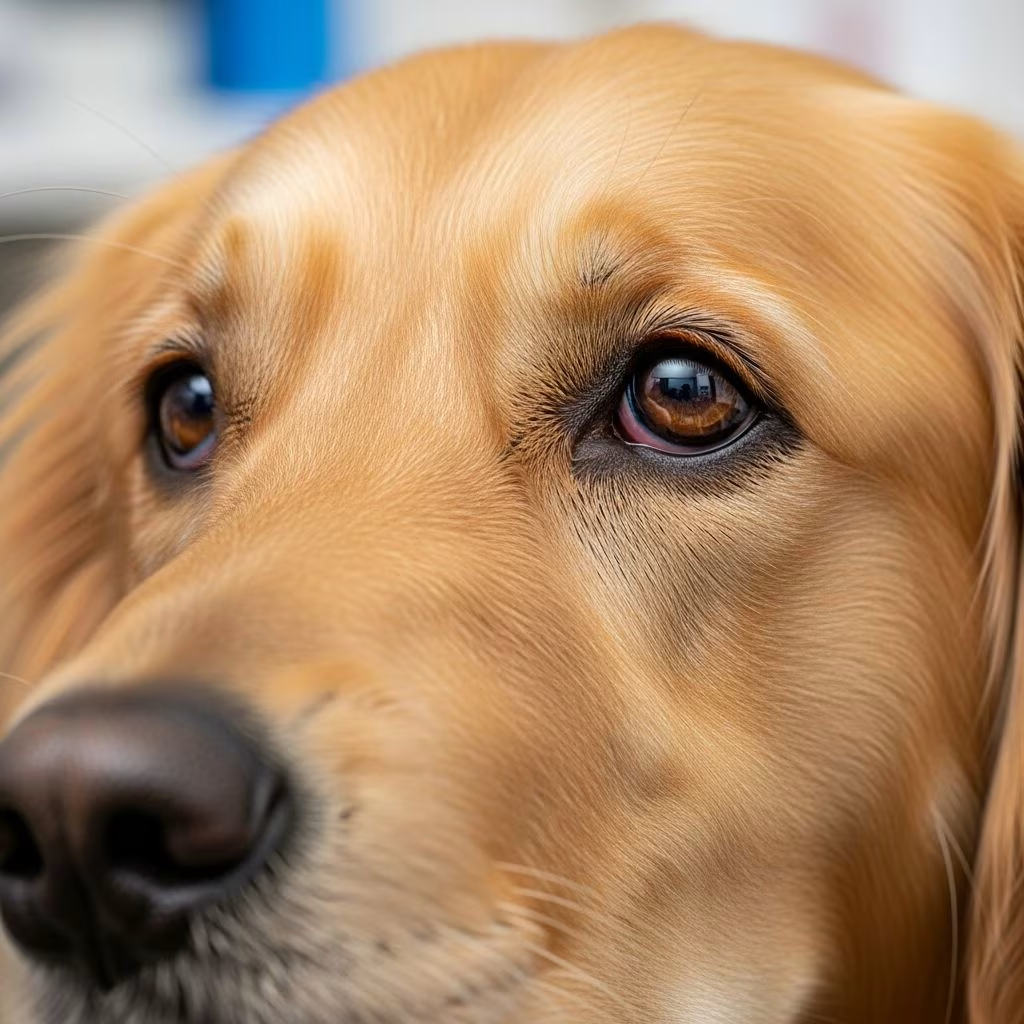
Understanding Eyelid Ectropion in Dogs
Eyelid ectropion is a common eye condition affecting dogs where the lower eyelid rolls outward or droops away from the eye surface. This condition exposes the inner tissues of the eyelid, including the conjunctiva and cornea, to environmental irritants and drying. While some dogs are naturally predisposed to ectropion due to their breeding characteristics, others may develop this condition secondary to underlying health issues or injuries. Understanding the causes, recognizing the signs, and knowing available treatment options can help pet owners manage their dog’s eye health effectively.
What Is Eyelid Ectropion?
Ectropion occurs when the lower eyelid becomes lax and rolls away from its normal protective position against the eyeball. The eyelid normally provides a protective seal that keeps the eye moist and shields it from debris and environmental hazards. When ectropion develops, this protective barrier is compromised, leaving the sensitive eye tissues vulnerable to irritation, infection, and drying.
The condition can affect one or both eyes and varies significantly in severity. Some dogs experience only mild droopiness with minimal symptoms, while others suffer from pronounced eyelid laxity that causes considerable discomfort and vision problems. The extent of the condition often depends on whether it is inherited or acquired, as well as the underlying cause.
Breeds Predisposed to Ectropion
Certain dog breeds have been selectively bred for loose, droopy facial skin, which predisposes them to ectropion. These breeds include:
- Basset Hounds
- Bloodhounds
- Saint Bernards
- Mastiffs
- Cocker Spaniels
- Springer Spaniels
- Bulldogs
- Retrievers
For these breeds, ectropion is often an inherited condition linked to their breed standard, and the condition may not require treatment if it remains mild and asymptomatic.
Causes of Ectropion in Dogs
Eyelid ectropion can develop for various reasons, which veterinarians categorize as hereditary or acquired. Understanding the underlying cause is essential for determining the most appropriate treatment approach.
Hereditary Ectropion
In genetically predisposed breeds, ectropion develops as part of their inherent facial structure and is often present from birth or develops early in life. This form of ectropion is considered a breed characteristic rather than a disease and may not require intervention if the dog remains comfortable.
Acquired Ectropion
Secondary ectropion can develop due to numerous underlying conditions, including:
- Facial nerve paralysis or dysfunction
- Severe or chronic eye infections
- Eyelid trauma or injury
- Chronic dermatitis or skin conditions affecting the eyelid
- Neurological disorders
- Age-related changes and skin laxity
- Chronic eye inflammation
When ectropion is acquired, identifying and treating the underlying cause is crucial for managing the condition effectively.
Clinical Signs and Symptoms
Pet owners should be aware of the various signs that may indicate their dog has developed ectropion. Early recognition of these symptoms allows for prompt veterinary evaluation and treatment.
Observable Signs
- Droopy or sagging lower eyelid: The most obvious sign is the visible outward rolling or drooping of the lower eyelid
- Excessive tearing: The eye may produce excessive tears in an attempt to compensate for the increased exposure
- Clear or mucoid discharge: Drainage from the eye may be present, ranging from clear to thick and mucous-like
- Redness and swelling: The conjunctiva (pink tissue inside the eyelid) typically becomes red and inflamed
- Frequent blinking or squinting: The dog may blink excessively or squint in response to eye discomfort
- Eye rubbing or pawing: Dogs may frequently rub or paw at the affected eye
Complications from Untreated Ectropion
If ectropion is not managed appropriately, secondary complications can develop:
- Conjunctivitis (pink eye): Bacterial or allergic inflammation of the conjunctiva is very common in dogs with ectropion
- Corneal scarring: Chronic irritation and exposure can lead to permanent scarring of the cornea
- Keratitis: Inflammation of the cornea may develop, causing additional pain and vision problems
- Corneal ulcers: The cornea may develop painful ulcerations that require intensive treatment
- Vision impairment: Severe or untreated cases can result in reduced vision or blindness
Diagnosis of Ectropion
Veterinarians diagnose ectropion through a combination of physical examination and specialized eye assessments. During the examination, the veterinarian will observe the eyelid structure and positioning. They will perform a complete ophthalmic evaluation, which may include:
- Examination with an ophthalmoscope to assess the interior and exterior eye structures
- Fluorescein dye test to detect corneal ulcers or scratches
- Schirmer tear test to measure tear production and identify dry eye conditions
- Intraocular pressure measurement if glaucoma is suspected
- Assessment of the conjunctiva and cornea for signs of infection or inflammation
These diagnostic tools help veterinarians determine the severity of ectropion and identify any secondary complications that may require treatment.
Treatment Options for Ectropion
The appropriate treatment for ectropion depends on the severity of the condition, the presence of secondary complications, and the underlying cause. Treatment can range from conservative management to surgical intervention.
Conservative Management
For mild cases of ectropion where the eye remains healthy and comfortable, conservative management may be sufficient:
- Lubricating eye drops: Regular application of artificial tears or lubricating eye drops helps prevent corneal and conjunctival drying
- Lubricating ointments: Protective ointments can be applied, particularly before bedtime, to maintain moisture overnight
- Regular monitoring: Periodic veterinary examinations ensure the condition is not worsening
Treatment of Secondary Infections
If bacterial infections or corneal ulcers develop, veterinarians will prescribe appropriate medications:
- Antibiotic eye drops: Topical antibiotics such as Neo-Poly-Bac (neomycin, polymyxin B, and bacitracin) treat bacterial infections
- Antibiotic ointments: Protective antibacterial ointments provide both medication and lubrication
- Systemic antibiotics: Oral antibiotics may be prescribed if infection is severe
- Anti-inflammatory medications: Topical or systemic anti-inflammatories reduce pain and swelling
- Pain relief medications: Medications such as carprofen help manage discomfort during the healing process
Surgical Treatment
Surgery is recommended for severe cases of ectropion, particularly when:
- The condition causes significant discomfort or vision problems
- Recurrent ulcers or infections develop despite medical management
- Conservative treatment has failed to resolve the issue
- The ectropion is worsening over time
Surgical procedures for ectropion typically involve correcting the eyelid position through techniques such as:
- Lid shortening: Removing excess drooping skin from the lower eyelid to restore proper positioning
- Lid margin advancement: Repositioning the eyelid margin to restore normal contact with the eyeball
- Facial reconstruction: In large breed dogs with excessive facial skin, more extensive reconstruction may be necessary
Surgical procedures are performed under general anesthesia and typically result in recovery periods of 10 to 14 days. Most veterinarians use absorbable sutures that dissolve on their own, eliminating the need for suture removal near the sensitive eye area.
Recovery and Post-Treatment Care
Following surgical correction of ectropion, proper post-operative care is essential for optimal healing and preventing complications.
Immediate Post-Operative Period
During the first 10 to 14 days following surgery, dogs should:
- Wear an Elizabethan collar (recovery cone) at all times to prevent eye rubbing
- Receive pain management medications as prescribed by the veterinarian
- Have restricted activity to allow proper healing
- Receive topical medications as directed, including antibiotic ointments and pain relievers
- Attend follow-up veterinary appointments for examination and progress assessment
Long-Term Management
After recovery from surgery, most dogs experience significant improvement. However, ongoing care may include:
- Periodic ophthalmologic examinations to monitor eyelid position and eye health
- Continued use of lubricating drops if dry eye develops
- Management of any underlying conditions that contributed to ectropion development
- Monitoring for recurrence of the condition
Prognosis for Dogs with Ectropion
The prognosis for dogs with ectropion is generally favorable, particularly when the condition is managed appropriately. Most dogs with ectropion can live normal, happy lives with proper care and management.
Dogs with mild ectropion that is well-controlled with lubricating drops and ointments typically experience excellent quality of life. However, without proper eye care, dogs with ectropion will almost certainly develop conjunctivitis at some point, requiring treatment. The key to maintaining your dog’s comfort and vision is consistent, proactive eye care.
For dogs undergoing surgical correction, the prognosis is also generally positive. Most experience significant improvement in symptoms and reduced risk of secondary complications after surgery. Recovery is typically straightforward, and complications from the surgical procedure itself are uncommon when post-operative care instructions are followed carefully.
Prevention and Management Tips
While ectropion cannot always be prevented, particularly in genetically predisposed breeds, several strategies can help manage the condition and maintain your dog’s eye health:
- Regular veterinary examinations: Routine eye checks allow early detection of problems
- Keep eyes clean: Gently clean away discharge and debris from around the eyes daily
- Maintain proper hygiene: Prevent infections by keeping the facial area clean and dry
- Use prescribed lubricants: Apply eye drops or ointments as recommended by your veterinarian
- Protect from irritants: Minimize exposure to dust, smoke, and other environmental irritants
- Monitor for symptoms: Watch for signs of eye discomfort and seek veterinary care promptly
- Responsible breeding: Avoid breeding dogs with severe ectropion to reduce genetic predisposition in future generations
Frequently Asked Questions
Q: Is ectropion painful for dogs?
A: Ectropion itself may not be painful, but the secondary complications it causes—such as conjunctivitis, corneal ulcers, and keratitis—can be quite uncomfortable. Affected dogs often show signs of discomfort through excessive blinking, squinting, and eye rubbing.
Q: Can ectropion go away on its own?
A: Hereditary ectropion will not resolve without treatment, though it may stabilize. Acquired ectropion may improve if the underlying cause is successfully treated. However, most cases require ongoing management or surgical intervention.
Q: How much does ectropion surgery cost?
A: The cost varies depending on the severity of the condition, the surgical technique required, and your geographic location. Consultation with your veterinarian will provide specific pricing information for your dog’s situation.
Q: Will my dog need surgery for ectropion?
A: Not all cases require surgery. Mild ectropion that remains asymptomatic may be managed with lubricating drops and ointments. Surgery is typically recommended for severe cases, recurrent complications, or when conservative treatment fails.
Q: Can ectropion affect vision?
A: Severe, untreated ectropion can eventually affect vision through corneal scarring, ulceration, and keratitis. Early intervention and proper management help prevent vision-threatening complications.
Q: How often should I use eye drops for ectropion?
A: The frequency of eye drop application depends on your dog’s specific condition and your veterinarian’s recommendations. Some dogs may need drops multiple times daily, while others require application only at night.
References
- Ectropion in Dogs: Signs & Treatment — Animal Eye Guys. 2023-02-15. https://www.animaleyeguys.com/site/blog/2023/02/15/ectropion-dogs-signs-treatment
- Ectropion in Dogs: Causes, Symptoms, and Treatment — PetMD. https://www.petmd.com/dog/conditions/eyes/ectropion-in-dogs
- Ectropion in Dogs: Signs, Symptoms, Treatments — American Kennel Club. https://www.akc.org/expert-advice/health/ectropion-in-dogs/
- Entropion/Ectropion — Vet Professional, Eye-Vet. https://www.eye-vet.co.uk/veterinary-professional/common-problems/entropion-ectropion/
- Ectropion in Dogs: Lower Eyelid Droop — Wag. https://wagwalking.com/condition/ectropion



