Eye Twitching in Dogs: Understanding Nystagmus
Recognize involuntary eye movements and learn when veterinary care is essential
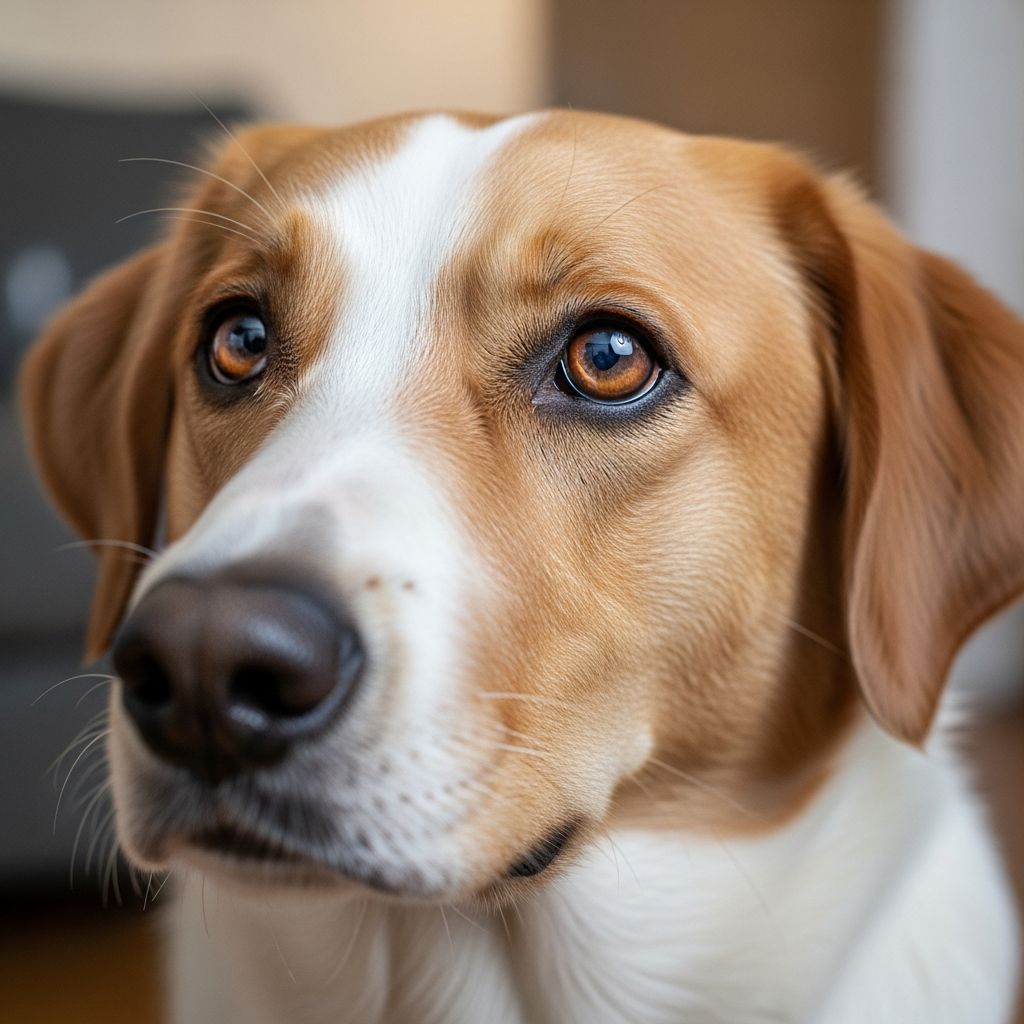
Eye Twitching in Dogs: A Comprehensive Guide to Nystagmus
When you notice your dog’s eyes flickering or twitching involuntarily, it can be alarming. This condition, known as nystagmus, represents rapid, uncontrolled eye movements that occur when your dog is stationary. While occasional eye twitching might seem minor, persistent nystagmus often indicates an underlying health concern that requires professional evaluation. Understanding this condition helps dog owners recognize warning signs and seek timely veterinary care.
What Exactly Is Nystagmus?
Nystagmus refers to involuntary, rhythmic eye movements that happen without the dog intentionally moving their head. Unlike normal eye movements that serve a purpose, nystagmic eye movements are repetitive and uncontrolled. In most cases, these movements appear as the eyes flickering or twitching in specific patterns. The condition can manifest suddenly or develop gradually, and it often appears alongside other neurological symptoms.
It’s important to recognize that some mild eye twitching can be entirely normal in dogs. However, persistent or frequent nystagmus warrants veterinary attention, as it frequently indicates dysfunction in the vestibular system—the complex network responsible for maintaining balance and spatial orientation.
The Vestibular System and Balance Control
To understand nystagmus, it helps to learn about the vestibular system. This intricate system resides in the inner ear and brain, constantly communicating your dog’s position in space. The vestibular system tells your dog whether they’re standing upright, tilting, or falling. When functioning properly, this system maintains equilibrium and coordinates eye movements with head position.
When the vestibular system malfunctions—called vestibular disease—the eyes may move involuntarily to compensate for perceived motion. This is when nystagmus develops. Vestibular disease represents the primary cause of nystagmus in dogs, accounting for the majority of clinical cases veterinarians encounter.
Primary Causes of Nystagmus
Age-Related Vestibular Dysfunction
The most common form of nystagmus occurs in senior dogs and is termed Old Dog Vestibular Syndrome (ODVS) or idiopathic vestibular disease. This condition develops spontaneously with no identifiable underlying cause and typically affects dogs in their later years. ODVS usually appears suddenly and causes acute balance problems, though most dogs recover within approximately two weeks with minimal intervention.
Ear Infections and Inflammation
Middle and inner ear infections represent significant nystagmus triggers. The ear canal can accumulate moisture and debris, creating an environment where bacteria and yeast proliferate. These infections disrupt the delicate structures of the inner ear, affecting balance and coordinated eye movement. Inflammation from non-infectious causes can similarly damage the vestibular apparatus.
Neurological and Structural Issues
Brain-related conditions frequently cause nystagmus. Tumors in the brain or inner ear, strokes, and inflammatory conditions of the central nervous system can all trigger involuntary eye movements. Head trauma and injury to the ear region may also result in nystagmus, either immediately following the injury or after a delay.
Medication-Related Causes
Certain medications possess ototoxic properties, meaning they can damage the inner ear and vestibular structures. Dogs receiving these medications may develop nystagmus as a side effect. It’s crucial to inform your veterinarian about all medications your dog takes, as this information helps identify medication-induced vestibular disease.
Systemic Health Conditions
Various systemic diseases can manifest as nystagmus. Hypothyroidism, viral infections such as canine distemper, and thiamine deficiency have all been associated with vestibular dysfunction. Additionally, some dogs are born with congenital vestibular disease, often accompanied by deafness.
Recognizing Symptoms Beyond Eye Movement
While nystagmus itself involves eye twitching, affected dogs typically display additional clinical signs:
- Head tilt: A characteristic tilting of the head to one side, often persistent
- Balance loss and ataxia: Stumbling, difficulty standing, or inability to walk normally
- Circling: Walking in circles, typically toward the affected side
- Nausea and vomiting: Result from dizziness and inner ear involvement
- Disorientation: Confusion about surroundings or position in space
- Postural abnormalities: Standing with legs spread wide apart to maintain stability
- Drooling: Excess salivation from neurological involvement
- Rolling or leaning: Involuntary tilting or falling to one side
The severity and combination of symptoms varies depending on whether the vestibular dysfunction is peripheral (affecting the inner ear) or central (involving the brain).
Breed Predispositions
Certain dog breeds show higher predisposition to nystagmus and vestibular disease. Cocker Spaniels, Doberman Pinschers, and German Shepherds are among breeds frequently affected. However, nystagmus can develop in any dog breed at any age, though older dogs experience it more frequently.
Diagnostic Approach and Testing
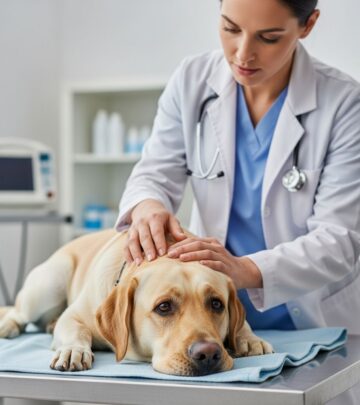
Veterinary diagnosis involves a systematic approach to identify underlying causes. The process typically begins with a thorough physical and neurological examination. Your veterinarian will assess eye movements, balance, coordination, and reflexes while documenting the onset and progression of symptoms.
Diagnostic Tests
Depending on initial findings, your veterinarian may recommend:
- Blood work and urinalysis: Screen for systemic diseases and infections
- Cerebrospinal fluid sampling: Analyze fluid surrounding the brain and spinal cord for infection or inflammation
- Imaging studies: MRI or CT scans reveal brain lesions, tumors, or structural abnormalities
- Otoscopic examination: Direct visualization of the ear canal to identify infections or foreign material
When no underlying cause is identified despite thorough investigation, your veterinarian may diagnose idiopathic vestibular disease, meaning the cause remains unknown but the condition typically has a favorable prognosis.
Treatment Strategies Based on Underlying Cause
Symptomatic Relief
Antihistamines like Benadryl or meclizine help alleviate dizziness, nausea, and motion sickness associated with nystagmus. These medications work by stabilizing the vestibular system and reducing the sensation of spinning.
Nutritional and Supportive Care
Dogs experiencing nausea often refuse food, risking malnutrition and dehydration. Veterinarians may prescribe antiemetic medications to reduce vomiting and recommend carefully selected, easily digestible foods. In severe cases, intravenous fluid therapy maintains hydration and provides essential nutrients while the dog recovers.
Infection-Specific Treatment
When bacterial ear infections cause nystagmus, systemic antibiotics are prescribed to eliminate the infection and allow inflammation to resolve. In some cases, local ear treatment with medicated drops complements systemic therapy.
Anxiety and Disorientation Management
Severely disoriented or anxious dogs may benefit from sedatives to promote relaxation and prevent injury from falls or frantic movements. Anti-anxiety medications help dogs cope with the frightening sensation of vestibular dysfunction.
Hospitalization for Severe Cases
Dogs with severe symptoms may require hospitalization for intensive supportive care, including continuous fluid therapy, monitoring, and medication administration. This approach ensures the dog remains stabilized during the acute phase of illness.
Recovery Timeline and Long-Term Outlook
Prognosis varies significantly based on the underlying cause. Dogs with peripheral vestibular disease typically respond better to treatment than those with central vestibular involvement. Many dogs with idiopathic vestibular disease improve substantially within 72 hours of symptom onset.
Old Dog Vestibular Syndrome, despite its dramatic presentation, often resolves favorably. Most affected dogs return to normal function, though some may retain mild residual symptoms like a slight head tilt or mild balance impairment long-term.
In contrast, nystagmus caused by brain lesions, tumors, or progressive neurological conditions tends to respond poorly and may require ongoing management or carry a guarded prognosis.
Supporting Your Dog During Recovery
While your dog recovers from nystagmus, environmental modifications ease their adjustment:
- Provide raised food and water bowls to minimize head tilting during eating and drinking
- Use non-slip rugs or mats to prevent slipping on hard floors
- Keep your dog in a confined, safe space away from stairs and furniture they might collide with
- Avoid rapid position changes or sudden movements that trigger dizziness
- Minimize exposure to stimulating environments during acute phases
- Ensure frequent, short outdoor breaks for bathroom needs with close supervision
When to Seek Emergency Care
Contact your veterinarian immediately if your dog develops:
- Sudden, severe inability to stand or walk
- Rapid progression of symptoms
- Loss of consciousness or seizures
- Severe vomiting or inability to eat or drink
- Signs of pain or head trauma
- Discharge or bleeding from the ears
Financial Considerations
Treatment costs for nystagmus vary considerably depending on diagnostic requirements and underlying causes. Basic examination and blood work may cost several hundred dollars, while advanced imaging (MRI, CT) can reach several thousand. Discuss costs openly with your veterinarian, as treatment options often exist at varying price points.
Frequently Asked Questions
Is nystagmus always serious?
Not necessarily. While nystagmus warrants veterinary evaluation, many cases—particularly idiopathic vestibular disease in older dogs—resolve favorably with minimal treatment. However, nystagmus can indicate serious conditions, making professional assessment essential.
Can nystagmus be prevented?
Prevention depends on the cause. Maintaining ear hygiene, managing thyroid health, and monitoring medications helps reduce some risk factors. However, conditions like ODVS develop spontaneously without preventive options.
Will my dog regain normal balance?
Most dogs with peripheral vestibular disease recover substantially. However, central vestibular disease and brain-related causes may result in permanent balance impairment.
How long does treatment typically last?
Treatment duration ranges from days to weeks depending on the underlying cause. ODVS may improve within 72 hours, while other conditions require extended therapy.
References
- Nystagmus in Dogs: Signs, Symptoms, and Treatment — American Kennel Club. https://www.akc.org/expert-advice/health/nystagmus-in-dogs/
- Nystagmus in Dogs: Causes, Types, Treatment and More — WebMD. https://www.webmd.com/pets/dogs/what-to-know-nystagmus-in-dogs
- Nystagmus (Flickering or Twitching Eye Movements) in a Dog — People’s Dispensary for Sick Animals (PDSA). https://www.pdsa.org.uk/pet-help-and-advice/pet-health-hub/symptoms/nystagmus-flickering-eye-movements-in-a-dog
- Vestibular Disease & Nystagmus in Dogs — Animal Eye Guys. https://www.animaleyeguys.com/site/blog/2024/02/29/vestibular-disease-nystagmus-dogs
- Involuntary Eye Movement (Nystagmus) in Dogs — Vetster. https://vetster.com/en/symptoms/dog/involuntary-eye-movement-nystagmus-in-dogs
- Vestibular Disease in Dogs: Symptoms & Treatment — VCA Animal Hospitals. https://vcahospitals.com/know-your-pet/vestibular-disease-in-dogs
Similar Articles




Read full bio of medha deb