
Eye Signs Of Systemic Illnesses In Pets, What Vets Look For
Discover how common pet diseases reveal themselves through eye symptoms, aiding early detection and treatment.
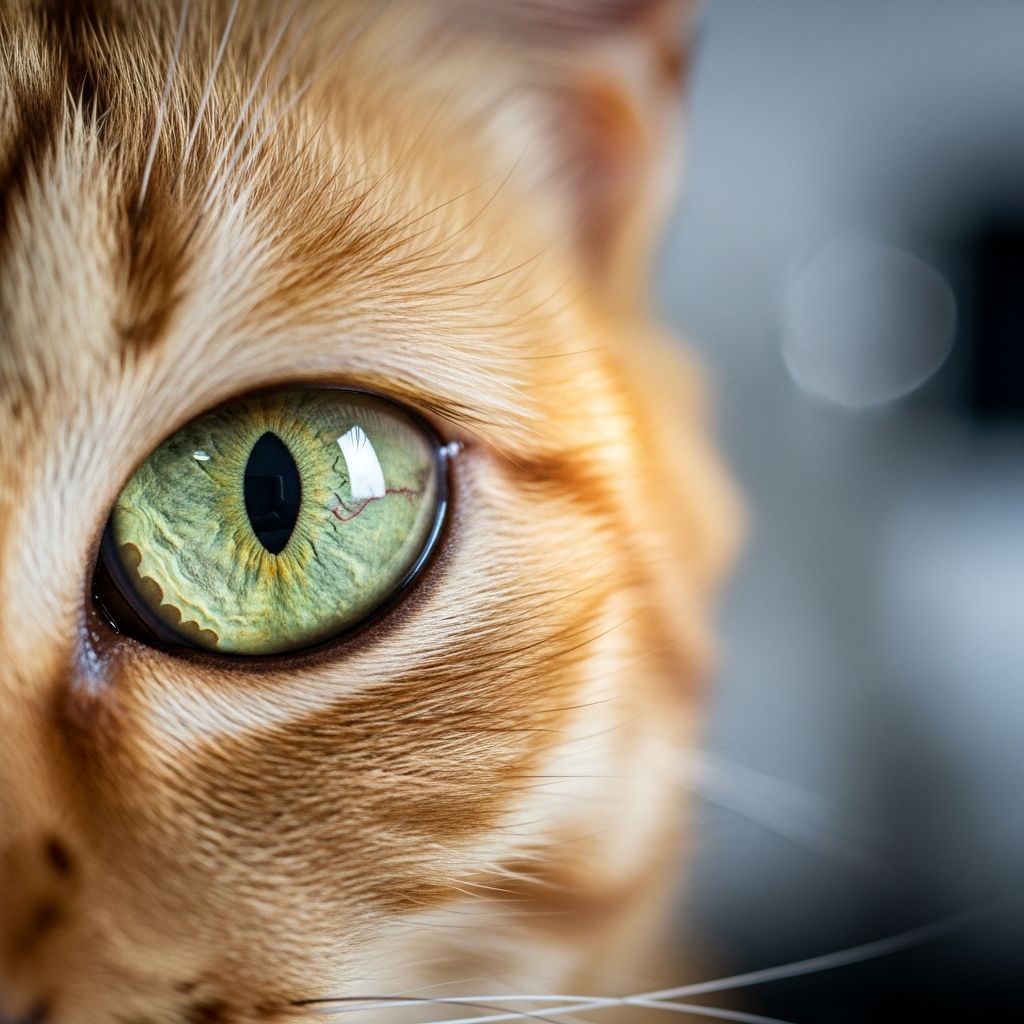
The eyes often serve as a window into an animal’s overall health. In veterinary medicine, changes in the eyes can be the first clue to underlying systemic conditions affecting dogs, cats, and other pets. These ocular clues range from inflammation and discharge to vision loss and structural alterations, helping veterinarians diagnose and monitor diseases that impact multiple body systems.
Why Eyes Reflect Whole-Body Health
The eye’s vascular-rich structures, like the uvea and retina, are sensitive to shifts in blood pressure, immune responses, and infections. For instance, vascular diseases may cause retinal bleeding, while neurological issues can lead to optic nerve swelling. Regular eye exams allow tracking of disease progression and treatment efficacy, often without invasive tests.
Infectious Diseases and Their Eye Impacts
Infections frequently target the eyes, either directly or through bloodstream spread. Bacterial septicemia can trigger anterior uveitis or even endophthalmitis, where pus fills the eye’s interior. Viral threats like canine distemper produce discharge, dry eyes (keratoconjunctivitis sicca or KCS), corneal ulcers, optic neuritis causing sudden blindness, and chorioretinitis with a characteristic ‘gold-medallion’ lesion.
Fungal infections pose serious risks too. Cryptococcus neoformans more commonly affects cats, leading to optic neuritis, dilated pupils, and granulomatous chorioretinitis, often extending from respiratory or central nervous system (CNS) sites. Blastomyces dermatitidis impacts dogs primarily, with about 43% showing eye signs like uveitis alongside respiratory, skin, or bone lesions. Histoplasma capsulatum, rarer and cat-prevalent, causes choroiditis and retinal detachment from lung origins.
Parasitic and tick-borne illnesses also manifest ocularly. Leishmaniasis hits up to 81% of infected dogs with blepharitis, conjunctivitis, keratitis, uveitis, KCS, and glaucoma, typically bilateral and mononuclear inflammation. Ehrlichiosis affects up to 37% of dogs with uveitis, chorioretinitis, and optic neuritis; anaplasmosis links to steroid-responsive uveitis; Rocky Mountain spotted fever brings conjunctivitis, chemosis, hyphema, and retinal vasculitis. Lyme disease (borreliosis) presents with conjunctivitis, uveitis, chorioretinitis, and retinal petechiae.
In cats, Chlamydophila psittaci causes conjunctivitis with hyperemia, chemosis, discharge, and blepharospasm, sometimes chronic especially with FIV or FHV-1 co-infections. Feline infectious peritonitis (FIP), particularly dry form, is a top uveitis cause, featuring iritis, aqueous flare, keratic precipitates, fibrin, hemorrhages, chorioretinitis, retinal issues, and optic neuritis. FIV leads to conjunctivitis, anterior uveitis, pars planitis, and often co-occurs with toxoplasmosis causing uveitis and chorioretinitis.
Immune-Mediated and Autoimmune Conditions
Autoimmune disorders frequently involve the eyes. Uveodermatologic syndrome (VKH-like), common in Akitas but seen in other breeds, destroys melanocytes, causing uveitis before skin poliosis and vitiligo; it demands lifelong immunosuppression. Noninfectious eyelid issues include VKH depigmentation and blepharitis, pemphigoid/SLE/TEN crusting/ulcers, drug eruptions, atopy edema/pruritis, zinc-responsive dermatosis blepharitis, and hypothyroidism-linked blepharitis/KCS.
Papillomaviruses induce eyelid, conjunctival, or corneal lesions in dogs, appearing 4-8 weeks post-infection and usually regressing, though some persist.
Endocrine and Metabolic Disorders
Metabolic imbalances profoundly affect vision. Diabetes mellitus in dogs leads to cataracts in about 60% at diagnosis, a rapid-onset change signaling high blood sugar; cats rarely develop them from diabetes. Hypertension causes retinopathy with detachments, degeneration, and subretinal effusions. Cushing’s disease, hypothyroidism, and other endocrine issues contribute to varied eye signs like KCS or retinal changes.
| Condition | Dogs | Cats |
|---|---|---|
| Diabetes Mellitus | Cataracts (60% at diagnosis) | Rare cataracts |
| Hypertension | Retinopathy, detachments | Retinal degeneration |
| Hypothyroidism | Blepharitis, KCS | Less common |
Neoplastic and Hematologic Issues
Cancers often metastasize to eyes. Lymphoma tops multicentric neoplasms causing retinal hemorrhages and uveitis; 11.6% of dogs and 13% of cats with metastases show ocular involvement. Exophthalmos (proptosis) arises from masticatory myositis, lymphoma, histiocytosis, or retrobulbar masses in dogs, and cryptococcosis, lymphoma, or abscesses in cats.
Hematologic disorders like thrombocytopenia yield hemorrhagic uveitis, hyphema, retinal bleeds, detachments, and optic neuritis, risking blindness and glaucoma.
Neurological and Vascular Manifestations
CNS diseases reveal via optic disc changes. Distemper optic neuritis blinds acutely. FIP and cryptococcosis add neurologic signs with eye inflammation. Vascular issues from hypertension or sepsis cause retinal vessel tortuosity, hemorrhages, and detachments.
Diagnostic Approaches
- Schirmer Tear Test (STT): Measures tear production; low in KCS from distemper, leishmaniasis, hypothyroidism.
- Fundoscopy: Examines retina/uvea for hemorrhages, detachments, neuritis.
- Tonometry: Checks intraocular pressure for glaucoma secondary to uveitis.
- Serology/PCR: Detects pathogens like Borrelia, Ehrlichia, fungi.
- Biopsy/Cytology: Confirms neoplasms, autoimmune via histiocytes or melanocyte loss.
Treatment Strategies
Management targets both eyes and systemic disease. Topical steroids/antibiotics control uveitis/conjunctivitis; systemic immunosuppressants for VKH/FIP. Antifungals like fluconazole for cryptococcosis; antivirals/supportive care for distemper. Tight glucose/pressure control prevents diabetic/hypertensive progression. Tick preventives reduce vector-borne risks.
FAQs
What are the most common eye signs of systemic disease in dogs?
Uveitis, KCS, cataracts (diabetes), retinal hemorrhages (hypertension, ticks), and discharge (infections).
Do cats show different eye symptoms than dogs?
Yes, cats more prone to fungal uveitis (cryptococcus), FIP-related flares, while dogs see more cataracts and tick issues.
Can eye exams diagnose systemic illness?
Often first indicators; fundic exam reveals vascular/CNS clues, prompting bloodwork/imaging.
Is blindness reversible in these cases?
Acute cases like distemper neuritis or hemorrhages may recover partially; chronic retinal detachment usually permanent.
How to prevent ocular systemic manifestations?
Vaccinate, control fleas/ticks, manage chronic diseases, routine eye checks.
References
- Ocular Manifestations of Systemic Disease — Veterian Key. 2016. https://veteriankey.com/ocular-manifestations-of-systemic-disease-2/
- Ocular manifestations of systemic disease–when the eye is not the primary disease — dvm360. 2017-10-01. https://www.dvm360.com/view/ocular-manifestations-systemic-disease-when-eye-not-primary-disease-proceedings
- Ocular Manifestations of Systemic Diseases in Small Animals — University of Florida (.edu). 2012. https://smallanimal.vethospital.ufl.edu/files/2012/06/Ocular-manifestation-of-systemic-diseases.pdf
- Ocular Manifestations of Systemic Diseases — PMC – NIH (.gov). 2020. https://pmc.ncbi.nlm.nih.gov/articles/PMC7150115/
- Manifestations of systemic disease in the retina and fundus of cats — Frontiers in Veterinary Science (.org peer-reviewed). 2024. https://www.frontiersin.org/journals/veterinary-science/articles/10.3389/fvets.2024.1337062/full
- Ocular Manifestations of 7 Systemic Veterinary Diseases — Vetcetera. 2023. https://vet-etc.com/ocular-manifestations-of-7-systemic-veterinary-diseases/
Similar Articles








Read full bio of medha deb


