
Eye Prolapse In Dogs: 4 Key Treatment Steps For Recovery
Discover vital information on recognizing, treating, and preventing eye prolapse in dogs to safeguard your pet's vision and comfort.
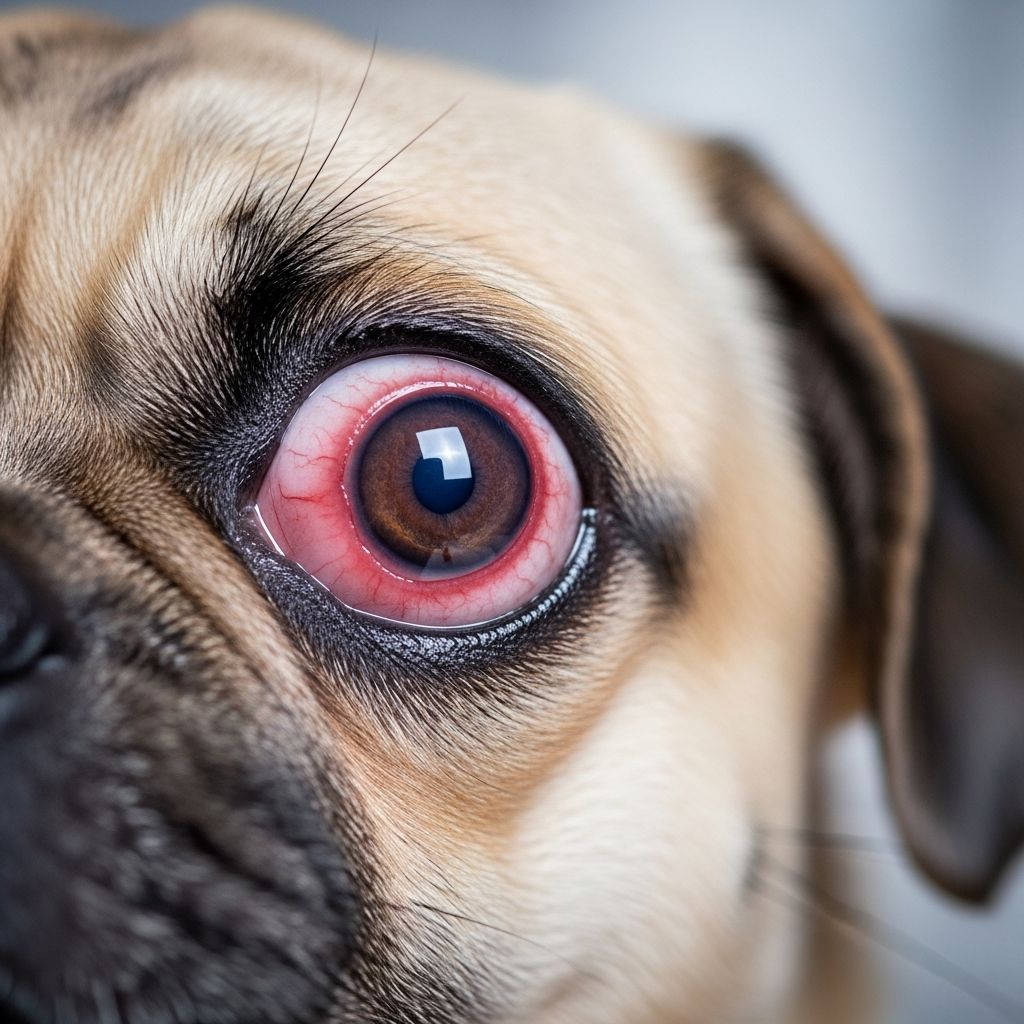
Eye prolapse in dogs encompasses conditions where parts of the eye, such as the eyeball itself or the third eyelid gland, shift out of their normal positions. This can range from the alarming ocular proptosis, where the entire globe protrudes, to cherry eye, involving the tear-producing gland. Both demand prompt veterinary attention to preserve vision and prevent complications like infection or dry eye syndrome.
Recognizing the Signs of Eye Prolapse
Early detection is crucial for successful intervention. Owners often notice dramatic changes in their dog’s eye appearance and behavior. For
ocular proptosis
, the eyeball bulges forward dramatically, often unable to be covered by the eyelids, leading to exposure and rapid drying of the cornea. Dogs may exhibit severe pain through whining, pawing at the face, restlessness, or aggressive attempts to protect the area.In contrast,
cherry eye
presents as a bright red, fleshy mass protruding from the inner corner of the eye, resembling a cherry—hence the name. This is the prolapsed third eyelid gland, which can cause redness, discharge, excessive blinking, or squinting. If untreated, it disrupts tear production, fostering irritation and potential corneal ulcers.- Sudden eye protrusion or bulging: Eye pushed out of socket, eyelids trapped behind
- Intense discomfort: Pawing, rubbing, whining, or head shaking
- Visible redness and swelling: Conjunctiva inflamed, possible hemorrhage
- Dry or ulcerated cornea: Leathery appearance from exposure
- Discharge or vision changes: Cloudiness, strabismus, or light sensitivity
These symptoms typically arise acutely, especially after trauma, distinguishing them from chronic issues like allergies.
Common Triggers Behind Eye Prolapse
Trauma is the primary culprit for
ocular proptosis
. Common scenarios include dog fights—particularly larger dogs attacking smaller ones—blunt impacts from car accidents, falling objects, or sports-related injuries. Brachycephalic breeds like Pugs, Bulldogs, and Shih Tzus are predisposed due to shallow orbits and prominent eyes, making the globe easier to dislodge. Iatrogenic causes, such as rough handling during restraint, exacerbate risks in these breeds.**Cherry eye**, or third eyelid gland prolapse, stems from weakening connective tissues anchoring the gland. Genetic factors play a role, with young dogs under five years often affected first in one eye, progressing bilaterally. Breeds like Cocker Spaniels, Beagles, English Bulldogs, and Lhasa Apsos show higher incidence. Chronic inflammation from allergies, infections, or irritants can stretch ligaments, promoting protrusion.
| Condition | Main Causes | High-Risk Breeds |
|---|---|---|
| Ocular Proptosis | Trauma (fights, hits, restraint) | Brachycephalic (Pug, Bulldog) |
| Cherry Eye | Genetic weakness, inflammation | Cocker Spaniel, Beagle, Lhasa Apso |
Why Immediate Action is Essential
Delay can lead to irreversible damage. In proptosis, the exposed cornea dries quickly, risking ulcers, rupture, or infection. Optic nerve or muscle damage may cause permanent blindness even if repositioned. Blood vessel rupture inside the eye signals hyphema, worsening prognosis.
For cherry eye, prolapse hinders tear secretion—up to 30-50% of total production—leading to keratoconjunctivitis sicca (KCS or dry eye). This chronic condition demands lifelong medication, alongside risks of secondary infections or corneal scarring. Untreated glands irritate the cornea via contact, amplifying damage.
Diagnosis: Veterinary Assessment Process
Vets diagnose via history, clinical exam, and tests. For proptosis, they note trauma history, globe position, eyelid entrapment, and blink inability. Fluorescein staining checks ulcers; tonometry measures pressure; fundoscopy evaluates retina/optic nerve.
Cherry eye identification is straightforward visually, confirmed by Schirmer tear test for deficiency. Ultrasound or biopsy rules out masses. Stability checks precede intervention, including neuro exams.
Treatment Pathways for Optimal Recovery
**Emergency for Proptosis**: Stabilize first—lubricate heavily with artificial tears to combat desiccation. Under anesthesia, clip hair, sterilize, and surgically replace the globe, securing muscles/lids. Antibiotics combat infection; pain meds ease suffering. Non-salvageable eyes require enucleation.
**Cherry Eye Management**: Initial trials use topical anti-inflammatories (e.g., neopolydex) for small, recent prolapses, aiding manual repositioning. Surgery is gold standard: techniques pocket or imbricate the gland without removal, preserving function. Post-op anti-inflammatories and lubricants support healing. Gland excision is last resort due to KCS risk.
- Pre-surgical prep: Sedation/anesthesia, lubrication, asepsis
- Repositioning: Gentle manipulation, sutures for stability
- Supportive care: Antibiotics, pain relief, e-collars
- Follow-up: Rechecks for function, tear production
Post-Treatment Recovery and Home Care
Expect 2-4 weeks healing. Use Elizabethan collars to prevent rubbing. Administer meds as prescribed: antibiotics topically/orally, lubricants frequently. Monitor for swelling, discharge, or behavior changes signaling complications.
Gradual activity resumption; avoid trauma risks. Cherry eye patients need lifelong dry eye surveillance via tear tests. Prognosis excels with prompt care—most retain vision; proptosis salvage rates vary by damage extent.
Prevention Strategies for Pet Owners
Minimize fights via supervision, breed-appropriate training. Secure environments curb accidents. For predisposed breeds, routine eye exams detect early weakness. Maintain hygiene, manage allergies promptly.
- Supervised play with unfamiliar dogs
- Leash walks in traffic areas
- Annual vet ophthalmology checks
- Anti-itch therapies for allergies
Frequently Asked Questions (FAQs)
Can cherry eye resolve without surgery?
Occasionally, manual repositioning with meds works for mild cases, but recurrence is common; surgery offers best long-term success.
Is eye prolapse painful for dogs?
Yes, highly—prompt vet care with analgesics is vital.
What breeds are prone to these issues?
Brachycephalics for proptosis; Spaniels, Bulldogs for cherry eye.
Will my dog regain full vision post-proptosis?
Possible if damage minimal; optic nerve injury may impair it permanently.
How much does treatment cost?
Varies; surgery $500-$3000+ depending on complexity, location[general knowledge].
Long-Term Eye Health Monitoring
Post-event, schedule regular check-ups. Watch for dry eye signs like persistent redness or squinting. Early intervention preserves quality of life.
References
- Diagnosis and Treatment of Ocular Proptosis in Dogs and Cats — Today’s Veterinary Practice. 2023. https://todaysveterinarypractice.com/ophthalmology/ocular-proptosis/
- Cherry eye in dogs — Cornell University College of Veterinary Medicine. 2024-10-15. https://www.vet.cornell.edu/departments-centers-and-institutes/riney-canine-health-center/canine-health-topics/cherry-eye-dogs
- Proptosis in Dogs — PetMD. 2024. https://www.petmd.com/dog/conditions/eyes/proptosis-dogs
- Third Eyelid Gland Prolapse in Dogs — MSPCA-Angell. 2023. https://www.mspca.org/angell_services/third-eyelid-gland-prolapse-dogs/
- What is Cherry Eye in Dogs? — AZ Vet Direct. 2024. https://azvet.direct/low-cost-pet-surgery-in-mesa-and-the-entire-southeast-valley-of-phoenix/what-is-cherry-eye-in-dogs-6-symptoms-you-should-watch-out-for/
- Ocular Proptosis: Why is My Dog’s Eye Bulging! — Pet Health Network. 2023. https://www.pethealthnetwork.com/dog-health/dog-diseases-conditions-a-z/ocular-proptosis-why-my-dog%E2%80%99s-eye-bulging
Similar Articles








Read full bio of Sneha Tete




