

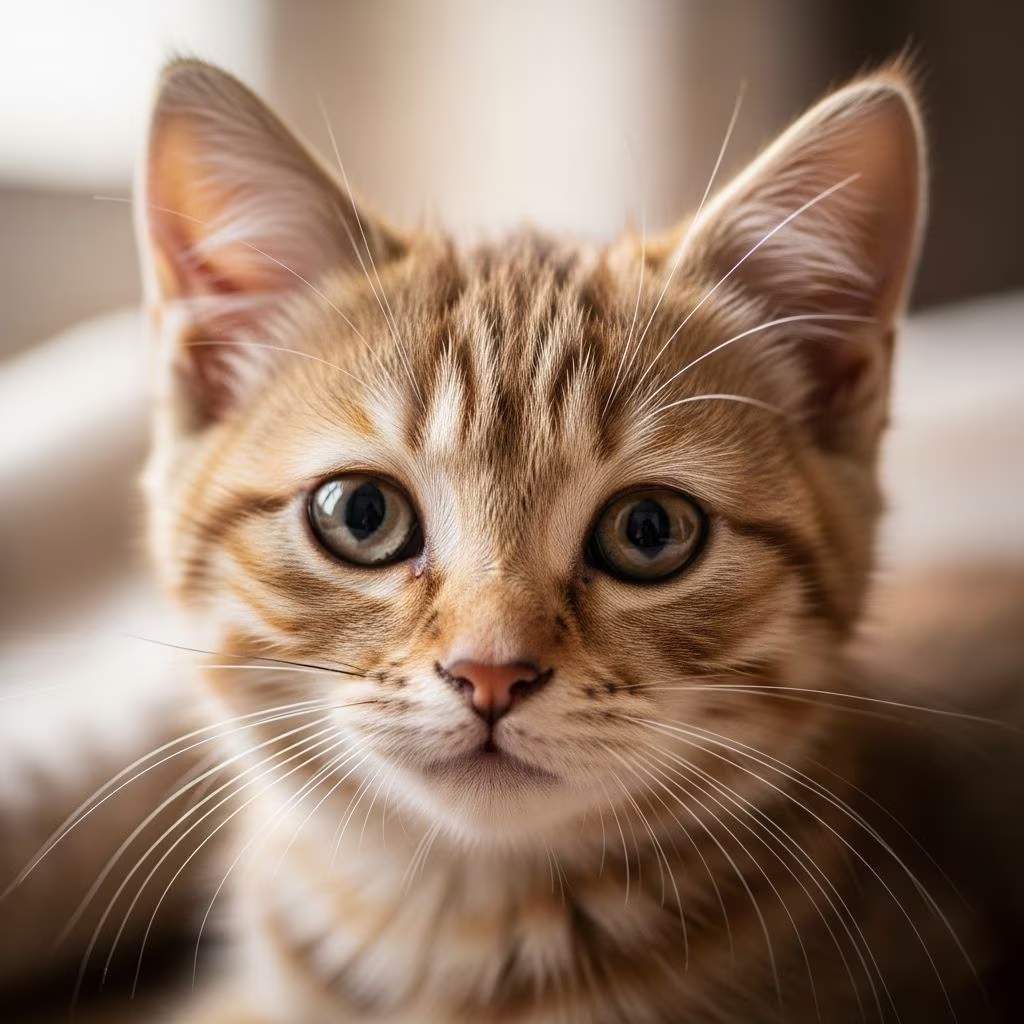
Understanding Eye Problems in Kittens
Kittens are curious and playful creatures, but their young eyes are particularly susceptible to various health issues. Eye problems in kittens range from minor irritations to serious conditions that can affect their vision and overall well-being. Understanding these common issues, recognizing their symptoms, and knowing when to seek veterinary care is essential for every kitten owner. Early detection and proper treatment can prevent complications and help ensure your kitten maintains healthy vision throughout its life.
Common Eye Problems in Kittens
Conjunctivitis (Pink Eye)
Conjunctivitis is one of the most common eye problems affecting kittens. This condition involves inflammation of the thin mucous membrane that covers the outer surface of the eye and lines the inner eyelids. Conjunctivitis can be caused by infectious agents such as bacteria, viruses, and fungi, or by non-infectious irritants like dust, pollen, and environmental debris.
Symptoms of conjunctivitis include:
– Eye discharge (clear, cloudy, or thick and purulent)- Squinting or frequent blinking- Red and swollen third eyelid- Redness around the eyes- Weepy or teary eyes- Crusty discharge around the eye area
Conjunctivitis can affect one or both eyes and may also involve the third eyelid, which often becomes visibly swollen and inflamed. In kittens, this condition is typically treated with topical eye drops, antibiotic ointments, or oral antibiotics, depending on the underlying cause.
Eye Infections
Eye infections in kittens can develop from various causes, including bacterial or viral pathogens. These infections may occur as primary conditions or as secondary complications following other illnesses. Feline herpesvirus and calicivirus are common viral causes, while bacterial infections may result from maternal transmission, environmental contamination, or secondary infection following trauma.
Common symptoms of eye infections include:
– Swollen eyes- Red or pink discoloration of the whites of the eyes- Weepy or teary eyes- Crusty or matted fur around the eyes- Excessive blinking or squinting- Rubbing or pawing at the eyes- Murky or cloudy eyeballs- Pupils of uneven sizes- Lethargy or decreased appetite
Eye infections require prompt veterinary attention to prevent serious complications. Your veterinarian will perform a thorough examination, which may include a fluorescein eye stain test to check for corneal damage and assess tear production. Treatment typically involves antibiotic ointments applied directly to the eye for one to two weeks, with gentle eyelid opening and eye cleaning by the veterinarian to drain any pus and apply necessary medications.
Corneal Ulcers and Keratitis
Corneal ulcers represent erosions or open sores on the cornea, the transparent outer layer of the eye. These painful conditions require immediate veterinary attention, as they can lead to serious complications if left untreated. Keratitis, commonly known as dry eye, can contribute to corneal ulcer development and often occurs in conjunction with other conditions such as conjunctivitis or allergies.
Symptoms of corneal ulcers and keratitis include:
– Squinting or excessive blinking- Avoiding bright light or hiding- Pawing at the eye or face- Swollen eyes- Light sensitivity- Tearing or watery discharge- Cloudy cornea appearance- Visible redness or blood in the eye- Eye closure or keeping the eye shut
Treatment for corneal ulcers may involve topical medications, antibiotic drops or ointments to prevent secondary infection, and pain relief medications. In severe cases where corneal tissue has died (corneal sequestrum), the affected tissue may turn black or brown, causing an inflammatory reaction in surrounding areas. In some cases, veterinarians may need to remove loose corneal tissue, perform cauterization, or recommend surgical intervention.
Eye Injuries and Trauma
Kittens are naturally playful and curious, making them prone to eye injuries from various sources. Minor eye injuries can quickly become serious if not properly treated. Injuries may result from scratches during play with other cats, attempts to scratch an itch, or contact with sharp objects or foreign material.
Symptoms of eye injuries include:
– Avoiding bright light or attempting to hide- Squinting, blinking excessively, or keeping the eye closed- Pawing at the eye or face- Redness or visible blood in the eye- Swelling around the eye area- Third eyelid visible or protruding- Eye discharge or clouding- Distorted or abnormal pupils
Any suspected eye injury warrants immediate veterinary examination, as seemingly minor injuries can have serious consequences for your kitten’s vision and eye health.
Uveitis
Uveitis is an inflammation of the uvea, the internal structures of the eye. This condition is extremely painful for cats and can lead to permanent blindness if left untreated. Uveitis may be caused by trauma, cancer, immune deficiencies, or infections. Symptoms include a dilated pupil, cloudy or red eye, and visible discomfort. Treatment typically involves topical eye medications and anti-inflammatory drugs to reduce pain and inflammation, with specific treatment depending on the underlying cause.
Eyelid Conditions: Blepharitis, Entropion, and Ectropion
Blepharitis is an inflammation and infection of a kitten’s eyelids that can result from allergies, eyelid trauma, tumors, or even diabetes. Symptoms include eyelid swelling, discharge, and scratching at the eyes. Treatment typically involves topical ointments or eye drops if infection is present, and may include oral antibiotics to address the underlying cause.
Entropion and ectropion are congenital or acquired conditions affecting eyelid positioning. These conditions can cause irritation and may lead to secondary infections if not properly managed.
Dry Eye Syndrome
Dry eye, medically known as keratoconjunctivitis sicca, can be caused by various factors including immune system diseases and the herpes virus. This condition results in inadequate tear production, leading to eye discomfort and potential complications. Treatment may include artificial tears, specialized eye drops to stimulate tear production, immune-suppressing drugs when appropriate, antibiotics if secondary infection occurs, or other therapeutic interventions.
Viral Causes: Feline Calicivirus and Herpesvirus
Feline calicivirus and herpesvirus are common viral pathogens affecting kitten eye health. These viruses often cause upper respiratory symptoms in addition to eye problems. Feline calicivirus frequently leads to secondary bacterial infections, which can cause serious complications such as pneumonia and other health issues. Always contact your veterinarian if you suspect your kitten has calicivirus, as treatment may include symptom management, antibiotics for secondary infections, and supportive care.
Feline herpes virus infections may be treated with Lysine, an amino acid supplement that produces antibodies and enzymes to support the immune system and help fight the infection.
Diagnosis of Feline Eye Problems
Veterinary diagnosis of eye problems in kittens involves a comprehensive approach. Your veterinarian will perform a complete physical examination and ask for your kitten’s medical history, including information about the mother cat when relevant. Diagnostic tools may include:
– Blood tests to rule out systemic causes- Fluorescein eye stain tests to detect corneal damage and assess tear drainage- Saline eye flushing to clean the eye surface and identify foreign objects- Visual assessment of eye structure and function
Treatment Options for Kitten Eye Problems
Topical Medications
Topical treatments are the most common approach to managing eye problems in kittens. These include:
– Antibiotic ointments and eye drops for bacterial infections- Steroid ointments for inflammatory conditions like conjunctivitis- Antiviral medications for viral infections- Artificial tears and lubricating ointments for dry eye conditions- Medications to reduce intraocular pressure when necessary
Oral Medications
Oral antibiotics may be prescribed when topical treatments alone are insufficient, or when the infection is systemic in nature. Antiviral supplements like Lysine may also be recommended for herpes virus infections.
Professional Eye Cleaning
Veterinarians may gently open the kitten’s eyelid to drain pus, clean the eye thoroughly, and apply medication. This professional cleaning is often necessary to prevent discharge accumulation and allow medications to be effective.
Eye Flushing Procedures
Saline flushing can help remove foreign material from the eye surface and may help widen narrowed tear ducts caused by chronic infections or allergies. This procedure can often be performed while the kitten is awake.
At-Home Care for Kitten Eye Problems
While professional veterinary treatment is essential, you can support your kitten’s recovery with appropriate at-home care:
Gentle Eye Cleaning
Clean off eye discharge with a clean, wet cotton ball. This prevents discharge accumulation and keeps the eyes comfortable. Use gentle, circular motions around the eye area, being careful not to apply pressure directly on the eye.
Warm Compress Application
Apply a warm compress using a clean cotton ball with warm (not hot) water to the affected eye. This can prevent eyelids from sticking together and provide comfort. Be cautious not to cover the kitten’s nose during this process.
Saline Rinses
Use a .9% sodium chloride solution or cat-safe ophthalmic flush to carefully clean the eyes. This helps remove debris and soothe irritation.
Medication Application
Follow your veterinarian’s instructions precisely when applying prescribed ointments or eye drops. Consistency is crucial for effective treatment, which typically continues for one to two weeks for many conditions.
Prevention of Eye Problems in Kittens
While not all eye problems can be prevented, several measures can reduce your kitten’s risk:
– Keep your kitten’s living environment clean and free from irritants- Minimize exposure to dust and pollen- Supervise playtime to prevent injuries- Maintain good vaccination status to prevent viral infections- Avoid contact with infected cats when possible- Provide proper nutrition to support immune function- Schedule regular veterinary check-ups for early detection of problems
When to Seek Veterinary Care
Contact your veterinarian immediately if your kitten shows signs of eye problems. Prompt professional evaluation is essential because:
– Eye conditions can deteriorate rapidly in young kittens- Some conditions are painful and require immediate pain relief- Proper diagnosis ensures appropriate treatment- Early intervention prevents complications and vision loss- Eye infections can spread to other cats in your household
Contagiousness and Multi-Cat Households
Eye infections in kittens can be highly contagious. If you have multiple cats, ask your veterinarian whether the affected kitten should be separated from other feline companions during treatment. This precaution helps prevent disease spread and ensures all cats receive appropriate care if exposure occurs.
Frequently Asked Questions About Kitten Eye Problems
Q: What is the most common eye problem in kittens?
A: Conjunctivitis, or pink eye, is one of the most common eye problems affecting kittens. It can be caused by infectious agents or environmental irritants and is generally treatable with appropriate medications.
Q: How can I tell if my kitten has an eye infection?
A: Signs of eye infection include discharge from the eye, swelling, redness, squinting or excessive blinking, rubbing at the eyes, cloudy appearance, and in some cases, lethargy or decreased appetite. Contact your veterinarian if you notice these symptoms.
Q: Can I treat my kitten’s eye infection at home?
A: While you can provide supportive care at home such as gentle cleaning and warm compresses, professional veterinary treatment is essential for diagnosing the cause and prescribing appropriate medications. Home care should complement, not replace, professional veterinary care.
Q: How long does treatment for kitten eye problems typically take?
A: Most eye conditions in kittens require treatment for one to two weeks with prescribed medications. However, the duration depends on the specific condition and its severity. Follow your veterinarian’s instructions for the complete treatment course.
Q: Are eye problems in kittens serious?
A: Some eye problems can be serious if left untreated. Conditions like corneal ulcers and uveitis can lead to permanent vision loss or blindness. Prompt veterinary evaluation and treatment are crucial for preventing complications.
Q: Can kittens go blind from eye infections?
A: While most eye infections respond well to treatment, some conditions like uveitis can lead to blindness if untreated. Early detection and appropriate treatment significantly reduce this risk.
Q: How can I prevent eye problems in my kitten?
A: Keep your kitten’s environment clean, minimize exposure to irritants, supervise playtime to prevent injuries, maintain current vaccinations, and schedule regular veterinary check-ups for early detection of potential problems.
References
- Cat Eye Discharge and Eye Problems — WebMD Pets. Accessed 2025. https://www.webmd.com/pets/cats/eye-discharge-in-cats
- Kitten Eye Infection: Symptoms, Causes, & Treatment — Dutch Pet Telehealth. Accessed 2025. https://www.dutch.com/blogs/cats/kitten-eye-infection
- 5 Common Eye Problems in Kittens — Wag Walking. Accessed 2025. https://wagwalking.com/wellness/5-common-eye-problems-in-kittens
- Helping Kittens with Eye Infections — Kitten Lady. Accessed 2025. http://www.kittenlady.org/eyes
- Common Eye Conditions In Cats — My Vet Animal Hospital. Accessed 2025. https://myvetanimalhospital.com.au/common-eye-conditions-in-cats/



