

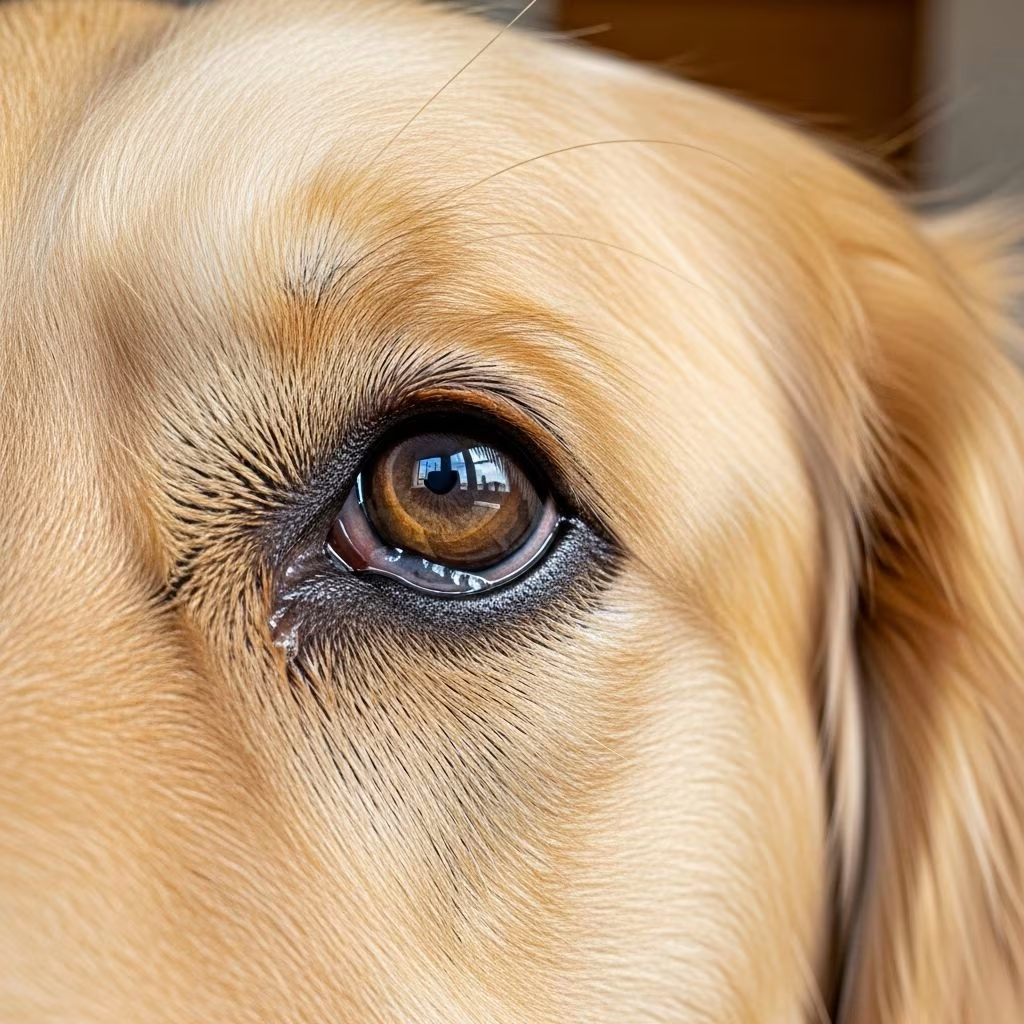
Understanding Epiphora: Eye Discharge in Dogs
Epiphora is a common condition affecting dogs of all breeds and ages, characterized by an abnormal overflow of tears from the eyes. While it may seem like a minor cosmetic issue, understanding this condition is essential for dog owners who want to maintain their pet’s ocular health. Epiphora is technically a symptom rather than a specific disease, and it can be associated with various underlying conditions ranging from minor to potentially serious. The condition manifests when tears accumulate and overflow onto the face instead of draining properly through the natural tear drainage system.
What Is Epiphora?
Epiphora refers to an excessive overflow of tears from the eyes, a condition that disrupts the normal tear production and drainage cycle in dogs. Under normal circumstances, the eyes produce a thin film of tears that serves multiple crucial functions for ocular health. These tears lubricate the eyes, provide essential nutrients to the cornea, and protect against infection and foreign debris. In a healthy dog’s eye, excess tear fluid naturally drains through specialized structures called tear ducts, or nasolacrimal ducts, which are located in the corner of the eye adjacent to the nose.
The tear drainage pathway continues from the nasolacrimal ducts into the back of the sinuses and eventually down the throat, completing a continuous cycle. When this system functions properly, tear production and drainage remain in balance, and no visible overflow occurs. However, when epiphora develops, this delicate balance is disrupted. The condition can arise from two primary mechanisms: either the tear ducts fail to drain tears adequately, or the eyes produce an excessive amount of tears that exceeds the drainage system’s capacity. Understanding which mechanism is responsible for a specific dog’s epiphora is critical for determining appropriate treatment.
Common Signs and Symptoms of Epiphora
Dog owners typically notice several telltale signs associated with epiphora that should prompt veterinary evaluation. The most obvious clinical sign is persistent dampness or wetness beneath the eyes, where owners often notice tears rolling off their pet’s face or the facial area remaining constantly damp. Many owners describe their dog’s face as being perpetually wet, which can become uncomfortable for the animal.
Beyond the wetness itself, owners frequently observe a distinctive reddish-brown staining of the fur directly beneath the eyes. This discoloration occurs as tear components, particularly proteins and pigments, accumulate on the fur over time. The staining can become increasingly pronounced and may give the appearance that the dog is crying. Additional signs associated with epiphora include unpleasant odor emanating from the affected area, skin irritation around the eyes and muzzle, and in some cases, secondary skin infections where moisture has accumulated.
The constant moisture creates an environment conducive to bacterial and yeast growth, which can lead to dermatitis and further complications. Some dogs may also exhibit behavioral changes such as pawing at their eyes or showing signs of discomfort due to the skin irritation caused by persistent moisture and potential secondary infections.
Diagnostic Procedures for Epiphora
Proper diagnosis of epiphora begins with a comprehensive evaluation aimed at identifying any underlying causes contributing to the excessive tear production. Veterinarians must systematically investigate potential primary causes before assuming the issue is simply related to tear drainage problems.
Identifying Underlying Causes
Several eye conditions can trigger increased tear production in dogs and must be ruled out during the diagnostic process. These include conjunctivitis of viral or bacterial origin, allergic reactions, traumatic eye injuries, abnormal eyelashes such as distichia or ectopic cilia, corneal ulcers, various eye infections, and structural anatomical abnormalities. Anatomical issues may include entropion (inward-rolling eyelids) or ectropion (outward-rolling eyelids), as well as glaucoma, a serious condition characterized by elevated intraocular pressure.
Evaluating Tear Drainage
Once serious ocular conditions have been eliminated as causative factors, veterinarians focus on determining whether adequate tear drainage is occurring. A thorough ocular examination is performed with special attention directed toward the nasolacrimal ducts and surrounding tissues. The veterinarian carefully assesses signs of inflammation, debris accumulation, or other abnormalities that might impede normal tear flow. The dog’s facial anatomy plays an important role in this assessment, as certain structural features can predispose animals to drainage problems.
Breed-Specific Considerations
Some dog breeds with flat or brachycephalic (squished) faces present particular challenges for normal tear drainage. In these breeds, the anatomical structure of the face does not permit the tear film to enter the drainage ducts properly, causing tears to simply roll off the face instead. Additionally, some dogs have abundant hair around their eyes that physically obstructs the entrance to the nasolacrimal ducts. In other cases, debris or foreign material forms a plug within the duct, completely blocking tear drainage.
The Fluorescein Stain Test
One of the most straightforward diagnostic tests for assessing tear drainage is the fluorescein stain test. During this procedure, a veterinarian places a drop of fluorescein stain into the affected eye and holds the dog’s head slightly downward. The veterinarian then observes whether the stained fluid appears in the dog’s nose within a few minutes. If the tear drainage system is functioning normally, the stain should become visible in the nose as the tear film passes through the nasolacrimal ducts. However, if the stain does not appear in the nose, it suggests that the drainage pathway may be obstructed, though this finding alone does not definitively diagnose a blocked duct and typically indicates the need for further investigation.
Treatment Options for Epiphora
Treatment approaches for epiphora vary considerably depending on the underlying cause identified during the diagnostic process. A tailored treatment plan should address both the primary condition and any secondary complications that may have developed.
Managing Blocked Nasolacrimal Ducts
When a nasolacrimal duct obstruction is suspected, veterinarians typically recommend a procedure performed under general anesthesia. During this procedure, a specialized instrument is carefully inserted into the duct to flush out any accumulated debris, mucus, or other material causing the blockage. In some cases, the lacrimal puncta, or opening to the tear drainage system, may have failed to develop properly during the dog’s growth and development. When this congenital condition is identified, the veterinarian can surgically open the puncta during the same procedure, restoring proper drainage. For dogs with chronic infections or allergies that have caused their ducts to become abnormally narrowed, flushing procedures may help widen these structures and restore adequate drainage capacity.
Addressing Primary Eye Conditions
When epiphora is secondary to another primary eye condition, treatment must be directed at addressing that underlying disease. Depending on the specific condition identified, this may involve surgical intervention or medical management. The veterinarian will determine the most appropriate approach based on the nature and severity of the primary condition.
Topical and Oral Medications
Both topical and oral medications may be incorporated into a comprehensive treatment plan for epiphora. However, it is important to note that the use of low-dose antibiotics is no longer routinely recommended due to significant concerns about the development of bacterial antibiotic resistance, which can render these valuable medications ineffective for both human and veterinary medicine. Short courses of appropriately dosed antibiotics can be reserved for severe cases where secondary skin infections have developed, as evidenced by redness, odor, or discharge from the affected area. When antibiotics are deemed necessary, they should be administered for an appropriate duration and at therapeutic doses rather than low doses.
Home Care and Supportive Measures
Supportive care plays an important role in managing epiphora and preventing secondary complications. Keeping the area beneath the eyes as clean and dry as possible is essential. Regular removal of any accumulated discharge or buildup helps prevent bacterial and yeast overgrowth. Trimming the fur short around the eyes can improve air circulation and reduce moisture accumulation in the area. Many owners find that gently wiping the area several times daily with a clean cloth helps maintain comfort and prevents skin irritation.
Emerging evidence suggests that daily probiotics may be beneficial for dogs with epiphora, though improvement may take several weeks to become apparent. However, it is crucial that dog owners consult with their veterinarian before using any products to treat epiphora. Some seemingly innocent products, such as those containing hydrogen peroxide, can cause severe damage to the eye if accidentally splashed into the eye and should be avoided entirely.
Prognosis and Long-Term Outlook
The long-term prognosis for dogs with epiphora depends significantly on whether an identifiable underlying cause can be found and effectively treated. In many cases, unless a specific treatable cause is identified and successfully managed, most dogs with epiphora will experience intermittent episodes of excessive tear production throughout their lives. For dogs whose facial anatomy inherently prevents adequate drainage of the tear film, some degree of epiphora will likely persist despite all treatment efforts, even when various interventions are attempted.
Fortunately, in many cases, epiphora does not lead to significant health problems, and the tear staining may remain primarily a cosmetic concern rather than a medical issue requiring intensive management. However, it is essential that each dog receives individualized assessment from a veterinarian who can determine the specific treatment options and realistic prognosis based on the dog’s particular situation and underlying causes.
Frequently Asked Questions About Epiphora in Dogs
Q: Is epiphora painful for dogs?
A: Epiphora itself is not typically painful, but the underlying conditions causing it may be uncomfortable. Secondary skin infections resulting from persistent moisture can cause itching and irritation. If your dog seems uncomfortable, consult your veterinarian to investigate potential painful underlying causes such as corneal ulcers or glaucoma.
Q: Can epiphora be prevented?
A: While some causes of epiphora cannot be prevented, maintaining good eye hygiene, keeping hair trimmed around the eyes, and addressing allergies promptly can help minimize risk. Regular veterinary checkups allow early detection and treatment of conditions that might lead to epiphora.
Q: How often should I clean my dog’s eyes if they have epiphora?
A: Most dogs benefit from gentle cleaning of the eye area several times daily. Use a clean, damp cloth or a veterinarian-approved eye cleaning solution. Your veterinarian can recommend the appropriate frequency for your individual dog based on severity.
Q: Are certain dog breeds more prone to epiphora?
A: Yes, brachycephalic breeds with flat faces, such as Bulldogs, Pugs, and Shih Tzus, are particularly prone to epiphora due to their facial anatomy. Breeds with long hair around the eyes are also more susceptible. However, any dog breed can develop epiphora from various causes.
Q: What should I do if my dog’s eye discharge changes color or becomes thick?
A: Changes in discharge color or consistency may indicate a secondary infection or more serious underlying condition. Contact your veterinarian promptly, especially if the discharge becomes yellow, green, or bloody, as these changes warrant immediate professional evaluation and treatment.
Q: Can epiphora cause blindness?
A: While epiphora itself does not cause blindness, some of the underlying conditions that produce epiphora, such as glaucoma or severe corneal ulcers, can potentially lead to vision loss if left untreated. This is why identifying and treating the underlying cause is so important.
When to Seek Veterinary Care
While mild epiphora may be manageable with supportive home care, certain situations warrant immediate veterinary attention. If your dog’s eye discharge is thick, yellow, green, or contains blood, seek veterinary care promptly. Similarly, if your dog is squinting, holding an eye closed, or showing signs of pain or discomfort, professional evaluation is necessary. Any swelling, redness, or cloudiness of the eye requires urgency. Sudden changes in vision, such as your dog bumping into objects or showing reluctance to move, and any injury or trauma to the eye demand immediate veterinary attention. Additionally, if eye discharge persists for more than a day or two, or if home care measures do not improve symptoms, contact your veterinarian to prevent potential complications.
References
- Eye Discharge (Epiphora) in Dogs — VCA Animal Hospitals. 2024. https://vcahospitals.com/know-your-pet/eye-discharge-or-epiphora-in-dogs
- Dog Eye Infections: Symptoms, Causes, and Treatment — American Kennel Club. 2024. https://www.akc.org/expert-advice/health/dog-eye-infections/
- Dog Eye Discharge Causes and Treatments — WebMD Pets. 2024. https://www.webmd.com/pets/dogs/dog-discharge-from-eye
- When Should You Worry About Your Pet’s Eye Discharge — Companion Animal Clinic Iowa. 2024. https://www.companionanimalcliniciowa.com/blog/when-should-you-worry-about-your-pets-eye-discharge
- 5 Types of Dog Eye Discharge and When To Go to the Vet — PetMD. 2024. https://www.petmd.com/dog/general-health/dog-eye-discharge
- Dog Eye Discharge: Causes and Treatment — Chewy. 2024. https://www.chewy.com/education/dog/health-and-wellness/thoroughly-vetted-dog-eye-discharge



