

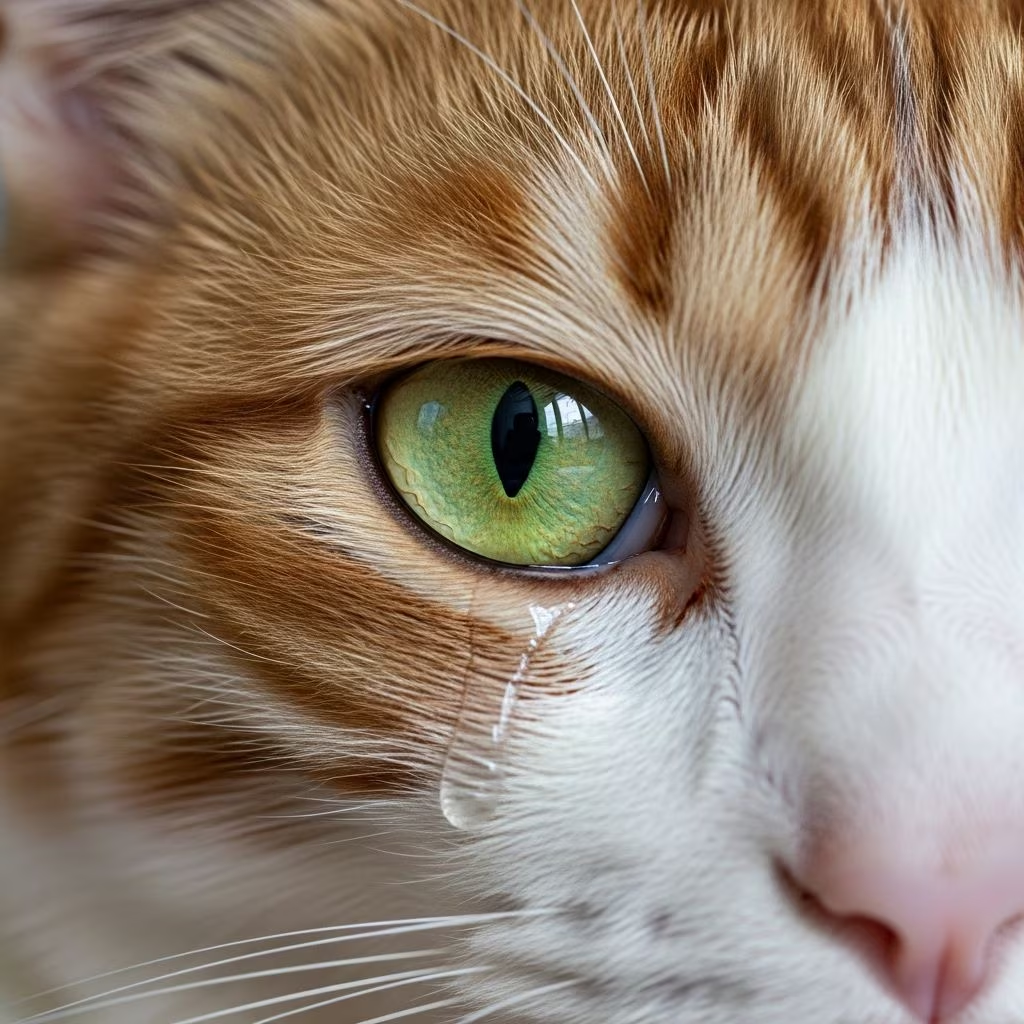
Understanding Epiphora in Cats
Epiphora is a medical term that describes an overflow of tears from a cat’s eyes. Rather than being a specific disease itself, epiphora is a symptom that can be associated with various underlying conditions affecting feline eye health. Understanding what epiphora is and how it develops is the first step toward helping your cat maintain healthy, comfortable eyes.
In healthy cats, a thin film of tears is naturally produced to keep the eyes lubricated and protected. This tear film consists of three layers: an oily layer from the meibomian glands, a watery layer from the lacrimal glands, and a mucus layer from the conjunctiva. The excess fluid from this tear film normally drains through tiny channels called the nasolacrimal ducts, which are located in the inner corner of the eye near the nose. These ducts carry the tears into the back of the sinuses and down the throat, which is why your nose becomes runny when you cry—and the same process occurs in cats.
When epiphora develops, it occurs due to one of two primary mechanisms: either insufficient drainage of tears through the tear ducts, or an excessive production of tears by the lacrimal glands. Both scenarios result in tears overflowing onto the face and around the eyes, creating the characteristic dampness and staining associated with this condition.
Recognizing the Signs of Epiphora
Identifying epiphora in your cat requires awareness of the common clinical signs that may develop. The most obvious indication is physical dampness or wetness beneath the eyes, which may become noticeable throughout the day or following sleep.
Key signs of epiphora include:
- Persistent dampness or wetness beneath the eyes
- Reddish-brown staining of the fur beneath the eyes (particularly noticeable in light-colored cats)
- Matted or wet-looking fur around the eye area
- Unpleasant odor emanating from the eye region
- Skin irritation or infection on the face beneath the eyes
- Squinting or excessive blinking
- Redness or swelling of the conjunctiva (the pink tissue inside the eyelids)
- Changes in eye discharge color or consistency
- Pawing at the eyes or face
- Visible tears rolling down the face
Many cat owners report that their pet’s face appears constantly damp, and some even observe tears rolling off their cat’s face. The reddish-brown staining occurs because tears contain porphyrins, iron-containing compounds that oxidize and create this distinctive discoloration. It is important to recognize that eye discharge as a symptom becomes more significant when it represents a change from your cat’s normal baseline. If your cat has never had watery eyes before and suddenly develops this symptom, veterinary evaluation is warranted.
Understanding the Causes of Epiphora
Epiphora can develop from numerous underlying causes, ranging from minor and self-limiting conditions to serious health issues requiring prompt veterinary intervention. The causes can be broadly categorized into those causing excessive tear production and those causing inadequate tear drainage.
Causes of Insufficient Tear Drainage
Nasolacrimal Duct Blockage: The most common cause of epiphora is blockage of the nasolacrimal ducts. This blockage can result from several mechanisms, including congenital failure of the duct to open properly at birth, inflammation and debris accumulation within the duct, or tumors that physically obstruct tear drainage.
Poor Eyelid Function: Anatomical abnormalities of the eyelids can prevent proper tear drainage and distribution. Entropion (eyelids rolled inward) and ectropion (eyelids rolled outward) are examples of such deformities that interfere with normal tear drainage patterns.
Nasal Cavity Abnormalities: Tumors or abscesses in the nasal cavity or face can obstruct the nasolacrimal ducts and prevent normal tear drainage.
Causes of Excessive Tear Production
Upper Respiratory Infections: One of the most common causes of eye discharge in cats is upper respiratory infection (FURTI) caused by feline herpesvirus or calicivirus. These viral infections can cause conjunctivitis and increased tear production as the eye attempts to flush away irritants and pathogens.
Conjunctivitis: Inflammation of the conjunctiva (the membrane covering the white part of the eye and inner eyelids) can be caused by viral, bacterial, or allergic mechanisms. This inflammation triggers excessive tear production and often produces colored discharge.
Allergies: Cats can experience allergic reactions to environmental allergens, food components, or other substances. Allergic responses trigger histamine release and increased tear production.
Eye Injuries and Corneal Disorders: Traumatic injuries to the eye, scratches to the cornea, or corneal ulceration cause pain and reflex tearing. The cornea, the dome-shaped transparent surface covering the front of the eye, becomes inflamed, injured, or ulcerated, resulting in cloudiness, excessive blinking, squinting, and increased tear production.
Abnormal Eyelashes: Some cats have extra eyelashes or abnormally positioned eyelashes (conditions called distichia or ectopic cilia) that rub against the eye surface, causing irritation and excessive tear production.
Dry Eye Syndrome: Keratoconjunctivitis sicca (KCS), commonly known as dry eye syndrome, paradoxically can cause excessive discharge as the eye attempts to compensate for insufficient tear production by producing thick, mucous discharge.
Glaucoma: Elevated pressure within the eye can cause discomfort and increased tear production as a pain response.
Environmental Irritants: Dust, smoke (including secondhand cigarette smoke), air pollution, and other environmental irritants commonly trigger epiphora in cats. The excess tear production serves as a protective mechanism to flush away these irritants before they damage the cornea.
Genetic and Breed Predisposition
Certain cat breeds have genetic predispositions to developing epiphora. Long-haired breeds such as Persians, Himalayans, and other brachycephalic cats (those with pushed-in or flat faces) are particularly prone to chronic ocular discharge. These cats may have facial structure that inhibits proper tear drainage, hair that grows into the eye area, or other anatomical features that predispose them to tear-related issues.
Types of Eye Discharge
The characteristics of the discharge can provide clues about the underlying cause. Clear discharge or excessive tearing may indicate conditions such as upper respiratory infections, brachycephaly, feline infectious peritonitis (FIP), or corneal disorders. Environmental irritants typically produce clear, watery discharge as well.
In contrast, purulent discharge (pus or thick, sticky material) suggests bacterial infection and is commonly associated with upper respiratory infections, conjunctivitis, and dry eye syndrome. This type of discharge often has a yellowish tinge and resembles mucus or may appear thick and sticky in consistency.
When to Seek Veterinary Care
While occasional minor tearing can be normal in cats, persistent or changing eye discharge warrants veterinary attention. It is important to contact your veterinarian if:
- The eye discharge is severe or extensive
- The discharge persists for more than 24 hours
- The discharge is worsening or increasing in amount
- The symptom is accompanied by other signs such as redness, swelling, or squinting
- Your cat is pawing at the eyes or showing signs of discomfort
- The discharge changes color or consistency
- You notice sneezing or nasal discharge along with eye discharge
- There are signs of vision changes or cloudiness in the eye
Some underlying conditions leading to ocular discharge can result in permanent vision loss or be life-threatening, while others are minor and resolve without treatment. Because it is impossible to determine the severity of the underlying cause without veterinary examination, prompt professional evaluation is the safest approach to preventing permanent damage to your cat’s eyes.
Diagnosis of Epiphora
When you bring your cat to the veterinarian for evaluation of eye discharge, the first step involves determining whether an underlying cause is triggering excess tear production. Your veterinarian will perform a comprehensive eye examination using specialized equipment and tests.
The examination may include:
- Visual inspection of the eye structures with magnification
- Fluorescein staining to identify corneal ulcers or damage
- Schirmer tear test to measure tear production
- Tonometry to measure eye pressure and screen for glaucoma
- Nasolacrimal duct flushing to check for blockages
- Cytology or culture of discharge samples to identify bacterial or viral infections
- Assessment of eyelid position and function
Your veterinarian will also take a complete history, asking about when the discharge started, whether it affects one or both eyes, any recent trauma or foreign body exposure, environmental changes, and whether your cat is showing signs of upper respiratory infection.
Treatment Options for Epiphora
Treatment of epiphora depends entirely on the underlying cause identified during veterinary examination. Since epiphora is a symptom rather than a disease, addressing the root cause is essential for resolution.
Potential treatments include:
- Antibiotics: For bacterial conjunctivitis or infections, topical or systemic antibiotics may be prescribed
- Antiviral medications: For viral infections like feline herpesvirus, antivirals may help reduce symptom severity
- Anti-inflammatory medications: Topical corticosteroids or nonsteroidal anti-inflammatory drugs can reduce conjunctival inflammation
- Nasolacrimal duct flushing: Veterinarians can flush blocked ducts to restore proper drainage
- Surgical intervention: In cases of entropion, ectropion, or other structural abnormalities, surgery may be necessary
- Removal of foreign objects: If abnormal eyelashes or foreign debris are causing irritation, removal may provide relief
- Environmental modifications: Reducing exposure to smoke, dust, and other irritants
- Artificial tear supplements: For dry eye syndrome, artificial tears can supplement natural tear production
- Management of underlying systemic disease: Treating conditions like allergies or FIP
Home Care and Management
While waiting for veterinary examination or as part of ongoing care, you can help manage your cat’s epiphora through gentle home care. Regularly wipe away discharge using a soft, damp cloth or sterile gauze. This helps prevent skin irritation and secondary infection. Keep the hair around the eyes trimmed if your cat has long hair, as this can reduce irritation. Ensure your home environment is as clean as possible and minimize exposure to smoke and strong odors.
Frequently Asked Questions
What exactly is epiphora?
Epiphora is an overflow of tears from the eyes caused by either excessive tear production or inadequate tear drainage through the nasolacrimal ducts. It is a symptom of various underlying conditions rather than a disease itself.
Is epiphora painful for cats?
Epiphora itself does not directly cause pain. However, the underlying conditions causing epiphora—such as conjunctivitis, corneal ulcers, or eye injuries—may cause discomfort. If your cat shows signs of pain like pawing at the eyes or squinting, veterinary attention is needed.
Can epiphora go away on its own?
Epiphora caused by minor irritants like dust may resolve spontaneously. However, persistent epiphora typically requires veterinary intervention to address the underlying cause.
Are certain cat breeds more prone to epiphora?
Yes, long-haired breeds like Persians and Himalayans, as well as brachycephalic (flat-faced) cats, are genetically predisposed to chronic ocular discharge due to their facial structure and hair characteristics.
What should I do if my cat has one watery eye?
A single watery eye may result from a minor irritant or mild tear duct blockage and often clears within a day or two. However, monitor closely for signs of infection, redness, or excessive blinking, and contact your veterinarian if symptoms persist or worsen.
How can I prevent epiphora in my cat?
While you cannot prevent all causes of epiphora, you can reduce risk by minimizing environmental irritants, maintaining good hygiene, keeping your cat’s vaccinations current to prevent viral infections, and scheduling regular veterinary checkups for early detection of eye problems.
References
- Eye Discharge (Epiphora) in Cats — VCA Animal Hospitals. 2024. https://vcahospitals.com/know-your-pet/eye-discharge-or-epiphora-in-cats
- Watery Eyes (Epiphora) in Cats — PetMD. 2024. https://www.petmd.com/cat/conditions/eyes/watery-eyes-epiphora-cats
- Eye Discharge (Epiphora) in Cats – Causes, Treatment and Symptoms — Vetster. 2024. https://vetster.com/en/symptoms/cat/eye-discharge
- Epiphora in Cats, AKA Cat Tear Stains — Whisker. 2024. https://www.whisker.com/blog/epiphora-cat-tear-stains
- Cat Eye Discharge and Eye Problems — WebMD Pets. 2024. https://www.webmd.com/pets/cats/eye-discharge-in-cats
- Watery Eyes (Epiphora) in Cats: Causes, Symptoms & Treatment — Medicanimal. 2024. https://medicanimal.com/blogs/pet-advice/watery-eyes-epiphora-in-cats-causes-symptoms-treatment



