

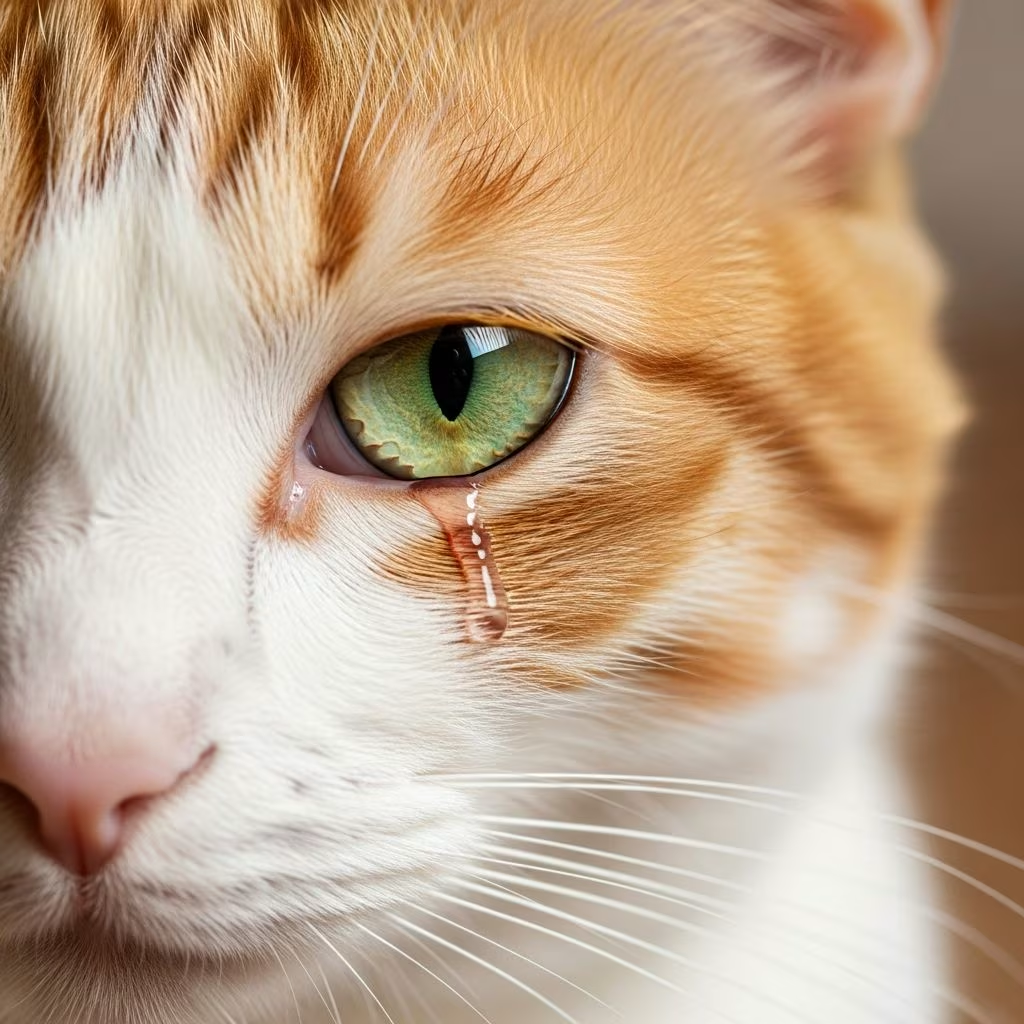
Understanding Epiphora in Cats
Epiphora is a medical term that describes an overflow of tears from a cat’s eyes. It is fundamentally a symptom rather than a specific disease and is associated with a variety of underlying conditions and health issues. The condition occurs when there is either insufficient drainage of tears through the tear ducts or excessive production of tears. Understanding this condition is essential for cat owners, as it can indicate various health problems ranging from minor irritations to more serious ocular diseases.
Normally, a thin film of tears is produced naturally to lubricate the eyes and keep them healthy. The excess fluid drains into the tear ducts, medically known as nasolacrimal ducts, which are located in the corner of the eye next to the nose. These tear ducts drain tears into the back of the sinuses and down the throat in a process that typically goes unnoticed. When this drainage system becomes compromised or when tear production increases abnormally, epiphora develops, leading to visible wetness and discomfort.
Recognizing the Signs of Epiphora
Identifying epiphora in your cat is crucial for early intervention and treatment. Common clinical signs associated with epiphora include several observable symptoms that pet owners should monitor for regularly.
Visual indicators of epiphora:
– Dampness or wetness beneath the eyes- Reddish-brown staining of the fur beneath the eyes- Odor around the eye area- Skin irritation and potential skin infection- Matted fur around the eye region- Eye redness or inflammation- Changes in eye discharge consistency
Many cat owners report that their pet’s face is constantly damp, and they may even observe tears rolling off their cat’s face. Additional symptoms to watch for include squinting, excessive blinking, redness and swelling of the conjunctiva (the pink tissue inside the eyelids), changes to the color or clarity of the eye such as cloudiness, and sneezing or discharge from the nose. Some cats may paw at their eyes due to discomfort or irritation.
Causes of Epiphora in Cats
Understanding the underlying causes of epiphora is essential for proper diagnosis and treatment. The condition can stem from multiple sources, and determining the specific cause is the first step in developing an effective treatment plan.
Tear Duct and Drainage Issues
The most common cause of epiphora is insufficient tear drainage due to blockage of the nasolacrimal ducts or poor eyelid function due to deformity. Blockages can occur for several reasons, including congenital failure of the duct to open, inflammation and debris within the duct, or tumors that block the duct. When the drainage system is compromised, tears accumulate and overflow from the eyes, creating the characteristic wetness and staining.
Eye Infections and Inflammation
Infections and inflammatory conditions are significant contributors to epiphora in cats. These include conjunctivitis (both viral and bacterial), which causes inflammation of the conjunctiva and triggers excessive tear production. Keratoconjunctivitis sicca, commonly known as dry eye, is a chronic condition characterized by insufficient tear production that paradoxically can result in thick, yellow, gooey eye discharge.
Anatomical Abnormalities
Structural issues with the eyes or eyelids can predispose cats to epiphora. These include abnormal eyelashes such as distichia or ectopic cilia (ingrown eyelashes), anatomical abnormalities like rolled-in eyelids (entropion) or rolled-out eyelids (ectropion). Certain cat breeds with flat faces, buggy eyes, or long hair are genetically predisposed to ocular discharge issues. Brachycephalic breeds and cats with facial structure that inhibits proper drainage are at higher risk.
Additional Causative Factors
Various other conditions can trigger epiphora in cats:
– Allergies- Eye injuries or trauma- Corneal ulcers- Glaucoma (high pressure inside the eye)- Environmental exposures such as secondhand smoke- Tumors or abscesses in the nasal cavity or face- Feline upper respiratory tract infection (FURTI)- Feline infectious peritonitis (FIP)
Environmental irritants are commonly responsible for temporary epiphora, as excess tear production serves as a defense mechanism to keep irritants from damaging the eyeball.
Diagnosis of Epiphora
Proper diagnosis is crucial for determining the underlying cause and developing an appropriate treatment strategy. The diagnostic process typically begins with a thorough veterinary examination and may include additional testing depending on the initial findings.
Your veterinarian will perform a comprehensive eye examination, looking for signs of infection, injury, inflammation, or structural abnormalities. They will assess tear production and drainage, check for corneal ulcers, and evaluate the overall health of the eye structures. Special diagnostic tests may be employed, such as staining dyes to highlight corneal damage, pressure measurements to check for glaucoma, or imaging studies to visualize the tear ducts and identify blockages. In some cases, the vet may recommend cytology or culture tests to identify bacterial or viral infections causing the excessive tearing.
Treatment Options for Epiphora
Treatment for epiphora depends entirely on the underlying cause. Once your veterinarian has determined what is triggering the excessive tearing, a targeted treatment approach can be implemented.
Medical Management
For infections such as conjunctivitis or bacterial infections, antibiotic eye drops or ointments are typically prescribed. Anti-inflammatory medications may be recommended to reduce swelling and irritation. Allergies causing epiphora may be managed with antihistamines or topical allergy medications. For dry eye conditions, artificial tears or tear-stimulating medications may be prescribed to support natural tear production.
Surgical Interventions
When tear duct blockages are identified, surgical procedures may be necessary to clear the obstruction or establish proper drainage. In cases of anatomical abnormalities such as entropion or ectropion, surgical correction of the eyelid position can resolve the epiphora. Abnormal eyelashes causing irritation can be surgically removed. Tumors or masses blocking the tear ducts may require surgical removal or other appropriate interventions.
Supportive Care
Regardless of the underlying cause, supportive care is important for managing the symptoms and preventing secondary complications. Regular gentle cleaning of the tear-stained areas with warm water can help prevent skin irritation and infection. Keeping the area dry and maintaining good hygiene around the eyes is essential. In mild cases where no serious underlying condition is identified, simple monitoring and at-home care may be sufficient, though veterinary follow-up is recommended.
When to Seek Veterinary Care
While occasional tearing can be normal in cats, persistent or heavy discharge warrants veterinary attention. If your cat experiences a single watery eye from a minor irritant such as dust or a hair, it may clear up on its own within a day or two. However, it is important to monitor for early signs of something more serious, including redness, swelling, discharge, excessive blinking, or your cat pawing at the eye. If any of these symptoms appear or if tearing persists for more than a couple of days, consulting your veterinarian is advisable.
Pay particular attention to warning signs that indicate more serious issues. Yellow discharge from your cat’s eye could point to a bacterial infection like conjunctivitis, and other concerning symptoms include significant redness, squinting, swelling, and your cat pawing persistently at the eye, all of which suggest pain or irritation requiring professional evaluation.
Frequently Asked Questions About Epiphora in Cats
Q: Is epiphora painful for my cat?
A: Epiphora itself does not inherently cause pain, but the underlying conditions triggering it may cause discomfort. If your cat is squinting, pawing at the eyes, or showing signs of irritation, this indicates pain that requires veterinary attention.
Q: Can epiphora in cats resolve on its own?
A: Mild cases caused by temporary irritants like dust may resolve independently within a day or two. However, persistent epiphora typically requires veterinary diagnosis and treatment to address the underlying cause and prevent complications.
Q: Are certain cat breeds more prone to epiphora?
A: Yes, cats with flat faces, large eyes, long hair that pokes into the eyes, or specific genetic predispositions are at higher risk for epiphora. Breeds such as Persians and Himalayans are particularly susceptible due to their facial structure.
Q: What is the difference between normal tearing and epiphora?
A: Normal tearing is minimal and not visible, with tears draining properly through the nasolacrimal ducts. Epiphora is characterized by visible excessive wetness, staining, and dampness on the face that persists over time.
Q: Can I treat epiphora at home without veterinary care?
A: While supportive care like gentle cleaning can help manage symptoms, identifying and treating the underlying cause requires professional veterinary diagnosis. Self-treatment risks missing serious conditions like infections or blockages that could worsen without proper care.
Q: What complications can arise from untreated epiphora?
A: Left untreated, epiphora can lead to skin irritation, secondary bacterial infections, staining that damages the fur, discomfort for your cat, and in severe cases, vision impairment if the underlying condition is serious.
Prevention and Long-Term Management
While not all cases of epiphora can be prevented, certain measures can help reduce the risk and manage the condition in cats prone to excessive tearing. Maintaining good hygiene around the eyes, regular grooming especially for long-haired cats, and promptly addressing any eye irritations or infections can help. Minimizing environmental irritants like smoke exposure and maintaining a clean living environment supports eye health. For cats with predisposing anatomical features, regular veterinary check-ups allow for early detection and intervention if epiphora develops.
References
- Epiphora in Cats, AKA Cat Tear Stains — Whisker. 2024. https://www.whisker.com/blog/epiphora-cat-tear-stains
- Eye Discharge (Epiphora) in Cats – Causes, Treatment and Symptoms — Vetster. 2024. https://vetster.com/en/symptoms/cat/eye-discharge
- Watery Eyes (Epiphora) in Cats — PetMD. 2024. https://www.petmd.com/cat/conditions/eyes/watery-eyes-epiphora-cats
- Eye Discharge (Epiphora) in Cats — VCA Animal Hospitals. 2024. https://vcahospitals.com/know-your-pet/eye-discharge-or-epiphora-in-cats
- Watery Eyes (Epiphora) in Cats: Causes, Symptoms & Treatment — Medicanimal. 2024. https://medicanimal.com/blogs/pet-advice/watery-eyes-epiphora-in-cats-causes-symptoms-treatment
- Cat Eye Discharge and Eye Problems — WebMD Pets. 2024. https://www.webmd.com/pets/cats/eye-discharge-in-cats
- Increased Tear Flow (Epiphora) in Cats — iCatCare. 2024. https://icatcare.org/articles/runny-eyes



