

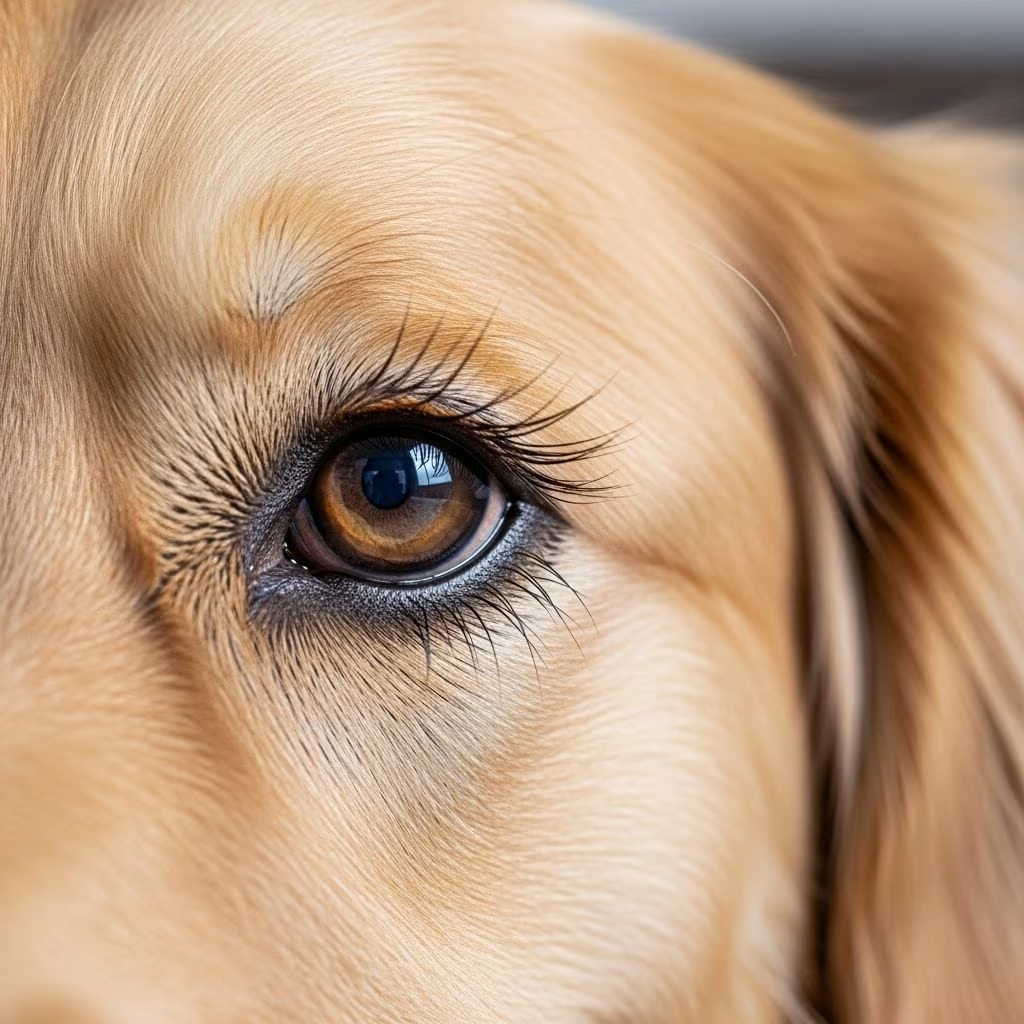
Abnormal eyelash growths like distichiasis and ectopic cilia can significantly impact a dog’s eye health, leading to discomfort, infections, and potential vision loss if untreated. These conditions involve misplaced hairs irritating the cornea, a sensitive eye surface, and are often genetic in nature.
Understanding Abnormal Eyelash Growths
Distichiasis occurs when extra eyelashes emerge from the wrong part of the eyelid, typically from meibomian gland openings along the eyelid margin. These hairs, known as distichia, may rub against the cornea, causing irritation. In contrast, ectopic cilia are rarer and more severe, featuring hairs that grow directly from the conjunctival surface inside the eyelid, often pointing toward the eye’s center.
Both conditions stem from developmental eyelid abnormalities present from birth, though symptoms might not appear until later. They frequently affect both eyes and are inherited in many breeds, making early detection crucial for prevention of complications.
Breeds Prone to These Eye Disorders
Certain dog breeds show higher susceptibility due to genetic predispositions. Common affected breeds include Shih Tzus, Lhasa Apsos, Pekingese, and Pugs, which have prominent eyes and facial structures that exacerbate irritation. Other breeds like English Bulldogs, Boston Terriers, and various spaniels also report cases frequently.
- Shih Tzu: High regrowth risk post-treatment.
- Lhasa Apso: Often bilateral cases.
- Pekingese: Prone to severe corneal issues.
- Pugs and Bulldogs: Brachycephalic structure worsens symptoms.
While any dog can develop these, purebreds with conformational traits like short noses face elevated risks. Mixed breeds may carry the genes recessively.
Recognizing the Signs of Trouble
Dogs with these conditions often display clear behavioral and physical cues. Initial symptoms include excessive tearing (epiphora), frequent blinking or squinting (blepharospasm), and redness around the eye. Owners might notice their pet pawing at the face or holding the eye shut.
Advanced signs point to corneal damage: ulcers appear as dull, bluish spots on the cornea, sometimes with discharge or cloudiness from scarring. Ectopic cilia typically cause acute pain due to direct corneal contact, often at the 12 o’clock position. Distichiasis symptoms vary; short, fine hairs might cause no issues, while longer ones lead to chronic irritation.
| Symptom | Distichiasis | Ectopic Cilia |
|---|---|---|
| Excessive Tearing | Common if irritating | Very common |
| Blepharospasm | Mild to moderate | Severe |
| Corneal Ulcers | Possible with regrowth | Frequent, central |
| Pawing at Eye | Occasional | Intense |
Untreated, these can progress to infections, scarring, or enucleation (eye removal) in extreme cases.
How Veterinarians Diagnose These Conditions
Diagnosis starts with a detailed eye exam under magnification. Vets use fluorescein dye to stain the cornea, highlighting ulcers as green under blue light. For painful cases, topical anesthetics allow closer inspection of eyelids, lashes, and glands.
Schirmer tear tests assess production, ruling out dry eye. Sedation might be needed for thorough checks. Ectopic cilia, being tiny, require slit-lamp biomicroscopy for visibility. Differential diagnoses include dry eye, entropion, or foreign bodies.
Treatment Options: From Temporary Relief to Permanent Fixes
Not all cases need intervention; asymptomatic distichia can be monitored. For mild irritation, ophthalmic lubricants coat the cornea, reducing friction. Manual plucking with forceps offers short-term relief but risks thicker regrowth every 4-6 weeks.
Surgical options provide lasting solutions under general anesthesia:
- Cryoepilation: Freezing follicles with liquid nitrogen probe; 85-90% effective post-3 years old, though puppies may need repeats.
- Electrocautery or Laser: Destroys follicles via heat or light.
- Surgical Excision: Removes affected eyelid sections for few hairs.
Post-op, antibiotics treat ulcers, pain meds ease discomfort, and e-collars prevent rubbing. Ectopic cilia nearly always require prompt surgery to avert ulcers.
Aftercare and Recovery Expectations
Recovery varies by procedure. Cryoepilation healing takes 2-4 weeks, with possible temporary swelling or light sensitivity. Follow-up exams check for regrowth or complications like scarring.
Owners should administer meds as prescribed, monitor for infection signs (worsening redness, pus), and restrict play. Prognosis is excellent with timely treatment; most dogs regain comfort and vision. Recurrence risks higher in young dogs or Shih Tzus.
Preventing Complications and Long-Term Management
Genetic screening in breeding programs reduces incidence. Routine vet eye checks catch issues early, especially in at-risk breeds. Maintain hygiene to prevent secondary infections.
For chronic cases, lifelong lubricants or periodic plucking manage symptoms. Avoid breeding affected dogs to curb heritability.
Frequently Asked Questions (FAQs)
Can distichiasis resolve without surgery?
Yes, if hairs don’t irritate; lubricants suffice for mild cases, but surgery prevents ulcers.
Is ectopic cilia painful for dogs?
Extremely so, due to direct corneal abrasion, often causing ulcers and blepharospasm.
What breeds need eye screening for these?
Brachycephalics like Shih Tzus, Pugs; breeders should test puppies at 6-8 weeks.
How successful is cryoepilation?
85-90% in adults; regrowth possible in pups, requiring re-treatment.
Can cats get ectopic cilia?
Very rare; primarily a canine issue.
References
References
- Ectopic Cilia or Eyelash Problems in Dogs — VCA Animal Hospitals. 2023. https://vcahospitals.com/know-your-pet/ectopic-cilia-or-eyelash-problems-in-dogs
- Distichia or Distichiasis in Dogs — VCA Animal Hospitals. 2023. https://vcahospitals.com/know-your-pet/distichia-or-distichiasis-in-dogs
- Distichiasis in Dogs — PetMD. 2024. https://www.petmd.com/dog/conditions/eyes/distichiasis-dogs
- Distichiasis: Guide to Signs, Diagnosis, & Treatment — Clinician’s Brief. 2023. https://www.cliniciansbrief.com/article/distichiasis
- Distichiasis and Ectopic Cilia in Dogs — Embrace Pet Insurance. 2024. https://www.embracepetinsurance.com/health/distichiasis-and-ectopic-cilia



