
External Ear Canal Inflammation in Companion Animals
Understanding causes, symptoms, and management strategies for ear canal disease in pets
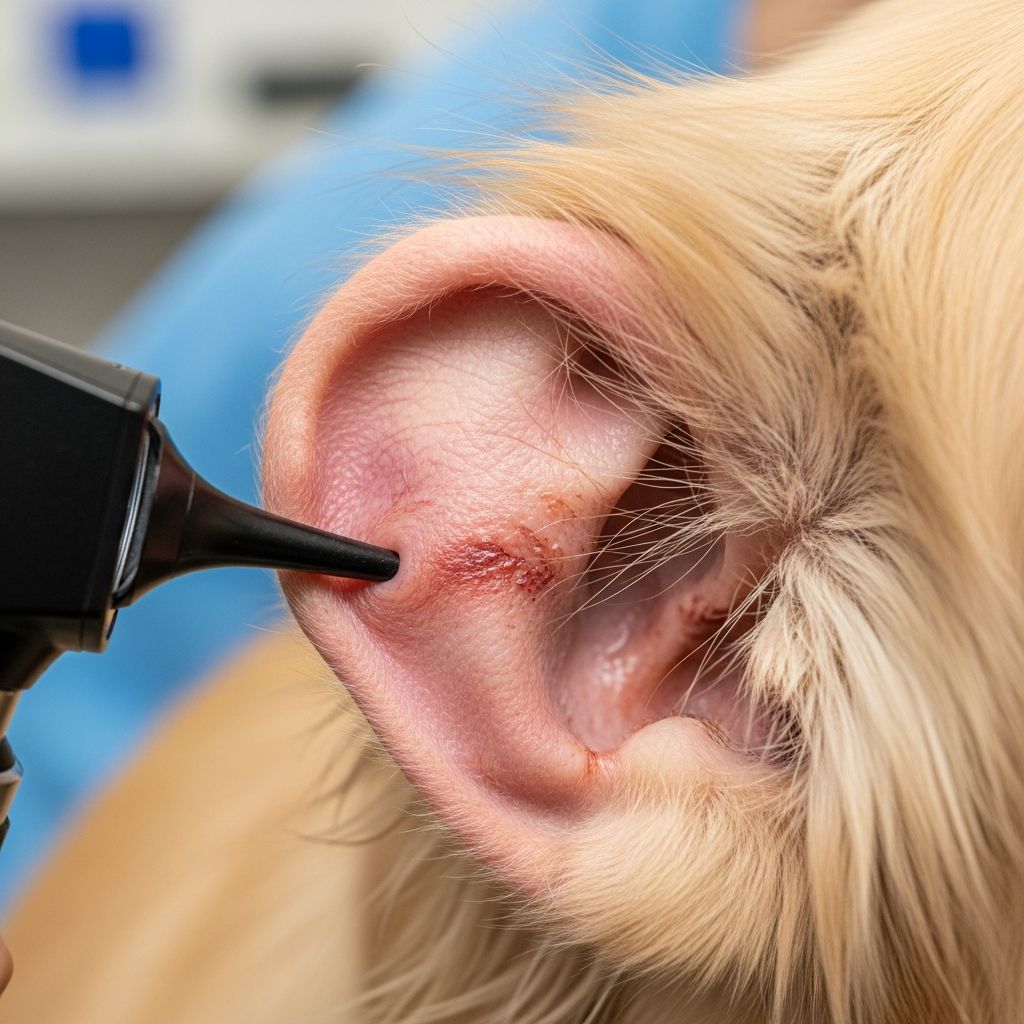
External ear canal inflammation, commonly referred to in veterinary medicine as a condition affecting the epithelial lining of the ear canal and surrounding auricular structures, ranks among the most frequently encountered complaints in small animal veterinary practice. This condition presents significant challenges for both veterinary professionals and pet owners, as it can range from mild, self-limiting episodes to severe, chronic disease requiring prolonged intervention. The anatomical structure of canine and feline ears—particularly the L-shaped configuration of the canal—creates unique susceptibilities to disease development, as this design impedes natural fluid drainage and creates an environment conducive to microbial proliferation and inflammatory processes.
Understanding the Fundamental Nature of the Condition
External ear canal inflammation involves an inflammatory response affecting the cellular lining of the external auditory canal, potentially extending to involve the auricular pinna and surrounding tissues. This inflammatory process may present as an acute episode with sudden onset or develop as a chronic, persistent condition characterized by recurrent flare-ups or continuous low-grade inflammation. The condition frequently affects one ear exclusively, though bilateral involvement occurs regularly in clinical practice.
The prevalence of this condition underscores its clinical significance. Certain dog breeds demonstrate marked predisposition, particularly those with concurrent skin disease, allergic conditions, or anatomical features that compromise ear canal ventilation and drainage. Retrievers and bulldogs represent classic examples of breeds presenting with higher incidence rates, though the condition occurs across all canine populations and in feline patients, albeit less frequently.
Etiological Factors and Underlying Causes
The pathogenesis of external ear canal inflammation typically involves multiple contributing factors rather than a single causative agent. Understanding these underlying causes proves essential for developing effective long-term management strategies and preventing disease recurrence.
Primary Causal Mechanisms
- Allergic Disease: Environmental and food-based allergies represent the most common precipitating factors, with allergic responses triggering inflammation that compromises the protective barrier function of the ear canal epithelium.
- Parasitic Infestation: External parasites, particularly mites, establish within the ear canal and provoke inflammatory responses through direct tissue damage and allergenic mechanisms.
- Foreign Material Impaction: Grass awns, debris, and other foreign objects penetrate the canal, causing mechanical irritation and creating environments where secondary infections develop.
- Moisture Accumulation: Water entering the ear canal during bathing, swimming, or humid environmental conditions creates ideal conditions for microbial proliferation.
- Primary Dermatological Disease: Systemic skin conditions extend to involve the ear canal epithelium, perpetuating inflammation and secondary complications.
- Systemic Health Conditions: Endocrine disorders and other systemic diseases contribute to immune dysfunction and altered epithelial integrity.
The distinction between primary, predisposing, and perpetuating factors remains crucial in clinical practice. Primary factors initiate the inflammatory process, predisposing factors establish conditions favoring disease development, and perpetuating factors sustain inflammation once initiated. Successful treatment requires identification and management of all three categories to achieve lasting resolution.
Clinical Presentation and Observable Signs
Pet owners typically seek veterinary attention when they recognize behavioral changes or physical evidence suggesting ear disease. The spectrum of clinical manifestations varies based on disease duration, severity, and underlying etiology.
Behavioral and Observable Indicators
- Frequent head shaking or repeated tilting of the head toward the affected ear
- Visible discomfort when ears are touched, handled, or during otoscopic examination
- Scratching, pawing, or rubbing ears against furniture or flooring
- Increased vocalization or behavioral changes associated with pain
- Reluctance to have ears cleaned or examined
Physical Examination Findings
- Olfactory Changes: Malodorous discharge with characteristic yeasty or putrid odors indicating specific microbial populations
- Dermatological Changes: Erythema or redness of the canal epithelium and auricular skin, with varying degrees of intensity
- Tissue Damage: Ulceration of canal tissues or erosive changes in advanced cases
- Edema and Swelling: Expansion of canal tissues from inflammatory infiltration, potentially compromising visualization and treatment access
- Abnormal Discharge: Ceruminous buildup, purulent exudate, or hemorrhagic material within the canal
- Stenosis: In chronic cases, fibrosis and narrowing of the canal lumen reducing accessibility for treatment
The severity and combination of clinical signs frequently correlate with disease chronicity and the degree of secondary microbial colonization. Chronic disease often presents with more pronounced tissue changes, including permanent structural alterations that may compromise long-term treatment outcomes.
Diagnostic Evaluation and Assessment Strategies
Accurate diagnosis extends beyond observing clinical signs and requires systematic evaluation combining patient history, physical examination, and targeted diagnostic testing.
Otoscopic Examination
Direct visualization of the ear canal using an otoscope provides crucial information regarding canal anatomy, tissue condition, and presence of foreign material. This examination permits identification of impacted cerumen, discharge characteristics, infectious agents (particularly parasites), inflammatory tissue changes, and assessment of tympanic membrane integrity. In cases where pain or canal obstruction prevents adequate visualization, sedation or general anesthesia may be necessary to perform thorough examination and implement appropriate therapeutic interventions.
Cytological Analysis
Microscopic examination of material obtained from the ear canal represents a rapid, cost-effective diagnostic tool that confirms presence of infection and quantifies inflammatory severity. Using Diff-Quik staining or similar rapid staining methods, cytology identifies bacterial cocci, rods, yeast organisms, and inflammatory cell populations, guiding selection of appropriate antimicrobial therapy. This in-house diagnostic capability proves particularly valuable for initial assessment and monitoring treatment response during follow-up evaluations.
Bacterial and Fungal Cultures
While not universally required for straightforward cases, culture and sensitivity testing becomes essential when systemic antimicrobial therapy is contemplated, when initial treatment fails to produce expected improvement, or when otitis media is suspected to extend beyond the external canal. Culture results guide antimicrobial selection for resistant organisms and ensure appropriate duration of therapy.
Advanced Imaging
Radiographic imaging and computed tomography scanning provide assessment of mineralization of cartilaginous structures, bone destruction in the middle ear, and soft tissue defects that may necessitate surgical intervention. These modalities prove particularly valuable in evaluating chronic cases with suspected structural damage or middle ear involvement.
Treatment Protocols and Management Approaches
Successful treatment requires comprehensive management addressing both the inflammatory process and any identified underlying causes. A multimodal approach combining topical therapy, systemic medications, and environmental management produces optimal outcomes.
Pre-Treatment Preparation
Prior to initiating topical therapy, careful preparation of the ear canal enhances treatment efficacy and allows superior visualization of underlying tissues. Clipping fur from the external ear area and carefully removing hair from the canal opening improves access and cleaning effectiveness. Thorough cleansing removes ceruminous debris and exudative material that can impede medication penetration and protect bacterial colonies from antimicrobial action through biofilm formation. This preparatory step proves absolutely essential for successful therapeutic outcomes.
Topical Therapeutic Interventions
Topical therapy constitutes the mainstay treatment for most cases of external ear canal inflammation, as direct application delivers high medication concentrations to affected tissues while minimizing systemic exposure. Topical formulations typically combine antimicrobial agents (antibiotics and/or antifungals) with anti-inflammatory medications, often incorporating corticosteroids or other agents targeting inflammatory processes.
Proper application technique requires owner education to ensure medication reaches all affected canal surfaces. Gentle massage of the canal after medication installation helps distribute therapeutic agents throughout affected areas. Pet owners should follow veterinary-prescribed application schedules precisely, as compliance significantly impacts treatment success.
Systemic Therapy
Oral antimicrobial and anti-inflammatory medications complement topical treatment in many cases, particularly when systemic effects prove necessary. Anti-inflammatory therapy, often instituted regardless of specific causative agent, addresses the underlying inflammatory component affecting most cases. Oral antibiotics become necessary when otitis media is present, when systemic spread is suspected, or when topical treatment proves inadequate for canal-only disease.
Management of Underlying Conditions
Long-term disease resolution requires identification and management of primary causative factors. For allergic disease, this may involve dietary modification, environmental controls, or specific immunotherapeutic approaches. Parasitic infestations necessitate comprehensive parasite control protocols. Systemic skin disease requires appropriate dermatological management. This foundational approach to underlying causes proves absolutely essential for preventing recurrent episodes.
Monitoring Response and Follow-Up Evaluation
Follow-up examinations represent the most critical aspect of treatment success, allowing veterinarians to assess therapeutic response, identify treatment failures early, and adjust approaches as needed. Regular reevaluation through otoscopic examination and cytological analysis documents improvement in inflammation and microbial burden. Treatment duration frequently extends several weeks to months, requiring patient owner patience and continued compliance even when clinical signs appear to resolve.
Treatment failure or inadequate response warrants reconsideration of diagnosis, evaluation for otitis media, and possible referral to veterinary dermatologists who can provide advanced diagnostic techniques including video-otoscopic evaluation and specialized deep ear treatments.
Prevention and Long-Term Maintenance Strategies
Preventing disease development and recurrence requires consistent implementation of multiple preventive measures and ongoing monitoring.
Home Ear Care Practices
- Regular Inspection: Frequent visual assessment of ear canal appearance, noting any color changes, unusual moisture, temperature variations, or odorous discharge
- Appropriate Cleansing: Weekly or twice-weekly ear cleaning with veterinarian-approved cleansers specifically formulated for animal use, avoiding home remedies containing vinegar or witch hazel that may alter ear canal pH and cause irritation
- Moisture Management: Thorough drying of ear canals following bathing, swimming, or exposure to moisture, with particular attention in dogs predisposed to ear disease
- Grooming Attention: Regular grooming to prevent matting and moisture retention, particularly in breeds with long or floppy ears that compromise ventilation
Professional Preventive Care
Routine veterinary examination includes thorough ear assessment permitting early detection of mild disease before progression to chronic conditions. Professional ear cleaning during veterinary visits supplements home care and removes accumulated debris that may not be accessible through routine home maintenance. Early detection and intervention when disease is mild proves far more effective than managing advanced, chronic cases.
Allergy and Underlying Disease Management
Managing concurrent allergies and systemic health conditions through appropriate veterinary care prevents inflammation that precipitates external ear canal disease. This may involve dietary modification, environmental allergen reduction, antihistamine administration, or immunotherapeutic approaches depending on individual patient circumstances.
Advanced Complications and Referral Considerations
Chronic or recurrent disease may progress to involve deeper ear structures and develop permanent changes compromising hearing and quality of life. Dogs presenting with recurrent episodes or chronic disease that fails to respond to conventional therapy warrant evaluation by veterinary dermatologists offering advanced diagnostic capabilities and specialized treatment options. Video-otoscopic evaluation, myringotomy sampling, and medicated infusions administered under professional supervision can prevent long-term complications including hearing loss and end-stage ear disease requiring surgical intervention.
Client Education and Realistic Expectations
Successful treatment outcomes depend substantially on owner understanding of disease nature, treatment duration, and commitment to prescribed protocols. Client education regarding the chronic nature of allergic disease, the necessity for ongoing preventive measures, and realistic timelines for disease resolution enhances compliance and treatment success. Education addressing proper cleaning technique, correct medication application, and recognition of warning signs enables owners to actively participate in disease management and seek timely veterinary care when needed.
References
- Canine Otitis Externa in Dogs: Prevalence, Symptoms, and Care — Merck Animal Health. 2024. https://www.merck-animal-health.com/news-and-insights/featured-stories/canine-otitis-externa-in-dogs-prevalence-symptoms-and-care/
- Otitis Externa in Animals — Neighborhood Veterinary Clinic. 2024. https://www.neighborhoodvetclinic.com/otitis-externa-in-animals/
- Canine otitis externa — Treatment and complications — National Center for Biotechnology Information (NIH/PMC). 2018. https://pmc.ncbi.nlm.nih.gov/articles/PMC6294027/
- Ear Infections and Otitis Externa in Dogs — MSD Veterinary Manual. 2024. https://www.msdvetmanual.com/dog-owners/ear-disorders-of-dogs/ear-infections-and-otitis-externa-in-dogs
- Treating Otitis Externa in Dogs — Today’s Veterinary Practice. 2023. https://todaysveterinarypractice.com/dermatology/treating-otitis-externa-in-dogs/
- Otitis Externa — American College of Veterinary Surgeons. 2024. https://www.acvs.org/small-animal/otitis-externa/
Similar Articles








Read full bio of medha deb


