

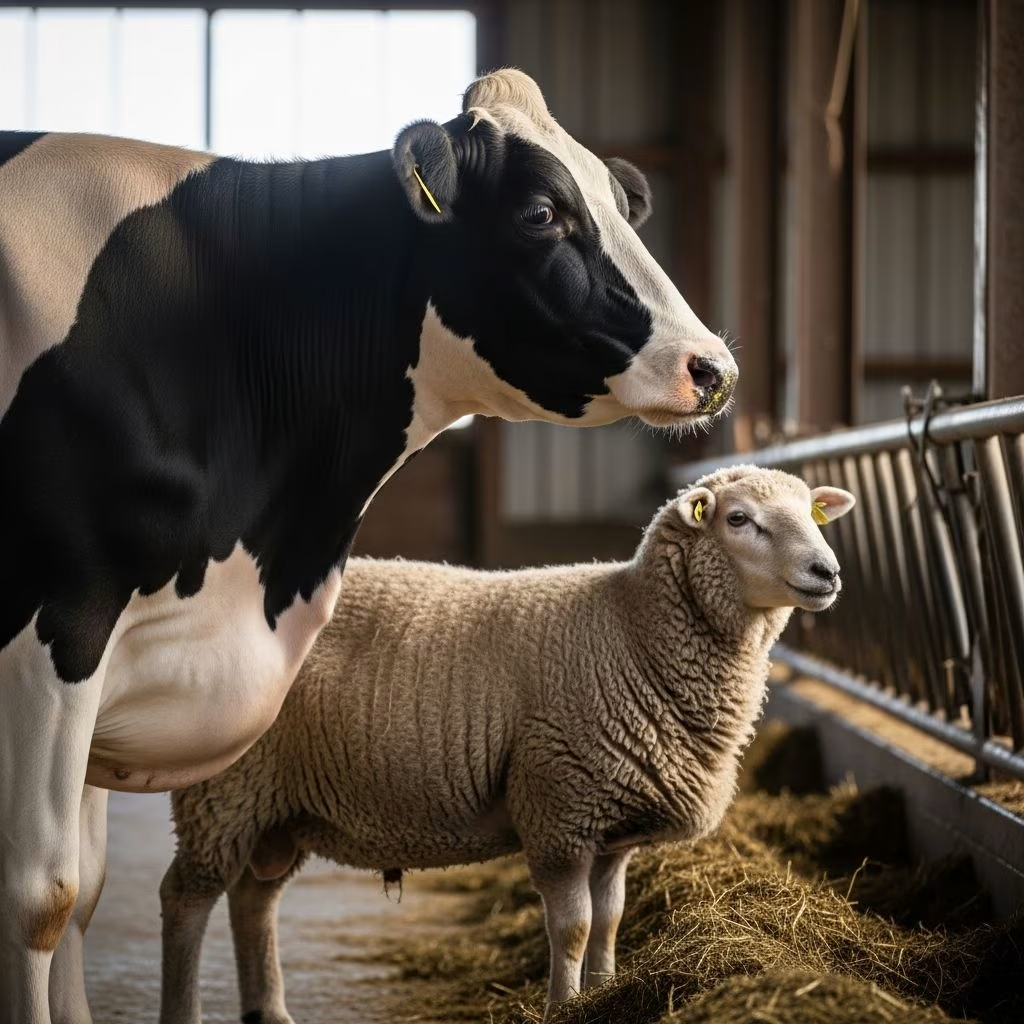
In livestock farming, timely birthing is crucial for animal health and productivity. However, prolonged gestation in cattle and sheep can occur due to fetal deformities, leading to oversized offspring, difficult deliveries, and high mortality rates. These conditions often stem from genetic anomalies, endocrine disruptions, infectious agents, or environmental toxins, disrupting the normal hormonal signals that trigger labor.
Understanding the Basics of Gestation Length in Ruminants
Cattle typically carry pregnancies for about 280 days, while sheep gestate around 147 days. Extensions beyond these norms—sometimes by weeks or months—signal underlying problems. The fetal pituitary-adrenal axis plays a pivotal role: the fetus produces adrenocorticotropic hormone (ACTH), stimulating adrenal cortisol release, which matures lungs, promotes cervical softening, and initiates parturition. When this axis fails, gestation drags on, often until the fetus outgrows its placental supply, causing death and potential dystocia.
Genetic Causes of Fetal Endocrine Failures
Genetic mutations frequently underlie prolonged pregnancies by impairing fetal endocrine glands. In cattle, particularly breeds like Holstein-Friesian, Ayrshire, Guernsey, and Jersey, recessive genes cause pituitary aplasia or hypoplasia. Fetuses stop growing around 6-7 months, remaining small despite extended time in utero. Birth requires intervention as spontaneous labor fails, and calves often arrive dead with craniofacial malformations.
Multiple skeletal deformities accompany pituitary issues in Hereford cattle, including arthrogryposis (joint contractures), torticollis (wry neck), kyphosis, scoliosis, and cleft palate. These calves exhibit profound hypoplasia of pituitary and adrenal glands, weighing 48-80 kg at birth after gestations prolonged 21-150 days. Abdominal distension from fluid accumulation precedes poor cervical dilation and inevitable dystocia.
Adrenal hypoplasia, another autosomal recessive trait in Holstein-Friesians, prevents corticosteroid production in response to ACTH. Fetuses grow excessively until placental insufficiency sets in. Similar pituitary-adrenal combos appear in Swedish breeds, emphasizing breed predispositions.
Viral Infections Disrupting Fetal Development
Viruses targeting the fetal brain and endocrine system can extend gestation indirectly by compromising pituitary function. Bovine viral diarrhea virus (BVDV) causes cerebellar hypoplasia, anencephaly, and hydrocephaly. Exposure at 105-174 days risks hydranencephaly and arthrogryposis, filling cranial cavities with fluid and shrinking brainstems.
Bluetongue virus, insect-vectored across continents, induces hydranencephaly in early-exposed bovine fetuses (60-120 days). Later infections yield milder CNS defects but still prolong gestation occasionally. In sheep, border disease virus (pestivirus) leads to ‘hairy shaker’ lambs with brain and coat anomalies, pituitary compromise extending pregnancy. Rift Valley fever vaccine in ewes has caused gestations over 200 days, with lambs showing brain defects, skeletal issues, and hydrops amnion, sometimes triggering maternal ketosis.
Toxic Plants Inducing Deformities and Delays
Certain plants harbor teratogens that deform fetuses and block parturition signals when grazed, especially in early or late pregnancy. In sheep, Salsola tuberculatiformis (cauliflower saltwort) atrophies pituitary, adrenal, and thyroid glands, extending gestation beyond 220 days. Lambs suffer cleft palates, impairing amniotic fluid swallowing, leading to excessive fluid buildup, fetal overgrowth, and maternal prepubic tendon rupture.
Other weeds like those containing lupin alkaloids or pine needle toxins in cattle similarly disrupt development, though less commonly documented. Experimental feeding confirms these effects, underscoring pasture management.
Recognizing Clinical Signs in Herds
- Overdue Pregnancies: Cows or ewes passing normal due dates without labor signs.
- Abdominal Distension: Pronounced udder and belly growth from fluid or oversized fetuses.
- Maternal Distress: Restlessness, ketosis signs like sweet breath, or reluctance to move.
- Dystocia Indicators: Straining without progress, poor cervical dilation.
Farmers note affected dams often carry singles or multiples with genetic loads. Post-delivery, examine fetuses for small size, skeletal twists, or missing brain tissue.
Diagnostic Approaches for Prolonged Gestation
Diagnosis combines history, ultrasound, and necropsy. Rectal palpation reveals oversized fetuses or fluid excess. Ultrasonography detects hydrocephaly or arthrogryposis. Blood tests for maternal ketones flag secondary toxemia. Necropsy confirms gland hypoplasia, viral antigens, or toxin residues. Genetic screening in breeds like Holsteins identifies carriers.
| Diagnostic Tool | What It Reveals | Application |
|---|---|---|
| Ultrasound | Fetal size, fluid volume, CNS defects | Non-invasive, late pregnancy |
| Rectal Exam | Cervical status, fetal position | Experienced vets only |
| Necropsy | Gland atrophy, skeletal anomalies | Post-mortem confirmation |
| Genetic Tests | Recessive carriers | Breeding stock screening |
Management and Intervention Strategies
Once prolonged gestation is suspected, act swiftly. Exogenous corticosteroids mimic fetal signals, inducing labor if placentas respond. Cesarean sections salvage viable fetuses in severe dystocia. For clones or high-risk herds, prepartum steroids boost lung maturity. Supportive care includes glucose drips for ketotic dams and monitoring for secondary infections.
Prevention Through Breeding and Husbandry
Select against recessive traits via pedigree analysis and DNA tests in susceptible breeds. Vaccinate strategically against BVDV, bluetongue, avoiding mid-pregnancy for Rift Valley fever. Scout pastures for toxic plants, especially in drought when weeds proliferate. Balance nutrition to avoid obesity or underfeeding, reducing toxemia risk—a common late-gestation woe in multiples.
Separate high-risk ewes (twins/triplets) for energy-dense feeds, small frequent meals, and stress minimization. Body condition scoring prevents under- or over-fat dams.
Secondary Complications: Pregnancy Toxemia
Extended pregnancies heighten toxemia risk, a metabolic crash from fetal glucose demands outstripping maternal supply. Ewes show anorexia, depression, staggering, sweet breath, teeth grinding, and recumbency. Early signs: isolation, reduced rumination, dull coat. Hypoglycemia, ketosis, and lipemia ensue, often fatal without intervention.
In cows, similar dullness, isolation, and liver degeneration occur. Treatment: propylene glycol drenches, calcium borogluconate, and insulin if needed. Prevention trumps cure.
Case Studies from Field Reports
In a Holstein herd, 150-day extensions yielded 70kg calves with pituitary absence, necessitating C-sections. Ewes grazing Salsola produced 220+ day lambs with hydrops, rupturing tendons. BVDV outbreaks in beef herds caused sporadic hydranencephaly prolongations. These highlight vigilance rewards.
Future Research Directions
Genomic mapping promises carrier culling. Antiviral advancements and toxin antidotes loom. AI-driven herd monitoring could flag risks early. Collaborative vet-farmer data will refine protocols.
Frequently Asked Questions (FAQs)
What causes the longest gestations in cattle?
Pituitary-adrenal hypoplasia from recessive genes, extending up to 150 days.
Can viral vaccines prolong sheep pregnancy?
Yes, Rift Valley fever attenuated vaccines have caused over 200-day gestations with lamb defects.
How do toxic plants affect fetuses?
They induce gland atrophy and swallowing defects, amassing fluids and delaying birth.
Is pregnancy toxemia linked to extended gestation?
Indirectly; large fetuses exacerbate energy deficits, triggering ketosis.
What breeds are most at risk?
Holstein-Friesian, Ayrshire for endocrine issues; Herefords for skeletal types.
References
- Prolonged Gestation Associated with Fetal Deformity in Cattle and Sheep — MSD Veterinary Manual. 2023. https://www.msdvetmanual.com/reproductive-system/prolonged-gestation-in-cattle-and-sheep/prolonged-gestation-associated-with-fetal-deformity-in-cattle-and-sheep
- Pregnancy Toxemia/Ketosis in Sheep: Causes, Signs, and Treatment — FarmKeep. 2024. https://www.farmkeep.com/farm-guides/health/pregnancy-toxemia-in-sheep
- Pregnancy toxaemia in cows — Agriculture Victoria (government). 2023. https://agriculture.vic.gov.au/livestock-and-animals/beef/breeding/pregnancy-toxaemia-in-cows
- Pregnancy Toxemia (pregnancy disease, twin lamb disease…) — Sheep Extension (academic). 2022. https://sheep.extension.org/pregnancy-toxemia-pregnancy-disease-twin-lamb-disease-lambing-paralysis-ketosis/
- Pregnancy Toxemia in Ewes: A Review of Molecular Metabolic… — PMC (PubMed Central, peer-reviewed). 2023-02-15. https://pmc.ncbi.nlm.nih.gov/articles/PMC9961611/
- Pregnancy Toxemia in Sheep and Goats — Merck Veterinary Manual. 2024. https://www.merckvetmanual.com/metabolic-disorders/hepatic-lipidosis/pregnancy-toxemia-in-sheep-and-goats
- Keep pregnancy toxemia on the radar — Oklahoma State University (academic). 2019-10-01. https://news.okstate.edu/articles/communications/2019/keep_pregnancy_toxemia_on_the_radar.html



