

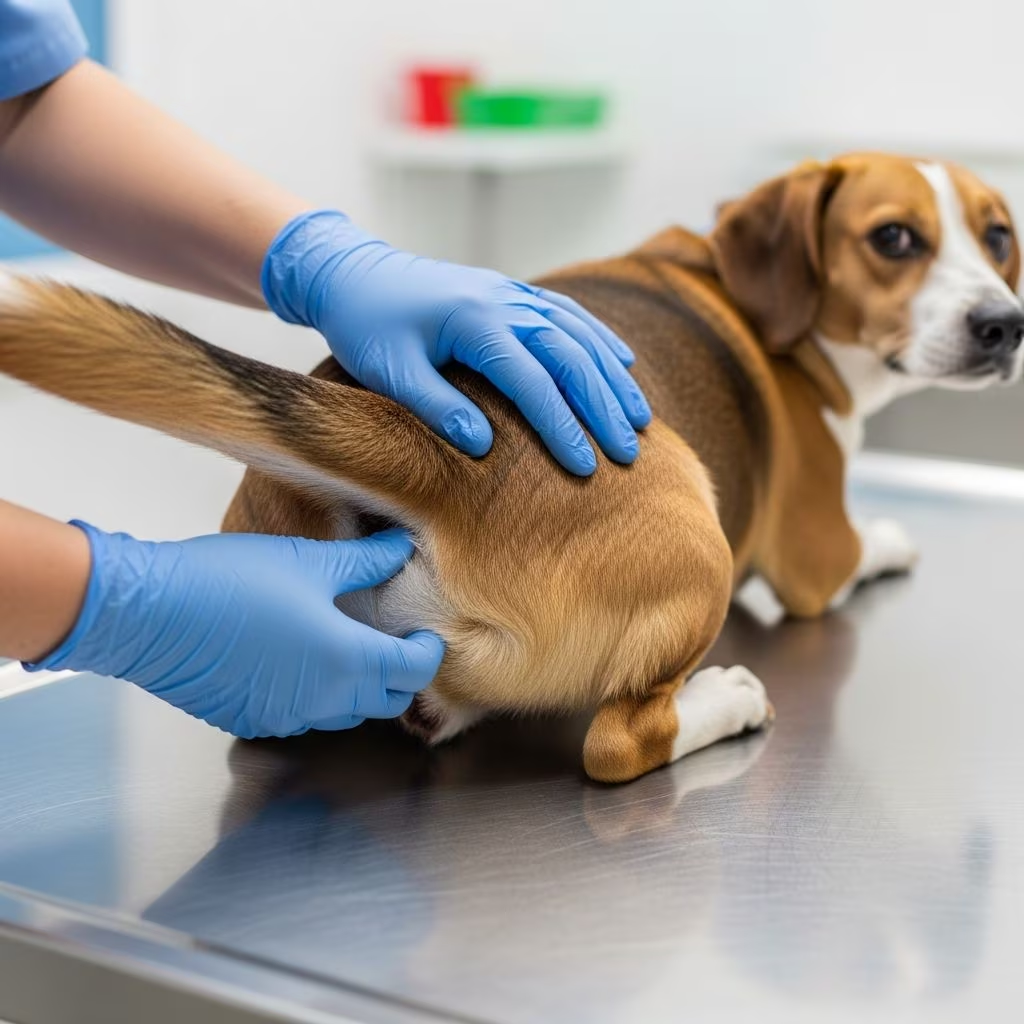
Dog anal glands, also known as anal sacs, are small pouches located on either side of a dog’s anus. These glands naturally express a pungent, fishy-smelling fluid during bowel movements, helping dogs mark territory and communicate. However, issues arise when they fail to empty properly, leading to discomfort and health problems. Understanding how to recognize, express, and prevent anal gland issues is crucial for dog owners to maintain their pet’s well-being.
What Are Dog Anal Glands?
Anal glands are paired sacs positioned at the 4 o’clock and 8 o’clock positions around a dog’s anus, just beneath the skin. They produce a thick, oily secretion unique to each dog, serving as an identifier similar to fingerprints in humans. In healthy dogs, firm stools naturally squeeze these glands during defecation, releasing the fluid onto the stool.
Problems occur more frequently in small breeds, overweight dogs, or those with soft stools, as these factors hinder natural expression. Larger breeds can also be affected, though less commonly. Left unaddressed, blocked glands can lead to impaction, infection, abscesses, or even rare cases of anal sac adenocarcinoma.
Signs Your Dog Needs Anal Glands Expressed
Recognizing symptoms early prevents escalation. Common indicators include:
- Scooting: Dragging the rear across floors or carpets to relieve pressure.
- Excessive licking or chewing: Constant attention to the anal area due to irritation.
- Foul fishy odor: Noticeable smell from unexpressed fluid.
- Swelling or redness: Visible inflammation around the anus.
- Straining to defecate: Difficulty or pain during bowel movements (dyschezia).
- Reluctance to sit: Avoiding pressure on the hindquarters.
- Tail chasing or irritability: Behavioral changes from discomfort.
In severe cases, dogs may whimper, become lethargic, or show bloody/pus discharge, signaling infection or abscess. Small breeds like Chihuahuas and Dachshunds are predisposed, but any dog can suffer. If symptoms persist beyond 24 hours, consult a vet immediately.
Should You Express Your Dog’s Anal Glands at Home?
Not all dogs require manual expression; many empty naturally. Routine expressing without need can irritate glands, worsening issues. Vets recommend it only for symptomatic dogs, ideally every 4-6 weeks if recurrent.
Professionals (vets or groomers) perform it safest via internal method, but owners can learn external expression for mild cases. Home expression suits confident owners with trained dogs; otherwise, seek professional help to avoid injury.
How to Express Dog Anal Glands at Home
Follow these steps for safe external expression. Have treats ready for positive reinforcement.
- Prepare: Wear gloves. Position dog standing or on side. Use paper towels for cleanup.
- Locate glands: Feel for small sacs at 4 and 8 o’clock positions, 1-2 cm from anus.
- Express: Place thumb and forefinger on outer sides. Gently squeeze inward and upward toward anus. Fluid (yellow-brown, pasty) should release.
- Clean up: Wipe area. Praise and reward dog.
- Check fluid: Normal is tan/yellow; thick green/brown indicates infection—see vet.
Video demonstration: Techniques mirror vet-recommended methods, emphasizing gentleness. Never force if no fluid emerges; impaction requires professional care.
| Normal Fluid | Problematic Fluid |
|---|---|
| Thin, tan/yellow, fishy smell | Thick, green/white, bloody, pus-like |
| Expresses easily | Doesn’t release, painful |
Practice on a calm dog. If unsuccessful or painful, stop and visit vet.
Anal Gland Problems and Treatments
Issues range from impaction to serious conditions:
- Impaction: Blockage thickens fluid; treat with expression and fiber-rich diet.
- Infection: Bacteria cause swelling; antibiotics (e.g., clavamox) and anti-inflammatories needed.
- Abscess: Pus-filled sac may rupture; requires flushing, antibiotics, pain relief, cone collar.
- Recurrent disease: Investigate allergies, obesity; surgery as last resort.
Vets diagnose via rectal exam, cytology, or culture. Most resolve with expression ± meds; cancer cases need oncology.
Prevention Tips for Healthy Anal Glands
Proactive steps reduce recurrence:
- Dietary fiber: Add pumpkin, sweet potatoes, or supplements for bulky stools.
- Exercise: Promotes firm stools and gland expression.
- Weight management: Obesity softens stools.
- Probiotics: Support gut health for consistent bowels.
- Routine checks: During grooming or vet visits.
Avoid over-expression. High-fiber foods like pumpkin aid natural emptying.
When to See a Vet for Anal Gland Issues
Seek immediate care for:
- Pus, blood, fever, lethargy.
- Non-resolving scooting post-expression.
- Ruptured abscess (draining wound).
- Frequent issues despite prevention.
Untreated problems lead to chronic pain, fistulas, or surgery. Vets may flush internally or prescribe topicals like hydrocortisone sprays.
Frequently Asked Questions (FAQs)
Do all dogs need their anal glands expressed?
No, many express naturally. Only if symptomatic.
How often should dog anal glands be expressed?
Varies: some never, others every few weeks. Vet determines.
Is anal gland expression painful for dogs?
Mild discomfort possible; gentle technique minimizes it.
Can diet help with dog anal glands?
Yes, fiber bulks stools for natural expression.
What breeds are prone to anal gland problems?
Small breeds like Chihuahuas, but any can be affected.
Can anal gland issues cause serious health problems?
Yes, untreated leads to infections, abscesses, rarely cancer.
This guide empowers owners to manage anal glands effectively, but professional veterinary advice is irreplaceable for persistent issues.
References
- Anal Gland Issues in Dogs: What to Be Aware of — Partners Animal Hospital West Loop. 2023-10-15. https://partnersvetwl.com/?p=4885
- Dog Anal Glands: Common Problems, Treatment, and Prevention — PetMD. 2024-05-20. https://www.petmd.com/dog/general-health/dog-anal-glands
- Dog’s anal glands: Common problems & treatment — Pooch & Mutt. 2023-08-12. https://www.poochandmutt.co.uk/blogs/health/dogs-anal-glands-common-problems-treatment
- When (And Why) Do Dogs Need Their Anal Glands Expressed? — GoodRx. 2024-02-10. https://www.goodrx.com/pet-health/dog/do-dogs-need-anal-glands-expressed
- Dog Anal Gland Infection: How Serious Is It? — GSVS. 2023-11-05. https://gsvs.org/blog/dog-anal-gland-infection-emergency/
- Anal Sac Disease in Dogs — VCA Animal Hospitals. 2024-01-08. https://vcahospitals.com/know-your-pet/anal-sac-disease-in-dogs
- How to Express Dog’s Anal Glands — YouTube (Dr. James Bascharon). 2022-06-15. https://www.youtube.com/watch?v=VXpIYcWpkBo



