

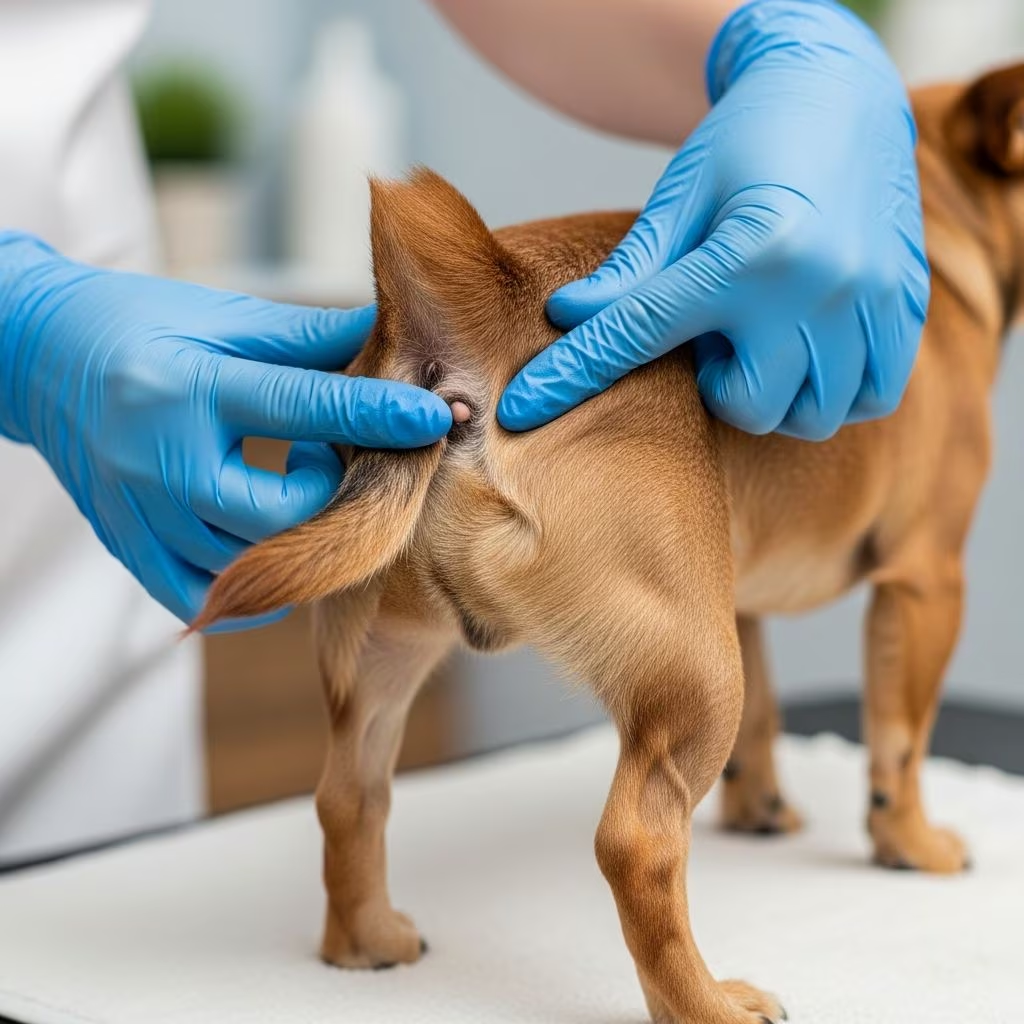
Dog anal glands, also known as anal sacs, are small pouches located on either side of a dog’s anus. These glands naturally express a pungent fluid during bowel movements, helping dogs communicate and mark territory. However, when they fail to empty properly, issues like impaction, infection, or abscesses can arise, causing discomfort for your pet. Understanding how to express dog anal glands is crucial for pet owners to maintain their dog’s health and comfort.
Most dogs express their anal glands naturally through firm stools that provide the necessary pressure during defecation. Problems are more common in small breeds, overweight dogs, or those with soft stools, but any dog can be affected. Early intervention prevents escalation to painful conditions requiring veterinary care.
What Are Dog Anal Glands?
Dog anal glands are paired sacs positioned at the 4 o’clock and 8 o’clock positions around the anus, just inside the sphincter. They produce a thick, oily, fishy-smelling secretion unique to each dog, used for scent marking. In healthy dogs, these glands empty automatically when the dog defecates, as the pressure from passing stool squeezes the fluid out through tiny ducts.
Issues occur when glands become impacted—fluid thickens and builds up—or infected, leading to swelling and pain. Factors like poor diet, obesity, allergies, or anatomical abnormalities contribute to dysfunction. Small breeds such as Chihuahuas, Dachshunds, and Poodles are predisposed due to weaker sphincter tone, but larger dogs can suffer too.
Signs Your Dog Needs Anal Glands Expressed
Recognizing symptoms early allows for prompt relief. Common signs include:
- Scooting: Dragging the rear across floors or carpets to relieve irritation.
- Excessive licking or chewing: Constant attention to the anal area.
- Foul fishy odor: Noticeable smell from the hindquarters.
- Swelling or redness: Visible inflammation around the anus.
- Straining to defecate: Difficulty or pain during bowel movements (dyschezia).
- Behavioral changes: Irritability, reluctance to sit, tail chasing, lethargy, or whimpering.
If untreated, impactions can lead to infections or abscesses, causing pus discharge, fever, and severe pain. A ruptured abscess results in bloody or greenish pus draining from fistulas, demanding immediate veterinary attention.
Should You Express Your Dog’s Anal Glands?
Not all dogs need routine expression; many manage naturally. Routine manual emptying is controversial—over-expression can weaken sphincter muscles, worsening problems long-term. Vets recommend addressing symptoms only, not preventive squeezing. Consult your vet first, especially for beginners, as improper technique risks injury.
Professionals like vets or groomers perform expressions safely. Home expression suits owners of dogs with recurrent mild issues, after training. Frequency varies: some dogs need it every few weeks, others rarely.
How to Express Dog Anal Glands: Step-by-Step Guide
Expressing anal glands requires patience, gloves, and a calm environment. Two methods exist: external and internal. Start with external for milder cases.
External Expression Method
- Position your dog standing or lying on its side. Have a helper hold if needed.
- Put on gloves and place a paper towel behind the anus to catch fluid.
- Locate glands: Feel for small bulges at 4 and 8 o’clock positions outside the anus.
- Gently squeeze the glands together with thumb and forefinger, like pinching.
- A brown, smelly fluid should release. Repeat for both sides. Praise and reward your dog.
If no fluid appears or it’s thick/chunky, stop and see a vet—impaction may require internal expression.
Internal Expression Method (Advanced)
This mimics veterinary technique but should be learned from a pro first.
- Lubricate a gloved finger with KY jelly.
- Insert index finger 1-2 inches into the rectum, palm up.
- Hook finger to press gland contents downward and outward through ducts.
- Milk gently until empty. Expect mess—use towels.
Video tutorials from vets demonstrate proper form. Practice on a calm dog; sedate anxious ones only under vet guidance.
Treatment for Anal Gland Problems
Treatment depends on severity:
- Impaction: Manual expression provides immediate relief.
- Infection: Antibiotics (e.g., Clavamox) and anti-inflammatories (e.g., carprofen). Topical sprays with hydrocortisone soothe.
- Abscess: Drainage, flushing, antibiotics; e-collars prevent licking.
- Chronic cases: Surgery to remove sacs as last resort.
Diagnosis involves rectal exam, possibly cytology or culture. Cancer, rare, requires oncology consult.
Preventing Anal Gland Issues in Dogs
Proactive steps reduce recurrence:
- Dietary fiber boost: Add pumpkin, sweet potatoes, or high-fiber kibble for firmer stools. Fiber aids natural expression.
- Weight management: Obesity weakens sphincters; maintain ideal body condition.
- Exercise: Promotes regular, firm bowel movements.
- Hydration and probiotics: Support gut health.
| Preventive Food | Benefits | Serving Suggestion |
|---|---|---|
| Pumpkin | Fiber for stool firmness | 1-2 tbsp daily |
| Sweet Potato | Natural fiber source | Cooked, mashed |
| Green Beans | Low-cal bulk | Steamed |
| Psyllium Husk | Soluble fiber supplement | 1 tsp mixed in food |
Regular vet check-ups catch issues early. Avoid over-bathing, which dries skin and irritates glands.
Frequently Asked Questions (FAQs)
Q: How often should I express my dog’s anal glands?
A: Only when symptomatic; many dogs never need it. Frequency varies—every 4-6 weeks for prone dogs, per vet advice.
Q: Is it safe to express anal glands at home?
A: Yes, if trained properly. External method suits most; internal requires experience to avoid tears.
Q: What does infected anal gland look like?
A: Red, swollen, hot area; thick, colored discharge; severe pain and odor.
Q: Can diet fix anal gland problems?
A: High-fiber diets promote natural emptying, reducing issues significantly.
Q: When to rush to vet for anal glands?
A: If swelling, pus, fever, refusal to sit/eat, or ruptured abscess.
Q: Do all dogs have anal gland problems?
A: No, more common in small breeds, but prevention helps all.
References
- Anal Sac Disease in Dogs — VCA Animal Hospitals. 2023-10-15. https://vcahospitals.com/know-your-pet/anal-sac-disease-in-dogs
- Dog Anal Glands: Common Problems, Treatment, and Prevention — PetMD. 2024-05-20. https://www.petmd.com/dog/general-health/dog-anal-glands
- Anal Gland Issues in Dogs: What to Be Aware of — Partners Animal Hospital West Loop. 2023-11-01. https://partnersvetwl.com/?p=4885
- When (And Why) Do Dogs Need Their Anal Glands Expressed? — GoodRx. 2024-02-12. https://www.goodrx.com/pet-health/dog/do-dogs-need-anal-glands-expressed
- Dog Anal Gland Infection: How Serious Is It? — GSVS. 2023-08-05. https://gsvs.org/blog/dog-anal-gland-infection-emergency/



