

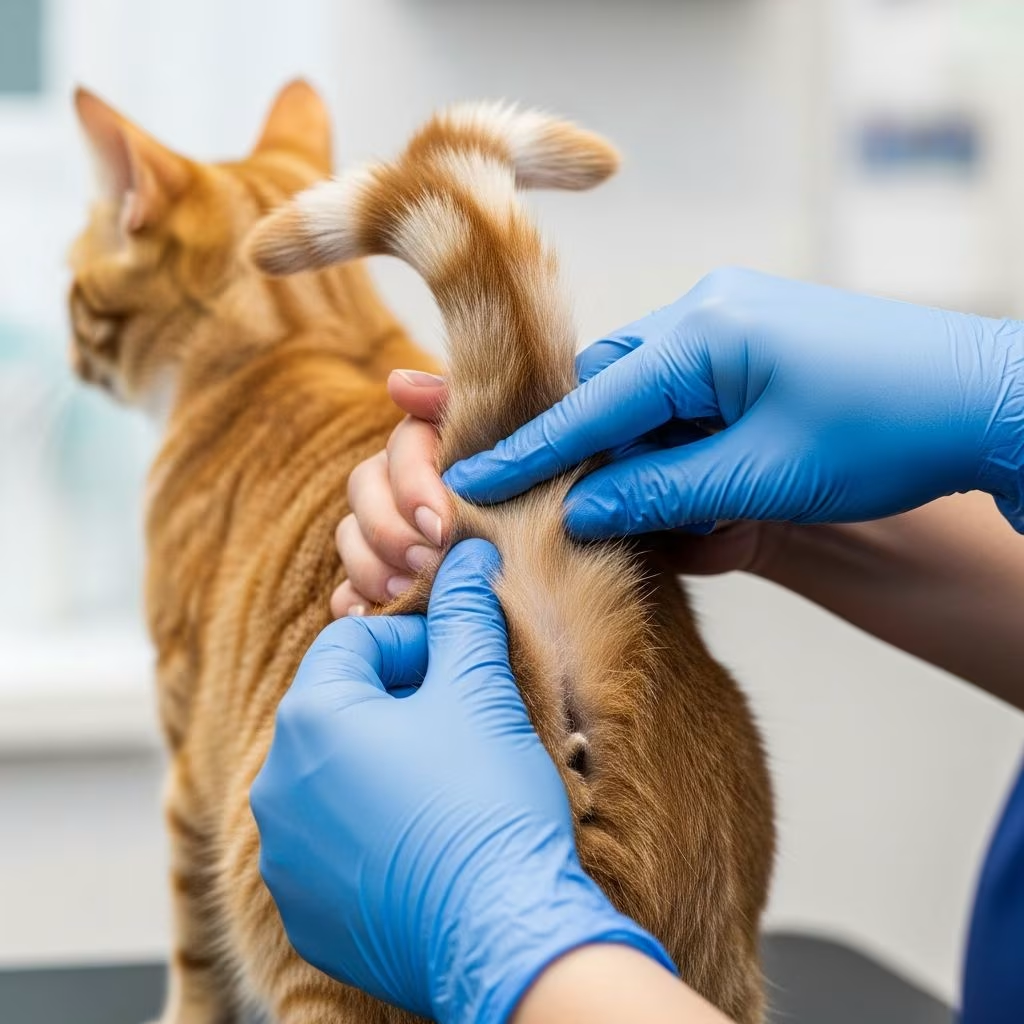
Cat anal glands, also known as anal sacs, are small pouches located on either side of the anus that produce a pungent fluid for marking territory. While most cats express these glands naturally during defecation, issues like impaction or infection can cause discomfort, requiring manual expression by a veterinarian or trained owner. Understanding when and how to express cat anal glands is crucial for preventing pain and complications.
What Are Cat Anal Glands?
Anal glands in cats are positioned at the 4 and 8 o’clock positions around the anus, similar to a clock face. These sacs fill with a thick, odorous secretion that is typically released during bowel movements to aid in scent marking and communication with other cats. In healthy cats, firm stools naturally compress the glands, expressing the fluid without issue. However, soft stools, dehydration, or anatomical factors can lead to buildup, causing impaction.
Unlike dogs, where routine expression is common, cats rarely need manual intervention if their diet supports proper stool consistency. Problems arise when glands become full, infected, or abscessed, leading to visible signs of distress. Veterinary sources emphasize that anal gland disorders affect a subset of cats, often those with chronic diarrhea or allergies.
Signs Your Cat Needs Anal Glands Expressed
Recognizing the symptoms early can prevent escalation. Cats are masters at hiding pain, but subtle cues often indicate anal gland trouble:
- Anal scooting: Dragging the rear on floors or carpets to relieve itching or pressure.
- Excessive licking or biting: Frequent grooming around the anus, tail base, or pulling hair from the hindquarters.
- Foul, fishy odor: A strong smell emanating from the rear, unlike normal cat scent.
- Redness, swelling, or bleeding: Visible inflammation at the 4 and 8 o’clock positions.
- Difficulty defecating: Straining, constipation, blood on stools, or vocalizing during bowel movements.
- Discomfort when sitting: Reluctance to sit or frequent position changes.
- Overgrooming leading to hair loss: Bald patches on tail, belly, or rear from excessive licking.
If multiple signs appear, such as scooting combined with odor and swelling, anal glands are likely impacted. Prompt attention avoids abscesses, which are painful infections requiring urgent care.
Causes of Anal Gland Problems in Cats
Several factors contribute to anal gland dysfunction:
- Dietary issues: Soft stools from low-fiber diets fail to express glands naturally.
- Dehydration or obesity: Leads to smaller, softer stools unable to apply pressure.
- Infections or allergies: Bacteria buildup or food sensitivities cause inflammation.
- Anatomical abnormalities: Narrow ducts or poor gland development in some breeds.
- Parasites: Worms or allergies mimicking or exacerbating symptoms.
Chronic issues may signal underlying conditions like inflammatory bowel disease, necessitating diagnostic tests.
How to Express Cat Anal Glands at Home
While professional expression is safest, some owners learn the technique under vet guidance. Never attempt if your cat is in pain, as it risks rupture or injury. Steps include:
- Prepare supplies: Gloves, paper towels, lubricant (pet-safe), and a helper to restrain gently.
- Position cat: Tail up, hind legs supported on a non-slip surface; use a towel for calm.
- Locate glands: Feel for small sacs at 4 and 8 o’clock; they feel like firm grapes if full.
- Express gently: Press thumb and forefinger inward/upward; fluid should release like toothpaste. Stop if resistance or pain.
- Clean area: Wipe with warm water; monitor for 24-48 hours.
Frequency: Only as needed, not routinely. Sedation may be required for stressed cats. Home expression suits mild cases; severe ones demand veterinary intervention.
Professional Treatments for Anal Gland Issues
Vets tailor treatments based on severity:
| Condition | Treatment | Details |
|---|---|---|
| Impaction | Manual expression | Hand-squeezing or infusion to soften contents; often outpatient. |
| Infection | Antibiotics + expression | Oral meds like amoxicillin; flushing glands. |
| Abscess | Lancing, draining, pain relief | Wound care, e-collar to prevent licking; hospitalization if severe. |
| Chronic/recurrent | Surgery | Gland removal as last resort; risks incontinence. |
Pain meds (e.g., gabapentin) and anti-inflammatories aid recovery. Regular check-ups prevent recurrence.
Prevention Tips for Healthy Anal Glands
Proactive care minimizes issues:
- High-fiber diet: Pumpkin, supplements like Glandex, or prescription foods firm stools.
- Hydration: Wet food, fountains encourage drinking.
- Exercise: Promotes regular, firm bowel movements.
- Weight management: Obesity softens stools.
- Routine vet exams: Early detection during check-ups.
Dietary fiber bulks stools, naturally expressing glands without manual help.
When to See a Vet Immediately
Seek professional care if:
- Visible swelling, bleeding, or abscess.
- Severe pain, lethargy, or appetite loss.
- Symptoms persist post-expression.
- Foul odor with discharge or fever.
- Constipation >48 hours.
Early vet visits prevent complications like rupture or sepsis.
Frequently Asked Questions (FAQs)
Do all cats need their anal glands expressed?
No, healthy cats express naturally. Routine expression is unnecessary and risky unless vet-recommended.
Is it safe to express cat anal glands at home?
Only if trained by a vet and cat tolerates it. Incorrect method causes harm; pros preferred.
What does infected anal gland smell like?
Fishy, foul odor from bacterial overgrowth.
Can diet fix anal gland problems?
Yes, fiber-rich diets prevent impaction by firming stools.
Is anal gland surgery common for cats?
Rare, last resort for refractory cases.
This guide equips cat owners with knowledge for anal gland health. Consult your vet for personalized advice.
References
- Anal Sac Disease in Cats — VCA Animal Hospitals. 2023-05-15. https://vcahospitals.com/know-your-pet/anal-sac-disease-in-cats
- How do I know if my cat has anal gland issues? — Vetster. 2024-02-10. https://vetster.com/en/wellness/how-do-i-know-if-my-cat-has-anal-gland-issues
- Anal Gland Disorders in Cats — PetMD. 2024-08-20. https://www.petmd.com/cat/conditions/skin/anal-gland-disorders-cats
- How To Tell If A Cat Needs Anal Glands Expressed — Vetnique. 2023-11-05. https://vetnique.com/blogs/news/how-to-tell-if-a-cat-needs-anal-glands-expressed-signs-symptoms
- Anal Sac Problems in Cats — WebMD. 2024-01-12. https://www.webmd.com/pets/cats/anal-sac-problems-cats
- How to Tell If Your Cat’s Anal Glands Are Impacted — YouTube (Veterinary Channel). 2023-07-18. https://www.youtube.com/watch?v=NYqNBGJt6z4



