

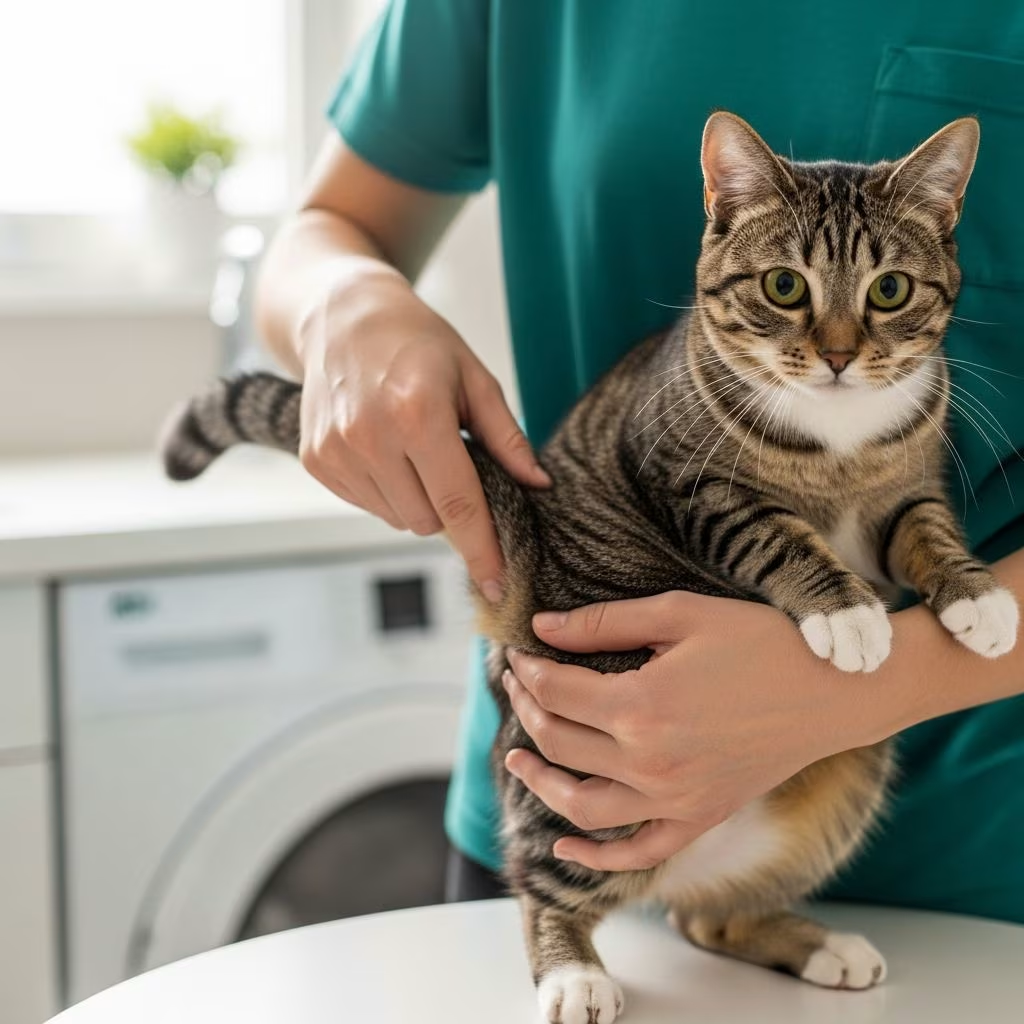
Cat anal glands, also known as anal sacs, are small pouches located on either side of the anus that produce a pungent fluid for marking territory. These glands typically empty naturally during defecation, but impaction, infection, or other issues can cause discomfort, scooting, and foul odors. Understanding how to recognize problems and safely express cat anal glands can alleviate pain and prevent complications like abscesses. This guide covers signs, step-by-step expression techniques, treatments, prevention, and FAQs for cat owners.
What Are Cat Anal Glands?
Anal glands in cats are paired sacs positioned at approximately the 4 and 8 o’clock positions around the anus, similar to a clock face. They secrete a thick, smelly substance used for scent marking and communication. In healthy cats, firm stools naturally express the glands during bowel movements by providing sufficient pressure. Unlike dogs, cats rarely require routine manual expression, as their glands function efficiently under normal conditions.
Problems arise when glands become impacted with hardened secretions, leading to bacterial overgrowth, inflammation, or infection. Factors like soft stools, diarrhea, allergies, or anatomical issues can contribute to poor natural expression. Early detection is key, as untreated issues can escalate to painful abscesses requiring veterinary intervention.
Signs Your Cat Needs Anal Glands Expressed
Cats are masters at hiding pain, but anal gland issues manifest through observable behaviors and physical symptoms. Watch for these common indicators:
- Anal scooting: Dragging the rear on floors or carpets to relieve itching or pressure.
- Excessive licking or biting: Frequent grooming, overgrooming, or chewing at the anus, tail base, or rear end.
- Foul, fishy odor: Strong unpleasant smell from the hindquarters, not typical in healthy cats.
- Redness, swelling, or bleeding: Visible inflammation around the anus or hard lumps at 4/8 o’clock positions.
- Discomfort sitting or defecating: Reluctance to sit, constipation, blood on stools, or vocalizing during bowel movements.
- Hair loss or wounds: From excessive grooming or ruptured abscesses.
If multiple signs appear, inspect gently (wear gloves) for swelling or discharge. Persistent symptoms warrant a vet visit to rule out allergies, parasites, or tumors.
How to Express Cat Anal Glands Safely at Home
While professional expression is safest, some owners can learn the technique under vet guidance for cats with recurrent issues. Never force it if your cat resists, as improper handling risks injury or gland rupture.
Step-by-Step Guide
- Prepare supplies: Gloves, paper towels, lubricant (pet-safe like KY Jelly), warm water, and a towel. Have a helper hold the cat if needed.
- Position the cat: Place on a non-slip surface, rear facing you. Gently lift the tail to expose the anus.
- Locate glands: Feel for small sacs at 4 and 8 o’clock, about 1 cm from the anus. They feel like firm peas if full.
- Express externally first: Press thumbs inward and upward from outside the anus toward the gland centers. A thick, brown, foul-smelling fluid should expel.
- Internal if needed: Use a gloved, lubricated finger (small cats may need sedation/vet). Insert gently 1 cm and milk downward. Stop if painful.
- Clean up: Wipe area with warm soapy water. Monitor for 24-48 hours.
Warning: Home expression is not routine for cats and can worsen issues if done incorrectly. Consult a vet first. Sedation may be required for painful cases.
Treatment Options for Anal Gland Issues
Treatment depends on severity, from simple expression to surgery. Always start with a vet diagnosis.
| Condition | Treatments | Notes |
|---|---|---|
| Impaction | Manual expression, fiber supplements | Restores function; schedule routine checks |
| Infection | Expression + antibiotics, pain meds (e.g., Onsior, gabapentin), flushing | Warm compresses aid relief |
| Abscess/Rupture | Drainage, antibiotics, wound care, e-collar | Prevent licking; monitor healing |
| Chronic/Recurrent | Diet changes, supplements, surgery (sac removal) | Last resort due to incontinence risk |
Vets may infuse softening solutions for dry contents or prescribe anti-inflammatories. Most cats recover quickly without hospitalization.
Prevention Tips for Healthy Anal Glands
Prevent issues by promoting natural expression:
- High-fiber diet: Bulks stools for better pressure; add pumpkin or Glandex supplements.
- Weight management: Obesity hinders defecation; maintain ideal body condition.
- Regular exercise: Promotes firm stools and gut health.
- Hydration and probiotics: Support digestion to avoid diarrhea.
- Routine vet checks: Early expression for prone cats.
Allergies or allergies can underlie problems; food trials may help.
When to See a Vet Immediately
Seek professional care if:
- Visible pain, lethargy, or refusal to eat.
- Swelling, bleeding, or abscess signs.
- Symptoms persist post-expression.
- Constipation or blood in stool.
- Foul odor with fever.
Early vet intervention prevents escalation to surgery.
Frequently Asked Questions (FAQs)
Q: Do all cats need their anal glands expressed?
A: No, healthy cats express naturally. Routine expression is unnecessary and risky unless vet-recommended.
Q: Is it safe to express cat anal glands at home?
A: Only if trained by a vet. Incorrect technique can cause pain or rupture. Professionals are best.
Q: What does anal gland fluid look like?
A: Thick, brown, pasty with a strong fishy odor. Normal; watery or bloody needs vet attention.
Q: Can diet prevent anal gland problems?
A: Yes, high-fiber foods firm stools for natural expression.
Q: What if my cat has an anal gland abscess?
A: Vet drainage, antibiotics, and wound care required. Do not delay.
This 1678-word guide equips you to manage cat anal gland health proactively. Prioritize vet advice for tailored care.
References
- Anal Sac Disease in Cats — VCA Animal Hospitals. 2023. https://vcahospitals.com/know-your-pet/anal-sac-disease-in-cats
- How do I know if my cat has anal gland issues? — Vetster. 2024-01-15. https://vetster.com/en/wellness/how-do-i-know-if-my-cat-has-anal-gland-issues
- Anal Gland Disorders in Cats — PetMD. 2024. https://www.petmd.com/cat/conditions/skin/anal-gland-disorders-cats
- How To Tell If A Cat Needs Anal Glands Expressed — Vetnique. 2023-11-20. https://vetnique.com/blogs/news/how-to-tell-if-a-cat-needs-anal-glands-expressed-signs-symptoms
- Anal Sac Problems in Cats — WebMD. 2024. https://www.webmd.com/pets/cats/anal-sac-problems-cats



