

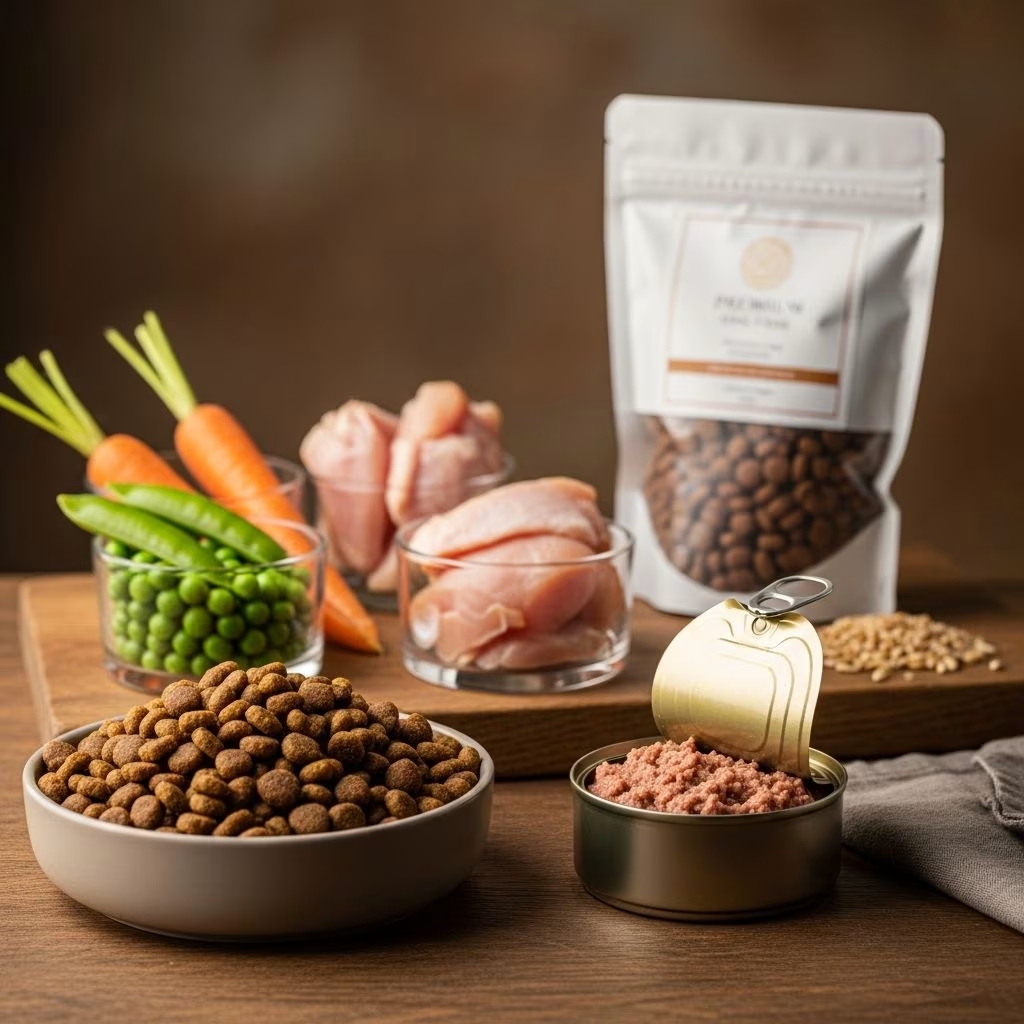
Selecting the right diet for your dog involves understanding the array of available options, each with unique nutritional profiles, processing methods, and impacts on health. From traditional kibble to innovative fresh meals, this guide breaks down the essentials to help you make informed choices.
Understanding Nutritional Basics for Dogs
Dogs require a balanced intake of proteins, fats, carbohydrates, vitamins, and minerals tailored to their life stage, size, breed, and activity level. Protein should primarily come from animal sources, as dogs are carnivores by nature, needing high-quality meat for muscle maintenance and energy. Fats provide essential fatty acids for skin, coat, and brain function, while carbohydrates offer quick energy but should not dominate the diet.
Moisture content is crucial too; wild ancestors consumed prey with high water levels, aiding hydration and digestion. Modern diets vary widely: dry foods have under 10% moisture, wet foods around 75-80%, and raw or fresh options even higher. Digestibility—the percentage of nutrients absorbed—directly affects health outcomes like stool quality, energy levels, and immunity.
Dry Kibble: Convenience and Commonality
Dry kibble dominates the market due to its affordability, long shelf life, and ease of storage. Manufactured through extrusion, where ingredients are cooked at high temperatures and shaped into nuggets, kibble meets AAFCO standards for completeness when labeled properly. Typical compositions include 20-30% protein, 10-20% fat, and high carbohydrates from grains or starches on a dry matter basis.
Pros include dental benefits from chewing and portion control. However, high-heat processing can degrade some nutrients, and fillers like corn or soy may cause allergies or obesity. Studies show variability in digestibility; one evaluation of eight commercial dry diets found protein digestibility ranging widely, with super-premium brands not always outperforming basic ones. Look for named meat as the first ingredient and avoid artificial preservatives.
- Best for: Budget-conscious owners, multi-dog homes.
- Watch out for: Excessive carbs (over 50% dry matter), by-products.
Wet Canned Food: Hydration and Palatability
Canned or pouched wet food offers high moisture (70-85%), making it ideal for dogs prone to urinary issues or those not drinking enough water. It’s often more flavorful, encouraging picky eaters, with protein levels around 10-15% on a wet basis (20-30% dry).
The cooking process in sealed cans preserves more natural flavors and nutrients compared to kibble. Benefits include better hydration and softer stools. Drawbacks: higher cost, shorter shelf life once opened, and potential additives like carrageenan, linked to inflammation in some studies. Combine with kibble for balance, calculating portions by calorie content.
| Nutrient (Wet Basis) | Kibble | Wet Food |
|---|---|---|
| Moisture | <10% | 70-85% |
| Protein | 22-28% | 10-15% |
| Fat | 10-15% | 5-10% |
| Carbs | 50-60% | 5-10% |
Raw Diets: Mimicking Nature
Raw feeding, often called BARF (Biologically Appropriate Raw Food), includes uncooked muscle meat, organs, bones, and minimal veggies/fruits. Proponents claim it mirrors ancestral diets, leading to shinier coats, better dental health, smaller stools, and higher energy. Composition: 45%+ protein dry basis, low digestible carbs (1-3%), high moisture (65-75%).
Safety concerns include bacterial risks like Salmonella, though proper handling mitigates this. Freeze-dried or commercially prepared raw reduces pathogens. Veterinary nutritionists note benefits for some dogs but stress balancing to avoid deficiencies in calcium or vitamins. Transition gradually over 7-10 days.
- Components: 80% muscle/organ/bone, 10% veggies, 10% fruits/seeds.
- Not for: Puppies under 3 months or immunocompromised dogs.
Fresh Human-Grade Food: Premium Nutrition
Fresh dog food uses gently cooked or raw human-edible ingredients like beef, chicken, peas, carrots, and blueberries, delivered pre-portioned. These diets boast superior digestibility—up to 40% higher than kibble—and immune boosts per peer-reviewed studies. Customized plans from services like Ollie factor in your dog’s profile.
Ingredients are USDA-sourced, free of fillers, with balanced macros: higher proteins/fats, lower carbs. Benefits: improved digestion, vitality, and stool quality. Cost is higher, but long-term health savings appeal to many. Vet-formulated recipes ensure completeness.
Comparing Major Diet Types
Choosing depends on lifestyle, budget, and dog’s needs. Kibble suits convenience; wet/raw/fresh excel in palatability and nutrition.
| Diet Type | Pros | Cons | Ideal For |
|---|---|---|---|
| Kibble | Cheap, shelf-stable | High carbs, lower moisture | Active, budget dogs |
| Wet | Hydrating, tasty | Expensive, messy | Seniors, picky eaters |
| Raw | Natural, dental benefits | Bacteria risk, prep time | Healthy adults |
| Fresh | Highly digestible, customized | Premium price | All life stages |
Dry matter analysis equalizes comparisons: aim for 25-35% protein, 10-20% fat.
Factors Influencing Diet Choice
Life Stage and Health Conditions
Puppies need 22-32% protein for growth; seniors benefit from joint-supporting glucosamine in fresh/raw. Dogs with allergies thrive on novel proteins like fish; those with kidney issues require lower phosphorus wet foods. Consult vets for custom plans.
Activity Level and Breed
High-energy breeds like Border Collies need calorie-dense kibble or raw; couch potatoes fare better on lower-fat fresh.
Cost and Practicality
Kibble: $1-3/lb; fresh: $5-10/lb. Mix diets (e.g., 75% kibble, 25% wet) for balance.
Reading Labels and Avoiding Pitfalls
AAFCO statements guarantee completeness. Prioritize whole ingredients over meals/by-products. Grain-free isn’t always better—carbs from oats/barley aid digestion unless allergic. Watch for recalls via FDA site.
- First 5 ingredients: Meats, veggies > grains.
- Avoid: Artificial colors, excessive sugar.
Transitioning Diets Safely
Abrupt changes cause diarrhea. Over 7-14 days: 25% new + 75% old (days 1-3), 50/50 (4-7), etc. Monitor stool, energy, coat.
DIY and Home-Prepared Diets
Home cooking risks imbalances; use vet nutritionist recipes with supplements. Include lean meats, veggies, oils. Not recommended without expertise.
Frequently Asked Questions (FAQs)
What’s the healthiest dog food?
Fresh or raw often ranks highest for digestibility and natural nutrients, but kibble works if high-quality.
Can I mix dog food types?
Yes, adjust by calories for balance.
Is grain-free necessary?
No, unless allergic; quality grains are fine.
How much to feed?
Follow guidelines, adjust for weight/activity.
Raw food safe?
Yes, with commercial prep and hygiene.
Conclusion: Tailor to Your Dog
The optimal diet enhances longevity and joy. Experiment under vet guidance, prioritizing digestibility and whole foods for peak health.
References
- Evaluation of eight commercial dog diets — PMC – NIH. 2015-06-15. https://pmc.ncbi.nlm.nih.gov/articles/PMC4473150/
- Dog Food Comparison Chart — Furchild Pet Nutrition. 2023-01-01. https://furchildpets.com/types-of-pet-food
- Fresh vs Raw Dog Food vs Kibble — AKC. 2024-05-20. https://www.akc.org/expert-advice/nutrition/fresh-raw-kibble-dog-food/
- 9 Best Dog Foods of 2026 — PetMD. 2026-01-10. https://www.petmd.com/dog/vet-verified/best-dog-food
- Dog Food Comparison — Purina US. 2025-03-01. https://www.purina.com/articles/dog/feeding/guides/dog-food-comparison
- The Pros & Cons of 6 Types of Dog Food — JustFoodForDogs Blog. 2024-08-15. https://blog.justfoodfordogs.com/types-of-dog-food.html
- Different types of diets for dogs — PDSA. 2024-11-01. https://www.pdsa.org.uk/what-we-do/blog/doggy-dinners-different-types-of-diets-for-dogs



